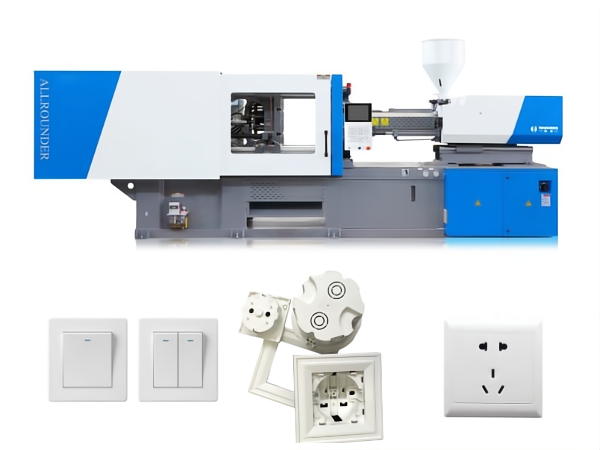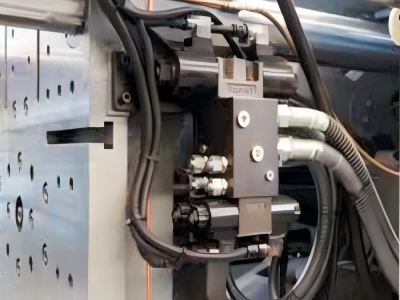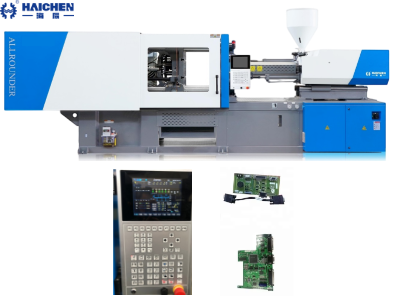
Appication of switch making machine:
- Household switches
- Industrial switches
- Automotive switches
- Electronic switches
- Switch components
Eish! You know injection molding tech is lekker popular for making light switches, boet!
These switches are everywhere in our gadgets, hey.
Through this precise molding process, we can create small but powerful switches – perfect for modern electronics that need to be tiny yet top-performing, sho?
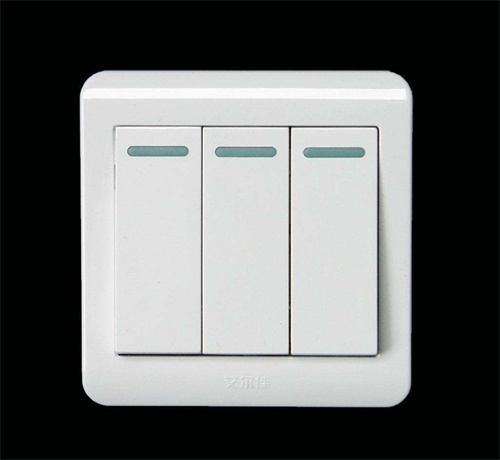
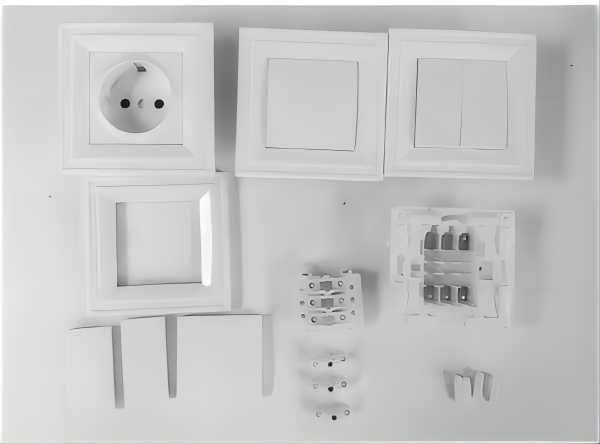
Household switches
Basically, in our daily lives we use all kinds of switches around the house – like light switches for your lamps, appliance switches for controlling gadgets, doorbell switches when visitors come, and timer switches for automated control.
You know, a household switch is basically an electrical device that controls whether current flows in a circuit or not .
What this means is it’s what we use for turning things on or off – whether it’s your coffee maker or bedroom light.
Now here’s the thing: they’re usually installed right on walls or panels so that you can easily reach them when needed .
But actually, modern switches aren’t just simple on/off devices anymore.
What’s really cool is they often pack in extra features – for example timing functions, remote control capabilities, and even water resistance for wet areas.
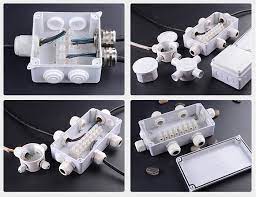
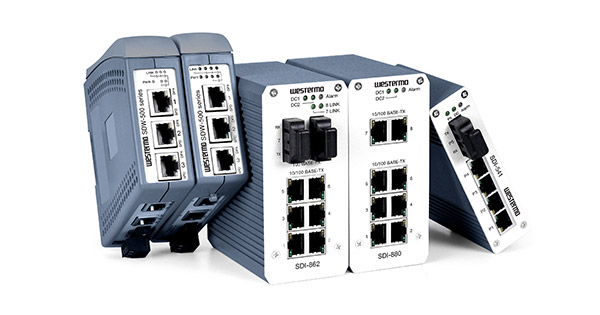
Industrial switches
Switches for machinery control, automation, and process control systems.
The main types and classification criteria of industrial switches can be analyzed from multiple perspectives.
Including their structure, function, application scenarios, and technical characteristics, etc.
Automotive switches
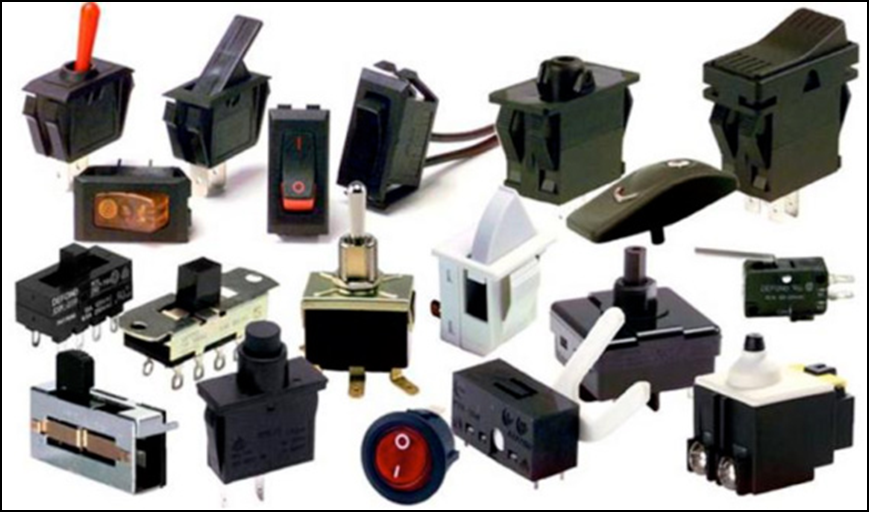
Okay, so let’s talk about automotive switches – you know, those handy controls in your car for things like lights, windows, and other functions.
Basically, these switches are electronic parts that turn circuits on or off based on what you need or how the system’s running.
For example, whether you’re starting up the engine, shutting things down, or adjusting settings, they’re the ones in charge.
Now, why does this matter? Well, these switches are crucial for your car’s electrical system.
Think about it: without them, you couldn’t accurately control essentials like headlights, wipers, air conditioning, or even brake functions.
In short, they keep everything running smoothly and efficiently.
Electronic switches
Switches used in medical equipment, consumer electronics, and other electronic devices.
An electronic switch is an operating unit that uses electronic circuits and power electronic devices to achieve the on-off state of circuits.
Its core principle is to realize the opening and closing of circuits by controlling the conduction or cut-off state of semiconductor devices.
Common types of electronic switches include transistor switches, thyristor switches, field-effect transistor (FET) switches, etc.
They control the circuit by regulating the output current by controlling the input signal.
LED lighting switch
Actually, switch injection molding machines are super important for making LED lighting fixtures.
You see, manufacturers rely on injection molding technology to create molds for these lamps.
What’s more, by fine-tuning key parameters like temperature, pressure, and cooling time, we can produce LED luminaires that are both super durable and really good-looking.
This technology covers everything from mold design to the actual molding process – including material selection, adding multiple functions, and even automating production.
Ultimately, it gives a huge boost to making switch panels efficiently and with super high precision.
Switch components
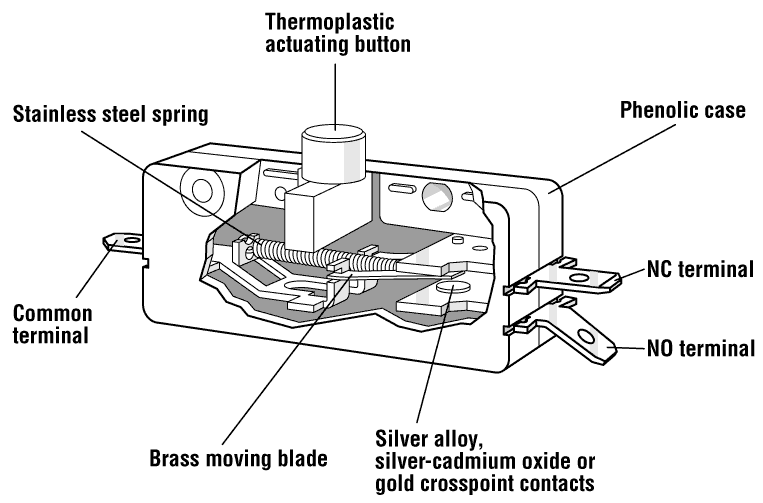
- Plastic housing
- Contacts
- Spring
- Push rod or actuator
- Metal rod
- Base or mounting seat
- Operating head or operating component
- Terminal blocks and connectors
- Seals or insulating covers
- Indicator lights or feedback devices (optional)
Plastic housing
The plastic housing is actually one of the main parts in a switch. We mainly use it to insulate and protect against electric shocks.
Plus, it’s really good at handling heat and impacts. Common materials you’ll see include stuff like ABS and PC.
Contacts
Well, inside a switch, you’ll actually find contacts — they’re the key parts that basically connect or disconnect circuits.
And you know what?
Engineers usually pick metal materials like copper alloys for these contacts, simply because metals conduct electricity really well.
Spring
The spring pushes on the contacts, so it makes sure they stay connected properly when closed.
Plus, when the contacts open, it springs back with some force to keep things stable.
And actually, springs are usually made of metal.
Push rod or actuator
The push rod or actuator is the mechanical transmission component of the switch.
Then,used to transfer the external operating force to the contacts, thereby achieving the connection or disconnection of the circuit.
Metal rod
In some switch designs, the metal rod connects the push rod and the contact.
Ensuring that the operating force can be effectively transmitted to the contacts.
Base or mounting seat
The base or mounting seat fixes the overall structure of the switch and provides terminals for connection to the circuit.
Generally, there are two materials: plastic or metal
Operating head or operating component
The operating head or operating component is the part that the user comes into direct contact with and is used to trigger the action of the switch.
Anyway,it can be a button, a toggle lever, a knob, etc., depending on the type of switch.
Terminal blocks and connectors
Terminal blocks and connectors are used to connect switches to circuit systems, ensuring that current can pass through smoothly.
Seals or insulating covers
In some switch designs, seals or insulating covers are used to protect the internal contacts and springs.
Generally, preventing dust and moisture from entering while providing additional insulating protection.
Indicator lights or feedback devices (optional)
In some switch designs, indicator lights or other feedback devices may be added to provide visual feedback on the user’s operation status.
Switch making machine
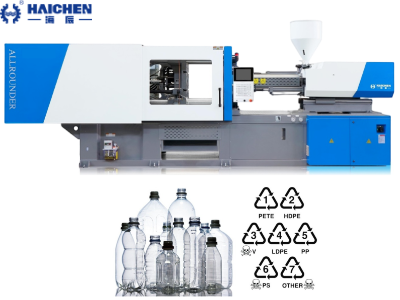
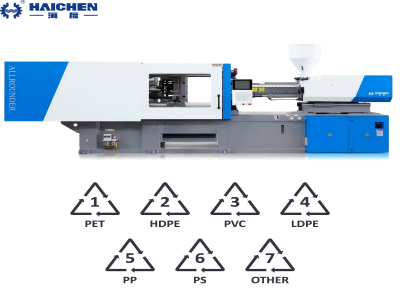
You know, electrical switch dedicated injection molding machines are a subcategory of plastic injection molding machines.
Basically, they’re built to manufacture precision plastic components like electrical switch sockets and junction boxes.
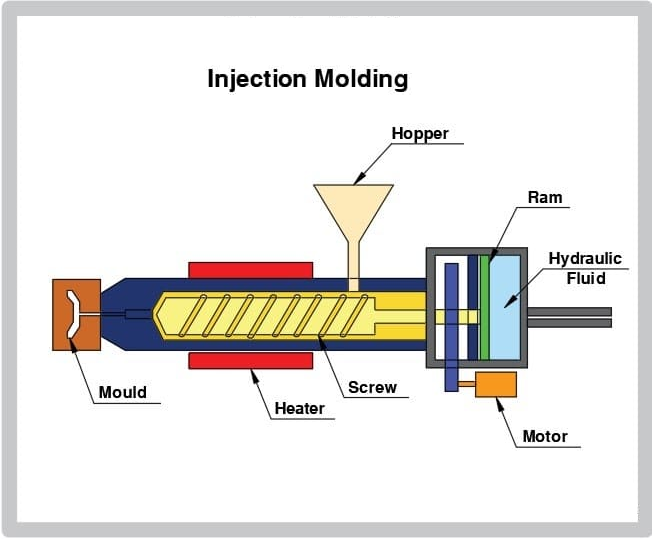
Here’s how they work: first, we heat and melt those polymer particles; then, we inject the molten plastic into the mold cavity under crazy high pressure.
After it cools down and solidifies, boom – you get high-precision plastic products in bulk.
Pretty efficient, right?