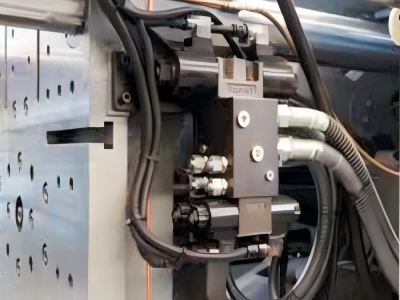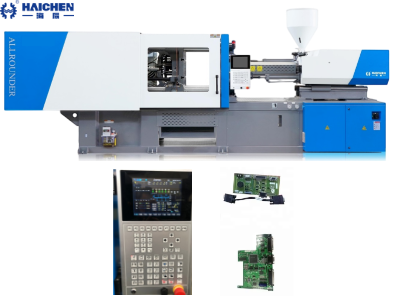
Small injection molds price range is roughly between $5000-$50000.
Mainly depending on factors such as the design complexity of the mold, material selection, size, and manufacturing process.
The definition of a small injection mold is a mass ranging from 5 to 100 kilograms, a clamping force of 500 to 1500kN.
An injection volume of 15 to 250 milliliters, and a projected area of less than 0.1 square meters.
It is suitable for small-batch production or trial production, with a compact structure and low cost.
There are many factors that affect the price of small injection molds, such as materials, complexity, the number of cavities, and production batches.
In terms of materials, steel molds are more expensive but durable, while aluminum molds are suitable for small batches.
When it comes to material costs, which account for 30% to 50%, the cost of a small single-cavity mold is around 5,000 US dollars.
While complex molds will increase the cost, and the price may be as high as over 50,000 US dollars.
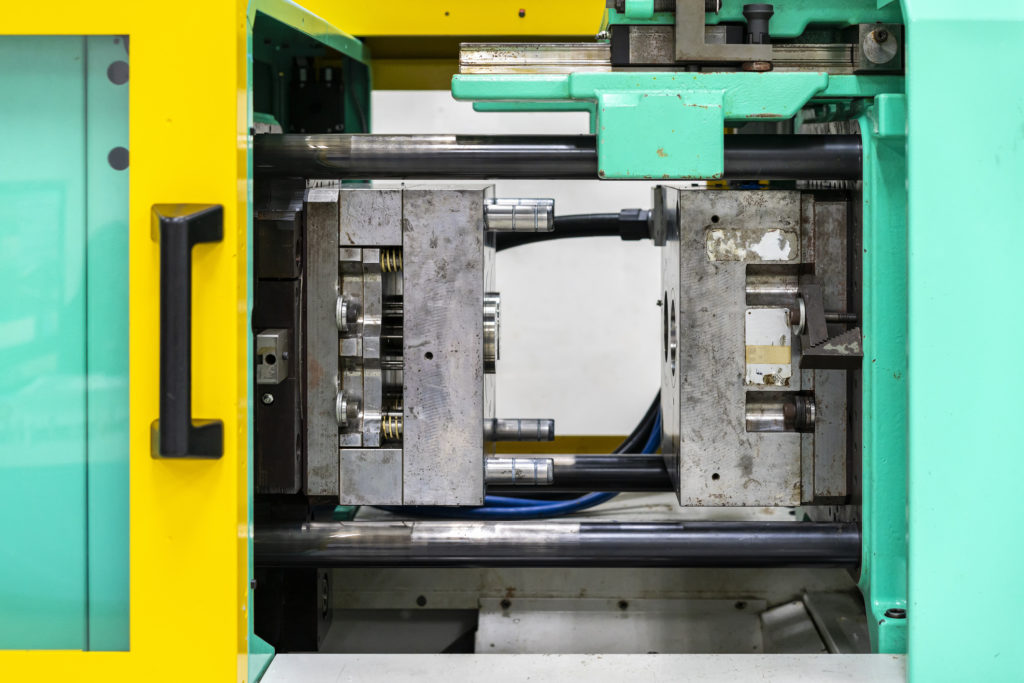
Is injection molding expensive?
The start-up cost of large-scale production may be high, but as production continues, the project cost will become lower and lower.
If unit cost is taken into account, plastic injection molding is one of the cheapest and most cost-effective production methods.
With injection molding, the more units you produce with the mold, the lower the unit cost will be.
The determinants of mold cost include part size, complexity, material and expected output.
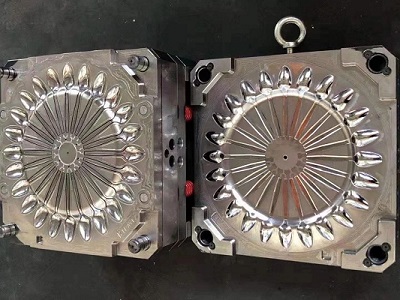
Factors influencing the Small injection molds cost
Design complexity vs. cost
Small injection molds are typically less complex, which means less design time and engineering investment, and therefore relatively low cost.
Designing molds with high complexity requires more design time and engineering investment.
Especially for molds with multi-cavity structures, precise slide and core-pulling mechanisms, special cooling systems, or hot runner systems.
Mold size and manufacturing cost
The size and design complexity of the mold are important factors that affect its price.
Generally speaking, the larger the size of the mold, the higher the manufacturing cost.
because more material, longer processing time, and more complex machining processes are required.
Small molds are relatively cheap to manufacture due to their smaller size, but the complexity of the design still affects their price.
For example, the design complexity of a small mold may include delicate construction and complex machining requirements, which can increase costs.
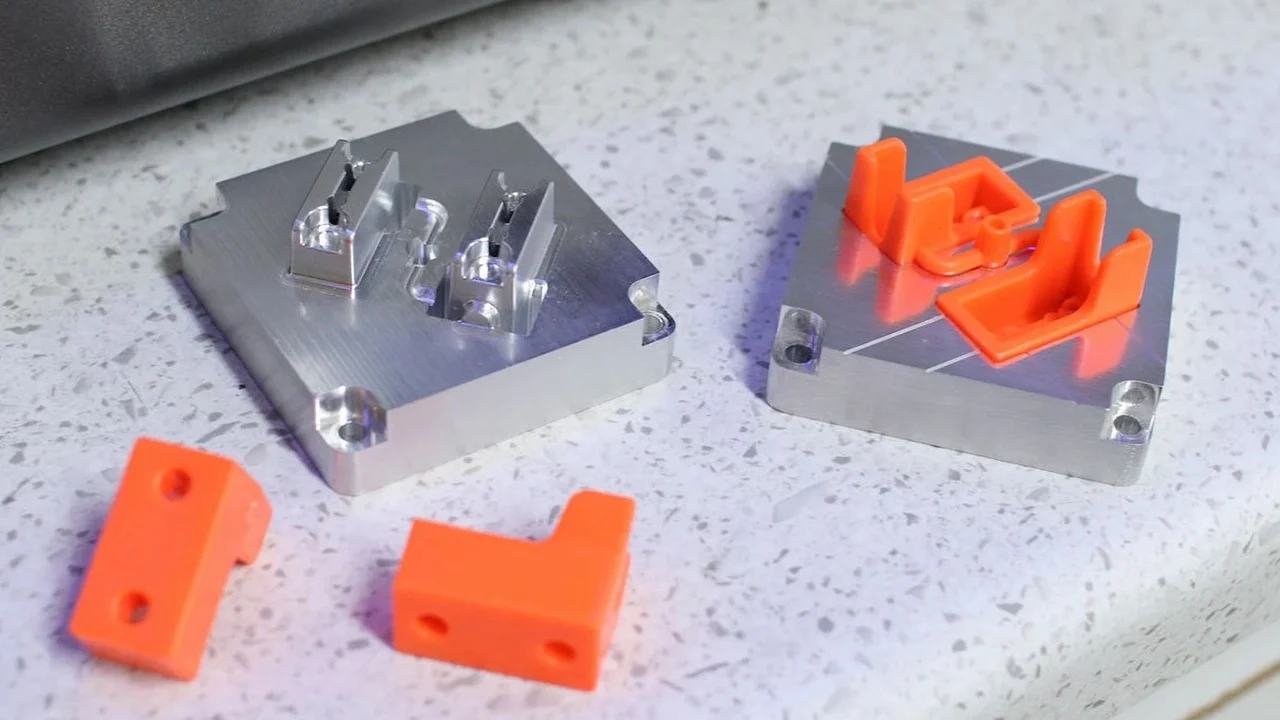
Material selection and processing technology
Material selection has a direct impact on the price of molds.
Metal and alloy materials are more durable but more costly, while plastic materials are cheaper but have a shorter lifespan.
Smaller molds typically use lower-cost materials, but if the design complexity is high.
Higher quality materials may be required to ensure the stability and reliability of the mold.
Market supply and demand and regional differences
Market supply and demand and regional differences will also affect mold prices.
Oversupply and demand can cause prices to fall, while tight supply can push prices higher.
The level of economic development and industrial demand in different regions will also affect the difference in mold prices.
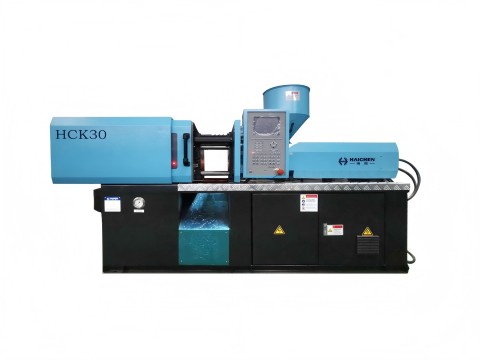
Other influencing factors
The price of molds is also affected by other factors, such as design fees.
Processing fees, profits, value-added tax, mold trial fees, and packaging and transportation costs.
For example, the cost of opening a liquid silicone injection mold is generally more than $2000, and higher processing accuracy and complex structure need to be considered.
The design complexity of a small injection mold has a significant impact on its final price.
Designing complex molds requires more design time and engineering investment, using higher quality materials.
And more complex machining processes, all of which can significantly increase the cost of the tool.
The impact of different materials on the Small injection molds cost
Different materials have different impacts on the cost of small injection molds. The following are several common mold materials:
- Steel
- Aluminum alloy
Initial cost
Steel
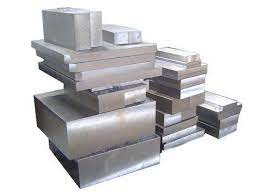
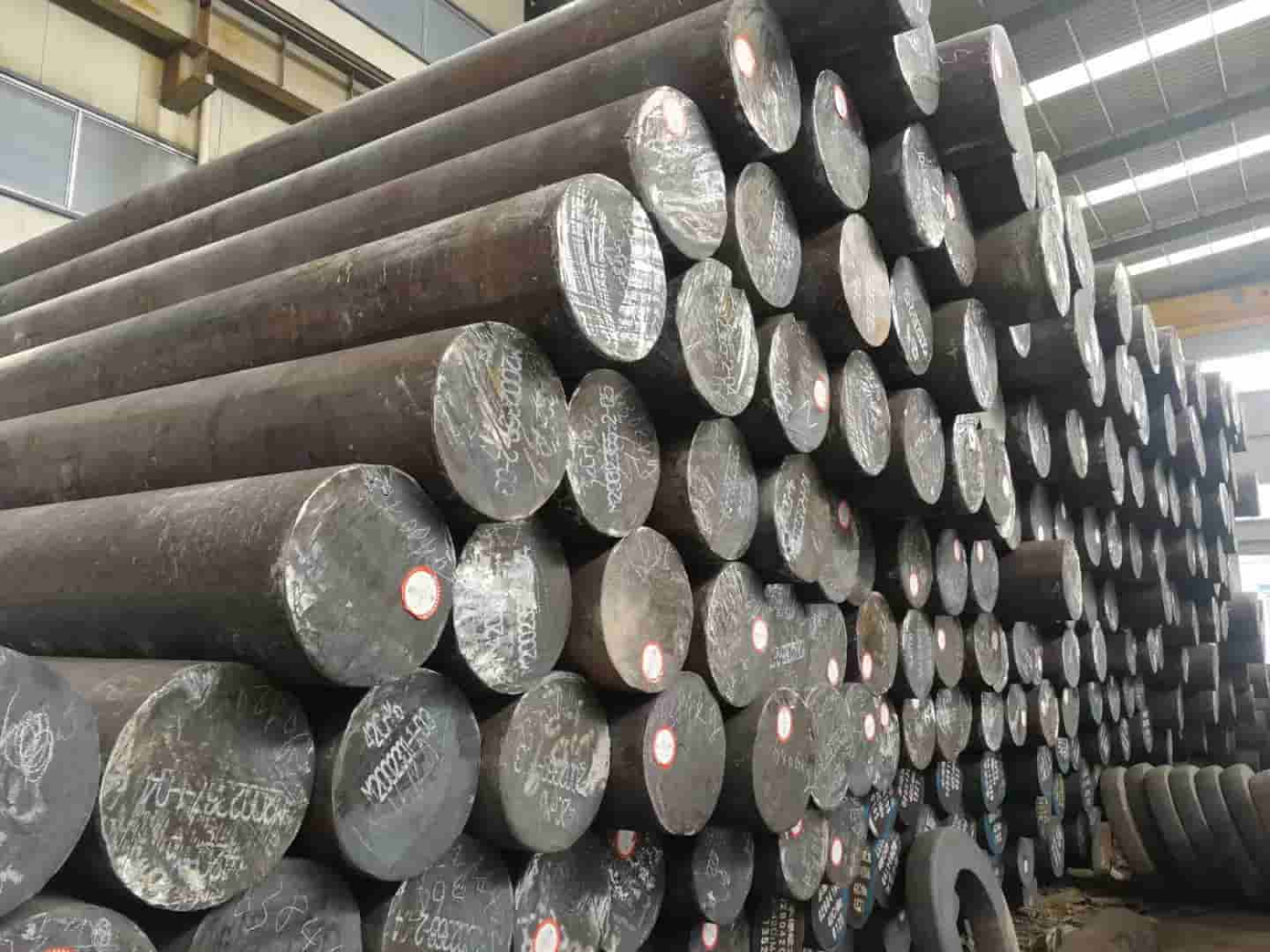
The initial cost of steel molds is higher, especially high-quality steels, such as H13, SKD61, etc.
Which have high strength, wear resistance, and corrosion resistance, and are suitable for high-volume production.
Steel molds take a long time to manufacture, but they have high durability and stability, making them suitable for long-term use.
Aluminum alloy
The initial cost of aluminum alloy molds is low, usually between 2000-5000, which is suitable for small and medium batch production.
Aluminum alloy molds are lightweight and thermally conductive, making them suitable for rapid prototyping and low-volume production.
Production cycle and cooling rate
Steel
Steel molds have a slower cooling rate and a longer production cycle, but their durability and stability are high, which is suitable for high-volume production.
Aluminum alloy
The cooling speed of aluminum alloy mold is fast, and the production cycle is short, which is suitable for rapid production and small batch production
Mold Life
Steel
Steel molds have a longer lifespan, can withstand more production cycles, and are suitable for long-term use.
Steel molds are more expensive to maintain and replace, but their durability makes them more economical in long-term production.
Aluminum alloy
The life of aluminum alloy molds is relatively short, with a typical service life of 3,000 to 10,000 cycles.
Although aluminum alloy molds have a lower initial cost, they are expensive to maintain and are prone to deformation under complex designs or high pressures.
Applicable scenarios
Steel
Suitable for high-volume production, high-precision requirements and high-pressure and high-temperature environment injection molds.
The steel mold has good wear resistance and impact resistance, and is suitable for manufacturing key parts.
Aluminum alloy
Suitable for small and medium-sized batch production, complex shapes and small size injection molds.
Aluminum alloy molds have superior thermal conductivity and are suitable for rapid cooling and prototyping.
Maintenance and Replacement Costs
Steel
Steel molds are more expensive to maintain and replace.
But their durability and stability make them more economical in long-term production.
Aluminum alloy
Aluminum alloy molds are expensive to maintain, and are easily deformed under complex designs or high pressures, and need to be replaced more frequently.
To sum up, the choice of steel or aluminum alloy mold mainly depends on production needs, cost budget, and mold life requirements.
Steel is recommended for high-volume production, high-precision requirements, and injection molds in high-pressure, high-temperature environments.
Haichen‘s Small injection molds cost
The design complexity of a small injection mold has a significant impact on its final price.
Designing complex molds requires more design time and engineering investment, using higher quality materials.
And more complex machining processes, all of which can significantly increase the cost of the tool.
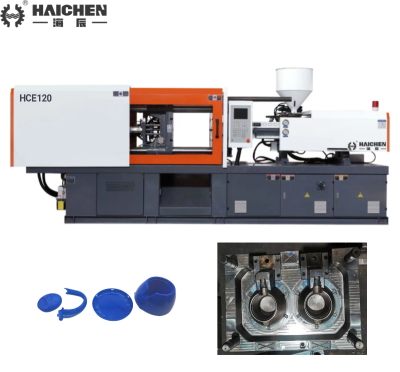
Haichen Reducing Injection Molding Costs
The cost of the mold is largely defined by the complexity and the amount of time it takes to produce it.
Evaluate the CAD model to determine its feasibility before undertaking an injection molding project.
Eliminate potential bottlenecks such as steep angles, undercuts, and other complex geometries.
Evaluate the model’s design to eliminate unnecessary features.
This reduces the mold’s size and the material used to develop the model.
Apply a core cavity approach that simplifies the design of Side B of a mold.
The core cavity approach involves sinking the wall cavities into the mold base.
Thereby reducing the need to mold steep draft angles while improving surface finish.
Embrace the use of self-mating parts to reduce the need to create multiple molds when one universal mold can be used to achieve similar results.