Injection molding is ideal for high-volume production due to its speed and precision, while 3D printing excels in customization and rapid prototyping for low-volume or complex designs.
In the manufacturing industry, both injection molding and 3D printing have significantly changed the design and production process of products.
Each technology has its own unique benefits and is suitable for different application scenarios.
Understanding their advantages and disadvantages can help manufacturers choose the technology that best matches their actual needs.
In this article, we will take a closer look at the actual applications of injection molding and 3D printing, as well as how they perform in different situations.
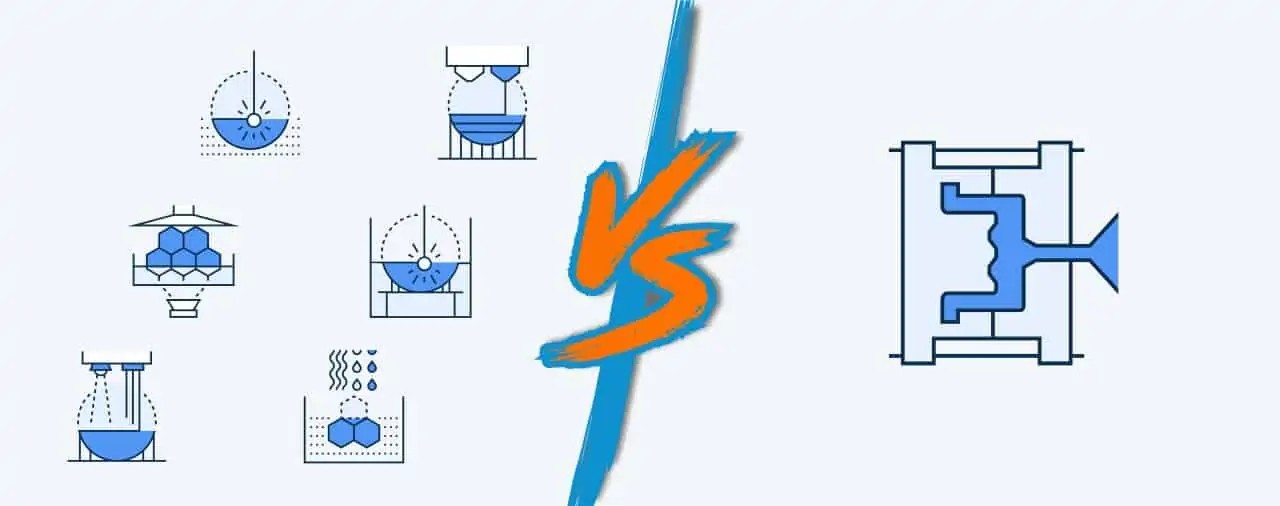
Technical principles and core features
injection molding
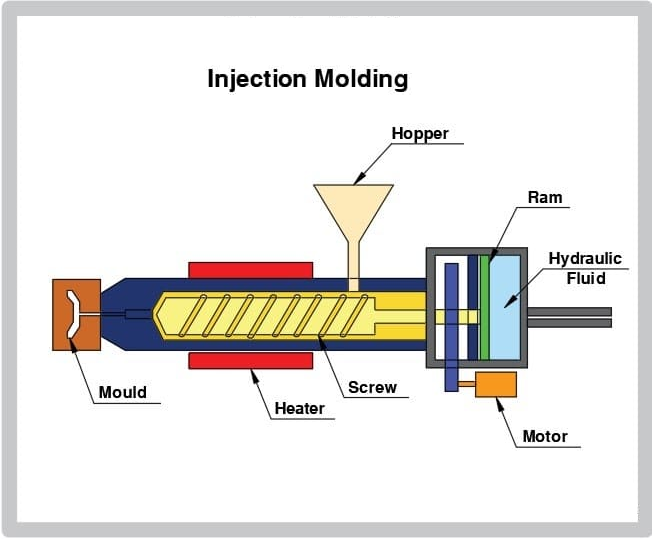
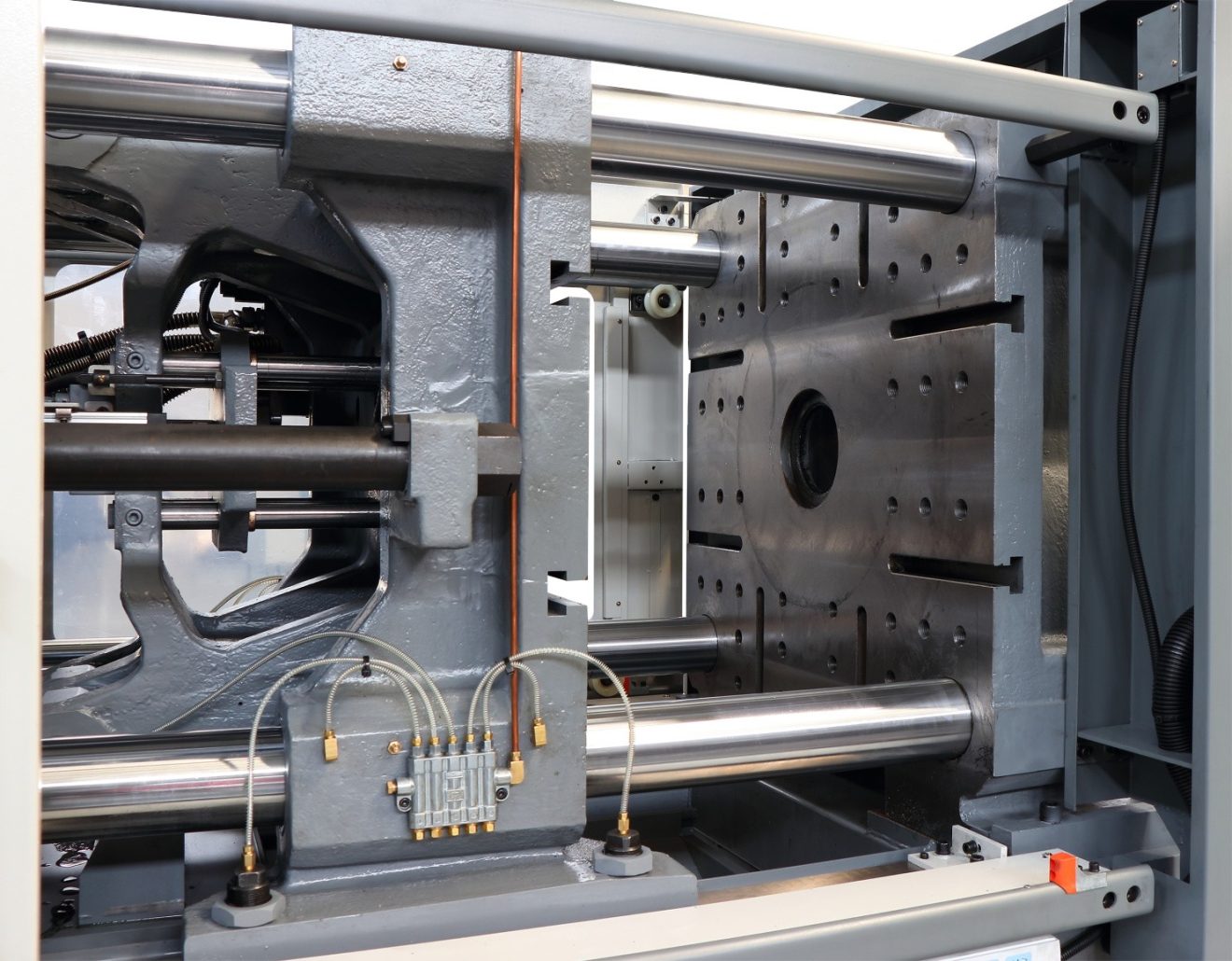
principles:Under high pressure, the screw injects the heated and melted particle or powder plastic into the metallic cavity, which then cools and solidifies. The core equipment of the injection molding machine includes the mold, temperature control system, and the machine itself. A single cycle lasts anywhere between 30 seconds and 2 minutes.
Features:
- high precision and consistency:Due to precision processing of molds, the size error of parts is ≤0.1mm which is appropriate for mass production.
- Material diversity: includes liquid silicone, thermosetting plastics and thermoplastics such as ABS, PP, PA, and PC.
- large scale efficiency:More than a million parts can be produced at a single set of molds, and the unit cost significantly decreases as the production volume increases.
3D printing Additive manufacturing.
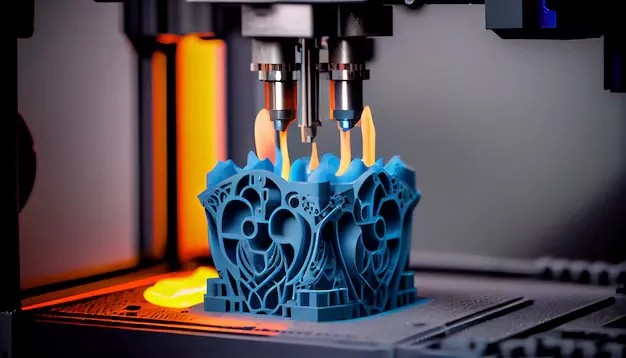
Principle:Based on the CAD model layered slicing, materials are stacked layer by layer using methods like Fused Deposition Modeling (FDM) and light cure (SLA).
Features:
- Mold-free free manufacturing:Bypassing mold creation, direct digital production is possible.
- Complex structure capability:Internal flow channels and hollow topologies are some of the geometric shapes which are difficult to achieve through traditional processes, but can be manufactured using additive techniques.
- Small batch flexibility: The production cost of a single piece is independent of the batch, which is suitable for customized production.
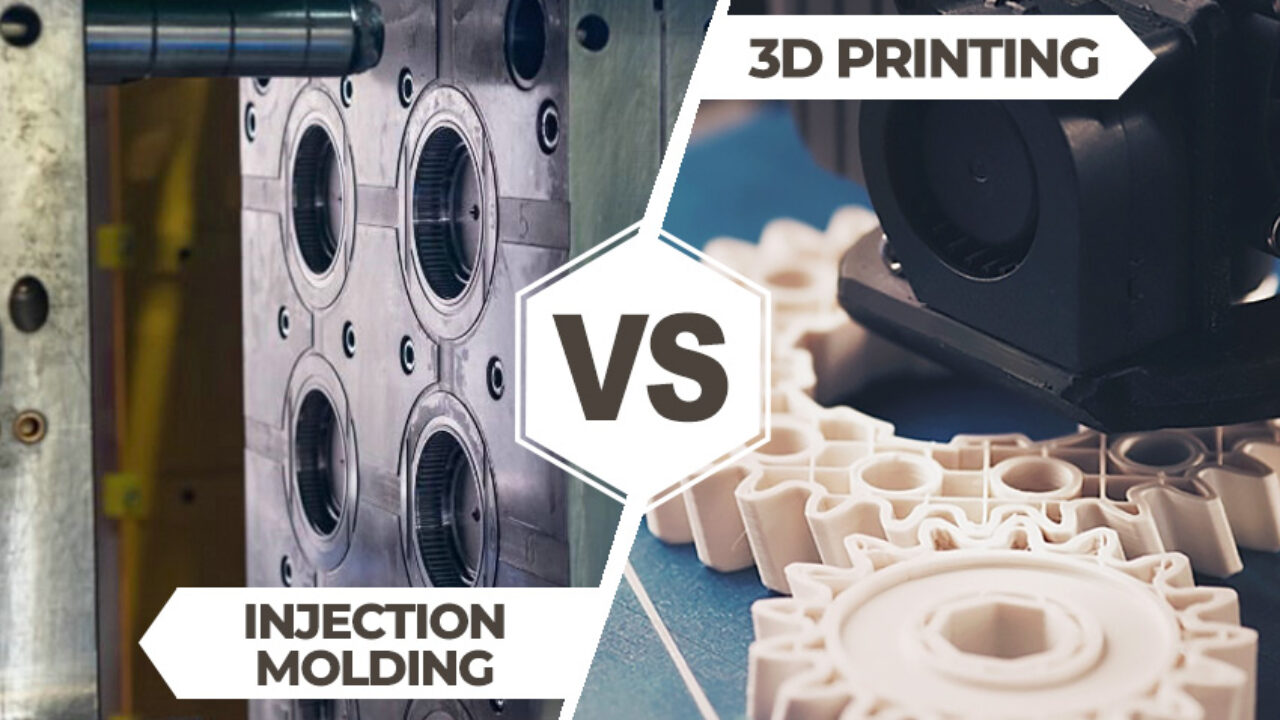
Application scenario comparison
| Dimension | Injection molding | 3D printing |
| Batch size | >10,000 pieces (such as mobile phone housings, automotive parts) | <1,000 pieces (such as prototype verification, customized medical devices) |
| Industry cases | Standardized components for consumer electronics, packaging containers | Lightweight components for aerospace, personalized prostheses |
| Design iterations | High mold modification costs and long cycles (about 2-8 weeks) | Modify digital models at any time, and the iteration cost approaches zero |
| Structural complexity | Hollow structures are difficult to achieve due to mold parting lines and ejector pins | Almost no geometric constraints, active hinges can be printed in one piece |
Core performance and economic comparison
Materials and performance
- Injection molding materials: industrial-grade plastics (such as PA66 with temperature resistance > 200°C), high mechanical strength, and food/medical certification.
- 3D printing materials: mainly PLA and ABS resins, with weak heat resistance (usually < 100°C), and mechanical properties 15-30% lower than injection molded parts.
Cost structure
| Cost type | Injection molding | 3D printing |
| Initial investment | Mold development 5000-100,000+ | Equipment procurement 500-500,000 |
| Unit cost | 0.1-5 for large batches (significant economies of scale) | 5-50 for small batches (no economies of scale) |
| Post-processing | Less (direct high-finish molding) | More (support removal and polishing required) |
Production speed
- Injection molding: single-piece cycle < 60 seconds, daily output of more than 10,000 pieces.
- 3D printing: single piece takes several hours to several days, and batch production time is low.
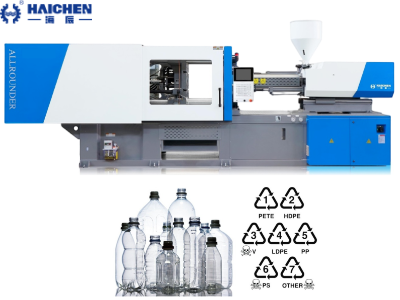
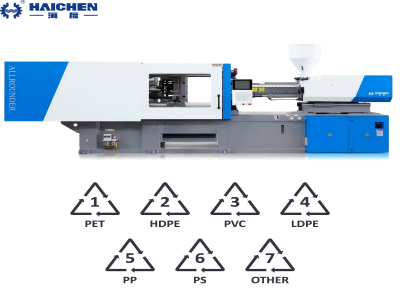
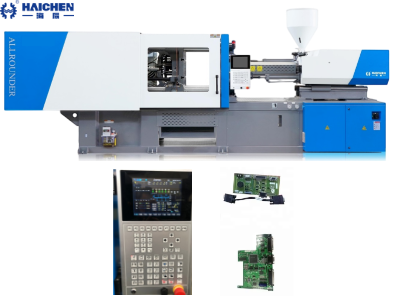
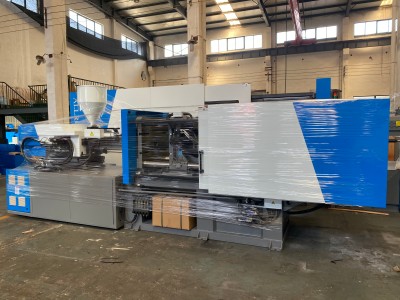
HAICHEN: Injection Molding Machine Manufacturer
HAICHEN is one of the leading manufacturers of injection molding machines, best known for the technological innovations and manufactured products of molders.
Every one of HAICHEN’s machines is made with great attention to precision, efficiency, and reliability, which makes them perfect for various applications.
Some of the key features of HAICHEN’s machines include:
- Advanced Control Systems: Like any other HAICHEN machines, the HAICHEN machines are fitted with sophisticated machines and control systems for temperature and pressure which are very critical for the components parts.
- Energy Efficiency: The machines of HAICHEN are designed with features that saves energy which in turn saves cost and reduces the environmental impact.
- Automation: Automated processes for mold, injection and ejection systems improves productivity and reduces the cost of labor.
The Growing Market in Thailand
Thailand is an emerging market for 3D printing and injection molding. Because of its geographical position, Thailand serves as a growing hub for manufacturers and customers due to its business-friendly climate. The focus that the Thai government is putting in regards to the adoption of new technologies and advancement in other industrial fields is proving very beneficial.
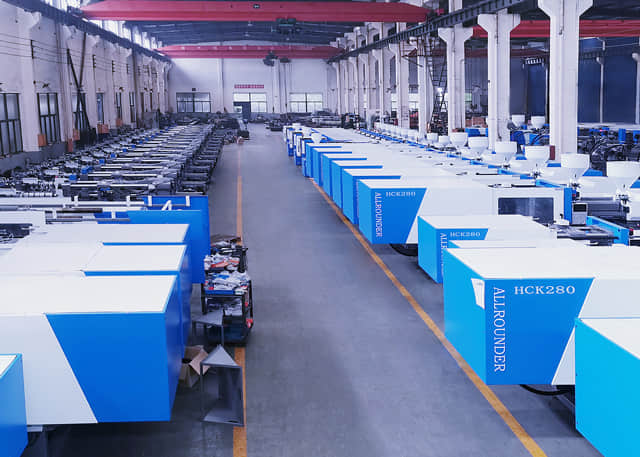
Getting to know how injection molding and 3D printing work in real settings helps manufacturers pick the right approach. If you need precise parts in big batches, injection molding delivers consistent results efficiently. For prototyping or smaller runs where you might tweak designs on the fly, 3D printing lets you create tailor-made items without expensive tooling. Whether you’re making consumer products, car components, or specialty goods, both technologies are essential in today’s factories.