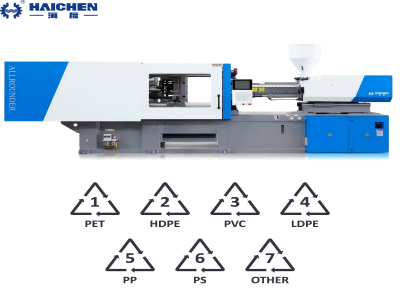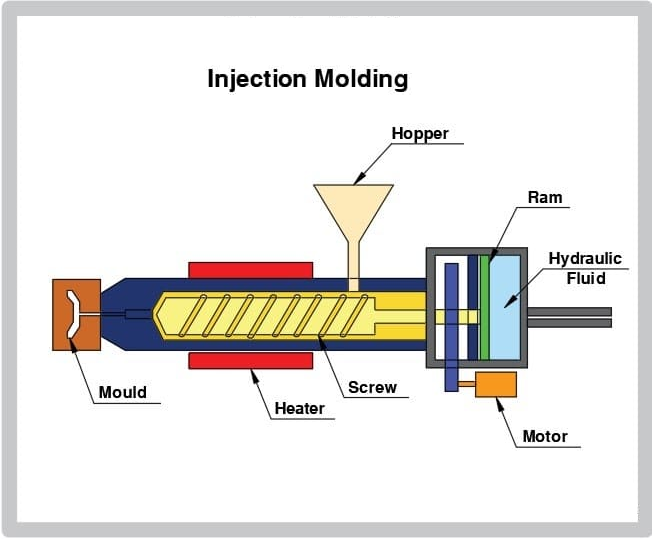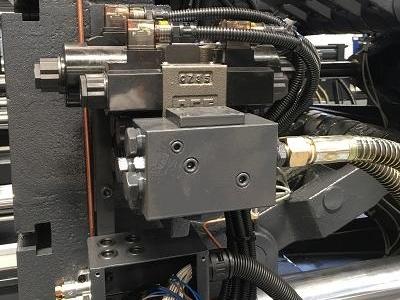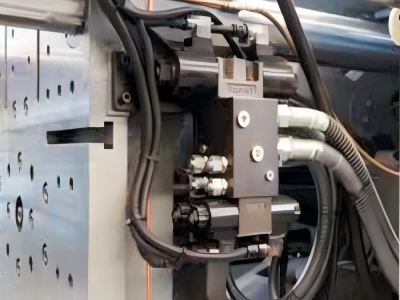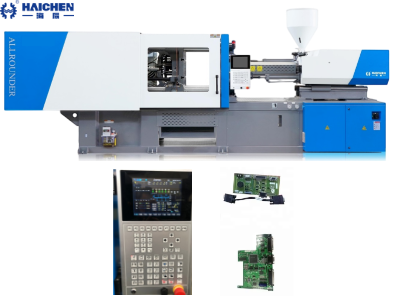
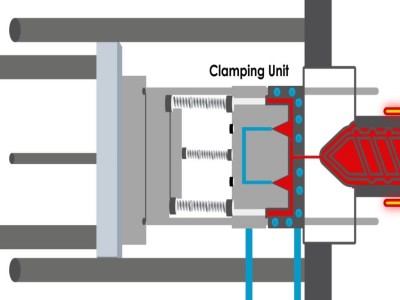
The tonnage of an injection molding machine refers to the clamping force that the machine applies to the mold during the injection process to ensure that the mold remains closed under high pressure. Tonnage is usually measured in tons and is an important parameter for measuring the machine’s clamping capacity.
Injection molding machin tonnage is a key parameter that determines the quality of injection molded parts and production efficiency. In actual use, we can reasonably calculate and select the tonnage to effectively avoid various problems in production and improve product quality and production efficiency.
The application of calculating the Injection Molding Machine Tonnage is a critical step in ensuring optimal performance, cost-efficiency, and product quality.
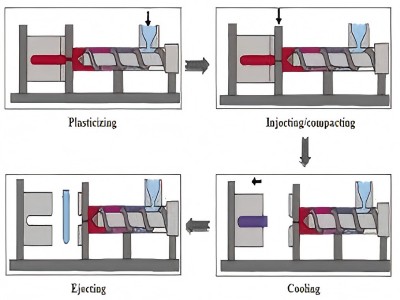
Necessity of calculating the tonnage of injection molding machines
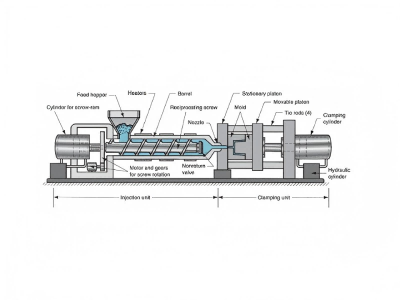
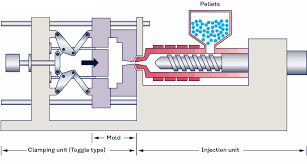
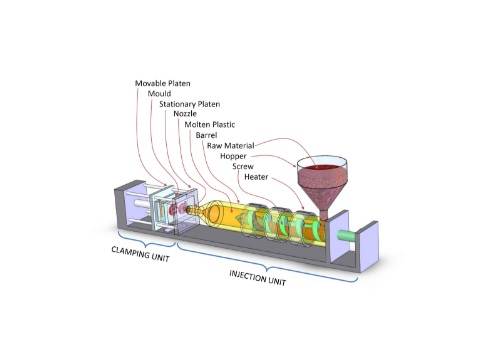
To fully understand the significance of this tonnage parameter, we need to look at it from the design to the practical application of the injection molding machine.
Below is a structured explanation of the process and its importance:
- Purpose of Tonnage Calculation
- Key Factors Influencing Tonnage
- Calculation Formula
- Step-by-Step Application
- Machine Selection Criteria
- Practical Applications
- Common Pitfalls & Solutions
- Advanced Considerations
- Example Tonnage Table
Purpose of Tonnage Calculation
- Clamping Force Requirement: Determines the force needed to keep the mold closed during injection, preventing material leakage (flash) and ensuring part integrity.
- Machine Selection: Guides the choice of an appropriately sized machine, balancing cost and capability.
Key Factors Influencing Tonnage
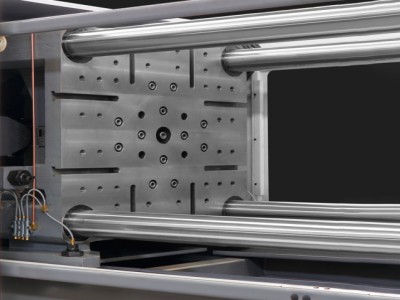
- Projected Area: The surface area of the part(s) in the mold cavity, measured in the direction of clamping (in² or cm²).
- Injection Pressure: Material-specific pressure required to fill the mold (varies by resin type, e.g., 4,000–20,000 psi or 28–138 MPa).
- Material Flow Characteristics: High-viscosity materials (e.g., PC, PEEK) require higher pressure.
- Mold Complexity: Multi-cavity molds or intricate designs increase total force.
- Safety Margin: Typically 10–20% to account for process variability.
Calculation Formula
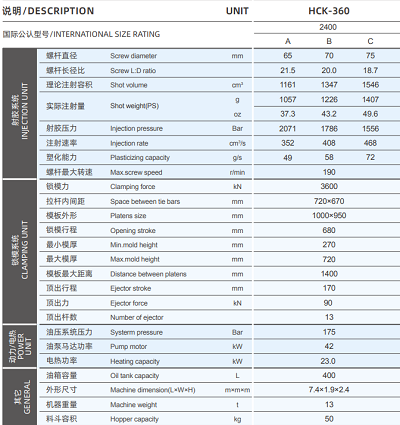
Clamping Force (tons)=Projected Area (in²)×Injection Pressure (psi)2000×Safety Factor (1.1–1.2)Metric Units:
Clamping Force (tons)=Projected Area (cm²)×Injection Pressure (MPa)×10.29806.65×Safety Factor
Step-by-Step Application
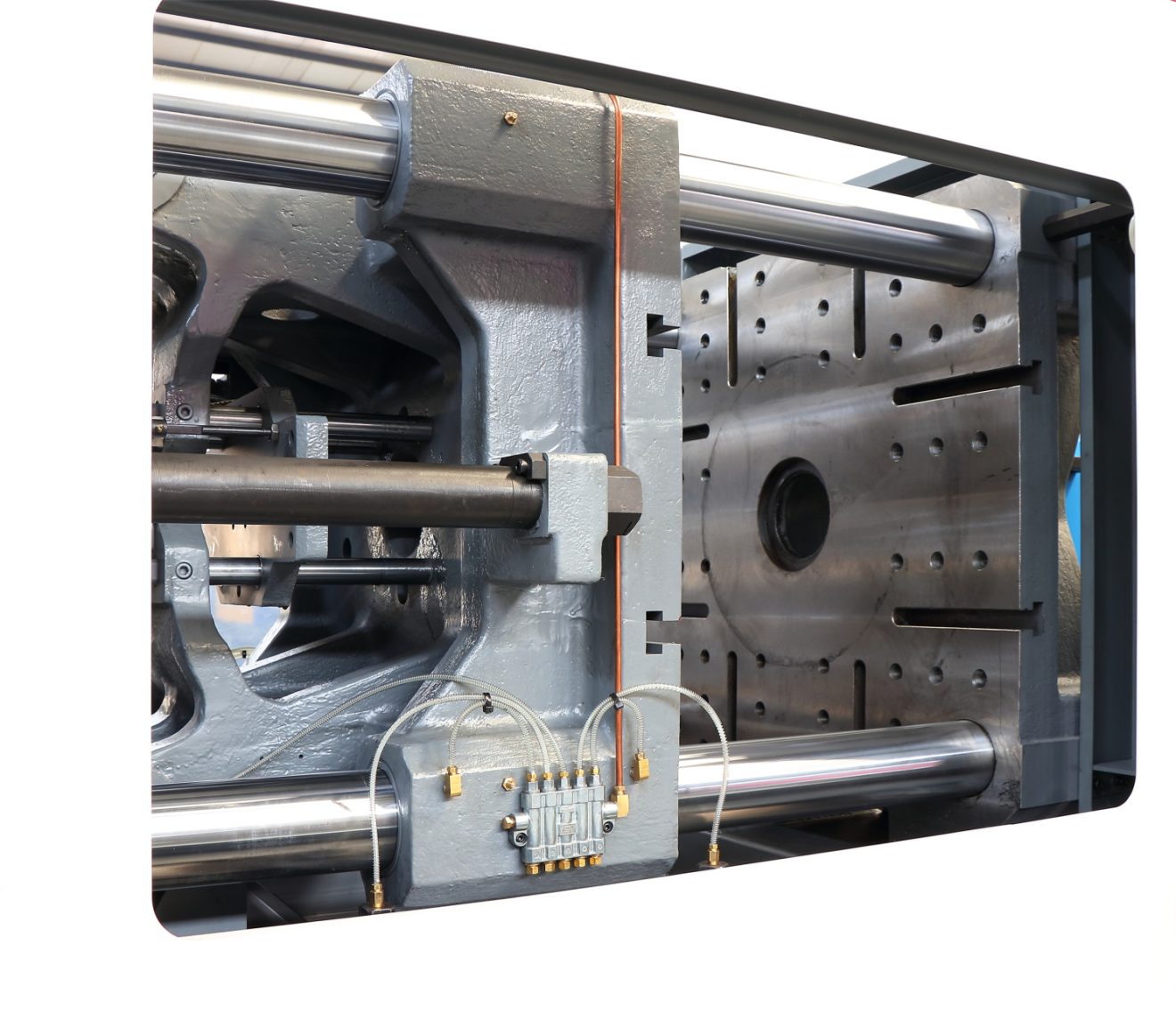
- Determine Projected Area:
- For single-cavity molds: Area = length × width of the part.
- For multi-cavity molds: Sum the projected areas of all cavities.
- Select Injection Pressure:
- Refer to material data sheets (e.g., ABS: 4,000–6,000 psi; PC: 8,000–12,000 psi).
- Calculate Clamping Force:
- Example: A part with 50 in² area using ABS (5,000 psi):Clamping Force=50×50002000×1.2=150 tons
- Validate with Industry Guidelines:
- General rule of thumb: 2–5 tons/in² (e.g., 2 tons/in² for easy-flow PE; 4 tons/in² for rigid PC).
Machine Selection Criteria
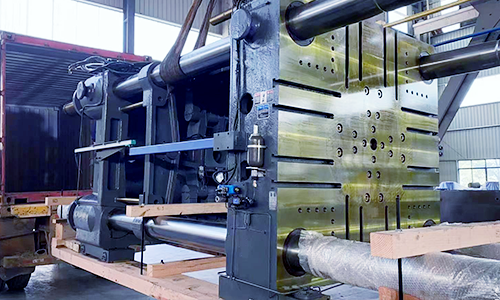
- Clamping Force: Must exceed calculated tonnage.
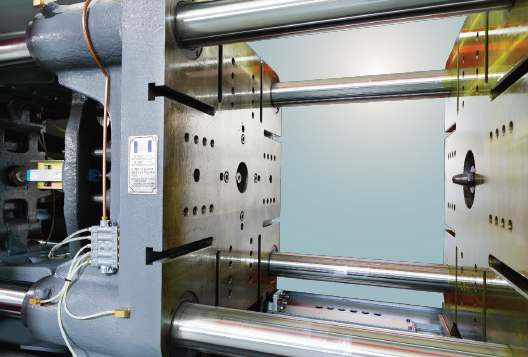
- Platen Size: Accommodates mold dimensions.
- Tie-Bar Spacing: Fits mold width/height.
- Shot Capacity: Sufficient to fill the mold.
Practical Applications
- Automotive: High-tonnage machines (1,000+ tons) for large parts like bumpers.
- Electronics: Precision molds for small parts (e.g., connectors) using 50–200 tons.
- Packaging: Multi-cavity molds for thin-walled containers (200–500 tons).
Common Pitfalls & Solutions
| Issue | Solution |
|---|---|
| Flash Defects | Increase clamping force or reduce injection pressure. |
| Overly Expensive Machine | Use precise calculations to avoid oversizing. |
| Material Short Shots | Verify injection pressure aligns with resin viscosity. |
Advanced Considerations
- Moldflow Simulation: Software tools predict pressure distribution and optimize tonnage.
- Energy Efficiency: Electric machines reduce energy use by 30–60% vs. hydraulic.
Example Tonnage Table
| Material | Injection Pressure (psi) | Tonnage per in² |
|---|---|---|
| Polyethylene (PE) | 3,000–4,000 | 1.5–2.5 tons |
| Polycarbonate (PC) | 8,000–12,000 | 4–6 tons |
| Nylon (PA66) | 6,000–8,000 | 3–4 tons |
Accurate tonnage calculation ensures:
- Quality: Prevents defects like flash or short shots.
- Cost Savings: Avoids overinvestment in oversized machines.
- Efficiency: Optimizes cycle times and energy use.
By integrating material data, mold design, and machine specifications, manufacturers achieve reliable, high-quality production while minimizing operational costs.
Calculating the injection molding machine capacity involves evaluating several key parameters to ensure the machine can handle the specific requirements of your production process. Below is a detailed guide to help you determine the appropriate machine capacity:
- Key Parameters for Machine Capacity
- Step-by-Step Calculation
- Machine Selection Criteria
- Practical Example
- Advanced Considerations
- Common Pitfalls
Key Parameters for Machine Capacity
- Clamping Force (Tonnage):
- Required to keep the mold closed during injection.
- Calculated based on the projected area of the part and the injection pressure.
- Shot Size (Injection Volume):
- The volume of material the machine can inject in one cycle.
- Must accommodate the total volume of the part(s) and runner system.
- Plasticizing Capacity:
- The amount of material the machine can melt and prepare per hour.
- Ensures consistent material flow for high-volume production.
- Mold Size and Tie-Bar Spacing:
- The machine must physically accommodate the mold dimensions.
- Injection Pressure:
- The pressure required to fill the mold cavity, depending on material viscosity and part geometry.
Step-by-Step Calculation
Step 1: Calculate Clamping Force
Clamping Force (tons)=Projected Area (in²)×Injection Pressure (psi)2000×Safety Factor (1.1–1.2)
- Projected Area: Surface area of the part(s) in the mold cavity, measured in the direction of clamping.
- Injection Pressure: Material-specific (e.g., 4,000–20,000 psi).
Example:
- Part area = 50 in²
- Injection pressure = 5,000 psi (ABS)
- Safety factor = 1.2
Clamping Force=50×50002000×1.2=150 tons
Step 2: Determine Shot Size
Shot Size (oz or cm³)=Part Volume+Runner Volume
- Part Volume: Calculate based on part dimensions and material density.
- Runner Volume: Estimate based on mold design.
Example:
- Part volume = 3 oz
- Runner volume = 1 oz
Shot Size=3+1=4 oz
Step 3: Check Plasticizing Capacity
Plasticizing Capacity (lb/hr)=Shot Size (oz)×Cycles per Hour×116
- Cycles per Hour: Based on cycle time (e.g., 30-second cycle = 120 cycles/hour).
Example:
- Shot size = 4 oz
- Cycles/hour = 120
Plasticizing Capacity=4×120×116=30 lb/hr
Step 4: Verify Mold Dimensions
- Ensure the machine’s platen size and tie-bar spacing can accommodate the mold.
- Example: A mold measuring 24″ x 24″ requires a machine with at least 24″ x 24″ platen size and tie-bar spacing.
Step 5: Confirm Injection Pressure
- Check the machine’s maximum injection pressure (e.g., 20,000 psi) against the material requirement (e.g., 5,000 psi for ABS).
Machine Selection Criteria
| Parameter | Consideration |
|---|---|
| Clamping Force | Must exceed calculated tonnage. |
| Shot Size | Must accommodate part + runner volume. |
| Plasticizing Capacity | Must meet or exceed required material throughput. |
| Mold Dimensions | Platen size and tie-bar spacing must fit the mold. |
| Injection Pressure | Machine pressure must meet material requirements. |
Practical Example
Part Details:
- Material: ABS
- Part volume: 3 oz
- Runner volume: 1 oz
- Projected area: 50 in²
- Injection pressure: 5,000 psi
- Cycle time: 30 seconds
Calculations:
- Clamping Force: 150 tons
- Shot Size: 4 oz
- Plasticizing Capacity: 30 lb/hr
- Mold Dimensions: 24″ x 24″
Machine Selection:
- Clamping force: ≥150 tons
- Shot size: ≥4 oz
- Plasticizing capacity: ≥30 lb/hr
- Platen size: ≥24″ x 24″
Advanced Considerations
- Moldflow Simulation: Predicts pressure distribution and optimizes machine selection.
- Energy Efficiency: Electric machines save 30–60% energy vs. hydraulic.
- Multi-Material Molding: Machines with dual injection units for overmolding or co-injection.
Common Pitfalls
| Issue | Solution |
|---|---|
| Flash Defects | Increase clamping force or reduce injection pressure. |
| Short Shots | Verify shot size and plasticizing capacity. |
| Mold Misalignment | Ensure platen size and tie-bar spacing match mold dimensions. |
By following these steps, you can accurately calculate the required machine capacity and select an injection molding machine that meets your production needs while minimizing costs and maximizing efficiency.
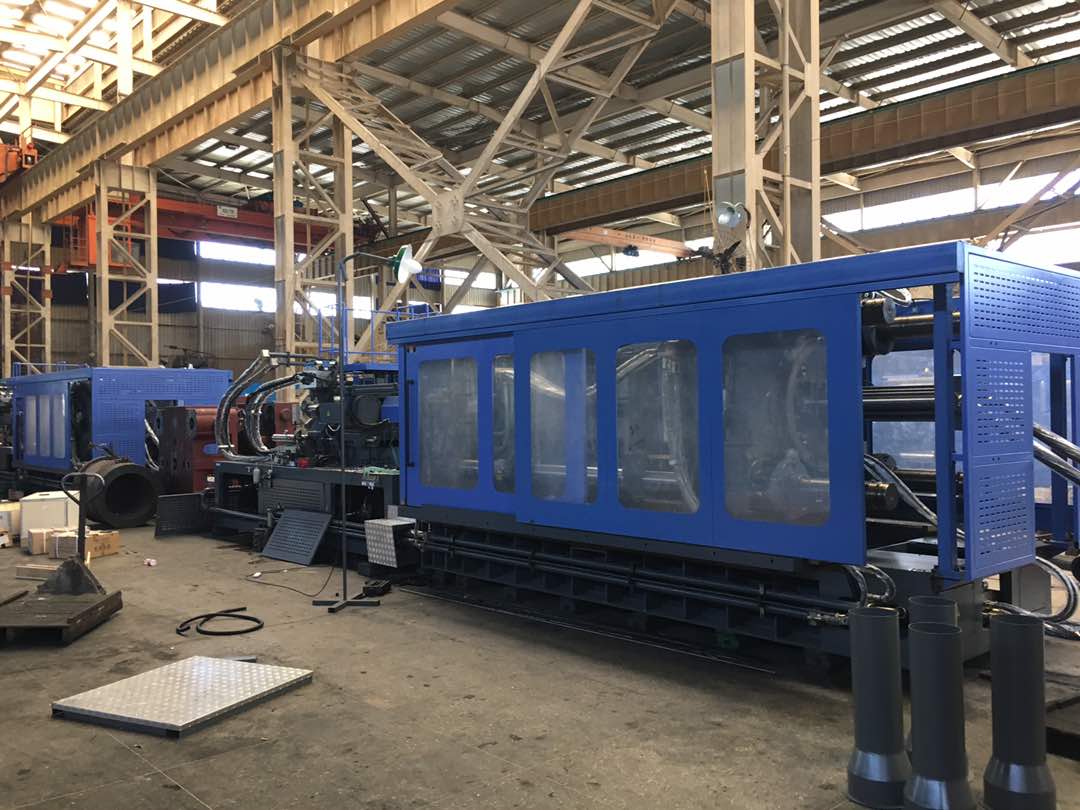
As an injection molding machine manufacturer, Haichen Machine’s product tonnage range clearly covers 30 tons to 3000 tons.
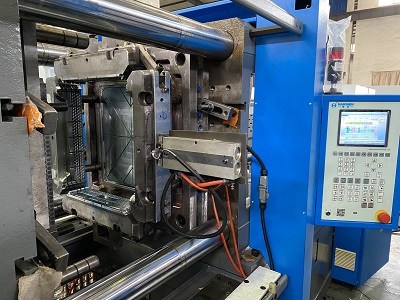
Specific information is as follows:
- Tonnage range of Haichen injection molding machines
- Definition and calculation basis of tonnage
- Comparison with other brands
- Application scenarios and technical support
Tonnage range of Haichen injection molding machines
Haichen Machine offers injection molding machines from 30 tons to 3000 tons and maintains more than 100 units in stock to support fast delivery.
This range covers small to very large injection molding needs, such as the production of small precision parts (such as electronic components) to large industrial parts (such as automotive structural parts).
Definition and calculation basis of tonnage
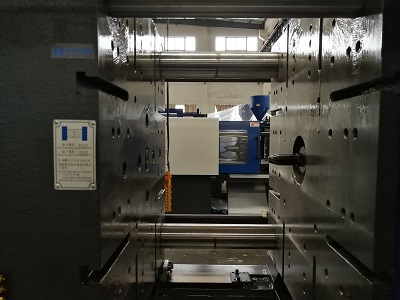
Tonnage (clamping force) is the core parameter of the injection molding machine, which indicates the maximum pressure of the machine to keep the mold closed during the injection molding process.
For example, if the projected area of the part is 20 square inches, the injection pressure is 20,000 psi, and the safety factor is 3, the required tonnage is about 67 tons.
Haichen’s 3000-ton model is suitable for complex parts with extremely large projected areas or high material viscosity (such as thick-walled containers or engineering plastic parts).
Comparison with other brands

Other brands’ injection molding machines usually have a tonnage range of 50 tons to 4,000 tons, while Haichen’s 3,000-ton upper limit is at a relatively high level in the industry, demonstrating its competitiveness in the field of large-scale equipment manufacturing.
For example, a certain model of Haitian’s injection molding machine has a maximum tonnage of 800 tons, while Haichen’s product line obviously covers a wider range of tonnage requirements.
Application scenarios and technical support
Haichen’s injection molding machine supports high-precision servo systems, intelligent PLC control and visual production, and is suitable for demanding industries (such as medical equipment and optical components).
Its 3,000-ton model may be used to produce large plastic pallets, car bumpers or home appliance housings, etc.
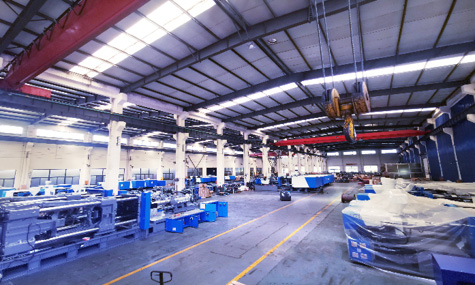
Haichen’s injection molding machine has a tonnage range of 30 tons to 3,000 tons, which can meet the diverse production needs from micro parts to super-large industrial products, and improve efficiency through automation and energy-saving design.
You are welcome to email us at any time for more technical information about injection molding machines.