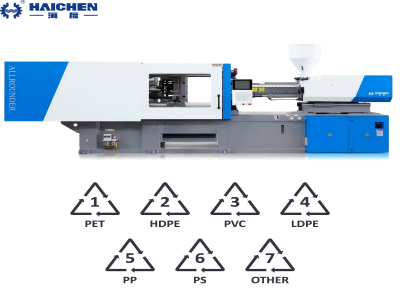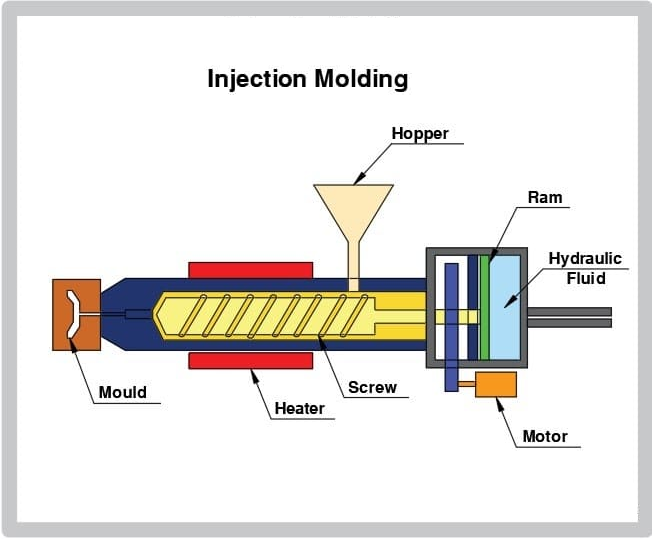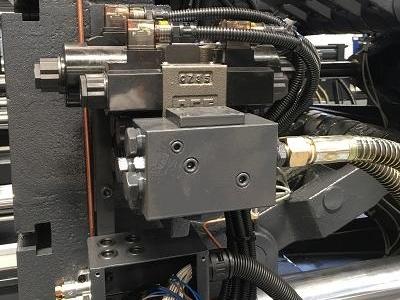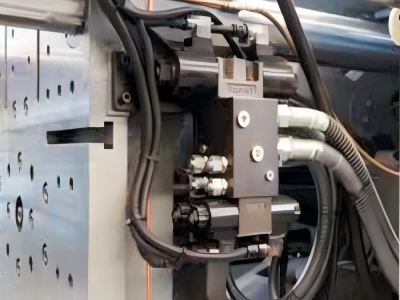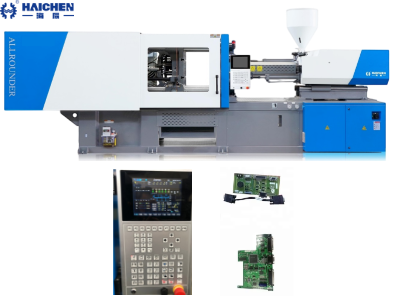
Application of Injection molding process includes automotive industry, medical devices, household appliances and so on.
Injection Molding is a manufacturing technology widely used in industrial production. Its main feature is to inject molten material into the mold cavity and form parts of the desired shape after cooling. This process has been widely used in many industries due to its advantages such as high efficiency, precision and cost-effectiveness.
This injection molding process has demonstrated its unique advantages in many fields, from automobiles, medical treatment to consumer electronics, all of which are important application areas. With the continuous development of technology, injection molding technology will continue to play an important role in the manufacturing industry.
Injection Molding is a manufacturing method widely use in industrial production. It mainly uses to produce parts made of materials such as plastics, metals, glass and rubber. The following is a detailed description of the application areas and characteristics of this process:
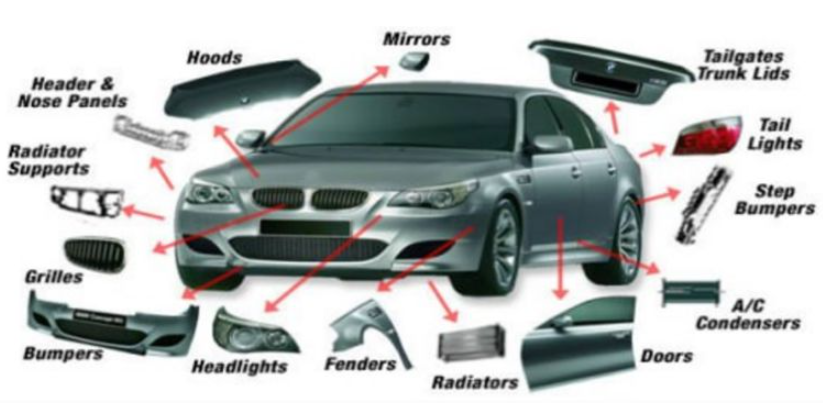
Application of injection molding process: Automotive industry
The injection molding process widely use in the automotive industry. Its main advantage is that it can produce automotive parts with complex shapes, light weight and low cost.
- Production of high-quality automotive parts
- Application of lightweight materials
- Mold design and optimization
Production of high-quality automotive parts
Injection molding has become a key technology for manufacturing various complex shapes and high-precision parts in the automotive industry due to its advantages such as high efficiency, high precision and strong adaptability. For example, instrument panels, bumpers, interior panels, door panels, roof panels and other parts can be produced by injection molding.
Application of lightweight materials
In automobile manufacturing, reducing weight is an important way to improve fuel efficiency. Injection molding technology combined with the application of lightweight materials (such as aluminum alloy and glass fiber reinforced plastic) can effectively reduce the weight of automobile parts. For example, by adding aluminum sheets during the injection molding process, it is possible to manufacture automobile parts that are both lightweight and durable while maintaining good durability and reliability.
Application of Injection molding process of Mold design and optimization
In order to improve production efficiency and reduce costs, mold design and optimization are key. Modern automotive injection molds usually adopt single-cavity mold design to simplify the structure and improve production efficiency. At the same time, by using CAE (Computer Aided Engineering) technology, it can optimize the cooling and exhaust systems.Thereby improving mold life and product quality.
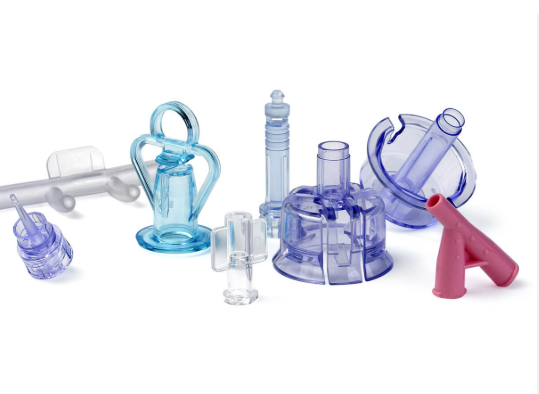
Medical devices of application of injection molding process
The injection molding process has a wide range of applications in the field of medical devices, from low-cost prototyping to large-scale production, and can achieve efficient and high-quality manufacturing through technological innovation and process optimization.
They use to manufacture medical devices and equipment, such as surgical instruments, diagnostic equipment, and medical consumables.
Rapid and low-cost prototyping
Traditional injection molding processes often use to manufacture medical devices made of biocompatible materials (such as silicone). But their high cost limits their use in low-cost rapid prototyping. To address this problem, researchers have developed a low-cost liquid elastomer injection molding method based on 3D printed molds and improved dryers, which significantly reduces the cost of device prototyping while improving efficiency.
Mold optimization and simulation
By using simulation software such as Moldflow, the design of injection molds can optimize to solve defects that may occur during the molding process. Such as cavitation and weld marks, thereby improving the quality and production efficiency of medical devices.
Application of Injection molding process: Injection compression molding
Injection compression molding technology is used to manufacture medical devices with complex structures, such as medical bladders. By optimizing mold design and injection parameters, the top deformation problem of molded parts can be effectively improved, and the quality and consistency of products can be improved.
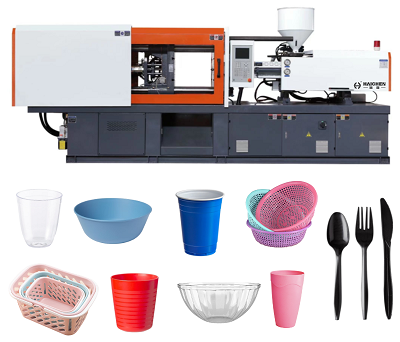
Household appliances of Application of Injection molding process
Injection molding technology is widely used in the field of home appliances, including the manufacture of various plastic shells and internal components. For example, refrigerators, washing machines, air conditioners, ovens, microwave ovens and other home appliances all use injection molding technology to manufacture shells and some functional parts.
Production efficiency and cost-effectiveness
Injection molding is an efficient and cost-effective manufacturing technology suitable for large-scale production. By using injection molds, a large number of consistent plastic parts can be produced quickly, which not only improves production efficiency but also significantly reduces production costs. In addition, injection molding also supports small-batch production, which is particularly important for home appliance manufacturers who need to quickly iterate designs.
In addition, injection molding can also be used to produce the external structure of kitchen appliances (such as rice cookers and blenders), as well as the internal details of some small home appliances. By using injection molding technology, manufacturers can produce durable and beautiful home appliances while achieving lightweight and energy-saving design.
Material selection and performance
Injection molding technology allows the use of a variety of high-performance plastic materials, such as ABS, PC, PVC, etc. These materials have good chemical resistance, heat resistance and electrical insulation, and can meet the safety and performance requirements of home appliance products. For example, ABS material widely use in the production of home appliance housings. Due to its excellent chemical corrosion resistance and electrical insulation properties.
Complex Shapes and High Precision
Injection molding technology can produce complex-shaped parts, such as appliance housings with fine patterns, textures, and details. This high-precision manufacturing capability enables manufacturers to produce home appliances with unique appearance and high functionality, thus standing out in the market.
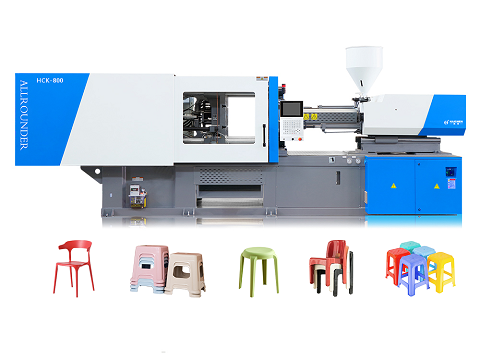
Application of injection molding process development in other industries
Toy industry
Injection molding process in toy industry can use to produce various plastic toys.
Aerospace
In aerospace industry, it can use to produce lightweight, high-strength composite parts.
Electronics industry
In this industry, plastic injection molding use to produce mobile phone cases, computer accessories and other small electronic components.
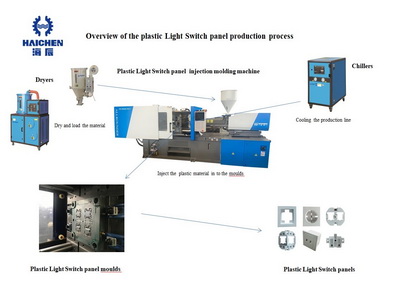
The injection molding process offers significant advantages:
- High productivity: Ability to quickly produce large quantities of high-quality parts.
- Cost-effectiveness: Suitable for large-scale production with low unit costs.
- Product consistency: Ability to produce parts with precise dimensions and high repeatability.
- Material diversity: A wide range of materials can be used, including thermoplastics, thermosets, metals and composites.
- Complex shape processing capabilities: Ability to produce parts with complex geometries and details.
Above all, the injection molding process is widely used in many industries due to its high efficiency, economy and flexibility. Despite some challenges, the process will continue to play an important role in the future through technological innovation and process optimization.