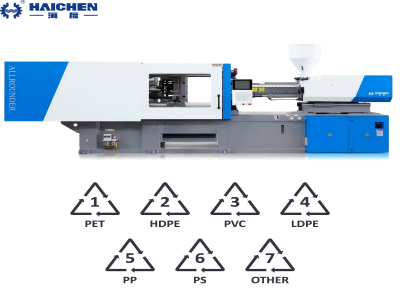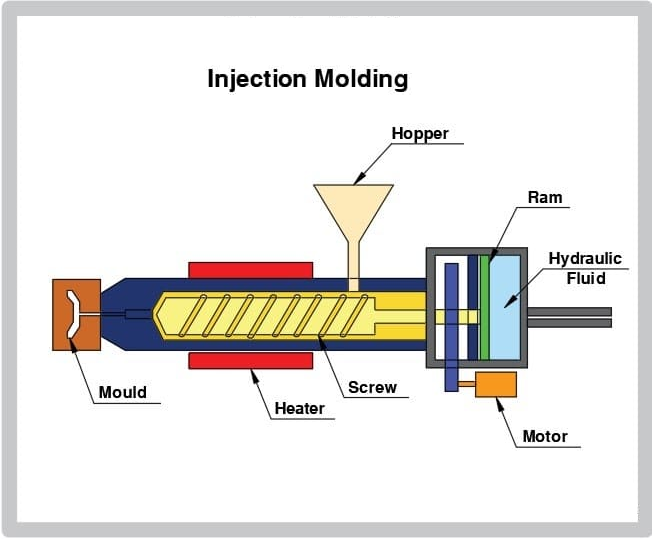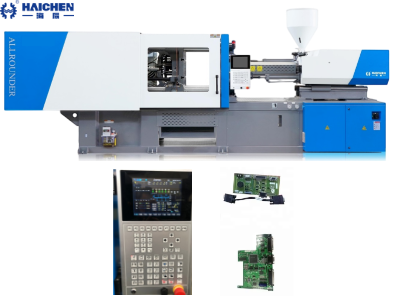
The development of the injection molding process is an innovation in modern industrial technology.The history of plastic injection molding began in 1868 when inventor John W. Hyatt patented a process for making celluloid. Celluloid was originally intended to replace ivory used in billiard balls. In 1872, Hyatt and his brother Isaiah patented the first injection molding machine, which used a simple plunger mechanism to push celluloid into a heated cylinder and eventually into a mold.
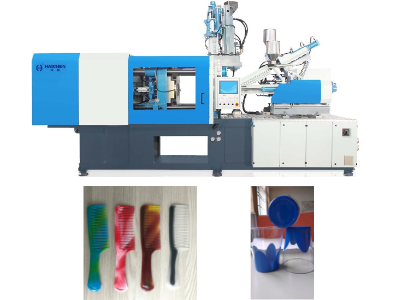
The device helped to fuel a boom in manufacturing, with celluloid products being used to produce buttons, combs, collar stays, and other items.
Haichen injection molding machines are deeply involved in this process.
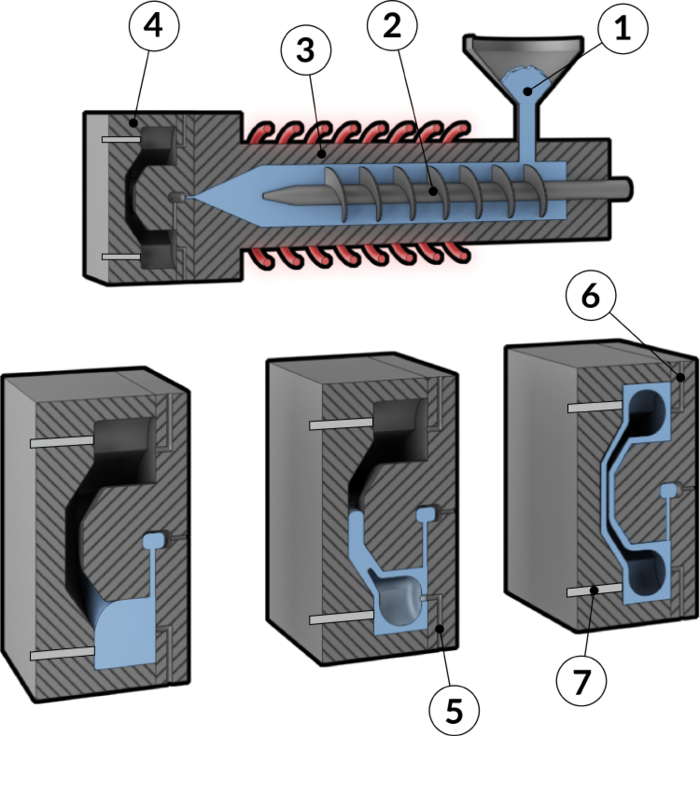
Development of global injection molding technology
The development of injection molding process can be divided into several key stages:
- Early development and industrial application (mid-to-late 20th century)
- Process refinement and material innovation (early 21st century)
- Advanced technology expansion (after the 2010s)
- Intelligence and sustainable development (recent trends)
Early development and industrial application (mid-to-late 20th century)
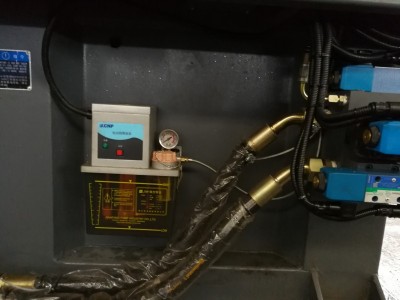
In the 1990s, injection molding technology was widely used in industry, focusing on equipment strengthening and process automation to improve efficiency and precision.
At this time, the technology has supported large-scale production, and mold design has become mature, suitable for industries such as automobiles and electronics.
Process refinement and material innovation (early 21st century)
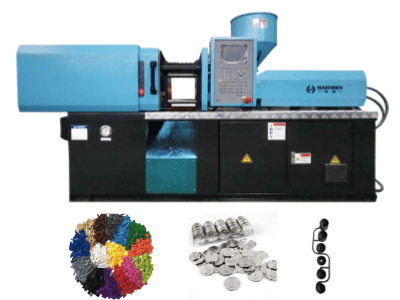
The process is gradually refined and clearly divided into plasticization, injection, cooling and demolding stages, among which the cooling time accounts for as much as 50%-80%, becoming the focus of energy efficiency optimization.
At the same time, the progress of polymer materials has expanded the application scenarios, such as the introduction of bio-based materials and composite materials.
Advanced technology expansion (after the 2010s)
A variety of innovative technologies have been developed, such as water-assisted/gas-assisted injection molding, microporous injection molding, ultrasonic-assisted plasticization, etc., to further improve molding accuracy and material adaptability.
Pressure control and multi-objective optimization (such as genetic algorithms) are also used to optimize the filling and cooling processes.
Intelligence and sustainable development (recent trends)
Introduce intelligent methods such as digital twins and deep learning to optimize process parameters.
While paying attention to ecological impacts and promoting low-energy technologies such as rapid thermal cycles and micro-injection molding.
Energy efficiency improvement in the cooling stage remains a core research direction.
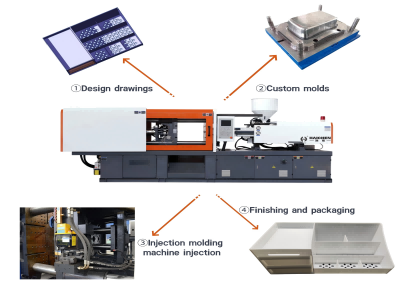
This process reflects the development path from mechanization to automation and intelligence, and from single materials to diversification and sustainability.
The development of injection molding process technology in China
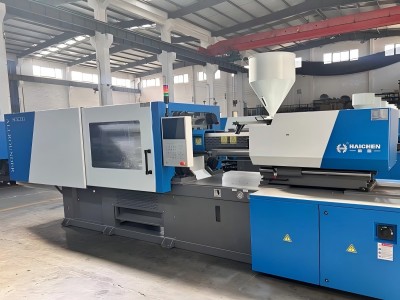
The development of injection molding technology in China has gone through multiple stages from inception to maturity and then to innovation.
Its development process is closely related to China’s economic, industrial and technological levels.
The following is a detailed analysis of the development of injection molding technology in China:
- The development history of injection molding technology in China
- Application fields of injection molding technology in China
- Market size and development trend
- Challenges and opportunities
The development history of injection molding technology in China
Early development and technology introduction
Injection molding technology originated in the early 20th century, but its popularization and development in China were relatively late.
After the 1950s, with the application of screw injection structure and computer control technology, injection molding equipment gradually matured.
China began to introduce injection molding technology in the 1980s and gradually developed localized production capabilities.
Technological breakthroughs and innovations
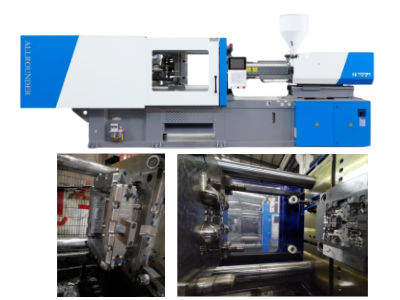
In recent years, China has made significant progress in injection molding technology.
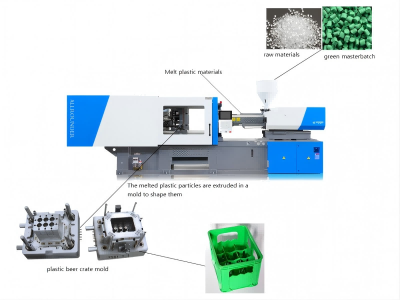
Using gas-assisted injection molding machine. This technological breakthrough has improved the precision and quality of the product.
Changsha Zijiang Technology Co., Ltd. obtained a patent for the injection molding process, further consolidating China’s technological advantages in this field.
High-end and intelligent development
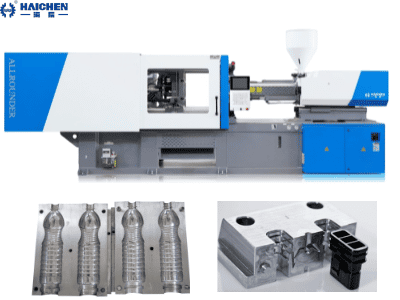
With the introduction of automation and intelligent technology, China’s injection molding industry has gradually developed towards high precision, multi-function and intelligence.
For example, all-electric injection molding machines are favored by the market for their cleanliness and low noise.
At the same time, the application of digitalization and intelligent manufacturing technology has also promoted the upgrading of injection molding equipment.
Application fields of injection molding technology in China
Widely used in multiple industries
Injection molding technology has been widely used in automobiles, home appliances, electronic appliances, medical devices, toys, packaging and other fields.
>For example, 80% of engineering plastic products are manufactured through injection molding.
>In addition, with the rapid development of new energy vehicles and consumer electronics markets, the demand for high-performance injection molded parts is also increasing.
Application of innovative materials and processes
With the introduction of new materials (such as biodegradable plastics) and new processes (such as micro-foaming and gas-assisted injection molding).
China’s injection molding technology has made breakthroughs in environmental protection and functionality.
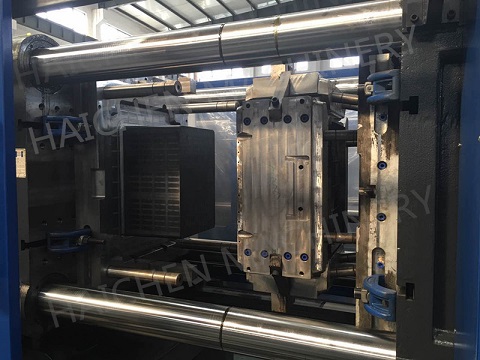
With our gas-assisted injection molding technology is widely used in the production of automotive interiors and home appliance shells.
Market size and development trend
Market size continues to grow
According to the data of China Economic Industry Research Institute, the market size of China’s injection molding machine was RMB 26.2 billion in 2021 and is going to reach RMB 141.4 billion by 2028.
>This growth is mainly due to the increase in domestic demand for high-quality plastic products and the efficiency improvement brought about by technological upgrading.
High-end and improved international competitiveness
Although China’s injection molding machine industry occupies an important position in the global market, there is still a certain gap compared with the international advanced level.
For example, precision injection molding machines produced in Germany and Japan dominate the high-end market.
However, with the continuous breakthrough of technology and the advancement of domestic substitution.
China’s injection molding machine industry is gradually narrowing this gap.
Future development direction
In the future, China’s injection molding process technology will continue to develop in the direction of intelligence, greening and multi-functionality.
>For example, joint simulation technology and online detection technology will be used to optimize the deformation problem of plastic parts.
>At the same time, new equipment such as all-electric injection molding machines and multi-component injection molding machines will meet the production needs of more complex products.
Challenges and opportunities
Challenges
Although China’s injection molding progress technology has made significant progress, it still faces some challenges:
Insufficient technical content: Some high-end injection molding machines rely on imports, and the technical level is still behind the international advanced level.
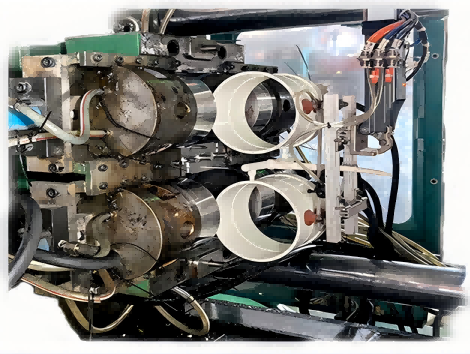
>Cost pressure: The cost of mold design and manufacturing is high, especially in the production of complex parts.
>Environmental protection requirements: With the strengthening of environmental protection regulations, the injection molding industry needs to further optimize energy use and reduce pollution.
Opportunities
Strong domestic market demand: With the rapid development of the domestic consumer electronics, automobile and home appliance markets, the demand for high-performance injection molded parts continues to increase.
Policy support
The Chinese government’s support policies for the manufacturing industry have provided a good environment for the development of injection molding technology.
Technological innovation
Through independent research and development and international cooperation.
China’s injection molding technology is gradually realizing the transformation from following to leading.
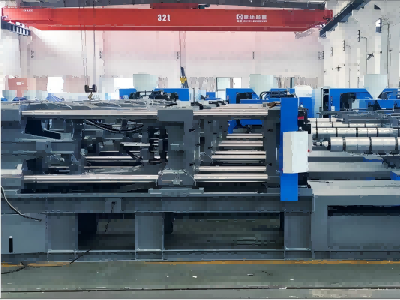
The development of injection molding technology in China has gone through a process from introduction to independent innovation.
And has gradually formed a technical system characterized by high efficiency, intelligence and multifunctionality.
Despite certain challenges, driven by policy support, market demand and technological breakthroughs.
China’s injection molding industry is expected to continue to maintain rapid growth in the future and occupy a more important position in the global market.
Welcome to contact us for more information about injection molding machines in the South American market, especially in Mexico.