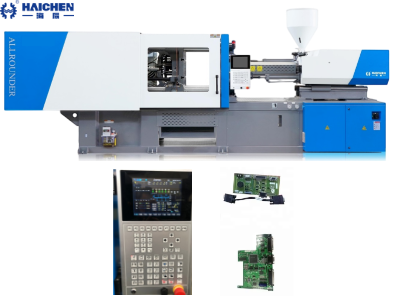
ABS (Acrylonitrile Butadiene Styrene Copolymer) is extremely widely used in the injection molding process of plastic product parts in various industries.
It is widely used across a wide range of industries and product types due to its excellent mechanical properties, processability and cost-effectiveness.
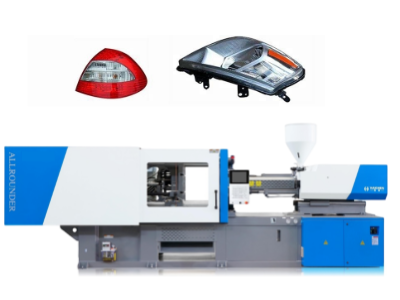
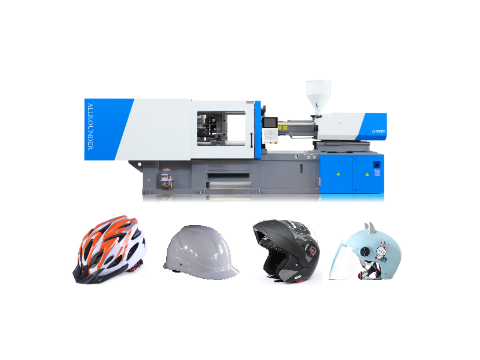
ABS injection moulding is a common manufacturing process that involves injecting molten plastic into a mould cavity under high pressure and high temperature. This technology is widely used in the automotive, consumer goods and construction industries to produce various components and products.
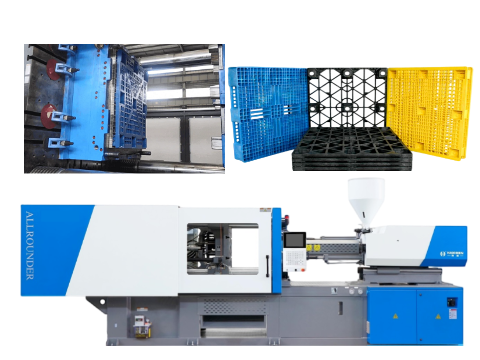
Common injection molding applications of ABS
The following are the main application areas of ABS injection molding and their characteristics:
- Automotive industry
- Household appliances
- Electronics industry
- Toy Manufacturing
- Medical equipment
- Construction and plumbing
- Other applications
Automotive industry
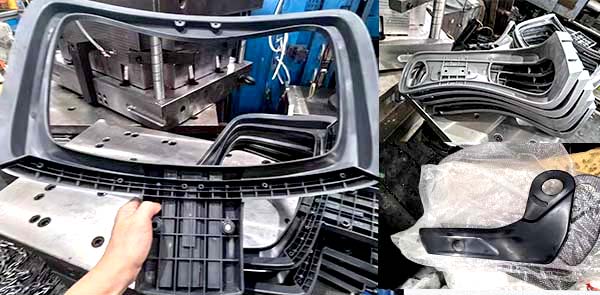
ABS is widely used in the automotive industry to manufacture lightweight components to reduce vehicle weight and improve fuel efficiency.
These components include:
Interior parts: such as instrument panels, door handles, trim strips, etc.
Exterior components: e.g. bumpers, roof spoilers, door pillars, etc.
Safety-related parts: e.g. seat belt buckles, seat adjusters, etc.
The high impact resistance and durability of ABS materials make them ideal for manufacturing these parts.
Household appliances
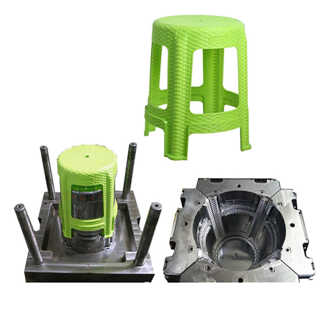
ABS injection molding is also widely used in the household appliance industry, mainly for the production of structural components and housings.
Example:
Kitchen appliances: such as rice cookers, microwave ovens, ovens, etc.
Cleaning equipment: such as hoovers, washing machines, etc.
The chemical resistance and impact resistance of ABS materials enable them to withstand the wear and tear and impact of daily use.
Electronics industry
ABS injection molding is used in the electronics industry to manufacture housings and accessories for a variety of electronic devices.
Including:
Computer and communication equipment: such as keyboards, mice, telephones, etc.
Electrical equipment: such as sockets, switch panels and so on.
The insulating properties and anti-static properties of ABS materials make them ideally suited for these applications.
Toy Manufacturing
ABS is ideal for toy manufacturing due to its good impact resistance and moulding properties.
It is commonly used in the production of:
Plastic building blocks: such as Lego blocks.
Sports equipment: e.g. rackets, clubs, etc.
The lightness and durability of ABS make it the material of choice for the toy industry.
Medical equipment
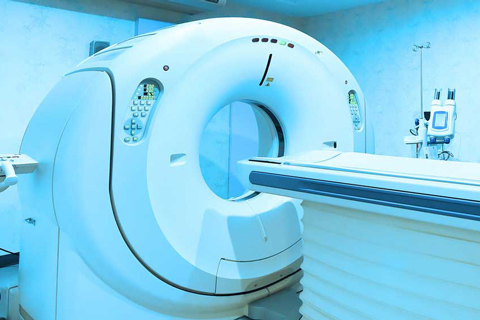
ABS injection molding also has important applications in the medical field for the manufacture of housings for medical devices and equipment.
Example:
Syringes: The non-toxicity and biocompatibility of ABS materials make them suitable for medical use.
Surgical instruments: the high strength and impact resistance of ABS materials make them suitable for use in surgical environments.

Construction and plumbing
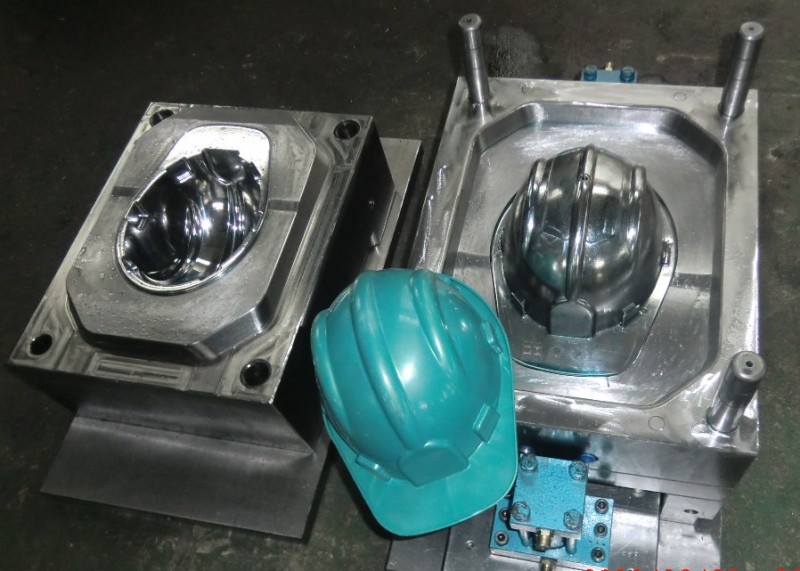
ABS injection moulding is used in the construction industry to manufacture pipes and fittings.
Example:
Drainage pipes: the chemical resistance and impact resistance of ABS materials make them suitable for use in underground piping.
Decorative building parts: e.g. window frames, door frames, etc.
Other applications
ABS injection molding is also widely used in other areas.
Including:
Sports equipment: such as bicycle frames, sports shoes, etc.
Packaging materials: such as food containers, boxes, etc.
Entertainment equipment: e.g. musical instrument shells, game console parts, etc.
ABS injection molding is widely used in several industries due to its excellent mechanical properties, processing performance and cost-effectiveness.
From automotive parts to household appliances, to electronic equipment and toys, ABS material meets the demand for high-performance plastic parts in different industries by virtue of its high impact resistance, chemical resistance and lightweight characteristics.
Why is ABS used in injection molding?
ABS (Acrylonitrile Butadiene Styrene Copolymer) is widely used in the injection moulding process due to its unique physical and chemical properties.
The following are the main reasons why ABS is widely used in injection molding:
- High impact resistance and toughness
- Good mechanical properties
- Excellent processing performance
- Chemical resistance
- Surface finish friendly
- Cost Effective
- Environmentally friendly properties
- Multifunctionality
High impact resistance and toughness:
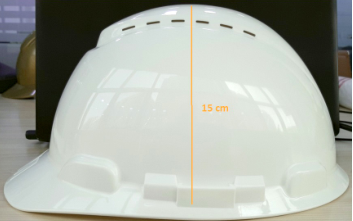
ABS has excellent impact resistance, making it an ideal material for manufacturing products that are subjected to mechanical stress or are prone to impact.
For example, automotive parts, electronic equipment housings and toys require this material to ensure durability and safety.
Good mechanical properties:
ABS has high strength, rigidity and good dimensional stability, which allows it to withstand complex geometries and high loads.
These properties make it suitable for applications that require high strength and stability, such as automotive interior parts and appliance housings.
Excellent processing performance:
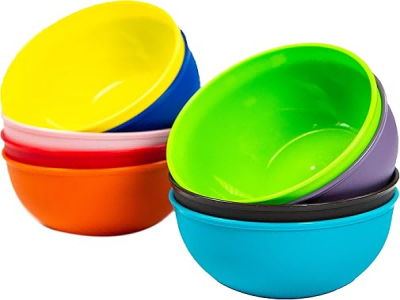
The low melting point and good fluidity of ABS make it easy to process, with short moulding cycles and low energy consumption.
This not only improves productivity, but also reduces overall costs.
Chemical resistance:
ABS has good resistance to a wide range of chemicals, including oils, acids, bases and solvents.
This makes it useful in industrial applications, such as in the manufacture of corrosion-resistant pipes and equipment.
Surface finish friendly:
ABS is easy to polish and coat, providing a smooth, attractive finish.
This makes it popular in applications that require a high-quality appearance, such as consumer electronics and furniture.
Cost Effective:
Compared to other high-performance plastics, ABS is less costly while offering good performance.
This makes it cost-effective for mass production.
Environmentally friendly properties:
ABS is recyclable and meets the requirements of sustainable development.
In addition, by adding specific additives, it is possible to improve its UV resistance or enhance its flame retardancy, further expanding its range of applications.
Multifunctionality:
The versatility of ABS allows it to be adapted to a wide variety of application scenarios.
From consumer products to industrial components to medical devices, etc., it covers almost all areas where durability and reliability are required.
ABS is widely used in injection molding due to its excellent mechanical properties, processability, chemical resistance and economy.
These properties make it an important and indispensable material in modern injection moulding manufacturing.
Advantages of ABS injection molding applications
ABS injection molding has a variety of advantages that make it a widely used process in modern manufacturing.
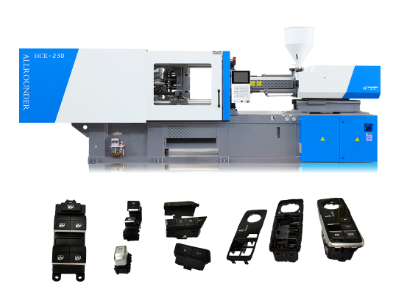
The following is a detailed analysis of its main advantages:
- Cost Effectiveness
- Versatility and Design Flexibility
- Durability and Impact Resistance
- Good machinability
- Dimensional stability and surface quality
- Chemical resistance and heat resistance
- Environmental protection and recyclability
- Wide range of applications
- High production efficiency
- Colour diversity and decorative
Cost Effectiveness
ABS material is relatively inexpensive and readily available.
This makes it an economical choice for mass production of plastic parts and products.
In addition, the high degree of automation of the ABS injection molding process allows for the rapid and consistent production of large quantities of parts.
This further reduces unit costs.
Versatility and Design Flexibility
ABS materials are easy to colour, texturise and mould into complex shapes.
It offers designers a wide range of design possibilities.
The material is capable of accommodating a wide range of complex geometries while maintaining high precision and consistency.
Durability and Impact Resistance
ABS materials are known for their excellent impact resistance and durability.
Ideal for application scenarios that require exposure to repetitive stress or impact.
For example, in areas such as automotive interior parts and appliance housings, ABS materials can provide sufficient strength and toughness.
Good machinability
ABS material has good machinability, can be easily moulded into complex designs.
And it is easy to carry out subsequent polishing and surface treatment.
Dimensional stability and surface quality
ABS material has good dimensional stability during the cooling and curing process, which ensures the dimensional accuracy and consistency of the final product.
Its surface is smooth and easy to paint or plating, which further improves the appearance quality of the products.
Chemical resistance and heat resistance
ABS material has a certain degree of chemical resistance and heat resistance.
It can resist the erosion of oil, acid, alkali and other chemicals to a certain extent.
In addition, the high melting point of ABS material enables it to maintain stable performance under high temperature environment.
Environmental protection and recyclability
ABS materials can be recycled, reducing waste of resources and in line with the concept of a circular economy.
Although its thermal degradation temperature is low, its service life can be effectively extended by improving the production process.
Wide range of applications
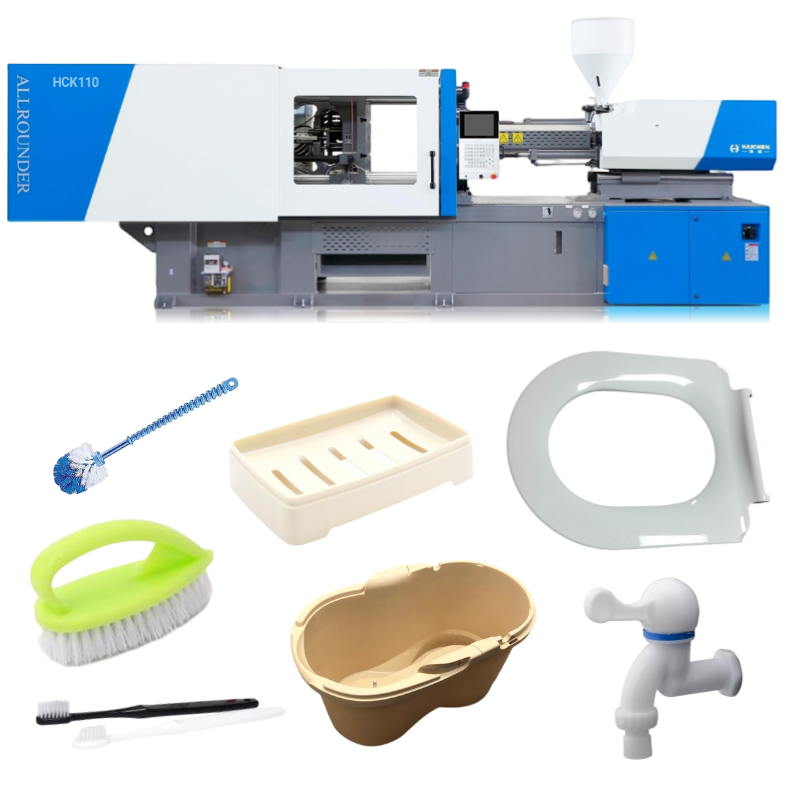
ABS injection moulding technology is widely used in many industries such as automotive, consumer electronics, toys, home appliances and furniture.
For example, in the automotive industry, ABS is used to manufacture components such as instrument panels and bumpers.
In the field of home appliances, it is used for TV housings, washing machine housings and so on.
High production efficiency
The ABS injection molding process is fast, suitable for high-volume production and can be automated.
This improves the overall production efficiency.
Colour diversity and decorative
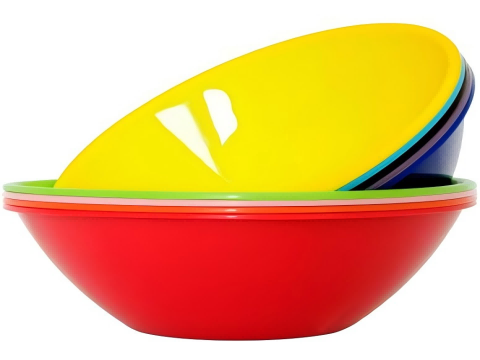
ABS material is easy to dye and colour, can produce a variety of colours to meet the needs of different consumers.
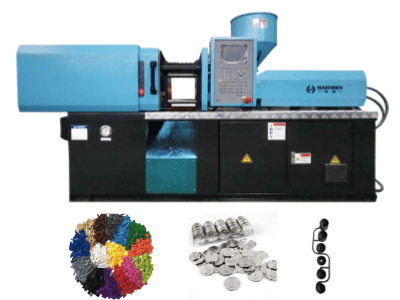
With its cost-effectiveness, versatility, durability, design flexibility and environmental friendliness, ABS injection moulding occupies an important position in modern manufacturing.
These advantages make ABS injection molding an efficient, economical and widely used manufacturing process.
What Is ABS Injection Molding?
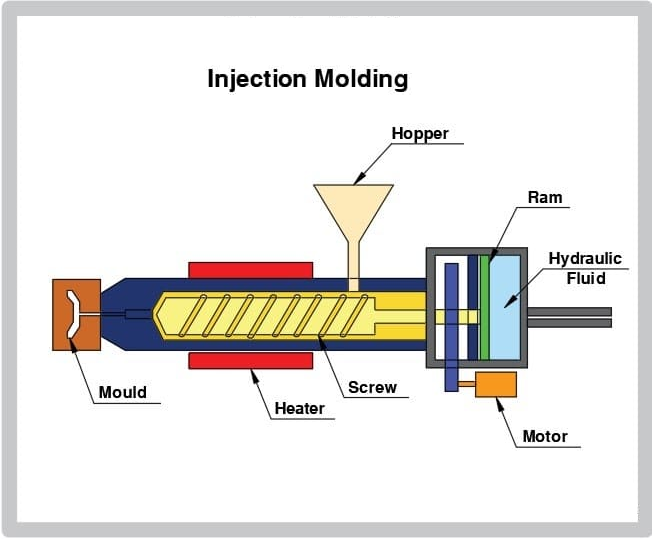
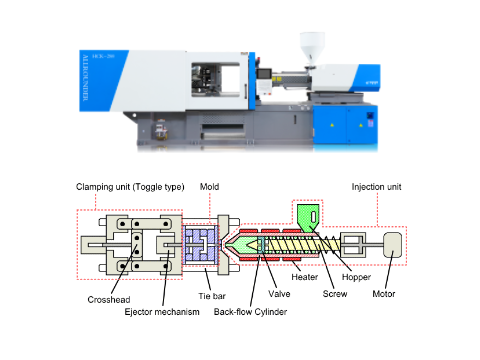
ABS injection molding is a manufacturing process in the injection moulding industry that uses abs resin to produce the desired shape of the plastic.
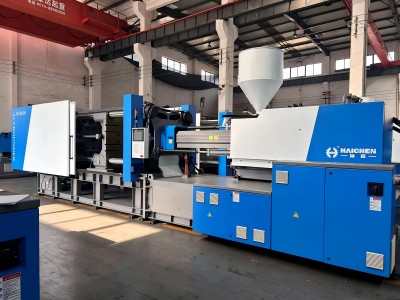
Firstly, Haichen designs and processes an injection mould according to the customer’s product requirements and installs it on the ABS injection moulding machine.
Next, abs plastic pellets are melted into a fluid in Haichen’s injection moulding machine, injected into the mould at a high pressure, and then cooled and cured, resulting in a moulded part that is the target ABS plastic product.
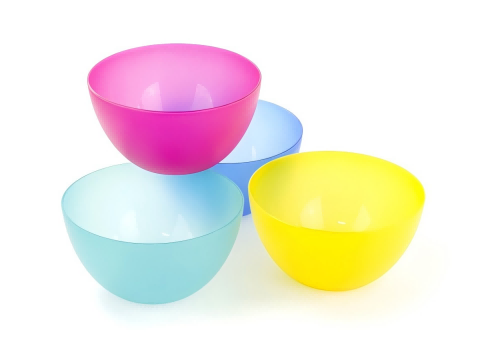
Moulding and forming of the abs material is a critical stage of the process, and Haichen is able to accurately create the moulds through detailed 3D simulation drawings.
The precise design and processing of the mould will affect the shape and precision of the product.
The injection, holding and cooling steps of material moulding determine the quality and performance of ABS products.
In this regard, Haichen has a full series of automatic control auxiliary machines to complete the quality control of ABS injection moulding process.
Feel free to contact us for more information.