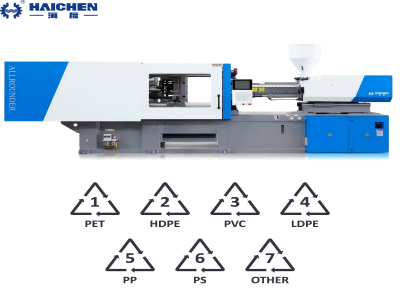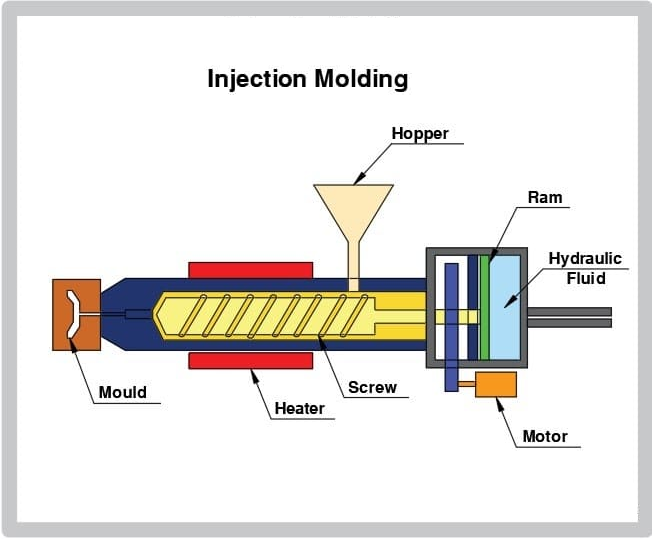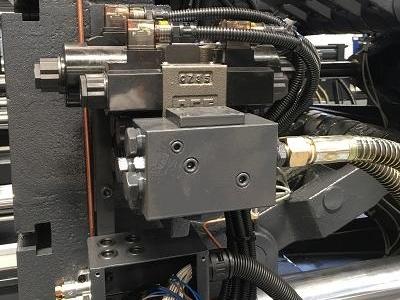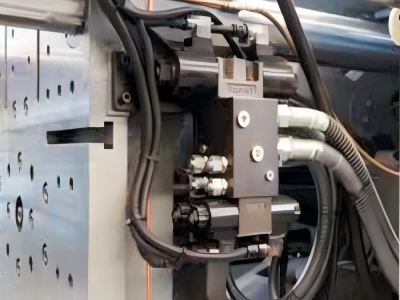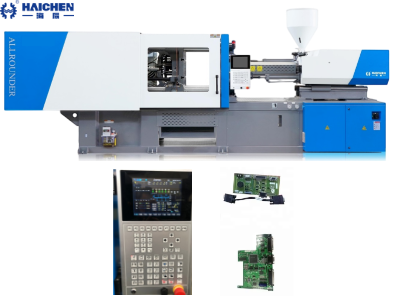
Injection molding sensors improve manufacturing efficiency, product quality, and cost savings. These advanced devices monitor key process parameters in real time, allowing manufacturers to optimize performance and reduce waste.
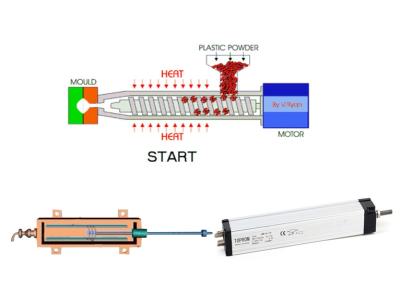
Benefits of Injection Molding Sensors
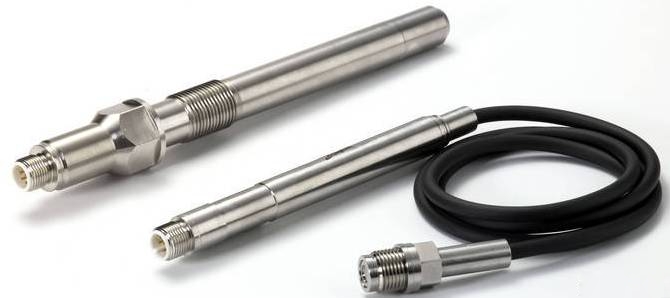
Injection molding sensors offer numerous benefits that enhance the efficiency, quality, and cost-effectiveness of the injection molding process. Here are the key advantages:
Improved Part Quality
Early Defect Detection: Sensors can detect defects and inconsistencies early in the process, allowing for immediate corrective action. This reduces scrap rates and improves overall part quality.
Consistent Material Properties: Temperature sensors, such as thermocouples and infrared sensors, monitor the melt and mold temperatures to prevent overheating and ensure consistency in material properties.
Increased Productivity
Optimized Process Parameters: By monitoring critical parameters like pressure and temperature in real-time, sensors help optimize the injection molding process, resulting in faster cycle times and higher productivity.
Efficient Setup and Startup: Sensors enable efficient and targeted setup phases for new molds, minimizing the time and effort required for tool startup.
Reduced Costs
Lower Scrap Rates: Improved part quality and early detection of issues reduce the number of defective parts, lowering scrap rates and material waste.
Preventive Maintenance: Sensors can identify potential problems early, preventing costly downtime and repairs.
Enhanced Safety
Machine Condition Monitoring: Sensors can monitor machine conditions and detect potential hazards, such as abnormal vibrations or pressure fluctuations, helping to ensure a safe working environment.
Process Transparency and Control
Real-Time Data Acquisition: Connected sensors provide continuous real-time data on key parameters such as temperature, pressure, and flow rates, enhancing process monitoring and control.
Direct Measurement of Critical Parameters: In-mold sensors measure critical process parameters directly, including temperature, pressure, and even indirect parameters like viscosity and shrinkage.
Advanced Quality Monitoring
High-Precision Measurements: Modern pressure sensors can measure ranges up to 2,500 bar, enabling precise control during high-pressure processes.
Statistical Quality Control: Advanced statistical quality monitoring methods utilizing machine-integrated sensors achieve high fault detection success rates. It ensures consistent product quality.
Future-Proofing and Innovation
Integration with Industry 4.0: The use of sensors in injection molding is a critical component of Industry 4.0, facilitating enhanced process transparency and control.
Emerging Sensing Technologies: Beyond traditional temperature and pressure monitoring, new sensing methods are being developed to characterize additional variables such as material viscosity and flow characteristics, further enhancing process understanding.
Injection Molding Sensors supplier: Haichen Machinery
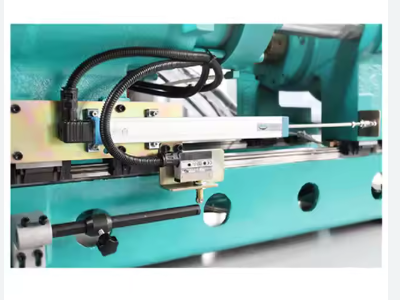
Haichen Machinery is a professional manufacturer of injection molding machines and related parts, providing various types of injection molding machines and related solutions.
Key Benefits of Haichen Machinery’s Sensors
Real-Time Process Monitoring
Tracks pressure, temperature, and flow for consistent production.
Defect Prevention
Reduces scrap by detecting variations early.
Extended Machine Life
Prevents wear and tear with predictive maintenance.
Faster Cycle Times
Optimizes injection speed and cooling for higher output.
Smart Manufacturing Integration
Supports Industry 4.0 with data-driven automation.
If you are interested in Haichen Machinery’s injection molding machine sensors or other products, welcome to consult us.