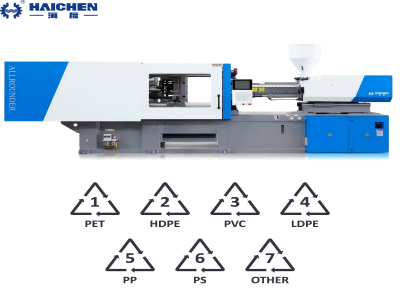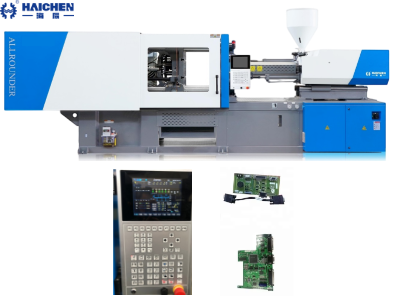
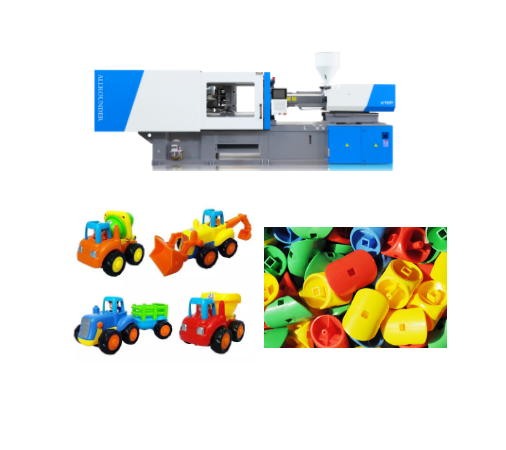
China plastic toy making machine benefits include improve production efficiency, reducing costs, enhance market competitiveness and so on.
In China, the use of plastic toy manufacturing machines has brought many benefits. They are not only reflected in production efficiency and cost savings, but also promoted the development of the entire toy industry.Chinese plastic toy manufacturing machines have significantly shortened production cycles, reduced labor and energy costs, and improved product consistency through high-speed automated equipment, intelligent mold changing systems, digital management tools and process innovations.
The application of toy manufacturing machines in China has not only improved production efficiency and product quality, but also promoted technological innovation and market competitiveness. At the same time, it also provides children with more diversified, intelligent and educational toy products, thereby better promoting children’s growth and development.
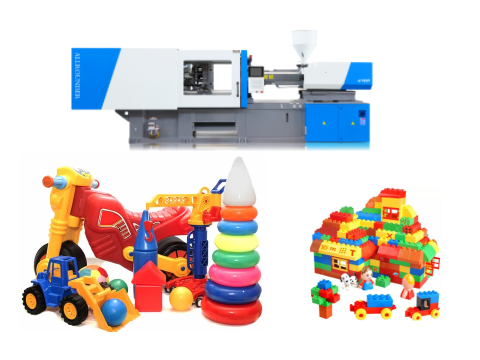
The benefits of toy manufacturing machines in China mainly reflect in the following aspects:
Improve production efficiency
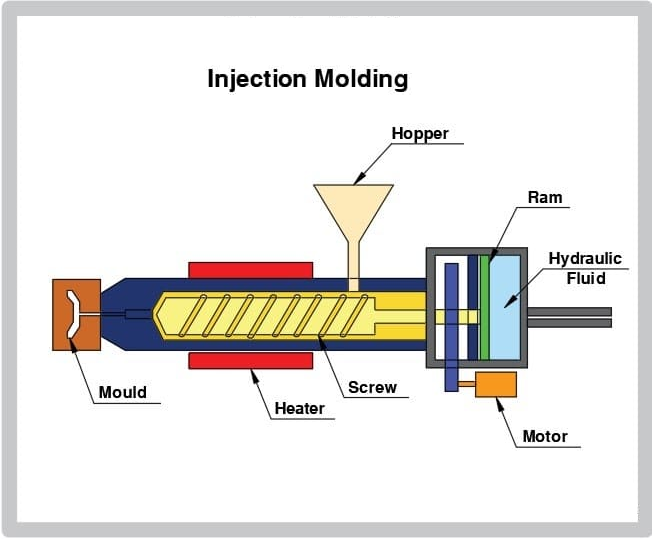
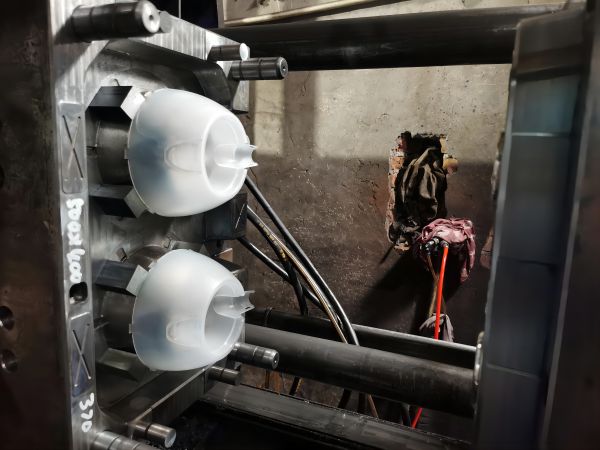
Toy manufacturing machines, such as injection molds and laser cutting machines, can significantly improve production efficiency. Traditional mechanical processing methods are inefficient and easy to damage molds, while injection mold machines are characterized by high speed, high precision and high productivity, which can shorten production cycles and meet market demand. In addition, laser cutting machines also play an important role in children’s toy manufacturing, and can efficiently cut complex shapes.
The toy manufacturing industry can effectively increase production capacity and reduce costs by introducing advanced production equipment and processes.
Machine performance optimization and automation
High-speed precision production
- The plastic snap button machine can achieve high-speed production of 12,000 pieces per hour. The automatic feeding system reduces manual intervention and significantly increases the output per unit time.
- The injection molding machine robot realizes fully automatic part removal, shortens the production cycle, reduces manual operation time, and improves operation safety
Quick mold change technology
- The intelligent injection molding machine system can save 90% of the mold installation and disassembly time, which is especially effective for factories with multiple models and frequent mold changes, greatly reducing downtime.
- The injection molding machine reduces downtime due to failures through preventive maintenance, improves the overall equipment efficiency (OEE) by 78%, and increases production by 4,921 pieces in 4 months.
High-efficiency plasticization and energy-saving design
- The PET injection molding system adopts a low-shear, large aspect ratio screw design, which increases the plasticization efficiency by more than 30% and supports the uniform processing of a high proportion of recycled plastics.
- The liquid silicone plastic machine achieves efficient and stable production output through precision parts and strict process control.
The use of plastic toy manufacturing machines in China has significantly improved production efficiency through the introduction of advanced equipment, optimization of production processes, application of digital and intelligent technologies, and implementation of lean production management, etc. These measures have not only reduced production costs, but also enhanced the market competitiveness of enterprises.
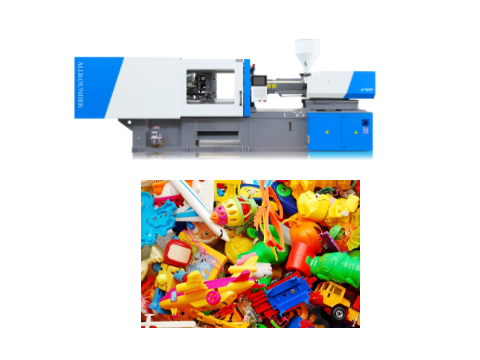
Reducing costs of China plastic toy making machine benefits
Using of toy making machine can effectively reduce production costs. Injection mold machines do not generate waste during the production process, reducing the waste of raw materials. At the same time, the long life of the machine reduces the cost of equipment maintenance and replacement. In addition, the labor cost of China’s toy manufacturing industry is relatively low, which also provides cost advantages for toy manufacturing.
Application of automation technology
- Injection molding machine manipulators can reduce labor demand and labor costs; at the same time, improve production efficiency and safety, reduce waste, and enhance corporate competitiveness.
- Automation equipment (such as liquid silicone plastic machines) can also significantly reduce energy consumption and save electricity costs.
Efficient equipment and process optimization
- New injection molding machines (such as super-large energy-saving injection molding machines) save more than 50% energy and 80% weight compared to traditional equipment, greatly reducing manufacturing costs.
- Die-casting technology reduces raw material waste, no waste is generated, and shortens the production cycle to meet market demand.
- Plastic processing granulation and laser drilling equipment improve production efficiency and product stability, reduce raw material and energy consumption
Scale effect and mature supply chain
China’s mature plastic toy industry chain (division of labor and cooperation in raw materials, molds, spraying, etc.) reduces overall costs through scale effect, allowing companies to focus on core links.
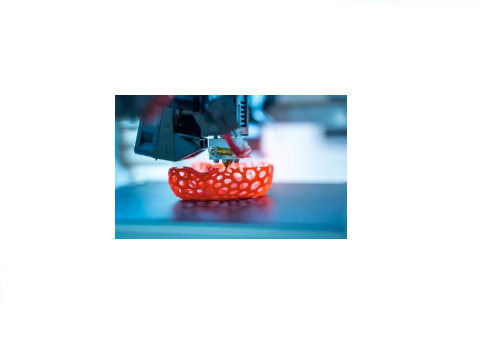
Chinese plastic toy manufacturing machines have significantly reduced production costs by introducing automation technology, 3D printing, digital design, energy-saving equipment, modular design, etc. These measures have not only improved the competitiveness of enterprises, but also provided consumers with more affordable product choices.
Enhance market competitiveness
China is the world’s largest toy manufacturer, accounting for about 70% of global toy production.The application of toy making machine not only improves production efficiency and product quality, but also enhances the competitiveness of Chinese toys in the international market.
In recent years, China’s toy manufacturing industry has undergone a transformation from traditional manufacturing to intelligent and high-tech. For example, new products such as electronic toys, programming robots and augmented reality toys are favored by the market. These innovations not only increase the added value of products, but also enhance consumer satisfaction.
Research and develop high-end core components
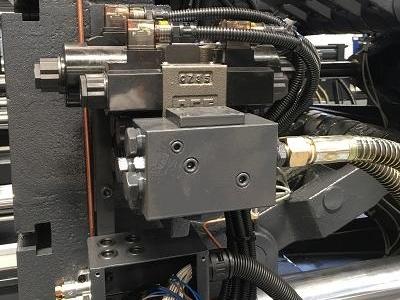
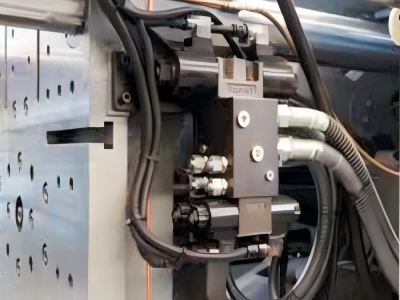
- Break through the bottlenecks of key technologies such as servo motors, hydraulic systems, and control systems (such as the 1 billion yuan/5-year R&D investment plan proposed), improve equipment accuracy and energy efficiency, and narrow the gap with international brands.
- Promote the application of new materials such as SEBS (styrene-ethylene-butylene-styrene), whose excellent processing performance and safety can reduce the production cost of toys, while meeting environmental protection standards such as EU.
Integration of intelligence and automation
- The application of injection molding robots can improve production efficiency by more than 30%, reduce labor costs, and reduce the risk of work-related injuries.
- Die-casting machine technology achieves high-precision, low-waste production, especially suitable for complex-shaped plastic/metal toy parts (such as doll joints, electronic toy shells).
Market expansion and brand building
- China ranks first in the world in plastic machinery production. With its cost-effectiveness advantage (unit price is less than 40,000 US dollars,), it focuses on developing the Southeast Asian and North American markets.
- In response to the EU WEEE Directive and the US CPSC standards, a pre-inspection and certification system (such as WTO compliance strategy) is established to avoid technical barrier risks.
Exploring the potential of domestic demand
- The average annual toy consumption of Chinese children is only 20-30 yuan,which is less than 1/3 of the Asian average. If consumption rises to the Asian average (13 US dollars), the domestic market will exceed 30 billion yuan.
- Develop the adult toy market (the United States accounts for 40%, and China accounts for less than 1%), and launch high value-added products in line with the trend of consumption upgrading.
In addition, Chinese toy companies have gradually reduced their dependence on foreign technology and improved the quality and functionality of their products through independent research and development and innovation.
Promote export growth
The application of toy making machine has improved production efficiency and product quality, thereby promoting the growth of China’s toy exports. In 2021, China’s toy exports reached US$41.6 billion, a year-on-year increase of 33.1%. This shows that toy manufacturing machines not only play an important role in the domestic market, but also show strong competitiveness in the international market.
China has a huge manufacturing base
China has a huge manufacturing base and toy production is large-scale and cost-effective. Although labor costs have risen in recent years, China’s land costs, energy costs, etc. are still relatively low compared to other countries or regions, which further reduces production costs.
Coordinated upgrading of the industrial chain
Plastic toys rely on special materials such as SEBS (such as the environmentally friendly 561 product developed by Baling Petrochemical). The growth of manufacturing machine exports will drive the demand for high-end plastic raw materials and promote the technological research and development of chemical companies.
Promote the upgrading of toy manufacturing industry
85% of Chinese toy companies are export-oriented. Advanced injection molding machines (such as electric energy-saving models) can improve toy production efficiency and quality, help toy factories pass international certification (such as CCC, EU EN71), and enhance overseas competitiveness.
In addition, Chinese toy companies are able to flexibly adjust production scale to meet the diverse needs of the international market. This flexibility helps to quickly respond to market changes and improve export competitiveness.
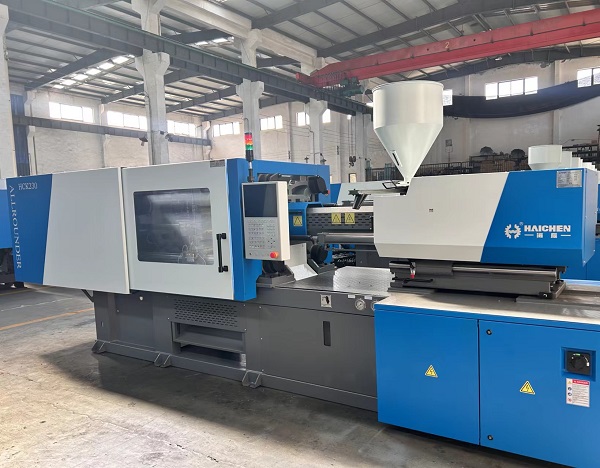
The application of toy manufacturing machines in China has brought many benefits, including improved production efficiency, reduced costs, improved product quality, enhanced market competitiveness, support for industrial upgrading, promotion of product diversification, and boosting export growth.