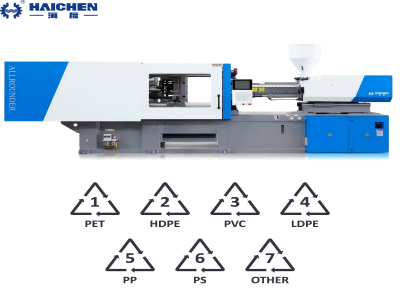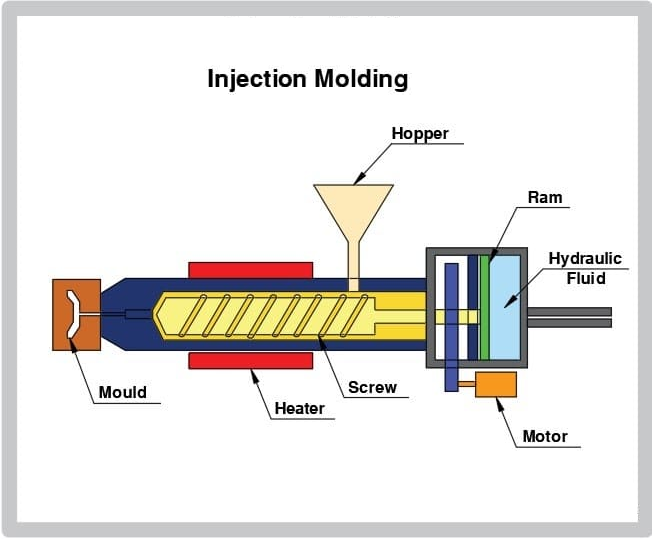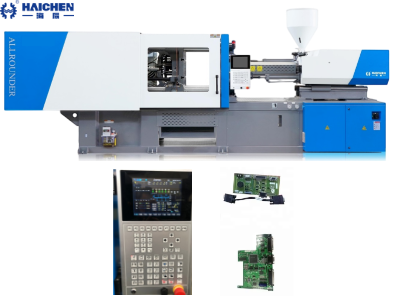
Key parameters for Injection Molding Machine Tonnage include mold projection area, injection pressure, and safety factor.
When choosing an injection molding machine, the most important thing is to figure out how much clamping force you actually need.
Tonnage is essentially the force the machine can apply to lock the mold when the plastic is filled.
If you choose this value correctly, you will find that the part quality is more stable, the scrap is reduced, and the entire production process can run smoothly.
Next, we will look at the core factors that affect tonnage calculation.
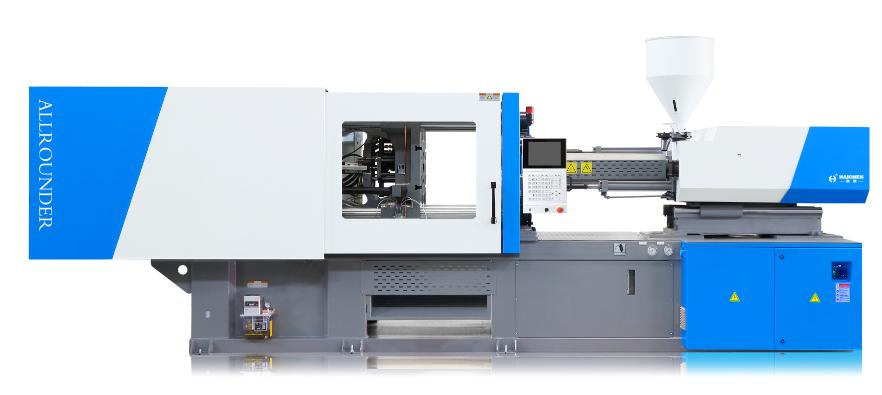
Key Parameters for Calculating Tonnage of Injection Molding Machine
In the management of injection molding workshops, the selection of equipment tonnage directly affects part accuracy, production efficiency and operating costs.
If the clamping force is insufficient, the product will have flash (burrs) or warping of the corners; and equipment with too high tonnage not only consumes an additional 20%-30% of electricity, but also increases bearing wear and oil temperature abnormalities due to overload operation of the hydraulic system, resulting in a 15%-25% increase in monthly maintenance costs.
Therefore, on-site engineers must master the core calculation ability: accurately calculate the actual required clamping force through the formula of multiplying the projected area (cm²) by the injection pressure (kg/cm²) and then dividing it by 2000.
- Projected Area
- Cavity Pressure
- The Core Calculation: Tonnage Formula
- The Safety Factor
Projected Area
To calculate the tonnage of an injection molding machine, you first need to define and calculate the projected area. Simply put, the projected area refers to the total coverage of the injection molded part and the runner system on the parting surface (unit: cm² or in²). The specific operation is divided into three steps:
- Part area: Measure the outline of each cavity in the mold from directly above. If the part shape is irregular, it can be divided into basic shapes such as rectangles and circles for separate calculations, and then the results are added together.
- Runner system area: Don’t forget to add the area of the main runner, branch runner, and cold well. These structures also require plastic, so they must be included in the calculation.
- Total area: Just add the part area and the runner area.
- For a practical example: suppose the mold produces 2 identical rectangular parts (each 10cm×5cm), and the runner system projected area is 15cm². Then:
- Part area = 2 × (10cm × 5cm) = 100cm²
Flow channel area = 15cm²
Total projected area = 100cm² + 15cm² = 115cm²
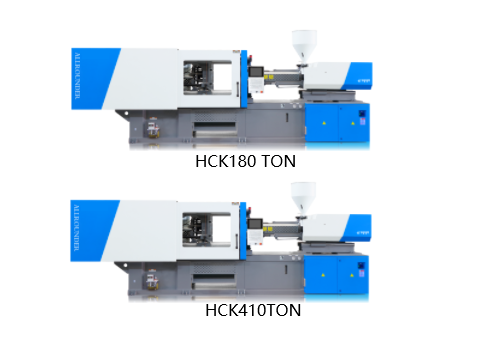
Cavity Pressure
Definition: The average pressure per unit area generated by the molten plastic acting on the inner wall of the mold during the injection and holding stages, usually in megapascals (MPa), pounds per square inch (psi) or bar.
Core factors affecting cavity pressure
- Material properties
- The flow, filling and cooling behaviors of different resins vary significantly, which directly affects the pressure requirements:
- High-flow materials (such as PP, PE): 25-40 MPa
- General materials (such as PS, ABS): 40-60 MPa
- Engineering plastics (such as PA, PC, POM): 60-100 MPa
- High-viscosity/precision materials (such as PMMA, PPS and filled modified materials): 80-150+ MPa
- The flow, filling and cooling behaviors of different resins vary significantly, which directly affects the pressure requirements:
- Part geometry
- Thinning wall thickness, structural distortion or long runner design will significantly increase flow resistance, resulting in increased pressure requirements.
- Gating system design
- The smaller the gate cross-sectional area, the greater the flow resistance and the higher the required injection pressure. Small gates can easily cause premature solidification and interrupt the transmission of holding pressure.
- Process parameter control
- Adjustment of injection speed, melt temperature and holding pressure will change melt viscosity and flow behavior, thus affecting the actual cavity pressure reading.
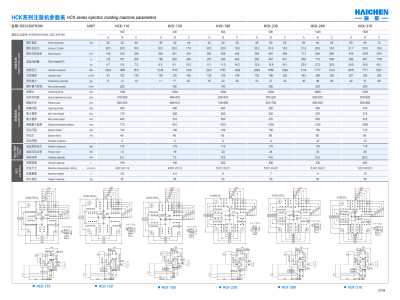
The Core Calculation: Tonnage Formula
When you need to determine the minimum clamping force (also known as tonnage) of an injection molding machine, this core formula will help:
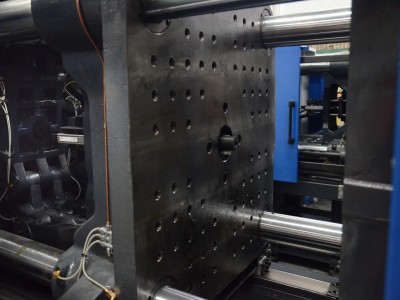
Minimum clamping force (tons) = (product projection area × cavity pressure) ÷ conversion factor
The three key parameters in the formula need to be determined according to the actual situation:
- Product projection area (A): refers to the maximum coverage area of the mold in the mold closing direction, including the product and the runner system. The unit is expressed in square centimeters (cm²) or square inches (in²).
- Cavity pressure (P): Determined according to material properties and product complexity. When polypropylene (PP) is commonly used to produce ordinary parts, the pressure value is usually between 30-50MPa.
- Conversion factor (C): used to unify units, the value depends on the unit of measurement you choose:
- If using cm² and MPa: the factor is 10
(because 1MPa pressure on 1cm² area produces about 10kN force, and 1 ton clamping force ≈ 10kN) - If using in² and psi: the factor is 2000
(because 1 ton clamping force ≈ 2000 pounds)
- If using cm² and MPa: the factor is 10
The Safety Factor
When calculating the tonnage of an injection molding machine, the safety factor is a key parameter that must be considered. The tonnage value you get through the formula is only a theoretical minimum, but there may be unforeseen variables in actual production. The role of the safety factor is to compensate for these potential risks, such as:
- Dealing with injection pressure fluctuations and performance differences between different batches of resin;
- Offsetting the impact of mold or equipment wear;
- Compensating for potential errors in the original pressure estimate.
The industry usually uses a safety factor value of 10%-20%. If the processing material is more difficult or the process stability is poor, it is recommended to increase the safety factor to 20%-30%.
The specific calculation formula is:
- Recommended injection molding machine tonnage = calculated tonnage (F) × (1 + safety factor)
- Take 15% safety factor as an example: 575 tons × 1.15 = 661.25 tons.
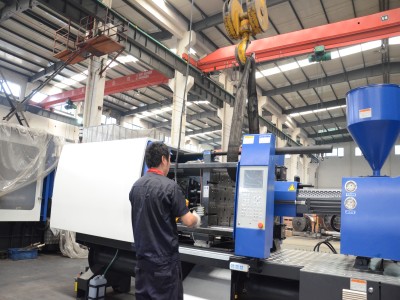
When selecting the final equipment, you need to choose the minimum standard tonnage model that is greater than this result. According to this example, a 700-ton injection molding machine is a suitable choice.
Key Considerations Beyond the Core Calculation
- Mold Construction & Rigidity: If the mold flexes because it is flimsy or poorly braced, the tonnage needs to climb higher to stop flash than it would with a stout tool.
- Platen Size & Tie Bar Spacing: The mold must physically slide into the platens and fit between the tie bars. Tonnage means nothing if the part cannot squeeze in.
- Shot Size & Plasticizing Capacity: The press must melt enough resin fast enough and keep that melt hot until the part sets, or the whole tonnage talk is pointless.
- Ejection Stroke & Force:Always check that the press can move the ejector plate far enough and push with enough tonnage to clear the part cleanly.
- Material Drying & Handling:Every step through drying, transfer, and feed must suit the resin so moisture and heat history stay in the safe zone.
HAICHEN: Your Partner in Precise Machine Selection
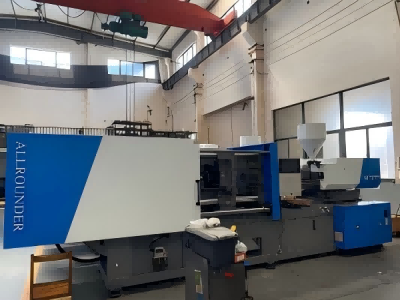
Accurately calculating the tonnage of the injection molding machine is the first step to ensure smooth production. HAICHEN injection molding machines always provide the clamping force required by your mold to ensure stable production. Our professional team can provide you with the following support:
- Projected area and cavity pressure evaluation: help you accurately calculate key parameters
- Tonnage calculation and safety factor application: select a model that meets the safety margin
- Complete machine specification matching: coordinate template size, injection volume and other parameters according to needs
- Process optimization settings: fine-tune the equipment to ensure efficient operation of each cycle
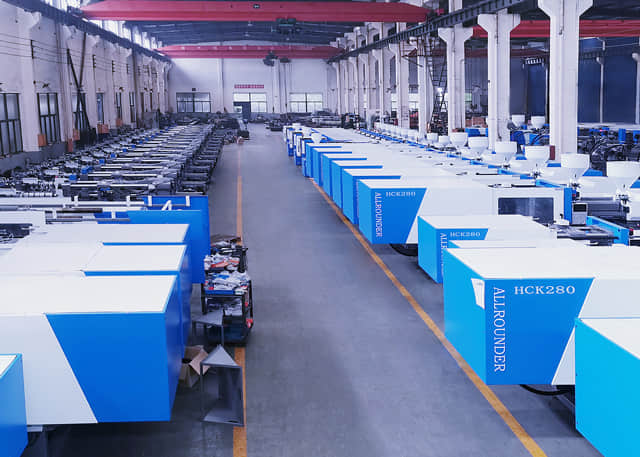
The key to determining the tonnage of a press is to comprehensively consider core parameters such as mold projection area, material density, product wall thickness, and injection pressure, while leaving a reasonable safety margin. By rigorously calculating these data, the production workshop can not only accurately match the equipment specifications, but also effectively reduce the risk of downtime and ensure that the final product fully meets quality standards.