Yes, brand and manufacturer significantly impact injection molding machine prices.
Established, reputable brands with a history of quality and advanced technology often command higher prices.
Factors like the brand’s reputation, the machine’s specifications (clamping force, shot size, precision).
And the country of origin (affecting labor and production costs) all play a role in determining the final cost.
Injection Molding Machine Brand reputation and market positioning
- High-end brand premium
- The rise of domestic leading brands
High-end brand premium
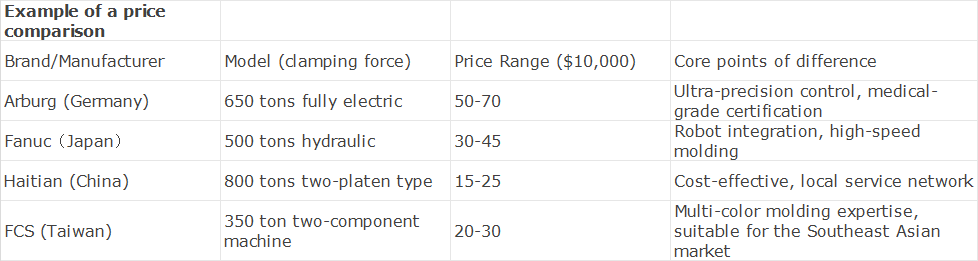
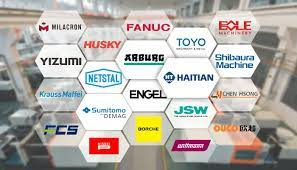
Such as Arburg, Engel in Germany, Fanuc in Japan, etc., with long-term accumulation of technical advantages, stability and reliability.
The price of equipment is usually 30%-50% higher than ordinary brands.
Most of these brands are for high-precision industries such as automotive and medical.
And their products have passed international certifications (such as CE, UL).
And customers are willing to pay a premium for brand trust.
The rise of domestic leading brands
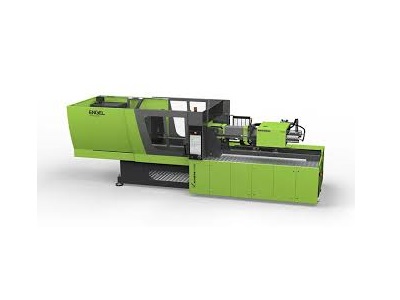
The domestic leading brands represented by Haitian International are priced higher than other domestic brands with a market share of more than 40% and rapid iteration capabilities.
The price of second- and third-tier brands is only 70-80% of Haitian.
Through scale effect and technology accumulation, leading enterprises have gradually narrowed the price gap with international brands.
Injection Molding Machine Manufacturers’ technological innovation capabilities
- Core technology gap
- Premium for high-end configuration
Core technology gap
International brands rely on independent technology for core components (such as servo systems and precision molds).
While domestic products still partially rely on imports.
Technical differences directly lead to price stratification.
For example, the average price of imported injection molding machines has long been 3-4 times that of domestic ones.
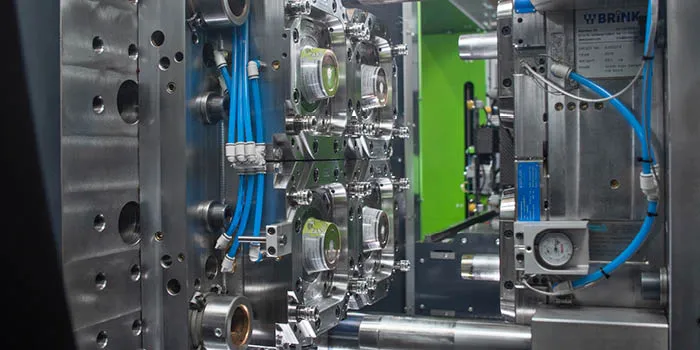
Technical parameters such as automatic control, high injection volume, and energy efficiency optimization increase the price.
Models equipped with advanced features such as automatic temperature control and fault alarms are more expensive.
Domestic enterprises are gradually entering the high-end market through technological innovation (such as all-electrification).
But the price is still lower than that of foreign capital.
Production scale and cost control of Injection Molding Machine
- Large-scale effect
- Vertical integration capability
Large-scale effect
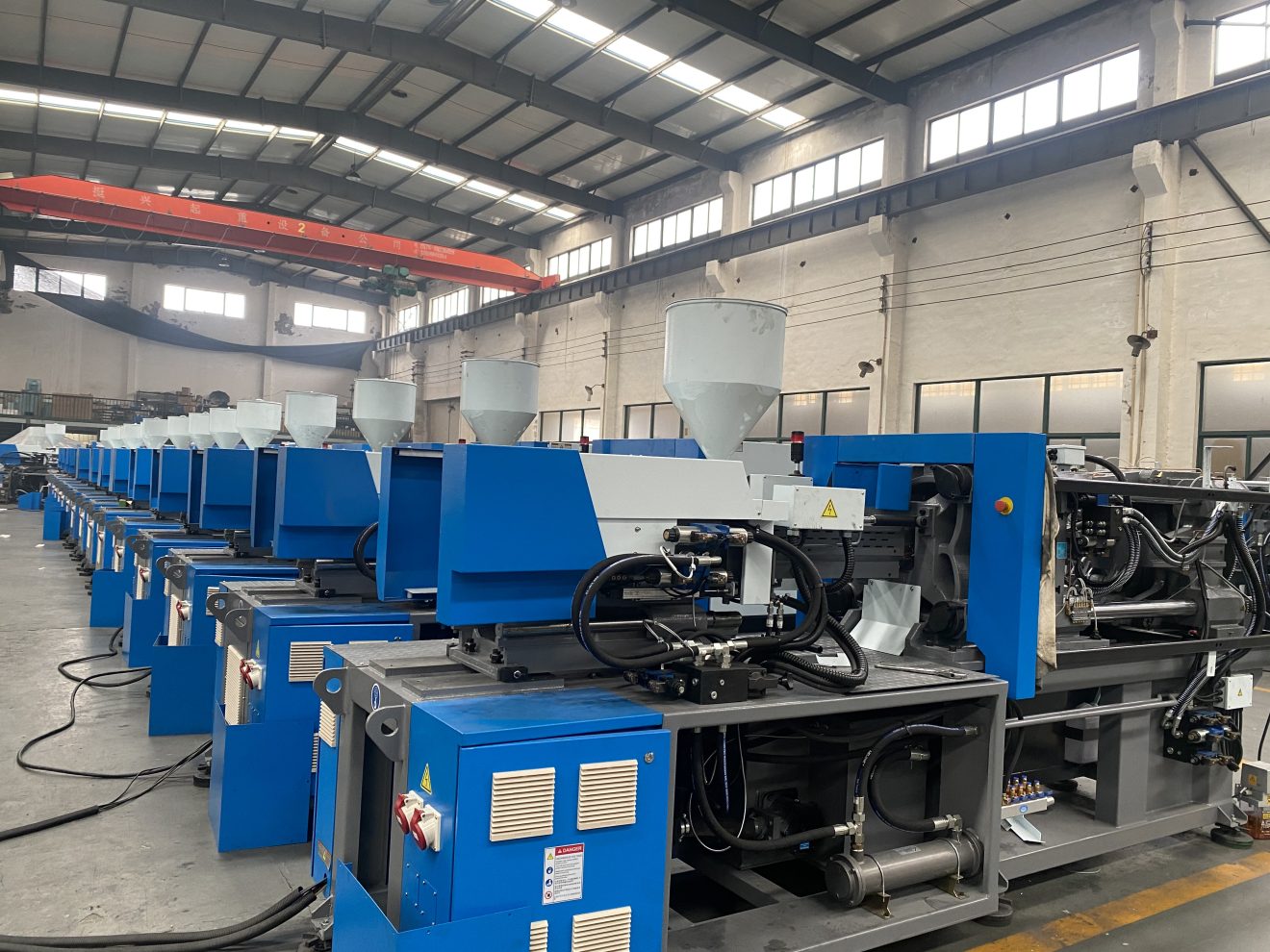
Large manufacturers such as Haitian, with an annual production capacity of more than 30,000 units.
Can reduce the cost of a single machine through bulk procurement of raw materials and standardized production, and can occupy the market at a lower price.
Vertical integration capability
Manufacturers (such as KraussMaffei) who develop their own core components.
Such as servo motors and control systems can reduce their dependence on outsourcing.
And their cost advantages can be transformed into price competitiveness or profit margins.
Injection Molding Machine manufactures’s After-sales service and added value
Global service network
European and American brands have set up localized service centers in major markets to provide 24-hour response.
And the service cost is included in the price of the equipment (about 5%-10% of the price).
Training and technical support
Value-added services such as free process training and regular maintenance agreements improve customer stickiness and indirectly support high pricing strategies.
Injection molding machine manufactures regional market strategies
- Tariffs and logistics costs
- Local production
Tariffs and logistics costs
Imported brands (e.g., German aircraft) are priced at about 15%-25% tariffs and shipping costs in China.
While local brands (e.g., Haitian) do not have this burden, and have obvious price advantages.
Local production
Some foreign brands (such as Sumitomo in Jiangsu) have reduced their prices through local assembly, which is 10%-15% cheaper than fully imported models.
Injection molding machine industry certification and compliance costs
Environmental protection standards
Models that meet EU RoHS and REACH standards need to invest in additional environmentally friendly materials and technologies.
And the price will be increased by 5%-10%.
Safety certification
UL and TÜV certified equipment needs to pay high testing fees, driving up the price.

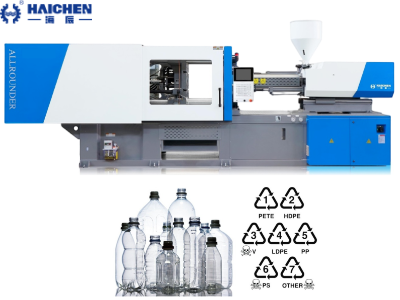
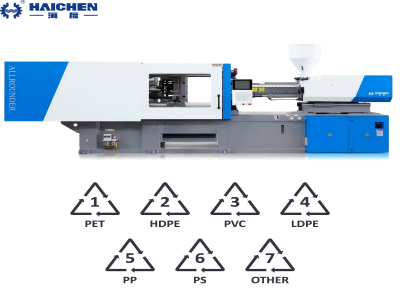
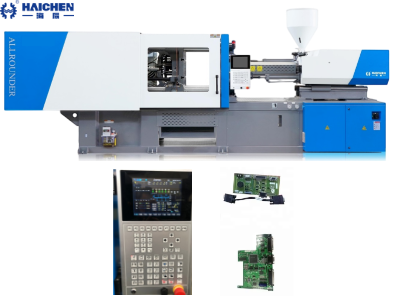
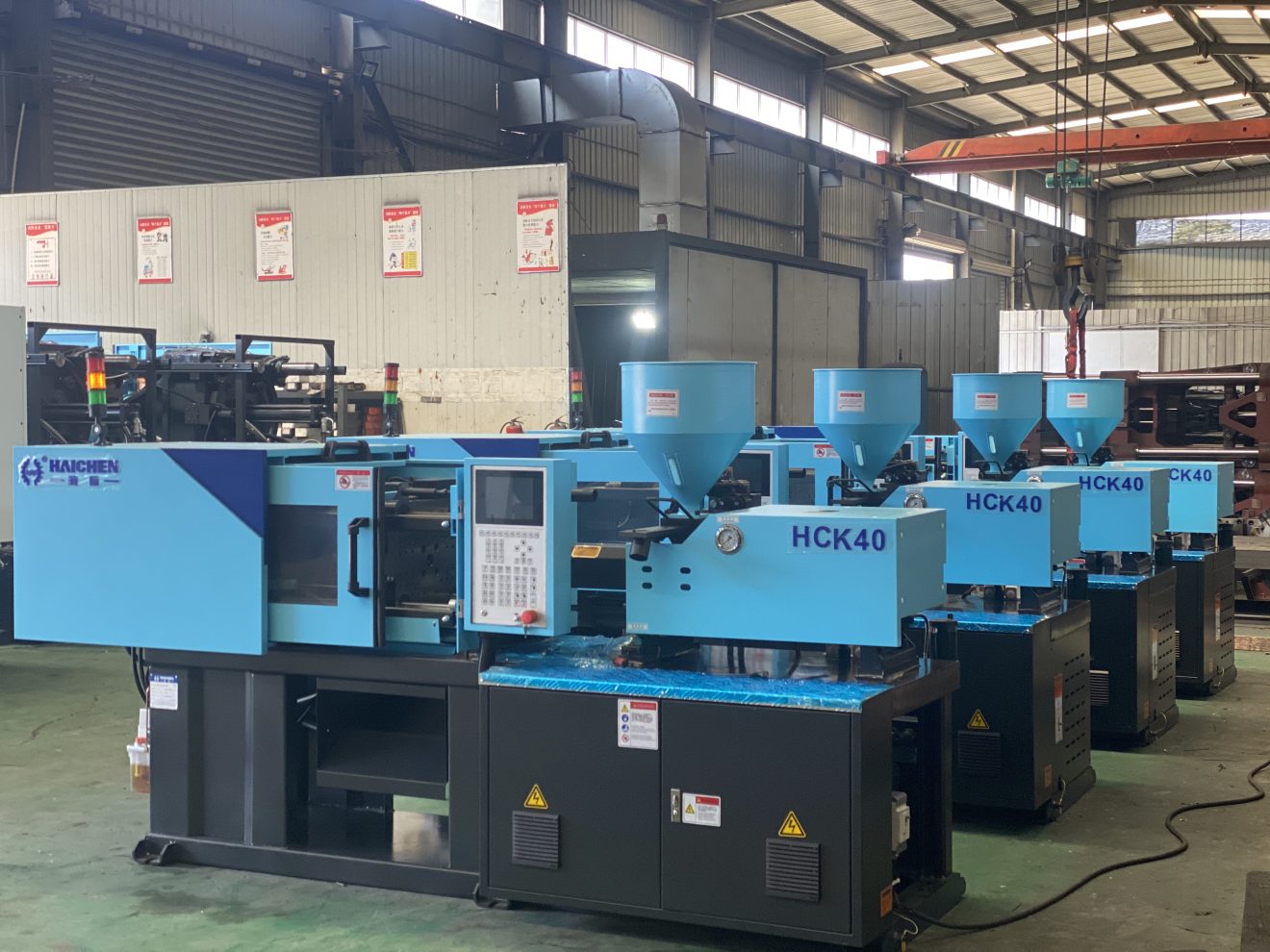
Haichen injection molding machine
The price of Haichen injection molding machine is mainly determined by technology and configuration.
Haichen shapes the price system through the combination of technology, service and cost structure.
And users need to make decisions based on their own production scale, product requirements and life cycle costs (including maintenance and energy consumption).