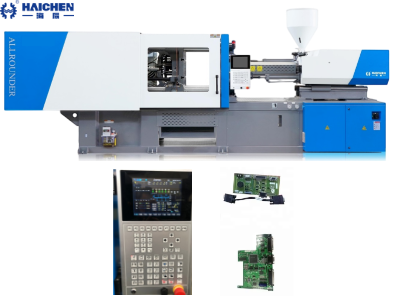
Injection Molding Process Steps include design and engineering, material preparation, injection, cooling and solidification, ejection,etc.
Plastic parts can be produced using the technology known as “injection molding.” In this process, molten plastic is poured into a cavity of a mold. After it cools down, the plastic solidifies into the desired shape.
For maintaining high standards of quality in parts, an understanding of the injection molding steps for optimising production might be needed.
In this article, we will explore the key steps involved in the injection molding process and how they contribute to the overall efficiency and quality of the final product.
Additionally, we will discuss how advancements in technology and material science have further enhanced the capabilities of injection molding, making it a versatile and reliable choice for a wide range of industries.
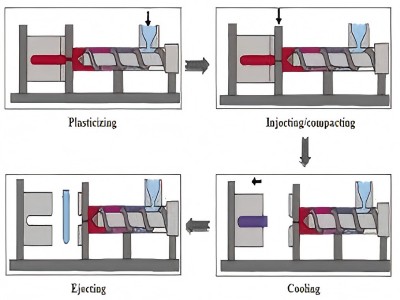
Injection Molding Process Steps: A Comprehensive Overview
To create various plastic components with different physical properties, the process of injection molding is the go-to method. The repeating and exact nature of the procedures is critical to the quality of the final outcome. This part will present a tutorial on all steps of this process, whether you have not dealt with injection molding previously or would just like to enhance your existing procedures.
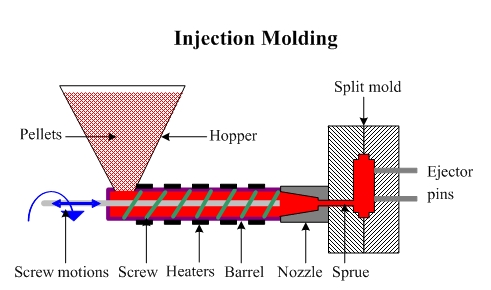
The steps involved in the injection molding process are customizing raw plastic into products, and doing so in an orderly manner.
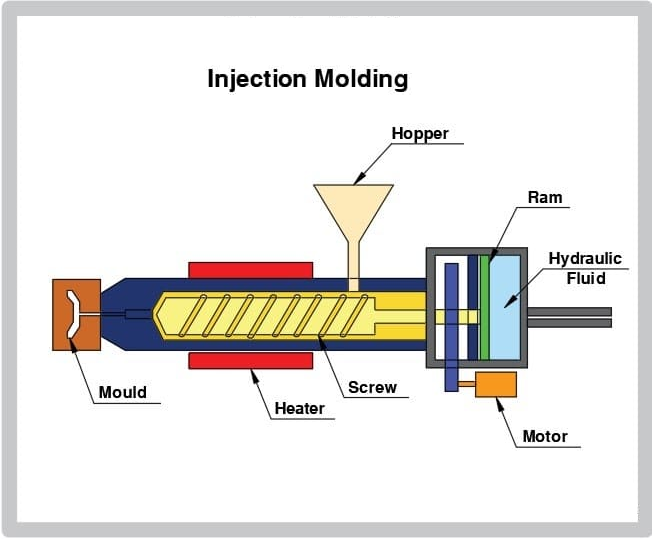
In the first step of the injection molding process, the plastic in the granular form is put into a rotating spiral. Because of the parts’ heating, the plastic turns into liquid and is ready to undergo further treatment.
Next comes the injection step in the molding process, where the molding cycles begin and the molten plastic is injected into the mold cavity under extremely high pressure. Therefore the desired shape is finalized as the material cools and solidifies into the fully formed part.
For mass production purposes, this process of injection molding is repeated over and over, and then with each cycle taking anywhere from 15-60 seconds per cycle depending on the complexity of the part.
Now, modern techniques for the injection moulding process have added automation and real time monitoring for every phase of production to improve efficiency and precision.
Design and Engineering
The design phase specifies all aspects of the part to be made and the mold to be used. Engineers design the part and corresponding mold using CAD software and create 3D models of both the part and the mold. Each model’s considerations include production requirements, the dimensions of the part and the properties of the material.
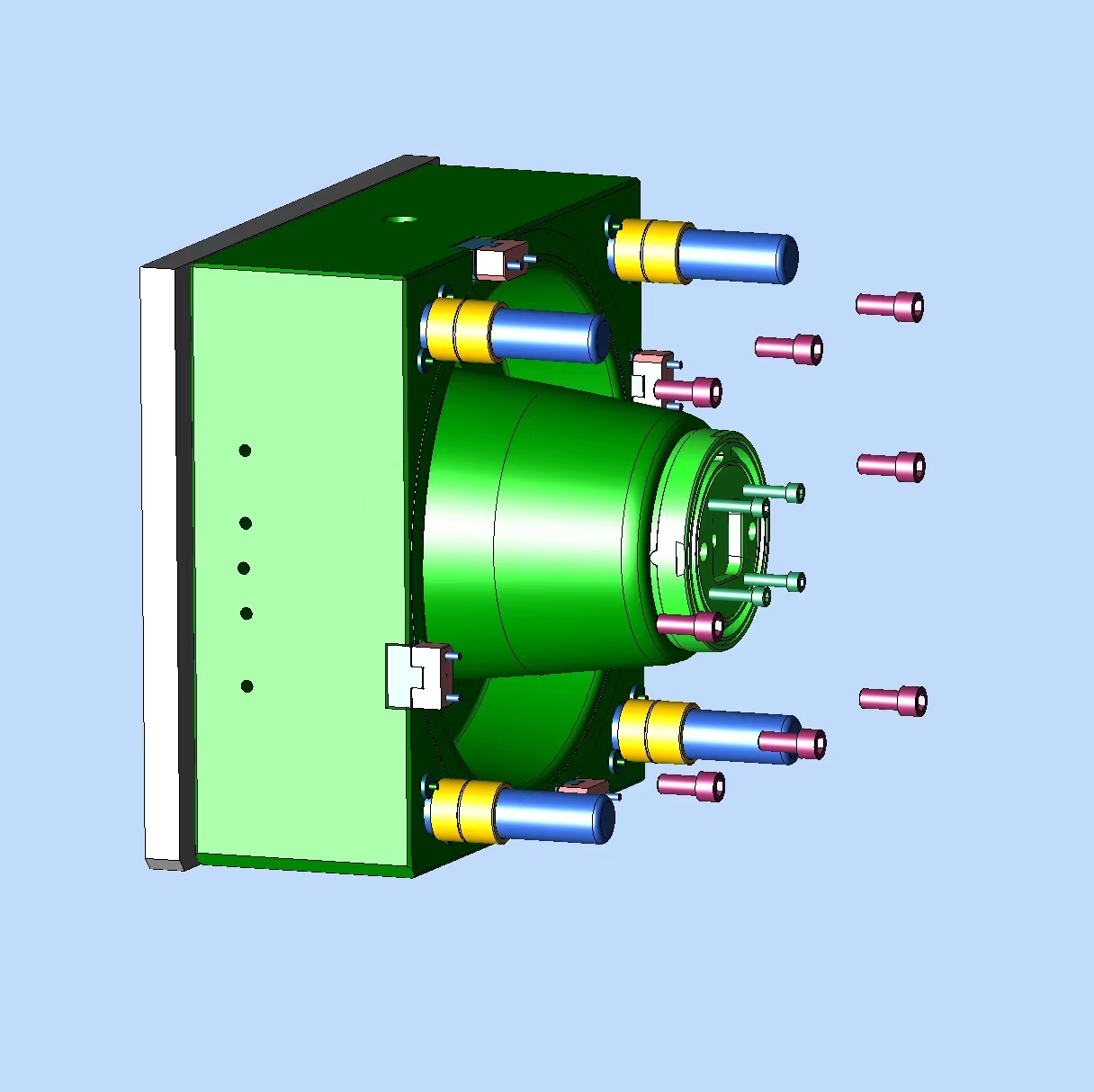
Material Preparation
The form of plastic that needs to be injected is stored as granules or pellets. And so we begin by preaparing the material for injection. An important part for proper preparation is drying the material to eliminate moisture and ensuring it is free of contaminants. Above all material prapartement is vital for maintaining consistent quality in every part.
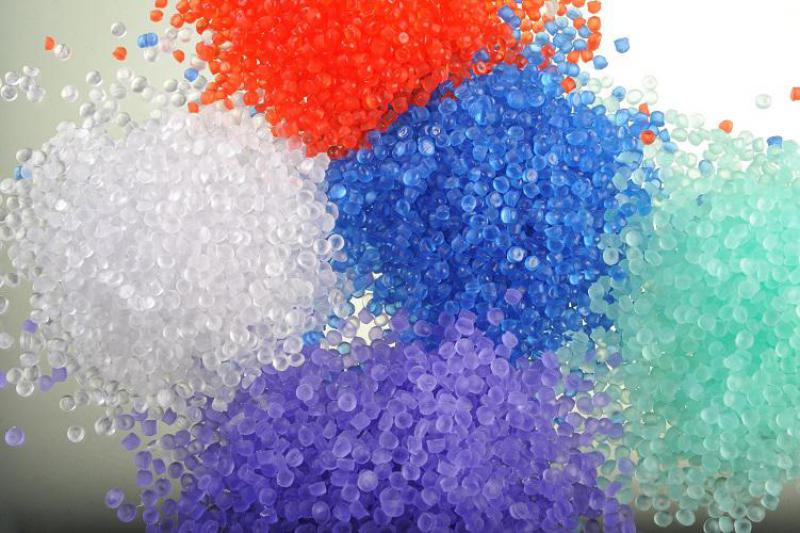
Injection
We load the plastics into the injection molding machine and heat them until the material softens. The heated plastic is then injecte at high pressure into the mold cavity. The injection speed and pressure must be controlle together so that uniform filling of the mold is achieve.
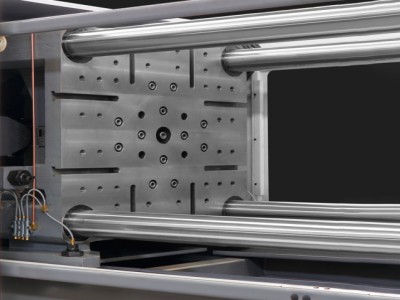
Cooling and Solidification
Plastic is cooled and solidified after the mold cavity is fill with molten plastic. And then good heat dissipation in the mold is achieve through the cooling channels, uniform temperature distribution and reduced cycle time. Proper cooling is essential in preventing defects such as warping or shrinkage.
Ejection
The mold is open and the part is ejecte after the plastic has cooled and set. And then ejector pins or plates are often use in molding to push the part out of the mold. Modifications like trimming or finishing are often done to get rid of excess material or flash.
Post-Processing
The step that follows after completing the injection molding procedure is call post-processing. Post-processing involves trimming rough edges, polishing surfaces, and coating. Standards and specifications are achieve after post-processing.
Key Technical Parameter System
Injection molding quality is controlle by the coordinated efforts of five key factors (temperature, speed, pressure, position, and time), with significant interactions among these parameters:
| Parameter | Range | Impact |
| Temperature | Barrel: 180-330°C (material-dependent) | Fluidity, crystallinity, surface finish |
| Mold: 25-100°C | ||
| Injection Pressure | Primary: 25-80 MPa | Mold filling completeness, shrinkage control |
| Holding: 15-50 MPa | ||
| Injection Speed | 50-200 mm/s (ISO 294 standard) | Weld line strength, flow marks |
| Cooling Time | Wall thickness / (4 × thermal diffusivity) | Ejection deformation, cycle efficiency |
| Clamping Force | Horizontal machines: 1g-50kg | Flash prevention, mold protection |
| Vertical machines: <60g (precision parts) |
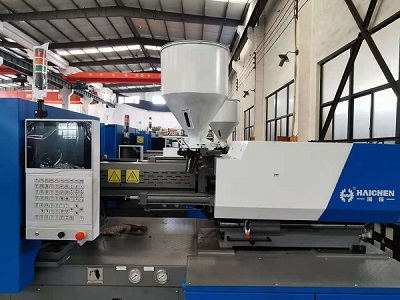
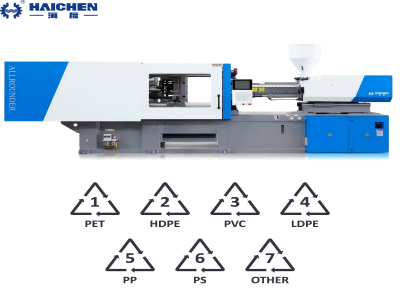
HAICHEN: Injection Molding Machine Manufacturer
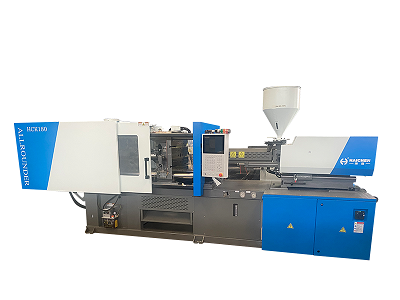
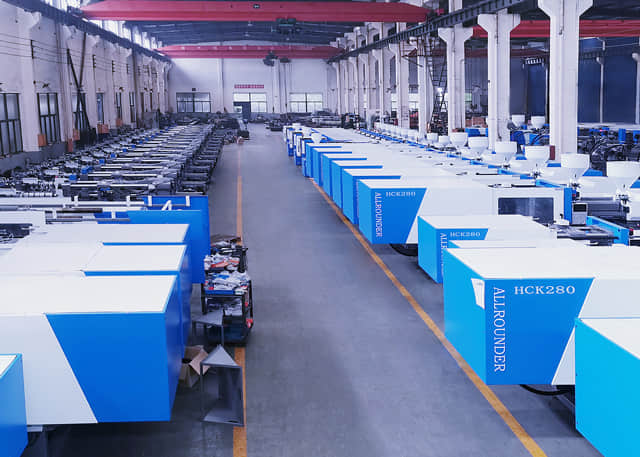
All HAICHEN machines come equipped with sophisticated technology and are built to endure industrial workloads. They offer a variety of injection molding machines to suit different production requirements. To add value to customers, HAICHEN pays utmost attention to post-sale service which includes supporting repair works, supply of spares, and training so that the customers optimally utilize their machine.
In Thailand, the need for effective and dependable molding injection technology is on the rise. Above all thai producers are searching more and more for devices which are capable of economcially reasonable priced high grade items.
In conclusion, knowing the steps of Injection Molding Process Pacing is crucial for achieving effective productivity and consistent part quality. And then access to information across the entire life cycle is key to dependably meeting goals set by engineering.