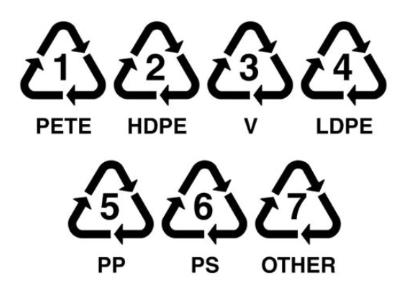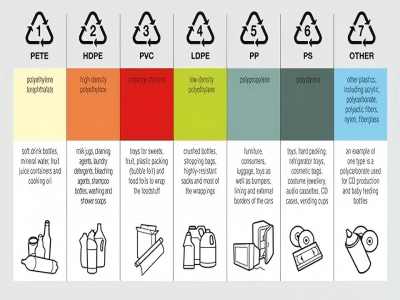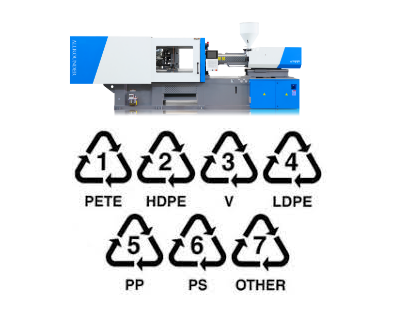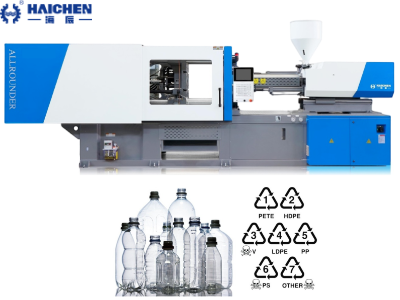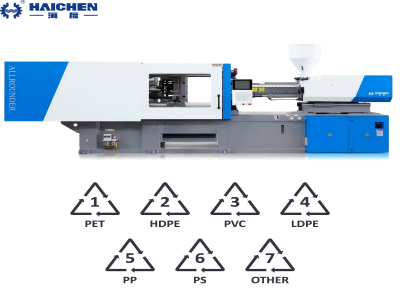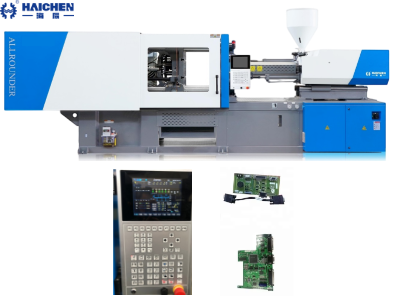
Yes, an injection molding machine can make PET or PLA cups by heating the plastic material to its melting point and injecting it into a mold designed for the cup’s shape, where it cools and solidifies.
Injection molding is a very versatile production process that can be used to manufacture both daily necessities and precision parts.
People in the industry often ask: Can an injection molding machine be used to produce cups made of PET (polyethylene terephthalate) or PLA (polylactic acid)?
The answer is yes – as long as the equipment parameters are adjusted and the right materials are selected, the injection molding machine can stably mass-produce cups made of these two materials
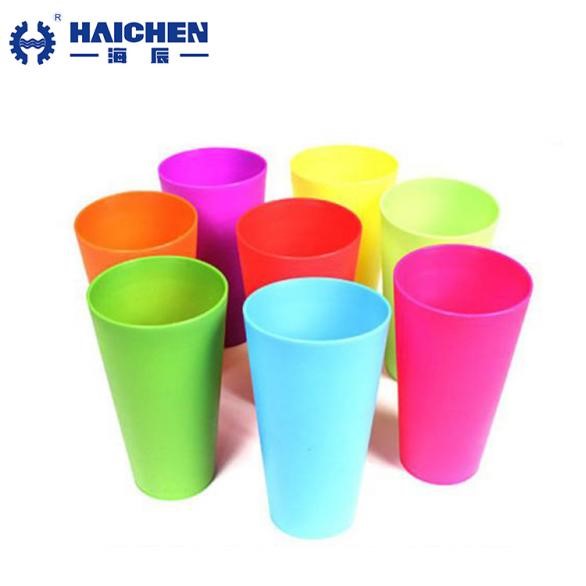
Feasibility of PET/PLA Cup Production
Today’s injection molding machines are fully capable of producing cups made of both PET (polyethylene terephthalate) and PLA (polylactic acid), thanks to mature material technology and sophisticated production equipment.
- PET cups: a reliable everyday choice
- PET is widely used in beverage bottles, food boxes and other containers due to its high transparency, chemical resistance and recyclability. Factories produce PET cup blanks (preforms) on dedicated injection molding machines, with a global output of billions of cups per year.
- PLA cups: an environmentally friendly alternative
- PLA is derived from plants such as corn and sugar cane and is a bio-based material. The cups can be decomposed under certain conditions after use and discarded, which reduces carbon emissions during production compared to traditional plastics. Existing injection molding equipment can be adjusted to process PLA efficiently and achieve large-scale production.
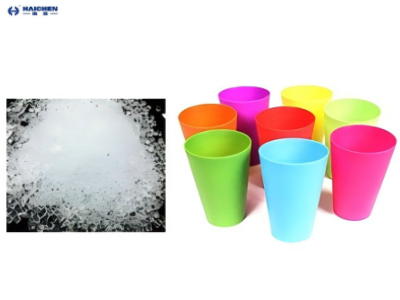
How Injection Molding Works for PET and PLA Plastic cup
Material Preparation
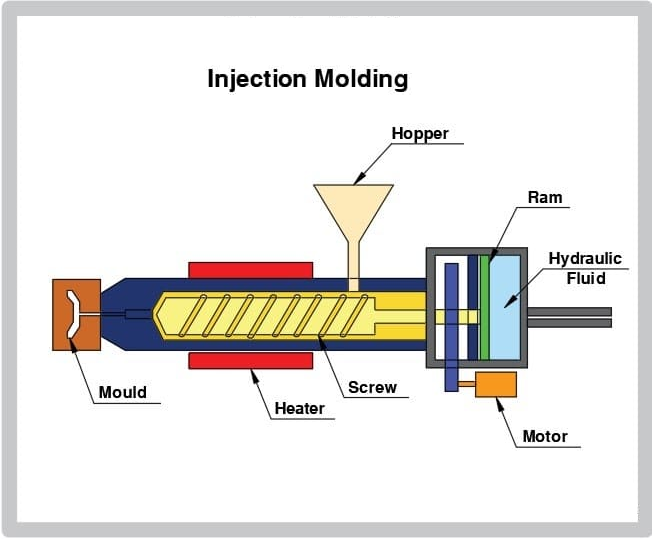
The first step in making a PET or PLA plastic cup is to prepare the raw materials. We pour the granular PET or PLA raw materials into the hopper of the injection molding machine. Although both materials can be used in theory, in practice they require very different processing conditions:
- PET processing tips
- When processing PET, temperature control must be precise – the melt temperature is best kept between 120°C and 150°C, otherwise the material will decompose. To make a structure as thin as the wall of the cup, high-speed injection and high pressure are required, usually 500 to 1500 bars.
- PLA processing tips
- PLA is more sensitive to temperature, and the ideal processing range is 130°C to 190°C. Once the temperature is high, the finished product will become brittle or deform easily. In order to increase hardness and cooling efficiency, we often add 5%-8% natural fibers (such as bamboo fibers).
Injection Process
During the injection molding process of PET and PLA plastic cups, when the material is completely melted. High pressure will inject the molten plastic into the pre-designed mold. The cavity shape inside the mold is consistent with the cup. And the molten plastic will quickly fill the entire cavity to form the outline of the final product. Operators need to accurately control the injection speed and pressure to ensure that the material fills the mold evenly without bubbles or deformation defects.
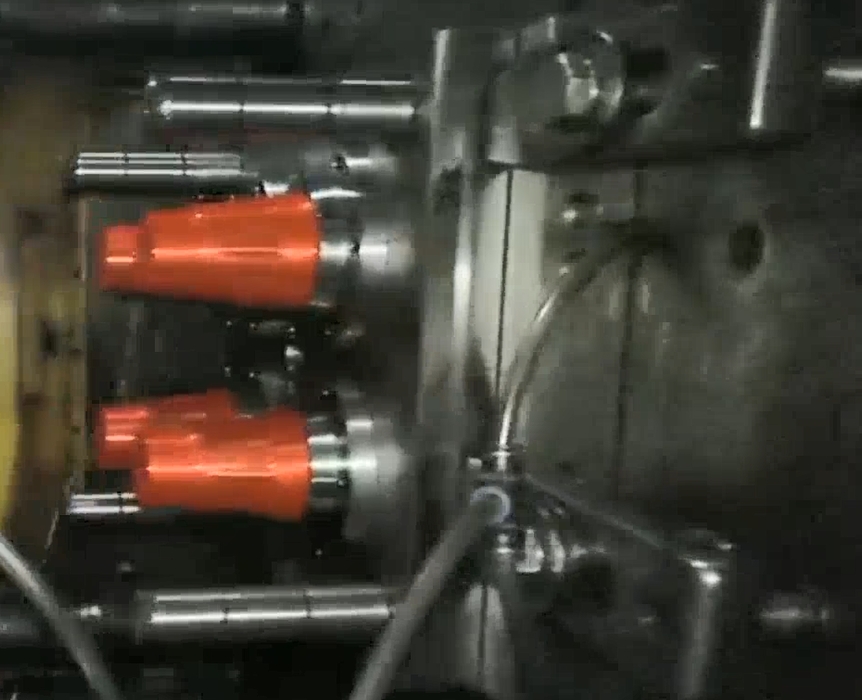
Cooling and Ejection
After the mold is finished, the plastic needs to be fully cooled to harden and take shape. At this time, the mold will automatically open, and the finished cup will be ejected by the ejection system. The entire cooling process is crucial to the molding quality of the cup. Especially for PET materials, which are prone to deformation if the cooling is not properly controlled. So special attention needs to be paid to the regulation of temperature and time.
Post-Processing
After injection molding, these plastic cups need to go through some post-processing steps. For example, trimming off excess scraps or labeling the cups. For PLA cups – because they are biodegradable materials. We need to be particularly careful about how they are handled. To truly reduce the impact on the environment. It is recommended that you recycle them through industrial composting facilities or hand them over to professional recycling organizations instead of throwing them into ordinary trash cans.
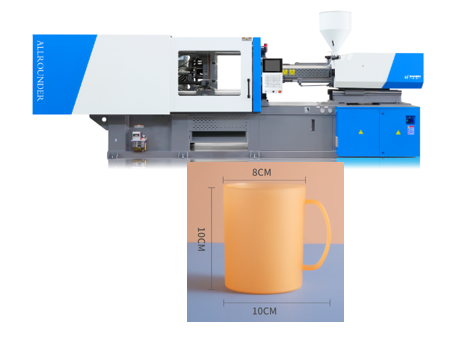
HAICHEN: Injection Molding Technology
As a well-known company in the field of injection molding machine manufacturing. HAICHEN’s equipment is recognized by the industry for its advanced technology and stable quality. The engineering team has specially designed a molding solution that is compatible with a variety of materials. Such as PET and PLA, and helps customers improve production efficiency through the following core technologies:
Precision control system
The equipment has a built-in intelligent control module to monitor temperature. Pressure and injection speed parameters in real time to ensure that the molding quality of each batch of PET/PLA cups is stable and reliable.
Energy consumption optimization design
Reduce the power consumption of equipment operation through energy-saving technology. Especially in the production scenario of using environmentally friendly material PLA, effectively reducing customer energy cost expenditure.
Automated production process
Integrate automatic mold replacement, injection control and demolding system to reduce manual operation links, help customers shorten production cycle and control labor costs.
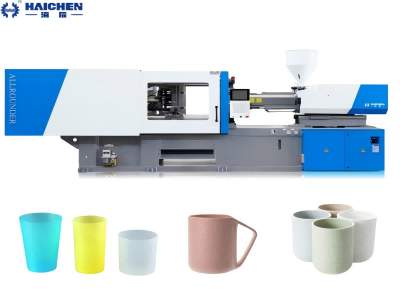
As long as the equipment is properly debugged and the materials are selected correctly. The injection molding machine can fully produce plastic cups made of PET and PLA. The whole process needs to be operated step by step: first, the raw materials are processed, then accurately injected into the mold, the cooling temperature is controlled. And finally some subsequent processing is done. This can ensure that the cups meet the quality standards and meet environmental protection requirements.