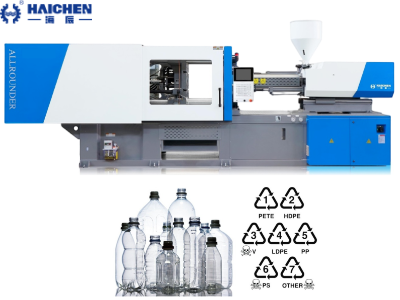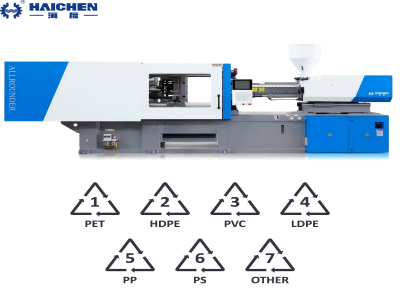
PVC injection molding is a manufacturing process that heats and melts PVC plastic material and injects it into a mold cavity, which then solidifies and forms a product.PVC injection molding is a very creative and reliable manufacturing process. It can produce highly efficient, durable and complex parts with high precision and cost-effectiveness. Due to its massive benefits, PVC plastic injection molding is highly preferred for part production in many industries.
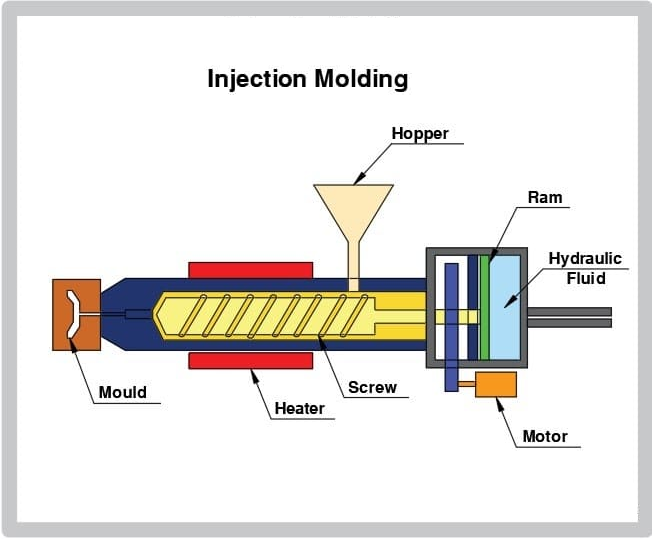
The PVC injection moulding process consists of different phases. These incorporate the liquefication of the plastic material through heating, and then this plastic liquid is injected under high pressure into a temperature-controlled mould. In the end, we solidify the product through cooling.
There are a few preliminary technical issues that we need to understand now.
Basic knowledge of PVC injection molding materials
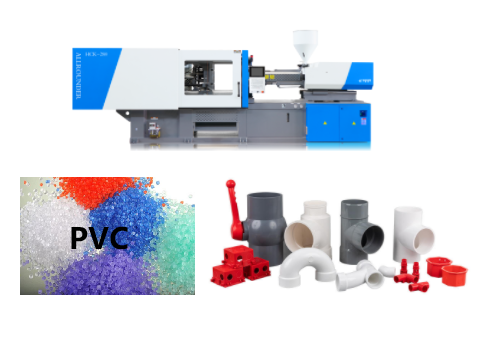
- What is PVC?
- Characteristics of PVC
- Can PVC be injection molded?
- PVC Injection Molding Processing Guide
What is PVC?
PVC is a popular thermoplastic polymer. Untreated PVC is white and can be brittle until additional plasticizers are added. PVC was first used commercially by the B.F. Goodrich Company during the 1920s. PVC can be manufactured as a rigid polymer or as a flexible plastic. Plasticized PVC will have more flexibility. Examples of flexible PVC include flooring for homes and insulation on electrical wires. Flexible PVC is often used as a replacement for rubber. The rigid form of PVC is most commonly used as a construction material found in pipes for plumbing, vinyl siding on buildings, and machine housings for electronics.
Characteristics of PVC
PVC plastic is budget-friendly material. It is resistant to environmental degradation, chemicals, and alkalis. PVC is a high-density material with great tensile strength and hardness. PVC is also easy to recycle. The material’s durability and manufacturing flexibility is the main reason it has become so widely used. These long-lasting characteristics make it the ideal choice for many industrial applications.
Can PVC be Injection Molded?
Yes. PVC can be liquefied and easily used in the injection molding process. Like other thermoplastics, PVC can be heated into a liquid state, cooled, and then reheated again without degradation. PVC exhibits excellent durability and resistance to chemicals, fire, and abrasion. Plastic PVC also has great dimensional stability and is highly impact-resistant. The PVC is available in a range of rigidity, making it an excellent material choice for a wide variety of injection molding applications.
PVC Injection Molding Processing Guide
ICOMold’s PVC injection molding processing guide follows the blueprint of most injection molding projects. PVC plastic begins as a pellet or powder. The pellet is then melted into a moldable state. The optimum PVC molding temperature is generally 345°F to 375°F. It is very important to process PVC at the correct melt temperature to avoid severe decomposition problems. The material is injected into the cavity of a two-part mold after the material has reached the melting temperature.
PVC injection molding offers the benefit of being able to use the PVC mold multiple times, resulting in a high production output rate. This is highly cost-effective and efficient when compared to other manufacturing methods. Injection molding allows customers to manufacture parts with greater detail and the ability to combine multiple assembly steps into one process.
Molding PVC (Polyvinyl Chloride) plastic involves several key steps and considerations, depending on the method used and the desired product.
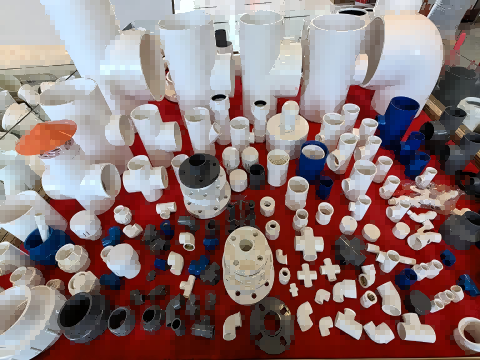
A brief overview of the PVC raw material injection molding process
PVC injection molding is a complex process involving multiple steps, including raw material preparation, plasticization, injection, pressure holding, cooling and demolding.
Here’s a structured guide:
- Material Preparation
- Heating
- Molding Techniques
- Cooling
- Ejection/Removal
- Post-Processing
- Safety Measures
Material Preparation
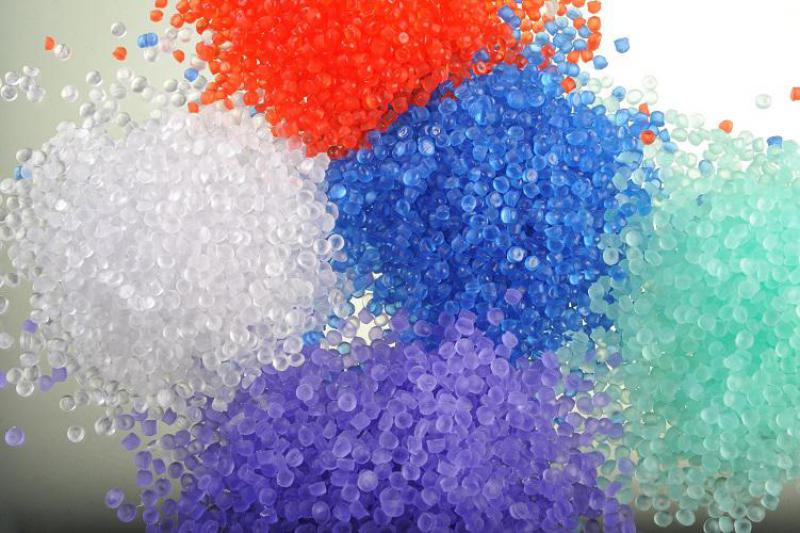
- PVC Types: Choose between rigid (uPVC) or flexible PVC (with plasticizers). Additives like stabilizers, lubricants, and pigments may be included to enhance properties.
- Form: PVC is typically processed as pellets, powder, or sheets.
Heating
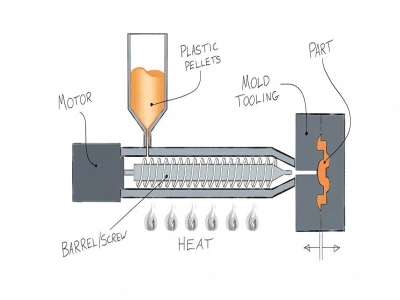
- Temperature Range: Heat PVC to 160–210°C (320–410°F). Avoid exceeding 200°C (392°F) to prevent decomposition and release of toxic hydrogen chloride gas.
- Equipment: Use industrial machines (e.g., extruders, injection molders) or controlled heat sources (heat guns, ovens) for DIY.
Molding Techniques
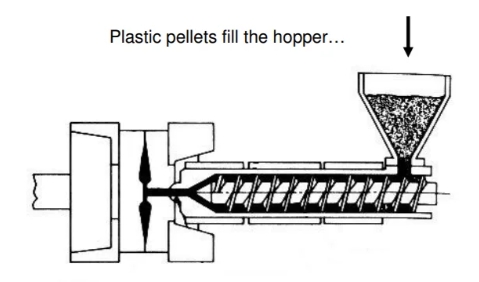
- Injection Molding:
- Melt PVC and inject it into a steel/pvc injection molding mold under high pressure.
- Ideal for complex, high-volume parts (e.g., fittings, toys).
- Extrusion:
- Push molten PVC through a die to create continuous profiles (e.g., pipes, cables).
- Blow Molding:
- Inflate a heated PVC parison inside a mold for hollow items (e.g., bottles).
- Compression Molding:
- Place PVC in a heated mold, apply pressure, and cool (common for large parts).
- Thermoforming (DIY):
- Heat PVC sheets until pliable, drape over a mold, and cool (e.g., trays, prototypes).
Cooling
- Controlled Cooling: Ensure even cooling to prevent warping. Use air or water cooling systems in industrial settings; air-cooling suffices for small projects.
Ejection/Removal
- Demolding: Remove the solidified part carefully. Industrial processes use ejector pins; DIY may require manual extraction.
Post-Processing
- Trimming: Remove excess material (flash) with knives or CNC machines.
- Finishing: Sand, paint (use plastic-specific paints), or assemble parts as needed.
Safety Measures
- Ventilation: Work in well-ventilated areas or use fume hoods to avoid inhaling fumes.
- Protective Gear: Wear gloves, goggles, and respirators.
- Temperature Control: Monitor closely to prevent decomposition.
Key Considerations
- Shrinkage: Account for ~1-5% shrinkage in mold design.
- Troubleshooting: Adjust temperature, pressure, or cooling rates to address defects like bubbles or warping.
- DIY Tips: For simple shapes, bend PVC pipes with a heat gun; use silicone molds for small thermoforming projects.
Industrial vs. DIY
- Industrial: High precision with specialized machinery.
- DIY: Limited to simpler shapes using heat guns, ovens, and basic molds.
By following these steps and prioritizing safety, PVC can be effectively molded into a wide range of functional and durable products.
PVC injection molding
PVC Injection Molding: Process Overview
A high-efficiency method for producing durable, customizable plastic products. Key steps include material preparation, melting, injection, cooling, and ejection.
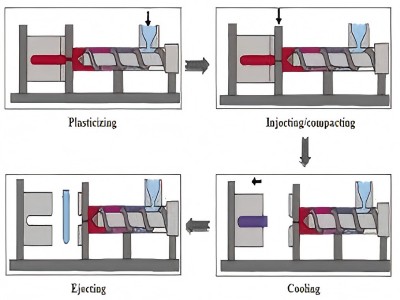
Let’s show them all for you:
- Process Flow
- Equipment Requirements
- Material Characteristics & Design Tips
- Key Applications
- Challenges & Optimization
- Environmental & Safety Considerations
Process Flow
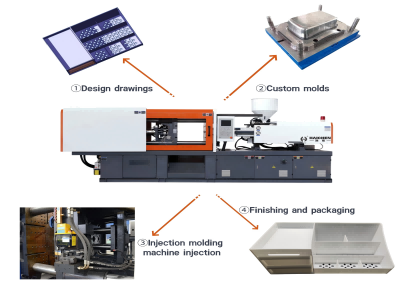
Material Preparation
- PVC Resin + Additives:
- Rigid PVC (uPVC): Used for pipes, window frames (no plasticizers).
- Flexible PVC: Requires plasticizers (e.g., phthalates or non-phthalate alternatives for medical use).
- Add stabilizers (tin/organic-based), lubricants, pigments, and UV inhibitors.
Heating & Melting
- Temperature: 345–375°F (174–191°C), adjusted for material type and mold design.
- Barrel Zones: Gradual heating (rear to front) to avoid thermal degradation.
- Nozzle Temperature: 10–20°C lower than the barrel’s end to prevent drooling.
Injection Stage
- Pressure Control:
- Stage 1: Slow injection to eliminate air traps.
- Stage 2: High pressure (500–1,500 bar) for mold filling.
- Screw/Plunger: Ensures uniform melt flow.
Cooling & Curing
- Mold Temperature: 30–60°C (cooling water channels).
- Cycle Time: Determined by part thickness (prevents warping).
Ejection
- Ejector Pins: Release the part after solidification.
- Mold Release Agents: Optional for complex geometries.
Equipment Requirements
- Corrosion Resistance:
- Chrome-plated screws/barrels or nickel alloys (due to HCl release).
- Screw Design:
- Compression Ratio: 1.6–3.0:1 (balances melting and shear stress).
- L/D Ratio: ~20:1 (optimal plasticization).
- Temperature/Pressure Sensors:
- Monitor melt temp (needle thermometers) and back pressure (~1 MPa).
Material Characteristics & Design Tips
PVC Types
- Rigid (uPVC): High strength, low cost (construction pipes).
- Flexible PVC: Softness via plasticizers (medical tubing, cables).
Thermal Stability
- Stabilizers: Combat HCl release (liquid Ca-Zn or tin-based).
- Decomposition Risk: Avoid >200°C (black streaks, toxic fumes).
Mold Design
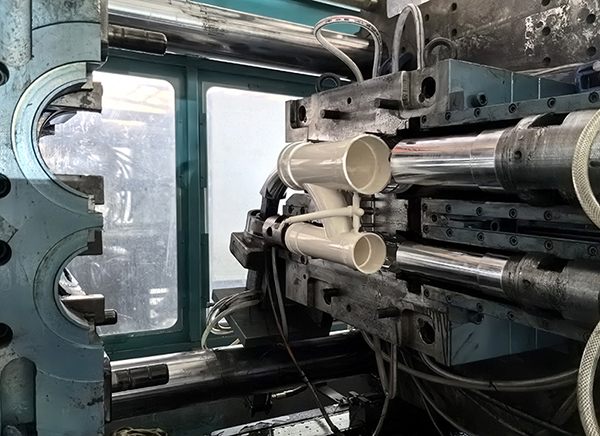
- Gate Placement: Thickest section to minimize sink marks.
- Runners: Circular cross-section (reduces pressure loss).
- Surface Treatment: Chrome plating for corrosion resistance.
Key Applications
- Construction: Pipes (100+ year lifespan), window profiles.
- Medical: Blood bags, catheters (biocompatible grades).
- Automotive: Dashboards, seals (weather-resistant).
- Electronics: Cable insulation, housings.
Challenges & Optimization
Degradation Control
- Process Limits: Strict temperature/time control (PID controllers).
- Ventilation: Scrubbers for HCl gas neutralization.
Equipment Maintenance
- Regular Cleaning: Prevent chloride buildup.
- Screw Inspection: Check for wear/pitting.
Process Optimization
- DOE Methods: Response Surface Methodology (RSM) for parameter tuning.
- AI Algorithms: Salp Swarm Algorithm to minimize material waste.
Environmental & Safety Considerations
- Recycling: uPVC is recyclable; flexible PVC poses challenges due to additives.
- Regulatory Compliance: REACH/ROHS restrictions on phthalates.
- Worker Safety: Respirators, fume extraction (HCl exposure limits).
PVC injection molding excels in producing versatile, cost-effective products. Success hinges on:
- Precise thermal control to avoid degradation.
- Corrosion-resistant equipment for longevity.
- Mold design tailored to material behavior.
- Compliance with health/environmental standards.
By balancing these factors, manufacturers achieve high-quality outputs across industries, from medical devices to infrastructure
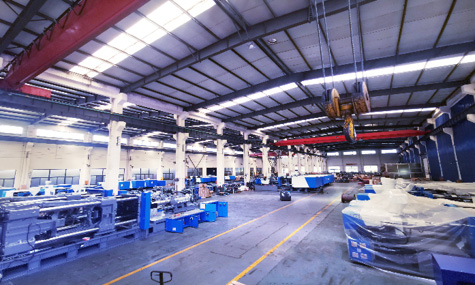
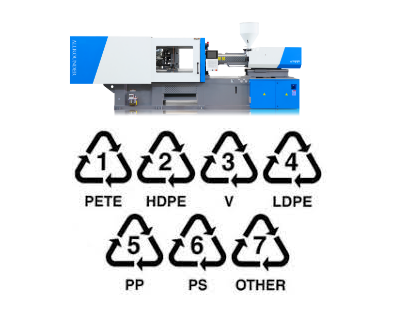
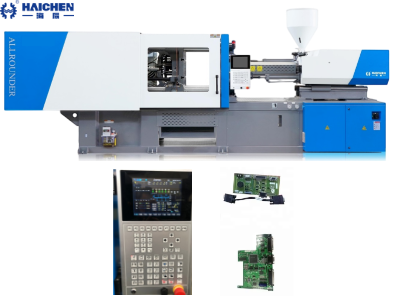
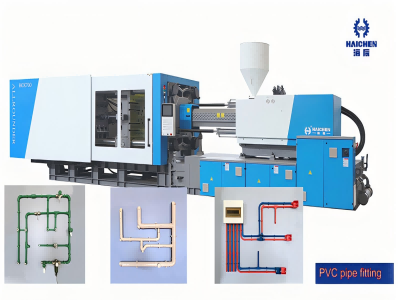
Haichen PVC injection molding machine
- Product Series and Scope of Application
- Technical Features
- Application areas
- Service and support
- Certification and compliance
Product Series and Scope of Application
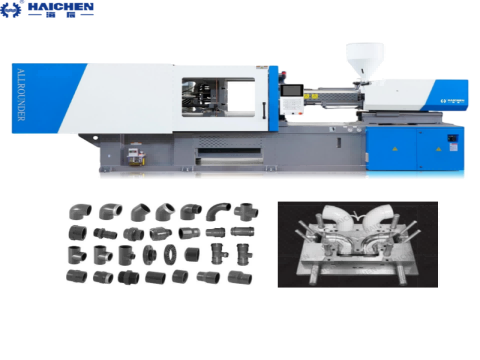
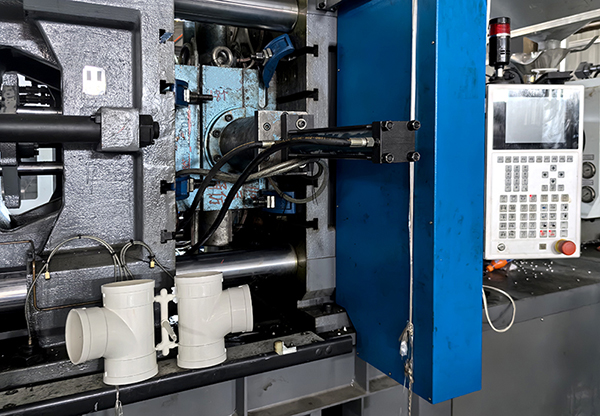
Haichen’s E series injection molding machines are specially suitable for PVC pipe fittings.
PET preforms, PC chairs, etc. are injection molded, with a clamping force range of 110 tons to 1200 tons.
This series is widely recognized by the industry as a standard model with an energy-saving system.
UPVC series is Haichen’s model dedicated to PVC materials, with a clamping force ranging from 90 tons to 3000 tons, meeting the needs of production of different scales.
In addition, Haichen also provides servo motor drive and high-speed high-performance HCK-PVC models, which can adapt to the special process requirements of PVC materials.
Technical Features
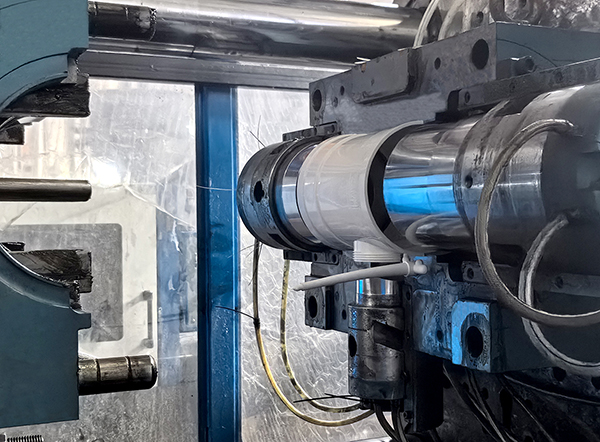
Screw and nozzle design:
In view of the easy decomposition of PVC materials, Haichen uses chrome-plated screws and special nozzles.
The screw length-to-diameter ratio (L/D) is 20:1, and the compression ratio is 1:1.6-1:1.2, ensuring uniform plasticization and reducing the risk of thermal degradation.
Multi-level control:
Injection pressure, speed,need to control back pressure and temperature precisely in multiple levels to avoid material decomposition due to improper parameters.
Servo energy-saving technology:
Some models are equiping with servo motor drive systems, which reduce energy consumption by up to 80%, while achieving low noise and high-precision control.
High-rigidity structure:
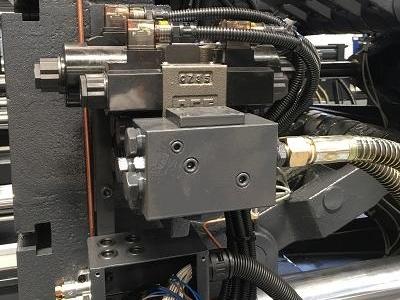
Imported hydraulic and electrical components are using, combined with bimetallic screws to improve equipment durability and stability.
Application areas
Pipe fittings production: such as PVC pipe joints, valves, etc., require multi-level injection speed and temperature control.
Daily necessities: plastic basins, hangers, tableware (knife, fork, spoon), etc.
Medical and packaging: thin-walled products such as oxygen masks, blood collection tubes, and cosmetic packaging.
Industrial parts: chemical barrels, auto parts, etc.
Service and support
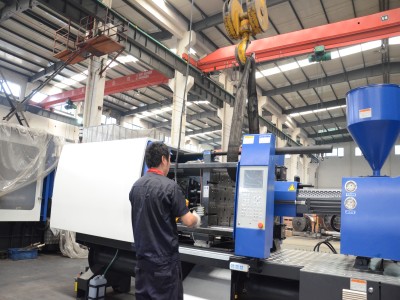
Warranty policy: The warranty period is calculated from the date of shipment of the equipment.
If the user operates correctly and uses compliant materials, Haichen will replace damaged parts free of charge and send engineers for on-site support if necessary (travel expenses will be shared as appropriate).
Fast delivery: Haichen has more than 100 injection molding machines in stock, which can shorten the delivery cycle.
Global service: Provide one-stop solutions such as mold testing, customer training, maintenance, etc., and the service team covers multiple markets such as Europe, America, and Asia.
Certification and compliance
Haichen injection molding machines comply with the EU CE certification standards and are evaluated by third-party organizations (such as EN ISO 12100 safety standards) to support customers to enter the European market.
Haichen’s PVC injection molding machines are using widely in pipe fittings, daily necessities and industrial fields with multiple series, high compatibility and energy-saving technology as their core advantages.
Our equipment design fully considers the processing characteristics of PVC plastic materials (such as heat sensitivity) and reduces production risks through professional screws and precise control.
In addition, the global service network and compliance certification further enhance market competitiveness.
Choose us to inject powerful power into your PVC product injection molding production.
Welcome to write to inquire more.