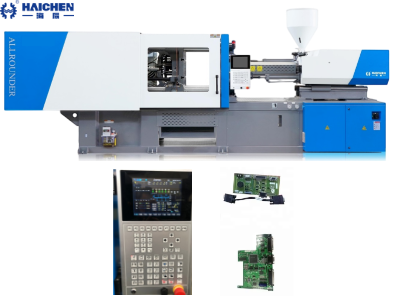
Plastic chair production line integrates precision mold technology, automation equipment and environmental innovation.
And needs to be coordinated and optimized in all aspects of design, materials, processes and quality control.
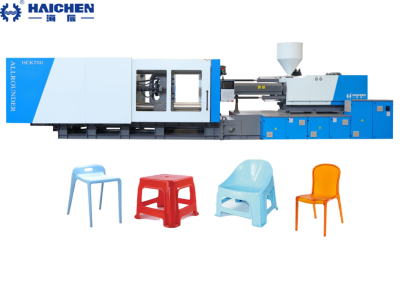
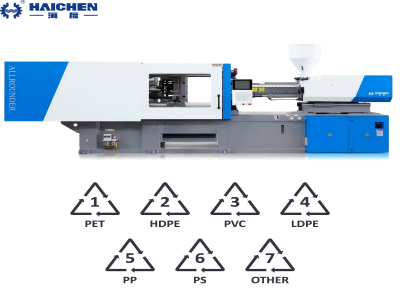
Plastic Chairs Injection Molding Machine
Horizontal injection molding machines are mainly used in the production of plastic chairs.
Because they are suitable for large products (such as automobile parts, home appliance shells, etc.), and have a high clamping force and injection volume.
The horizontal clamping structure of the horizontal injection molding machine facilitates mold installation and automatic pick-up,
While supporting multi-cavity design to improve production efficiency.
For high-precision or complex structural chairs, such as office chairs with armrests, all-electric injection molding machines can be used.
Which are energy-efficient, environmentally friendly, and high-precision to reduce material waste and ensure product consistency.
Higher output and steady operation with less energy consumption.
Energy saving closed-loop control to improve respond speed and injection carriage linear guide to improve injection precision and speed.
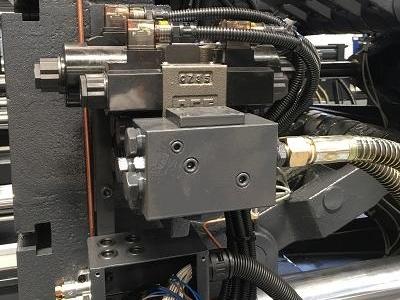
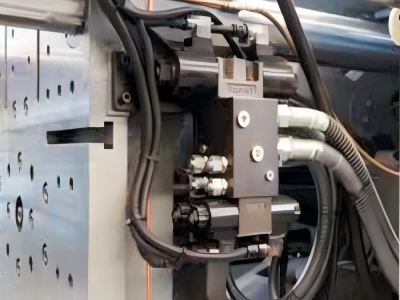
Silent high efficiency hydraulic system make plastic injection machine run at a much lower noise level.
Plastic chairs
Plastic chairs, commonly known as mono block chairs, use thermoplastic polypropylene as their material.
These lightweight polypropylene chairs appear in a variety of settings.
Plastic chairs provide a cost-effective sitting configuration in both household and business settings.
Plastic chair prodcution line
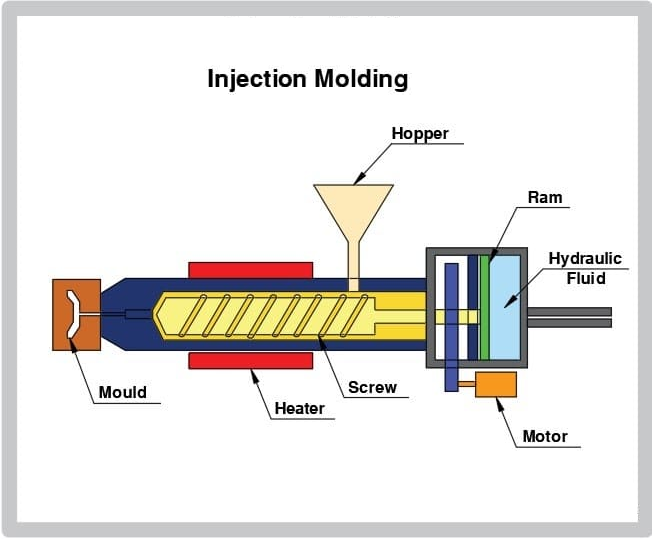
The plastic chair production line first heats granules to roughly 220 degrees Celsius and then injects the melt into a mold.
The mold’s gate often sits in the seat to provide a fluid flow to all regions of the piece.
Manufacturers offer injection molds for plastic injection molded chairs, infant chairs, and plastic garden and patio furniture.
The type of plastic material used to produce the plastic chairs distinguishes them.
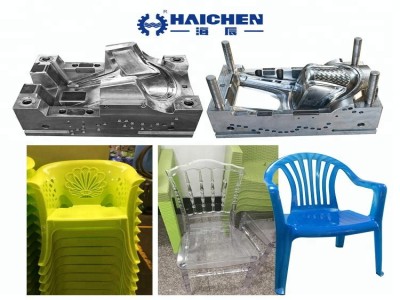
Types of plastics
In the market, two types of plastics exist: thermoplastics and thermosets.
Manufacturers can soften thermoplastics like PVC, polypropylene, acrylic, and polythene by heat and shape them through injection molding, vacuum forming, or blow molding.
Heat generates thermosets, but once produced, they become like concrete and cannot change through reheating.
Examples include melamine (kitchen countertops), polyester, carbon fiber, and epoxy resins.
Charging
During the charging step, the Sporulation Plastic powder enters the mold cavity.
When creating great plastic chairs, the plastic utilized is heavily reliant on the features you want to notice.
Once the powder enters the mold cavity, the manufacturer attaches the other mold components, sealing them for heating.
Heating
The scorching of the plastic powder is an important factor that contributes to the outcomes of the items you create at this stage.
Heat melts the plastic powder and binds it to the mold’s walls.
The mold rotates along two perpendicular axes while the molten polymers adhere to the walls, ensuring a homogeneous coating.
Cooling
This allows the ingredients to cool as the mold continues to revolve.
This is done to guarantee that the plastic components cool evenly and without sagging or other abnormalities.
Removal of a component
This is the procedure through which the manufacturer removes the part as the finished product.
After you remove the part, you’ll better understand the items’ condition and the quality you’ll invest in.
The plastic chair production line uses three unique procedures, with injection molding being one of the most popular.
Consider the many components of the production processes and choose a manufacturing method that tailors to your individual requirements.
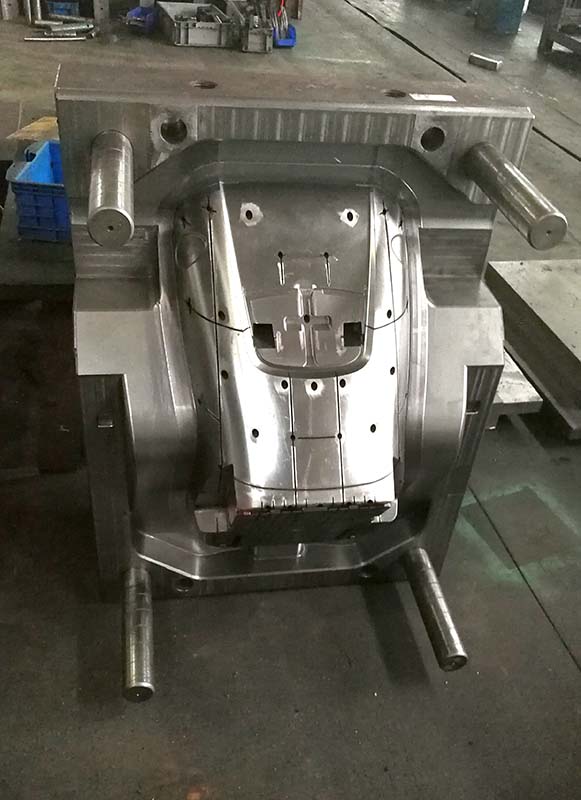
Chair production line layout and process optimization
The plastic chair injection molding production line is usually divided into six functional areas.
Production area (injection molding machine and auxiliary equipment), auxiliary area (mold maintenance, crushing and recycling).
Storage area (raw materials and finished products), passage, management area and living area.
Smooth logistics
Raw materials enter from the right side, finished products are output from the left side, reducing cross-transportation.
Noise control
High-noise processes such as crushing and granulation concentrate in the soundproof area.
Equipment grouping
Centralized production by product type (e.g., chair back, chair seat) for easy management.
Proximity to utilities
Water, electricity, and gas pipelines are located nearby to reduce energy consumption.
Haichen plastic chair injection molding machine production line
The efficient operation of the plastic chair injection molding machine production line depends on equipment selection, mold design, automation integration and strict quality control.
Haichen‘s green manufacturing (bio-based plastic applications) and flexible production (modular tooling supports high-mix.
Low-volume production) meet the diverse needs of the South African market and respond to global sustainability goals.