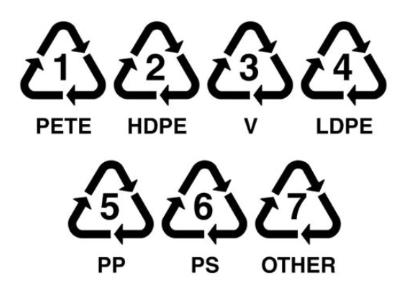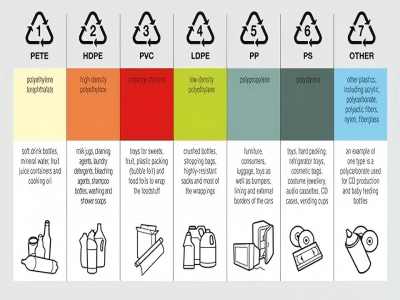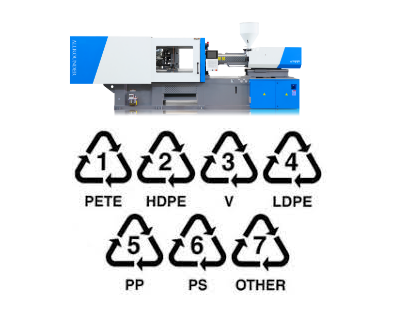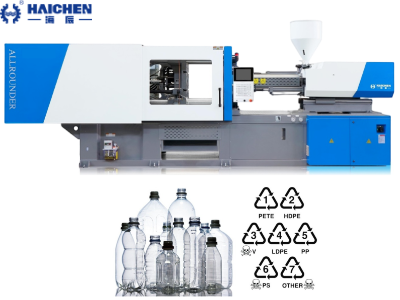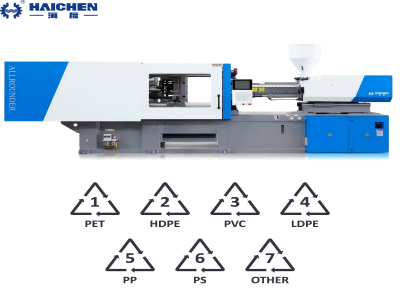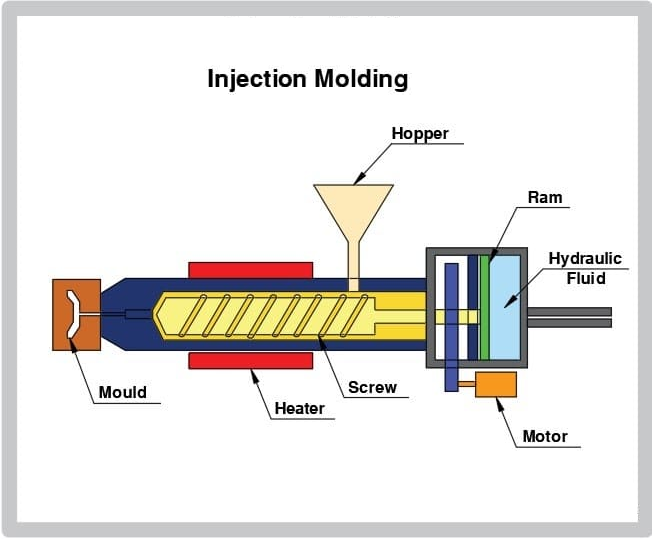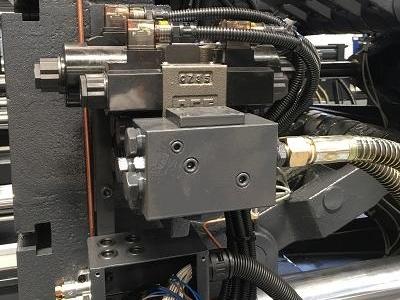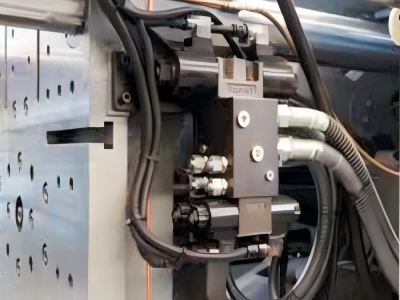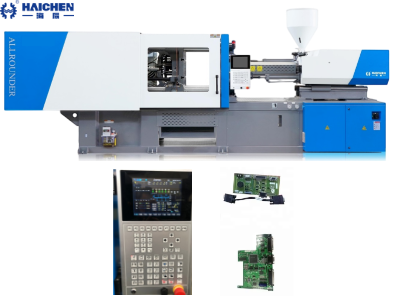
An injection molding machine (also spelled injection moulding machine), also known as an injection press, is a machine for manufacturing plastic products by the injection molding process. It consists of two main parts, an injection unit and a clamping unit.
The design requirements for plastic basin molds include reasonable structural design, efficient cooling system, optimized pouring system, and good surface treatment. The selection of materials should be comprehensively considered based on the characteristics of plastic materials, the usage environment of molds, and production requirements.There are significant differences in the adaptability of plastic basin made of different materials to machines and molds, mainly reflected in material properties, processing technology, mold design, and usage environment.
Choose plastic basin machine and mold require considering multiple factors to ensure that a high-quality product is produced. we will discuss details from following 5 aspects
- Analyze the processability of plastic parts
- Selection of injection molding machine
- Mold design
- Choose plastic basin process parameter verification
- Practical verification
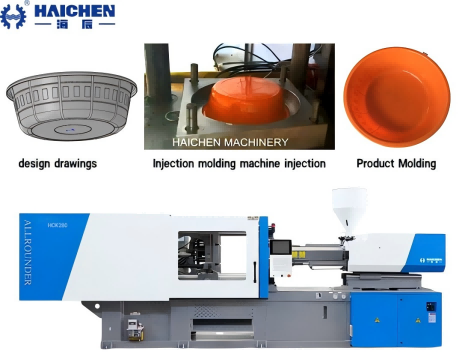
The following are detailed steps:
Analyze the processability of plastic parts
It is necessary to conduct a detailed analysis of the production requirements and production requirements. It’s including the dimensional accuracy, surface quality, structural characteristics and performance of plastic parts. These factors will directly affect the design of the mold and the selection of the injection molding machine.
The common specifications and material requirements for plastic pots are as follows:
Polypropylene (PP)
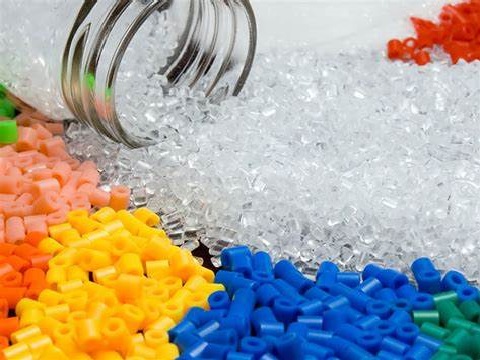
It has excellent temperature and chemical resistance, can withstand high temperature use, and is not easily broken or deformed. PP plastic pots are superior to PE plastic in terms of heat resistance, safety, and chemical resistance, so PP is considered a safer choice when making basins and other applications.
Polyethylene (PE)
Low cost, versatile, good formability, and affordable price. PE plastic pots are not resistant to high temperatures, but they have good insulation properties.
Polyvinyl chloride (PVC): not resistant to high temperatures, but has good insulation properties.
Polystyrene (PS)
It also has good temperature resistance and chemical resistance.
ABS (acrylonitrile butadiene styrene copolymer)
It has good optical properties and weather resistance, but long-term exposure to hot water can shorten its service life.
Common plastic basin specifications has following:
Size specifications
The size specifications of plastic pots vary depending on their usage. For example, common sizes of washbasins include 500 × 430 × 450mm, 610 × 470 × 65mm, 600 × 450 × 185mm, etc., which are suitable for different types of washbasins, such as hanging basins, ultra-thin countertops, and under table washbasins.
Specific dimensions
The size of the plastic basin varies depending on the type of product. For example, a 22 inch plastic basin measures 55 centimeters (diameter) x 26 centimeters (height), a 24 inch plastic basin measures 61 centimeters (diameter) x 29 centimeters (height), and a 26 inch plastic basin measures 66 centimeters (diameter) x 32 centimeters (height)
Selection of injection molding machine
The selection of injection molding machines requires comprehensive consideration of parameters such as locking force, injection volume, mold closing stroke, screw diameter, injection pressure, injection speed, plasticizing ability, mold thickness range, and rod spacing to ensure the efficiency of the injection molding process and product quality.
Clamping force
Locking force is the maximum pressure that an injection molding machine can apply when closing the mold, used to prevent the mold from separating during the injection process.
The calculation of locking force is usually based on the projected area of the product and the cavity pressure, with the formula: locking force=projected area of the product x cavity pressure.
In addition, the locking force should be greater than 1.17 times the locking force of the mold to ensure that the mold will not be stretched during the injection process.
Injection volume
Injection volume refers to the maximum plastic melt volume that an injection molding machine can provide in one injection process, usually measured in grams or kilograms.
The formula for calculating injection volume is: injection volume=product weight+channel system weight.
The injection volume should be ensured to be between 20% and 80% of the rated injection volume of the injection molding machine to avoid material waste or equipment overload. In addition, the injection volume should also be comprehensively considered based on factors such as the weight of the product, the loss of the runner and gate.
Mold closing stroke
Mold closing stroke refers to the displacement of the mold from closing to opening, which affects the maximum mold thickness and product removal depth.
The size of the clamping stroke determines the maximum product size and depth that the injection molding machine can produce. For example, the maximum mold opening stroke of a certain model of injection molding machine is 1030mm, which is suitable for deeper mold products.
In addition, the closing stroke should also meet the minimum opening stroke requirement of the mold to ensure that the product can be smoothly removed.
Other parameters
In addition to locking force, injection volume, and clamping stroke, the selection of injection molding machines also needs to consider other parameters, such as screw diameter, injection pressure, injection speed, plasticizing ability, mold thickness range, pull rod spacing, etc.
These parameters collectively determine the processing capability and production efficiency of the injection molding machine. For example, the diameter and aspect ratio of the screw affect the injection rate and plasticizing effect, while the spacing between the pull rods determines the external dimensions and width of the mold
Mold design
The design of plastic basin molds needs to comprehensively consider factors such as parting surface, sprue, cooling system, exhaust system, ejection method, and mold structure to ensure the quality of plastic parts, production efficiency, and mold life.
Design of parting surface
The parting surface should be selected at the maximum contour of the plastic part section, which is convenient for demolding and exhaust, while not affecting the appearance and structure of the plastic part. The parting surface should meet the requirements of mold processing, exhaust, demolding, and forming operations.
Gate design
The gate is a critical part of the pouring system, and its shape, quantity, size, and position have a significant impact on the quality of the plastic parts. The sprue should be selected on the parting surface as much as possible to ensure that the plastic flows evenly into the mold cavity, avoid direct impact on the mold cavity wall or insert, and reduce weld marks and bubbles. For plastic flower pots, a bottom center gate is usually used to ensure uniform flow rate and reduce waste.
Cooling system design
The function of the cooling system is to quickly and evenly dissipate the heat inside the mold to prevent plastic deformation and thermal degradation. The cooling water channels should be evenly distributed, and cooling should be strengthened in key areas to improve production efficiency and product quality. The diameter of the cooling water channel is usually controlled between 6-8mm, with a large number and close arrangement, which can shorten the cooling time.
Exhaust system design
The exhaust system is used to exhaust the air and gases generated by the decomposition of the melt in the mold cavity, preventing the generation of bubbles and pores. The exhaust groove should be set near the parting surface, and the depth and width should be adjusted according to the material flowability, usually 0.1-0.2mm deep and 1-2mm wide.
Top out method
The top out method should be selected according to the structure of the plastic part and the demolding requirements, such as top rod, top pipe, push plate or combined top out. When ejecting, the top rod should be balanced to ensure that the plastic part does not deform, break, or have any white phenomenon.
Cooling and Heating Methods
Choose the cooling or heating method based on the material characteristics. The shape and position of the heating and cooling groove, as well as the installation location of the heating element, should be designed reasonably to ensure uniform mold temperature and improve product quality.
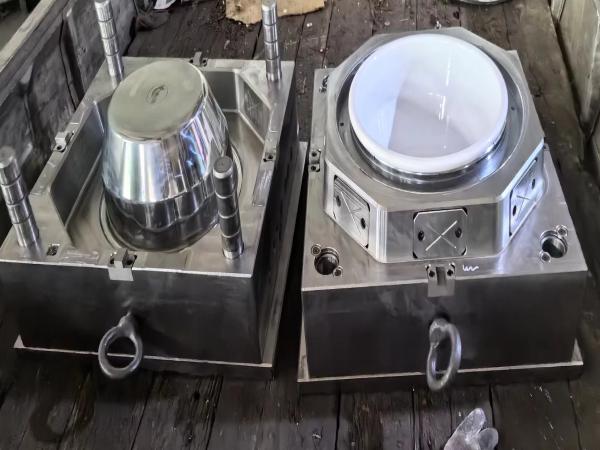
Choose plastic basin process parameter verification
After determining the mold and injection molding machine, it is necessary to verify the process parameters, including injection speed, melt temperature, mold temperature, holding time, etc., to ensure the quality of the plastic parts produced.
Injection molding temperature
- Barrel temperature:
PP material: 220-300 ℃ (zone 3-5), nozzle temperature 240 ℃.
PE material: 220-280 ℃.Verification method: - Real time monitoring of temperature in each section of the material barrel to ensure that it is between the melting temperature and decomposition temperature of the material
- Use thermocouples to calibrate equipment accuracy.
Mold temperature
- Standard range:
PP material: 20-80 ℃, high gloss products require above 60 ℃.
Special materials (such as PEI): 150-160 ℃.
- Key verification points:
Temperature uniformity detection to prevent deformation or shrinkage marks.
Regularly measure different points in the mold cavity with a surface thermometer.
Pressure and time parameters
- Injection pressure: HDPE material: 80-140MPa, thin-walled containers can reach up to 180MPa.
- Pressure holding: 30-60% of the injection pressure.
- Time control: Pressure holding time: 3-10 seconds.
- Cooling time: 5-60 seconds (adjusted according to wall thickness).
- Verification method:
The pressure sensor records the curve in real-time and compares it with the set value.
Optimize parameter combinations through orthogonal experiments (such as holding pressure of 48MPa+melt temperature of 260 ℃)

Practical verification
Verify the rationality of the selected injection molding machine and mold through mold trial, and adjust the process parameters to optimize the production effect. If the mold trial result is not ideal, the mold needs to be redesigned or the injection molding machine parameters need to be adjusted.
Selecting the injection molding machine and mold for plastic basins is a comprehensive process, which requires full consideration of the processability of plastic parts, the technical parameters of the injection molding machine, and the rationality of the mold design. Through scientific design and reasonable process parameter settings, product quality and production efficiency can be effectively improved.
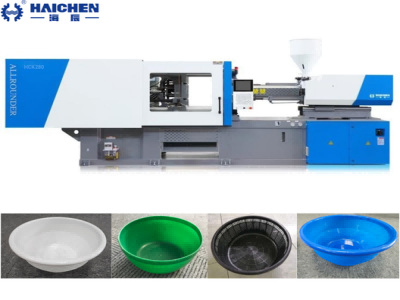
Haichen plastic basin injection molding machine
Haichen is one Chinese injection molding machine manufacturer for more than 10years. Our servo energy saving injection molding machines quality are under CE safety standards certificated.
Haichen have rich experience of producing plastic basin injection molding machine. We have successfully cases for your reference. We can choose and supply injection molding machine and mold of plastic basin as per customer’s specific demand.