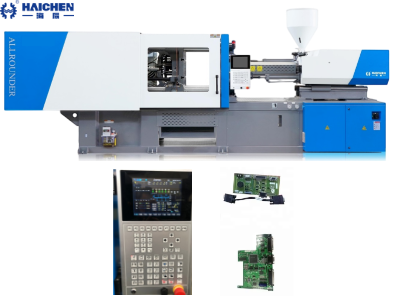
Choosing an injection molding machine for teakettles requires comprehensive consideration of multiple key parameters such as clamping force, injection volume, mold size, machine type, etc.
High-quality teakettles are a common household appliance, primarily used to boil water and make tea. They offer diverse options in terms of material, design, function and usage scenarios, appropriate for consumers with varying needs.
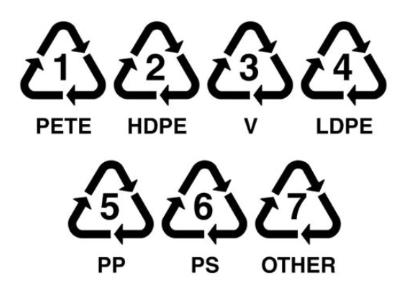
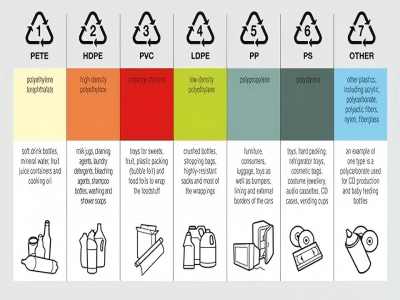
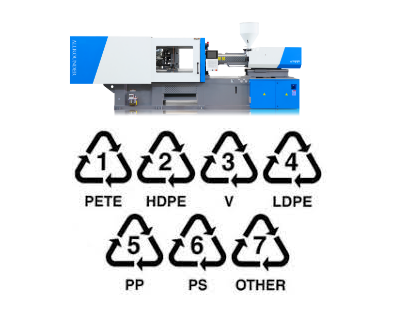
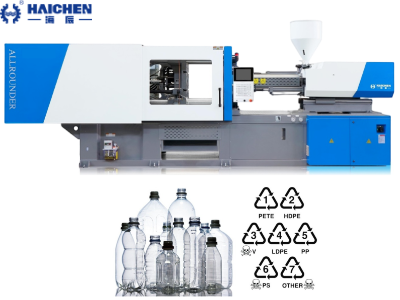
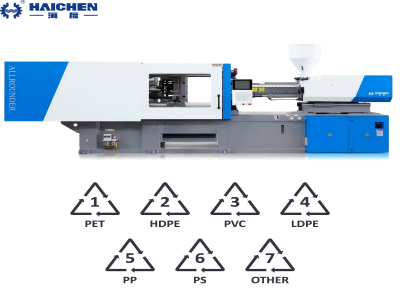
Plastic teapots are usually made of polystyrene (PS), polypropylene (PP) and low-density polyethylene (LDPE). These materials have good heat resistance and lightness, but compared with metal materials, plastic teapots are less durable at high temperatures. Many customers still choose them as cold drink containers.
Key Steps to Select an Injection Molding Machine for Teakettles
As with any injection molding product, a comprehensive understanding of the product characteristics is essential before choosing the appropriate equipment.
Let’s make a preliminary list from the perspective of professional injection molding equipment performance.
Choosing an injection molding machine suitable for teapot production is a process involving multiple key steps, which requires comprehensive consideration of material properties, product design, production requirements, and equipment performance.
- Identify the production requirements of plastic teapots
- Determine the type of injection molding machine
- Evaluate the capacity and size of the injection molding machine
- Consider machine performance and stability
- Choose the right plastic teapot mold
- Consider cooling system and temperature control
- Consider energy efficiency and maintenance costs
- Consider total cost of ownership (TCO)
- Testing and verification
- Choose the right supplier
Identify the production requirements of plastic teapots
Before selecting an injection molding machine, you must clarify the specific requirements of the product, including:
Production: The number of teapots that need to be produced per day, week, or year.
Product size and shape: Design parameters such as the size, height, and diameter of the teapot.
Material specifications: The plastic materials used (such as polypropylene, polyethylene, ABS, etc.) and their performance requirements.
Quality requirements: Whether the product requires high precision, high temperature resistance, impact resistance, etc.
Special functions: Whether special processes such as gas-assisted injection and thermosetting plastics are required.
This information will help you determine the type and specifications of the injection molding machine you need.
Determine the type of injection molding machine
Choose the appropriate type of injection molding machine according to production requirements. Common types include:
Horizontal injection molding machine: suitable for products with large size or complex shape.
All-electric injection molding machine: with high precision and energy efficiency, suitable for small and medium batch production.
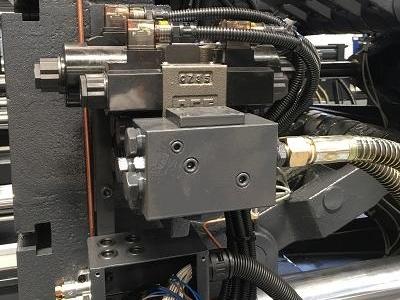
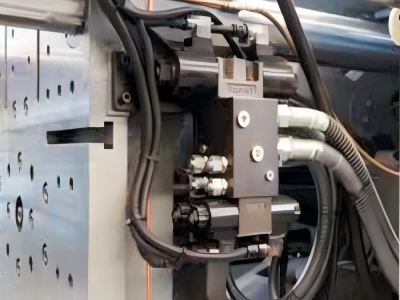
Hydraulic drive injection molding machine: suitable for occasions requiring large tonnage and high pressure.
Gas-assisted injection molding machine: used to reduce internal stress and improve product quality.
Each type of injection molding machine has its scope of application and advantages, and needs to be selected according to actual needs.
Evaluate the capacity and size of the injection molding machine
The capacity and size of the injection molding machine must match the production requirements:
Clamping force: ensure that the mold will not be deformed or damaged during the closing process. The clamping force is usually required to be 0.50-1.0 tons/square centimeter of projected injection area.
Injection unit size: select the appropriate injection unit according to the required shot volume.
Mold installation space: ensure that the mold installation height and mold opening path are within the allowable range of the injection molding machine.
Consider machine performance and stability
Repeat accuracy: Ensure that the injection molding machine can maintain consistent size and quality during multiple operations.
Control system stability: Choose an injection molding machine with a stable control system to ensure the stability of parameters such as temperature and pressure.
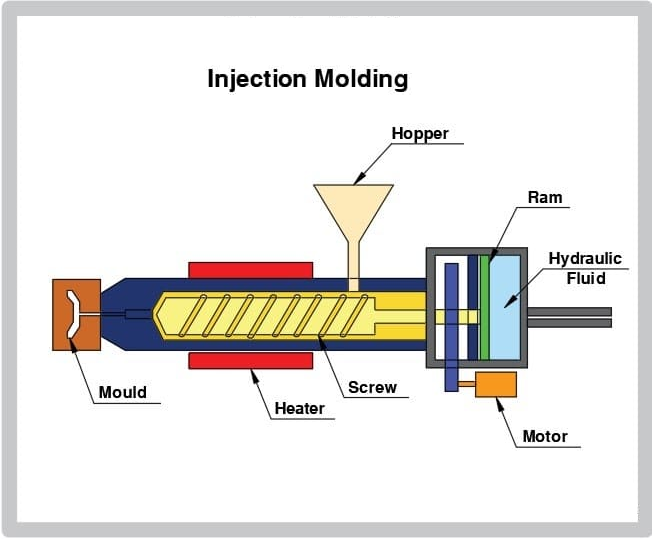
Screw design: It is recommended to use a screw with a compression ratio between 2.0:1 – 2.5:1, and consider using bimetallic screws and case-hardened screws to improve wear resistance.
Choose a suitable mold
Mold design: The design of the mold should match the performance of the injection molding machine, including the size, weight, special structure of the mold, etc. The design of the mold should consider the fluidity and cooling effect of the material.
Mold installation: Ensure that the mold can be properly installed on the injection molding machine to avoid damage or alignment problems caused by improper installation.
Mold material: Molds are usually made of steel or aluminum alloy to ensure their strength and durability.
Consider cooling system and temperature control
Cooling system: Ensure that the mold can be effectively cooled during the injection molding process to prevent overheating or deformation of the material. The recommended cooling water temperature is between 30°C – 50°C.
Temperature control: Precisely control the melt temperature and mold temperature to ensure product quality. For example, the melt temperature of polyoxymethylene (POM) materials should be adjusted according to factors such as screw design and material residence time.
Consider energy efficiency and maintenance costs
Energy efficiency: Choose energy-saving injection molding machines to reduce long-term operating costs. For example, all-electric injection molding machines are generally more energy-efficient than hydraulic-driven injection molding machines.
Maintenance costs: Evaluate the maintenance needs and costs of the injection molding machine, and choose equipment that is easy to maintain and service.
Consider the total cost of ownership (TCO)
Initial investment: Although the initial cost of a high-performance injection molding machine is higher, its long-term operating cost may be lower.
Operating costs: Include electricity consumption, raw material costs, etc.
Maintenance and repair: Evaluate the maintenance cycle and repair costs of the injection molding machine.
Testing and verification
Trial production: Before formal production, trial production is carried out to verify the performance of the injection molding machine and mold.
Quality inspection: Check whether the product’s size, surface quality, strength, etc. meet the requirements.
Choose the right supplier
Supplier qualifications: Choose suppliers with good reputation and technical support to ensure the reliability of equipment and after-sales service.
Customized service: If the production requirements are special, you can choose a supplier that provides customized solutions.
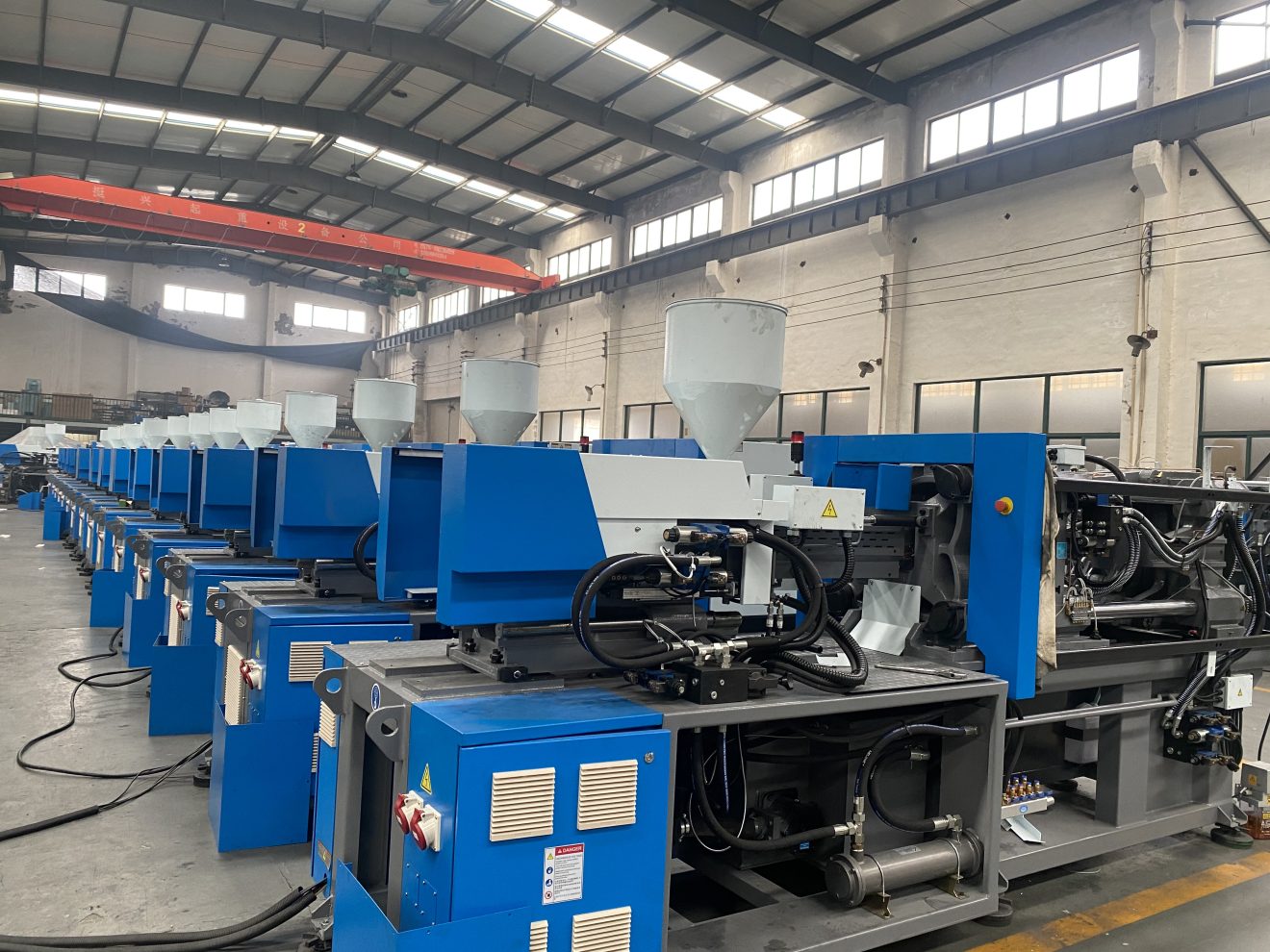
Haichen teakettles Injection molding machine
Haichen’s injection molding machines are well-suited for manufacturing teakettles, offering versatility, precision, and efficiency. Below are key technical details and machine recommendations:
- Applicable Machine Models & Series
- Technical Advantages
- Production Process Support
- Success Cases & Services
- Recommended Machine Selection
Applicable Machine Models & Series
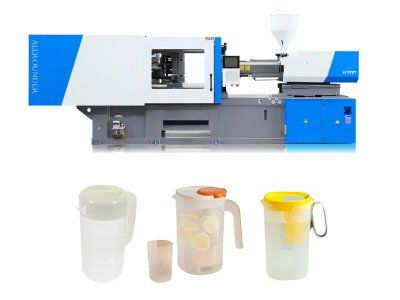
- E-Series Standard Machines:
Ideal for molding materials like PP and PC, supporting complex shapes. Tonnage ranges from 110 to 1,200 tons, adaptable to teakettle molds of varying sizes. - HC-Series High-Precision Machines:
Example: HCK310 (310 tons). Equipped with servo motors and multi-stage pressure control, suitable for thin- or thick-walled teakettles with high dimensional consistency. - Servo Energy-Saving Series (HCK-Series):
Reduces energy consumption by 20–80% through precise temperature/pressure control, ideal for high-volume teakettle production.
Technical Advantages
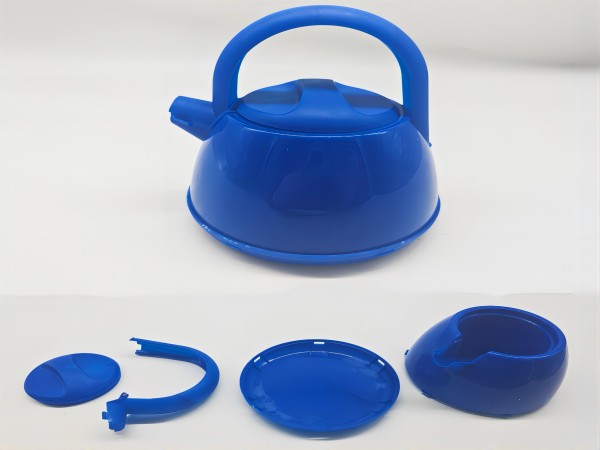
- High Precision & Automation:
Electric drive systems and smart controls (IoT/AI-enabled) optimize injection speed, pressure, and cycle times for consistent quality and surface finish. - Material Flexibility:
Compatible with PP, ABS, PC, and PC-ABS blends for heat-resistant teakettles. Supports biodegradable materials like PLA. - Eco-Friendly Efficiency:
Servo-driven systems minimize energy waste, aligning with sustainability goals.
Production Process Support
- Mold Design:
Optimized for deep-cavity molds (e.g., teakettle bodies). Air ejection technology prevents surface damage during demolding. - Cycle Optimization:
Simultaneous injection and cooling reduces cycle time (e.g., 60 seconds/cycle for similar products like plastic bowls).
Success Cases & Services
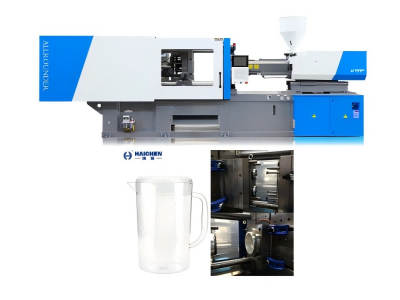
- Proven in producing tableware (bowls, spoons), bottle caps, and other household items.
- Offers custom solutions, global after-sales support, mold design assistance, and technical training.
Recommended Machine Selection
- Small Teakettles:
Hybrid machines (e.g., 180-ton models) combine hydraulic clamping stability with electric injection precision. - Large/Complex Teakettles:
Servo-driven machines ≥300 tons (e.g., HCK310) ensure sufficient clamping force and injection capacity.
Haichen machines deliver high-quality teakettles with precision, speed, and energy efficiency. For detailed selection, consider product size, material, and production volume.
Contact us if you need further assistance!