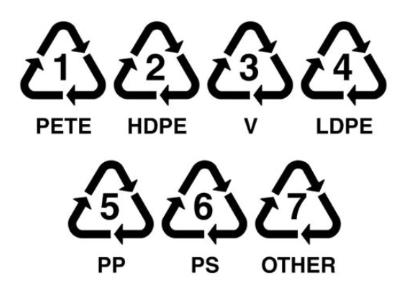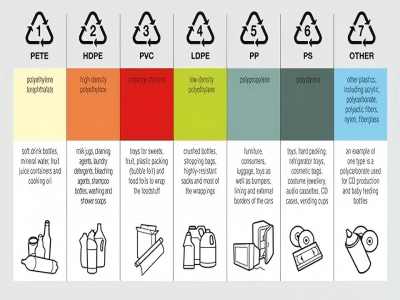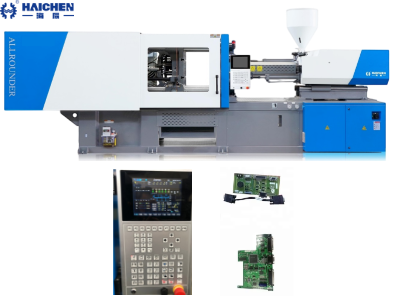
Material Selection for teakettle body needs to meet multiple standards such as heat resistance, safety, easy processing, and environmental protection.
As a daily necessities that are in direct contact with high-temperature liquids and need to be used frequently.
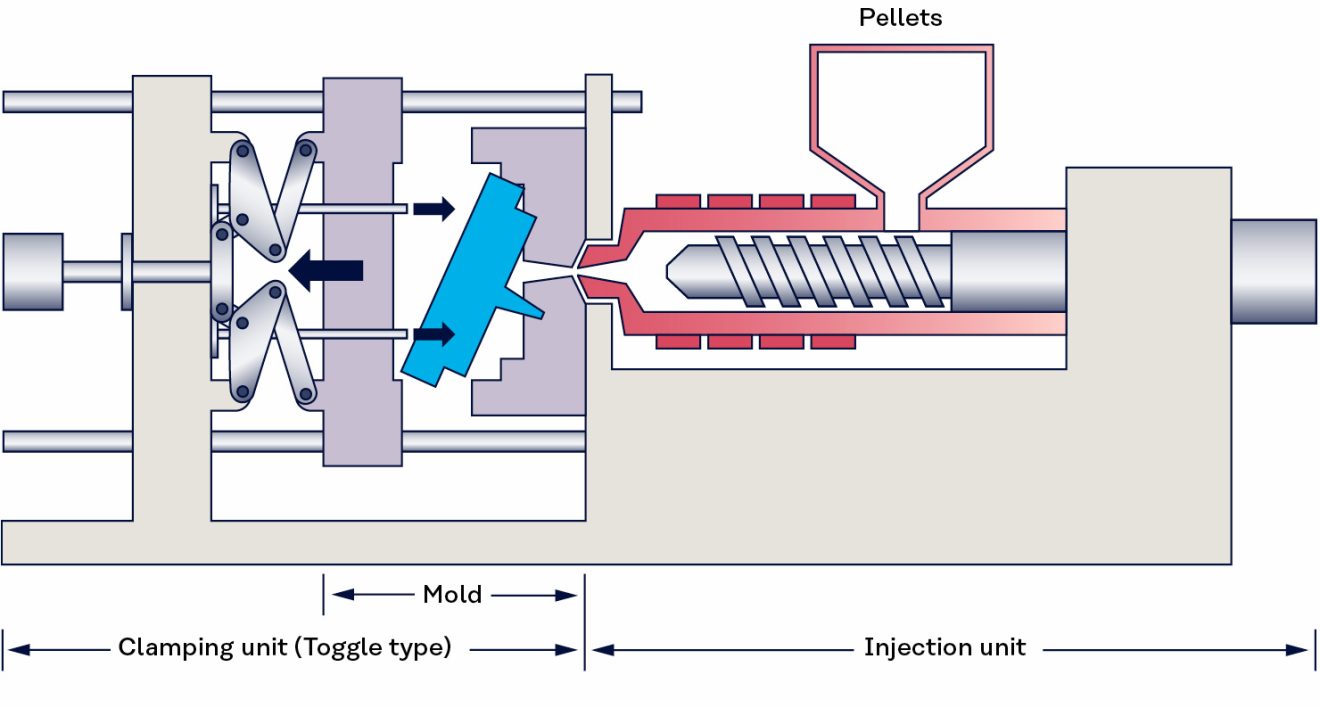
The selection of thermoplastic and injection molding materials is aimed at planning quantitative analysis of parts, determining load, stress, strain and environment, and making the best material decisions based on the analysis.
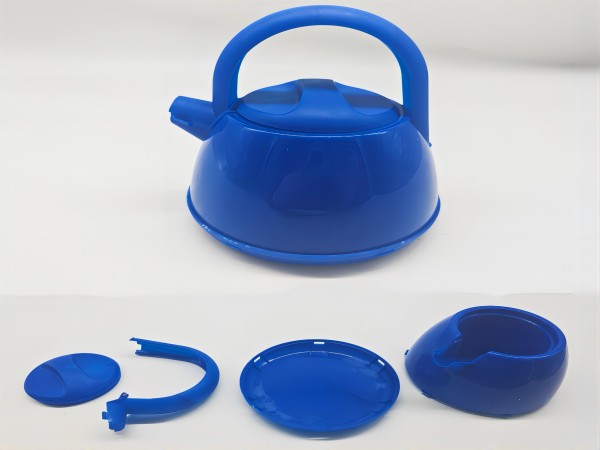
The basic requirements of injection molding for plastic materials
- Fluidity
- Shrinkage rate and dimensional stability
- Thermal performance
- Mechanical properties
- Hygroscopicity and drying requirements
- Processing performance
- Chemical stability
- Surface quality
- Environmental protection and recyclability
- Special properties
Fluidity
Plastic materials need to have good fluidity to ensure that they can evenly fill the mold cavity under high pressure and avoid defects such as bubbles and voids.
Shrinkage rate and dimensional stability
The shrinkage rate of the material should be controlled within a reasonable range to reduce the dimensional deviation of the products after molding.
Meanwhile, the material should have good dimensional stability to avoid deformation caused by temperature changes.
Thermal performance
The material should have an appropriate melting point and heat distortion temperature to adapt to the high-temperature conditions during the injection molding process.
And ensure that the product does not deform or get damaged due to temperature changes during use.
Mechanical properties
The material should have sufficient strength, rigidity and toughness to meet the mechanical requirements of the product.
For instance, polyamide (PA) is suitable for high-strength requirements.
While polytetrafluoroethylene (PTFE) is appropriate for insulation performance demands.
Hygroscopicity and drying requirements
Some materials, such as polycarbonate (PC), are hygroscopic and need to be thoroughly dried.
Before processing to prevent the formation of bubbles or blisters in the products.
Processing performance
The material should be easy to process, including good fluidity, low shear sensitivity and an appropriate melt index.
For instance, PP and PE have better fluidity and are suitable for thin-walled products.
Chemical stability
The material should have good chemical stability to prevent reactions with solvents, acids, bases, etc. during processing or use.
Surface quality
The material should be able to provide a smooth surface and reduce surface defects of the product such as brushing and cold spots.
Environmental protection and recyclability
Some materials need to meet environmental protection requirements, such as being degradable or recyclable.
Special properties
Depending on the application of the product, the material may be required to have special properties such as flame retardancy, UV resistance, and transparency.

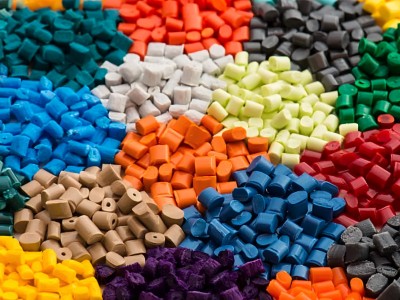
Common main materials for plastic teapots
- PP
- PE
Polypropylene (PP)
It features high-temperature resistance, heat resistance, lightness, and durability.
It is one of the common materials for plastic teapots and is suitable for making the main body and accessories of teapots.

Polyethylene (PE)
It includes low-density polyethylene (LDPE), linear low-density polyethylene (LLDPE).
And high-density polyethylene (HDPE), and is widely used in plastic products.
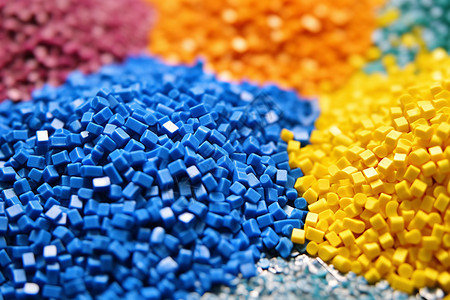
The influence of injection molding temperature on plastic properties
- Crystallinity and mechanical properties
- Fluidity and filling quality
- Thermal degradation and appearance defects
- Thermal degradation and appearance defects
Crystallinity and mechanical properties
High-crystalline materials such as PE and PP: An increase in mold temperature.
For example, the mold temperature of HDPE is 50-95℃ will enhance the crystallinity, increase rigidity and shrinkage rate, but reduce toughness.
PA66: Appropriate mold temperature (70-120℃) optimizes the crystalline structure and enhances tensile strength.
Fluidity and filling quality
Low temperature (such as ABS<190℃) leads to insufficient filling and rough surface.
Excessively high temperatures (such as PC>320℃) can cause decomposition and bubbles.
Reinforcing materials (such as glass fiber-filled PA6) need to increase the temperature (280-300℃) to reduce the melt viscosity and improve the fiber dispersion.
Thermal degradation and appearance defects
PVC is injection molded at 140-160℃,when the temperature exceeds 200℃, it decomposes to produce black spots and gas.
TPE is prone to yellowing when the temperature exceeds 250℃.
While TPU needs to be strictly controlled at 180-230℃ to prevent the molecular chain from breaking.
Dimensional stability
High mold temperature such as PC mold temperature 80-100℃ reduces residual stress and avoids warping deformation in the later stage.
The cooling rate of PET affects the crystallinity,rapid cooling (mold temperature 10-40℃) can improve transparency.
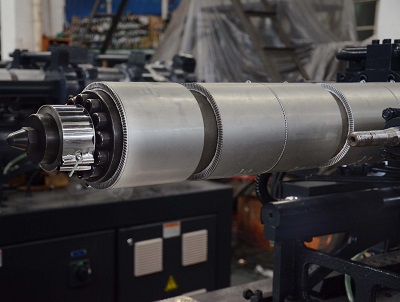
Material properties and high-temperature performance
Polyamide PA has a relatively high melting point and good heat resistance.
But its chemical stability at high temperatures needs further verification.
GB 4806.7-2016 has strict requirements for the thermal stability of food contact materials.
Therefore, it is necessary to ensure that PA does not release harmful substances at high temperatures.
Polyetheretherketone (PEEK) is a high-performance engineering plastic with excellent high-temperature resistance and chemical stability, and is suitable for food contact materials.
However, whether it meets the specific requirements of GB 4806.7-2016 needs to be verified through migration tests, sensory tests, etc.
Polyphenylene sulfide (PPSU) has extremely high heat resistance and chemical stability.
And contains no controversial chemical substances, meeting food safety requirements.
However, its manufacturing process and storage conditions may affect its food-grade certification.
So it is necessary to choose certified PPSU materials.

Technical requirements of GB 4806.7-2016
This standard specifies technical requirements for plastic materials and products used in food contact.
Including raw materials, sensory requirements, physical and chemical indicators, migration tests, and label identification.
For plastic materials used in high-temperature environments, the standard particularly emphasizes the testing of thermal stability, migration (such as heavy metal and solvent residues), and sensory properties.
For example, the total migration volume test needs to be conducted at 70℃.
Migration testing is a crucial step, which requires the detection of the chemical stability of materials at high temperatures to ensure that no harmful substances are released into food.
Scope of application and limitations
GB 4806.7-2016 is applicable to thermoplastic elastomer materials and products that have not been vulcanized.
And puts forward specific requirements for the types, raw materials and physical and chemical indicators of plastic resins for food contact.
Some plastic materials, such as PA6, may decompose bisphenol A at high temperatures.
While PE material has a higher risk of decomposition at high temperatures.
Therefore, it is not suitable for long-term high-temperature use.
Certification and compliance
When using high-temperature plastic materials, it is necessary to ensure that they meet the testing requirements of GB 4806.7-2016.
Including sensory tests, physical and chemical index tests (such as heavy metal content, migration amount), label identification, etc.
Materials such as food-grade PPSU and PEEK need to pass the migration test and sensory test in GB 4806.7-2016 to ensure their safety.
In addition, it is necessary to pay attention to whether the use of additives complies with the provisions of GB 9685.
Precautions in practical application
When using plastic materials in high-temperature environments, certified food-grade materials should be given priority.
And testing and verification should be carried out strictly in accordance with the requirements of GB 4806.7-2016.
For specific uses such as heating containers in a microwave oven.
Special attention should be paid to the test results of the material’s temperature resistance range and migration amount.