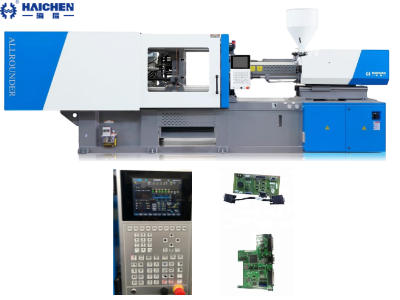
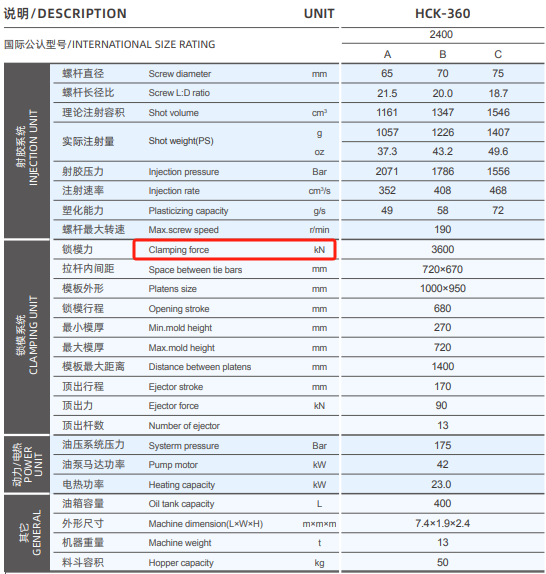
Clamping force balance plays an important role in injection molding machine performance. A machine may reach its target clamping force, but uneven load distribution can still affect mold protection, product quality, and mechanical wear.
As an injection molding machine manufacturer, we recommend checking tie bar strain, mold alignment, and clamping mechanism condition to evaluate force balance. This guide explains the common causes, inspection methods, and solutions.

Why Is Clamping Force Balance Important?
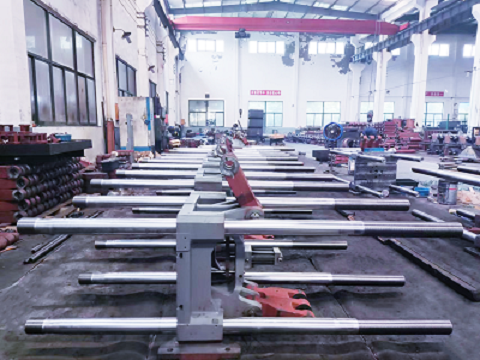
The clamping unit uses four tie bars to support and distribute the clamping load. Ideally, each tie bar carries a reasonably balanced load during mold clamping.
Uneven force distribution can cause:
- Uneven mold contact.
- Additional stress on tie bars and platens.
- Mold wear and alignment problems.
- Inconsistent product quality.
- Increased mechanical stress during long-term operation.
A balanced clamping system helps the machine operate smoothly and protects both the mold and machine structure.
What Causes Uneven Clamping Force?
Uneven Load Distribution on Tie Bars
Different tie bar strain readings may indicate uneven load distribution. Possible causes include platen misalignment, mold installation problems, or mechanical wear.
Mold Installation and Alignment Problems
Incorrect mold installation, uneven mounting surfaces, or unsuitable mold dimensions can affect load distribution. Always check mold positioning and mounting conditions.
Wear in the Clamping Mechanism
Wear in toggle links, pins, bushings, guide components, or other moving parts may affect platen movement and alignment.
Hydraulic System Problems
On hydraulic clamping machines, unstable pressure or problems with hydraulic cylinders and valves may affect clamping movement. However, hydraulic pressure alone cannot confirm tie bar load balance.
Incorrect Machine Adjustment
Incorrect platen adjustment, mold thickness settings, or clamping parameters can affect the clamping process. Follow the machine manufacturer’s setup instructions.
How to Check Clamping Force Balance
Inspect Tie Bar Condition
Check all four tie bars for scratches, corrosion, visible damage, and unusual wear. Also inspect tie bar nuts and related connections according to the manufacturer’s maintenance procedure.
Measure Tie Bar Strain
Tie bar strain measurement provides useful information about load distribution.
Technicians can use suitable strain gauges or dedicated measuring equipment to record tie bar deformation during clamping. Always follow the machine manufacturer’s measurement procedure and use the specified clamping conditions.
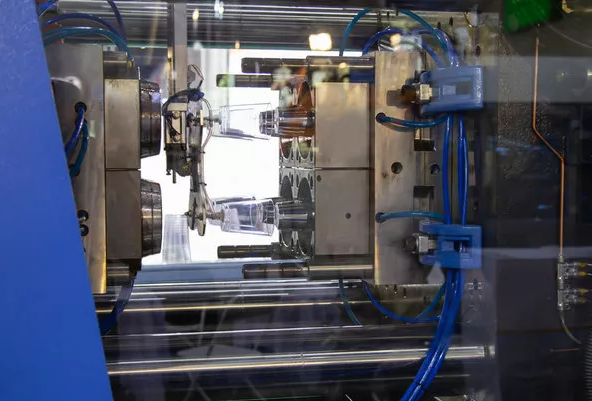
Check Mold Contact and Alignment
Inspect mold mounting surfaces, locating rings, and installation positions. Check platen parallelism with suitable measuring equipment when necessary.
Poor mold alignment may affect load distribution even when the machine reaches its target clamping force.
Compare Measurements at Different Tie Bars
Measure all four tie bars under the same test conditions. Compare their strain readings to identify significant differences.
Do not judge balance from one measurement alone. Repeat the test and check the machine’s specifications or manufacturer’s acceptable range.
Check Clamping System Movement
Observe mold opening and closing movements. Look for abnormal noise, vibration, uneven movement, or mechanical resistance.
If the machine shows unusual movement, inspect the clamping mechanism before adjusting the clamping force.
Common Signs of Uneven Clamping Force
Flash Around the Mold Parting Line
Flash may indicate insufficient clamping force or uneven mold contact. However, excessive injection pressure, poor mold fit, damaged parting surfaces, and process settings can also cause flash.
Check the mold and process conditions before concluding that force imbalance causes the problem.
Uneven Mold Contact
Poor mold contact may result from platen misalignment, mold installation errors, or damaged mold surfaces. Inspect the contact condition and alignment carefully.
Different Tie Bar Strain Readings
Large differences between tie bar readings may indicate uneven load distribution. Compare measurements under consistent conditions and check the manufacturer’s reference values.
Abnormal Mold Opening or Closing Movement
Uneven or noisy movement may indicate mechanical wear, poor alignment, or problems in the clamping drive system. Inspect the relevant components before further production.
How to Improve Clamping Force Balance
Correct Mold Installation
Clean mounting surfaces and install the mold according to the machine and mold specifications. Check mold positioning, support, and fastening.
Adjust Mold Alignment
Check platen parallelism and mold alignment with suitable measuring tools. Correct alignment according to the manufacturer’s procedure.
Inspect Tie Bars and Clamping Components
Check tie bars, toggle links, pins, bushings, and other clamping components for wear or damage. Repair or replace components when necessary.
Check Hydraulic Pressure and System Condition
For hydraulic machines, inspect pressure stability, cylinders, valves, and hydraulic connections. Confirm that the system operates within the specified range.
Follow the Machine Manufacturer’s Adjustment Procedure
Different clamping structures require different adjustment methods. Do not randomly change tie bar nuts, platen positions, or clamping parameters. Follow the machine manufacturer’s instructions or contact its technical team.
How Often Should Clamping Force Balance Be Checked?
Check clamping force balance during machine installation, commissioning, and major mold changes when the application requires it.
You should also arrange an inspection when:
- The machine shows repeated flash problems.
- Tie bar strain readings change significantly.
- The clamping unit develops abnormal noise or movement.
- You replace major clamping components.
- The machine undergoes major maintenance.
Follow the manufacturer’s maintenance schedule and keep measurement records for future comparison.
Frequently Asked Questions
What Happens If Clamping Force Is Uneven?
Uneven force distribution can increase mechanical stress, affect mold contact, and contribute to inconsistent production. Long-term operation may accelerate wear on tie bars, platens, and clamping components.
Can Uneven Clamping Force Cause Flash?
Yes, uneven mold contact may contribute to flash. However, excessive injection pressure, insufficient total clamping force, mold damage, and incorrect process settings can also cause it.
How Can I Measure Tie Bar Strain?
Use suitable strain gauges or dedicated tie bar measurement equipment. Measure all four tie bars under the same clamping conditions and compare the readings with the machine manufacturer’s specifications.
Does Mold Size Affect Clamping Force Distribution?
Yes. Mold dimensions, weight, mounting position, and projected area can affect the clamping load and mold support conditions. Choose a suitable machine and install the mold correctly.
When Should I Contact the Injection Molding Machine Manufacturer?
Contact the manufacturer if you find significant differences in tie bar strain, abnormal platen movement, repeated alignment problems, or unexplained clamping faults.
Professional inspection can help identify the root cause and prevent further damage.