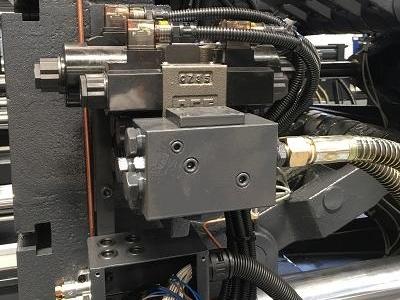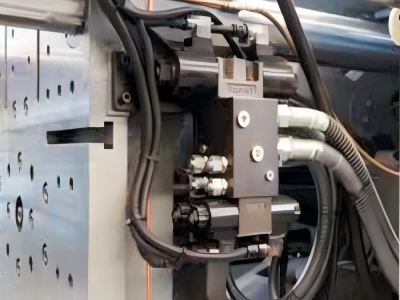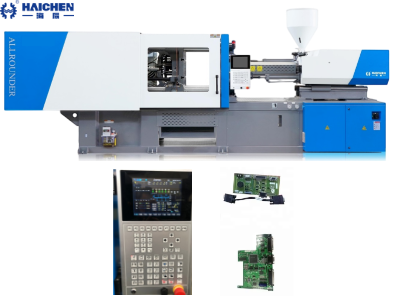
The claing cylinder of the injection molding machine is a common hydraulic actuator, which is mainly used for clamping, fixing, pressing and other operations in industrial machinery. It is usually composed of a hydraulic cylinder, a piston, a seal, a valve, etc.
In the injection molding process, hydraulic cylinders play multiple and crucial roles.They not only provide powerful power for the closing and opening of the mold, but also control various movements in the injection unit, such as the feeding of the screw and the operation of the ejector mechanism.
Hydraulic cylinders of different sizes are installed in different parts of the machine, and different processes of injection molding machine production are equipped to complete various mechanical movements.Working principle: The working principle of the clamping cylinder is based on the transmission and conversion of hydraulic force.
Detailed explanation of the different types of Hydraulic clamping cylinders
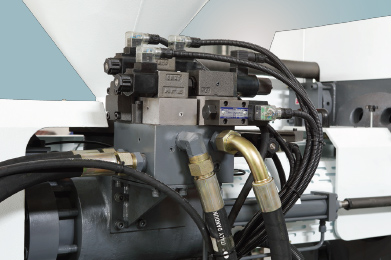
Haichen company list the breakdown of the types of Injection molding Hydraulic cylinder used in injection molding machines, their mechanisms, advantages, and typical applications:
- Single-Cylinder Hydraulic Clamping Systems
- Direct Hydraulic Clamping Systems (Multi-Cylinder)
- Toggle-Type Hydraulic Clamping Systems
- Accumulator-Assisted Hydraulic Systems
- Servo- Injection molding Hydraulic cylinder Hybrid Systems
- Tie-Barless Hydraulic Clamping Systems
Single-Cylinder Hydraulic Clamping Systems
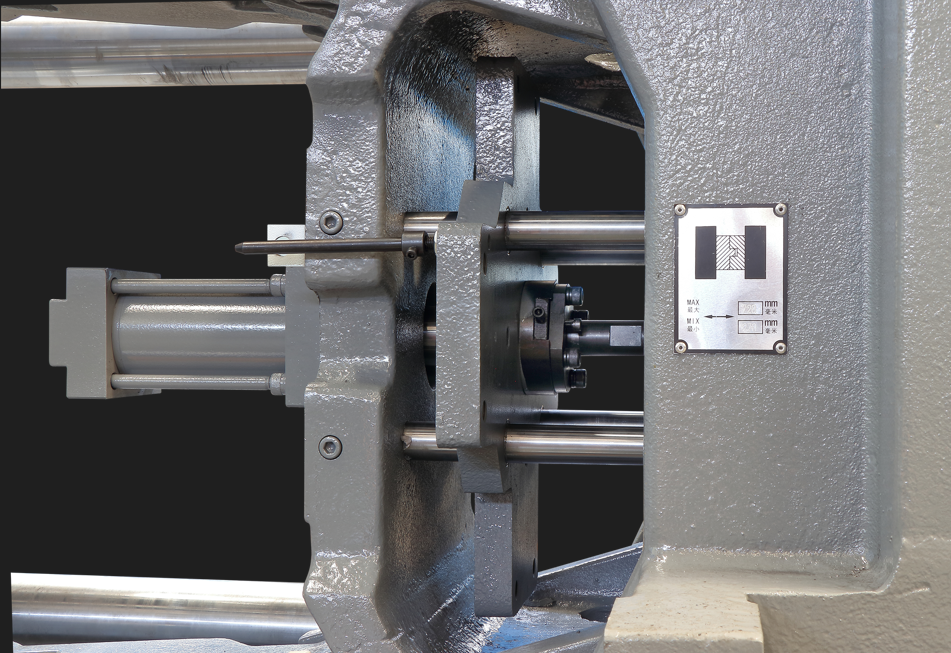
- Mechanism: A single large hydraulic cylinder generates clamping force, often combined with toggle links for mechanical advantage.
- Advantages:
- Simple design with fewer components.
- Lower maintenance and cost-effective for small to medium machines.
- Disadvantages:
- Limited clamping force (typically <500 tons).
- Slower cycle times compared to multi-cylinder systems.
- Applications:
- Small plastic parts (e.g., bottle caps, disposable cutlery).
- Prototyping or low-volume production.
Direct Hydraulic Clamping Systems (Multi-Cylinder)
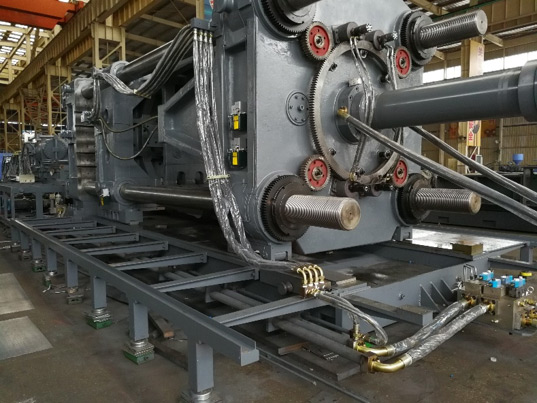
- Mechanism: Multiple synchronized hydraulic cylinders apply force directly to the mold platens.
- Advantages:
- High clamping force (up to 6,000+ tons).
- Precise control over parallelism and mold alignment.
- Disadvantages:
- Higher energy consumption.
- Complex plumbing and maintenance.
- Applications:
- Large automotive parts (e.g., bumpers, dashboards).
- Heavy-duty industrial components (e.g., pallets, crates).
Toggle-Type Hydraulic Clamping Systems
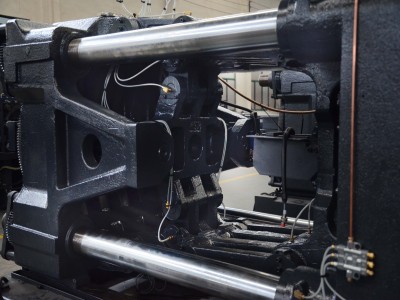
- Mechanism: Combines hydraulic cylinders with a mechanical toggle linkage to amplify force.
- Advantages:
- Energy-efficient (locks mechanically, reducing hydraulic pressure post-clamping).
- Faster cycle times due to rapid mold closing.
- Disadvantages:
- Limited to medium clamping forces (typically <3,000 tons).
- Mechanical wear on toggle links over time.
- Applications:
- High-volume production of consumer goods (e.g., containers, toys).
- Thin-walled packaging (e.g., cups, lids).
Accumulator-Assisted Hydraulic Systems
- Mechanism: Uses hydraulic accumulators to store pressurized fluid, releasing it during peak demand (e.g., mold closing).
- Advantages:
- Reduces pump load and energy consumption.
- Enables rapid clamping for fast-cycle applications.
- Disadvantages:
- Requires additional space for accumulators.
- Higher initial cost.
- Applications:
- High-speed molding of disposable products (e.g., medical syringes).
- Machines with frequent mold changes.
Servo– Injection molding Hydraulic cylinder Hybrid Systems
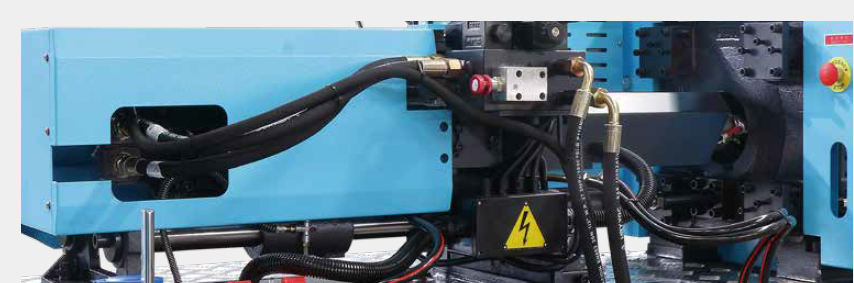
- Mechanism: Integrates servo motors with hydraulic pumps for precise, on-demand pressure control.
- Advantages:
- Up to 50% energy savings vs. traditional hydraulics.
- Quiet operation and reduced heat generation.
- Disadvantages:
- Higher upfront cost.
- Complex control systems require skilled operators.
- Applications:
- Precision medical devices (e.g., implants, surgical tools).
- Electronics housings requiring tight tolerances.
Tie-Barless Hydraulic Clamping Systems
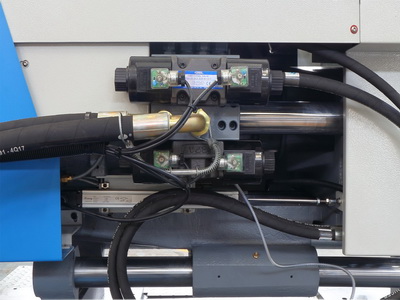
- Mechanism: hydraulic clamping cylinders are mounted directly to the platens, eliminating tie bars.
- Advantages:
- Easier mold access and faster mold changes.
- Ideal for large or asymmetrical molds.
- Disadvantages:
- Limited to machines with lower clamping forces (<2,000 tons).
- Higher risk of platen deflection.
- Applications:
- Overmolding or insert molding (e.g., multi-material car panels).
- Customized industrial parts.
Comparison Table
| Type | Clamping Force | Energy Efficiency | Speed | Best For |
|---|---|---|---|---|
| Single-Cylinder | Low (<500 tons) | Moderate | Moderate | Small parts, prototyping. |
| Direct Hydraulic | High (6,000+ tons) | Low | Moderate | Heavy-duty automotive/industrial. |
| Toggle-Type | Medium (<3,000 tons) | High | Fast | High-volume consumer goods. |
| Accumulator-Assisted | Medium-High | Moderate | Very Fast | Fast-cycle disposable products. |
| Servo-Hydraulic | Medium (<2,000 tons) | Very High | Fast | Precision medical/electronics. |
| Tie-Barless | Low-Medium | Moderate | Fast | Large or complex molds. |
Key Selection Criteria
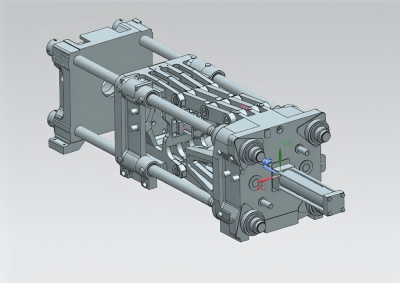
- Clamping Force: Match to part size and material viscosity (e.g., high force for thick-walled PP parts).
- Energy Efficiency: Servo-hydraulic or toggle systems for cost-sensitive operations.
- Cycle Speed: Accumulator systems for rapid production (e.g., packaging).
- Mold Complexity: Tie-barless systems for oversized or multi-cavity molds.
Industry-Specific Applications
- Automotive: Direct hydraulic clamping systems for large, high-strength components.
- Packaging: Toggle or accumulator systems for fast, high-volume cycles.
- Medical: Servo-hydraulic systems for sterile, precision parts.
What is the hydraulic system of injection molding?
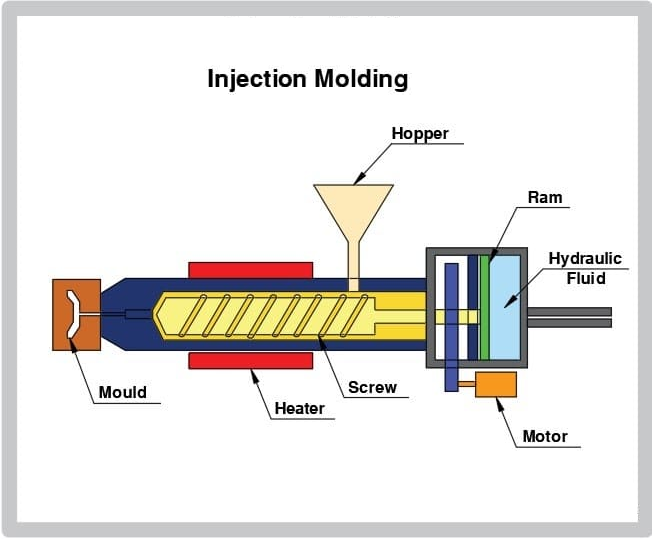
The hydraulic system of an injection molding machine is one of its core components, primarily responsible for providing power and control to the machine to achieve various actions and functions. The hydraulic system typically consists of a hydraulic pump, valves, hydraulic cylinders, and other auxiliary equipment, which use the pressure and flow of hydraulic oil to drive the machine’s components.
- Components of the Hydraulic System
- Functions of the Injection molding Hydraulic cylinder System
- Characteristics of the Hydraulic System
- Applications of the Hydraulic System in Injection Molding
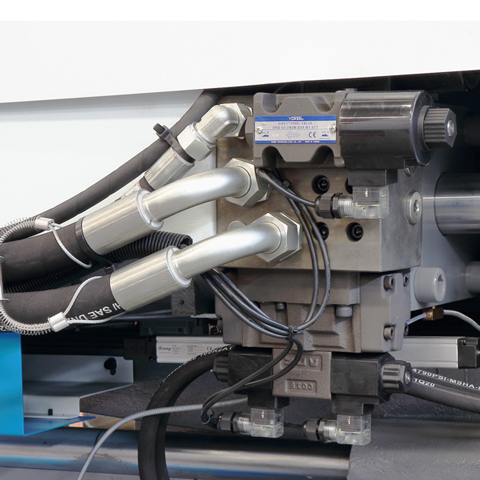
Components of the Hydraulic System
- Hydraulic Pump: The hydraulic pump is the power source of the system, usually driven by an electric motor, converting mechanical energy into hydraulic energy.
- Valves: These include pressure valves, directional valves, and flow control valves, which regulate the pressure and direction of the hydraulic oil to precisely control the machine’s movements.
- Hydraulic Cylinders: Hydraulic cylinders are the actuators that use hydraulic oil pressure to move pistons, driving actions such as mold clamping, injection unit movement, and ejector operation.
- Pipes and Tubing: These connect the hydraulic pump, valves, and cylinders to form a complete hydraulic circuit.
- Auxiliary Equipment: Includes components like the oil tank, pressure gauges, and oil level indicators, which store hydraulic oil, monitor system status, and ensure smooth operation.
Functions of the Injection molding Hydraulic cylinder System
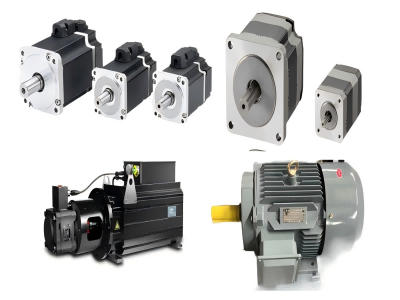
- Power Supply: The hydraulic system provides the necessary power to components such as the mold clamping unit, injection unit, and ejector, ensuring the machine operates correctly.
- Motion Control: By adjusting the valves, the hydraulic system precisely controls actions like mold opening/closing, injection unit advancement/retraction, and ejector movement, enabling automation and high precision in the injection molding process.
- Pressure and Flow Regulation: The system uses pressure and flow control valves to adjust hydraulic oil pressure and flow, meeting different requirements during the injection process, such as injection pressure and holding pressure.
Characteristics of the Hydraulic System
- High Pressure and Precision: The hydraulic system can provide clamping forces of up to thousands of tons and achieve high-precision movements through precise valve control.
- Reliability: Due to its stable structure and ease of maintenance, hydraulic systems are widely used in injection molding machines, especially in applications requiring high clamping forces and complex movements.
- Energy Efficiency: While hydraulic systems may be less energy-efficient than all-electric systems in some cases, they excel in handling large-tonnage molds and complex motions.
Applications of the Hydraulic System in Injection Molding
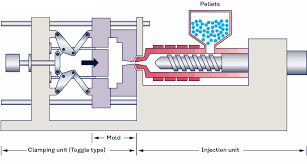
- Mold Clamping: The hydraulic system drives the clamping plates to close, ensuring the mold remains stable during injection.
- Injection Action: High-pressure oil pushes the screw or plunger forward, injecting molten plastic into the mold cavity.
- Ejection Action: After injection, the hydraulic system drives the ejector to push the molded product out of the mold.
The hydraulic system is a critical part of the injection molding machine, enabling efficient, stable, and high-quality production through the coordinated operation of components like the hydraulic pump, valves, and cylinders.
More to tell
Hydraulic clamping cylinders are tailored to meet diverse production needs, balancing force, speed, and energy efficiency. For example:
- Toggle systems dominate high-volume consumer goods.
- Servo-hydraulic hybrids excel in precision applications.
- Tie-barless designs simplify mold changes for custom projects.
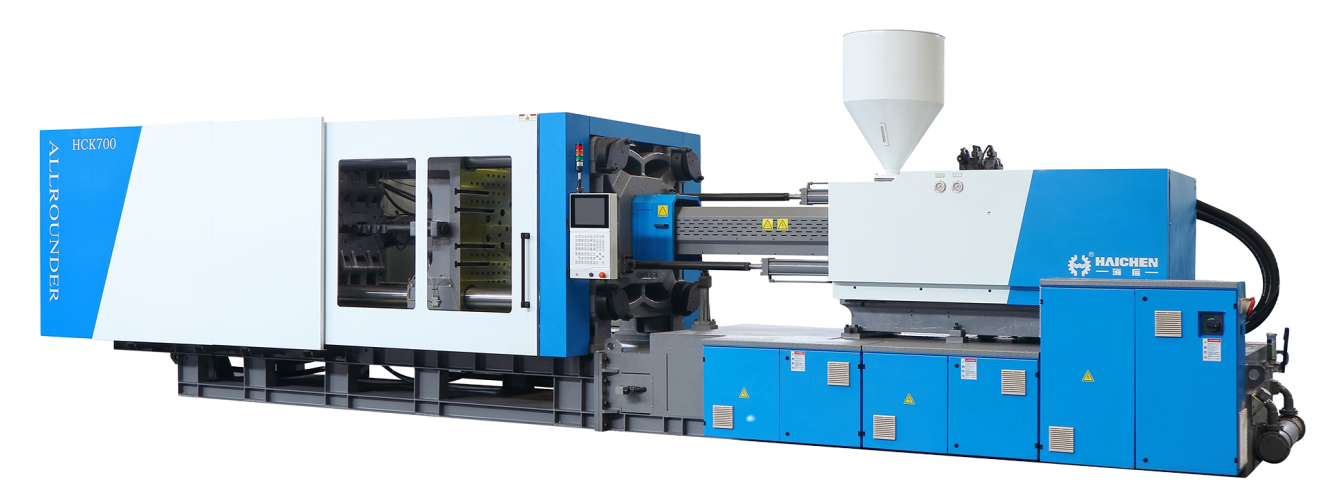
Choosing the right system depends on production scale, part complexity, and sustainability goals.Contact Haichen to get more technical knowledge about injection molding hydraulic pistons