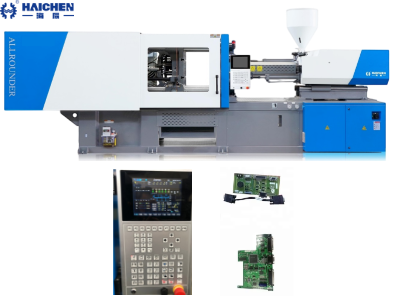
Plastic Injection mould materials are characterised by many features such as diversity, high industrial performance, and product suitability.
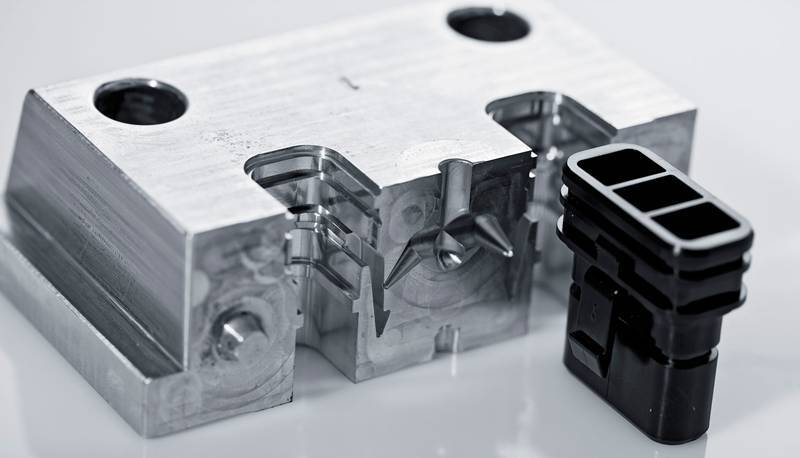
The selection and application of injection mould materials is a key factor in mould design and manufacturing.
It directly affects the performance of the mould, its life and the quality of the final product.
Let’s list some of the main features of injection mould materials:
1.Variety of materials:
Common materials for injection moulds include steel, aluminium alloy, copper alloy, cemented carbide, etc.
Among them, steel is the most common material, with high strength, high hardness and good wear resistance.
It is suitable for making large and complex moulds.
Aluminium alloy is widely using in moulds with complex shapes and small dimensions due to its light weight and good thermal conductivity.
Copper alloys are commonly used in the manufacture of moulds requiring high precision due to their good thermal conductivity and wear resistance.
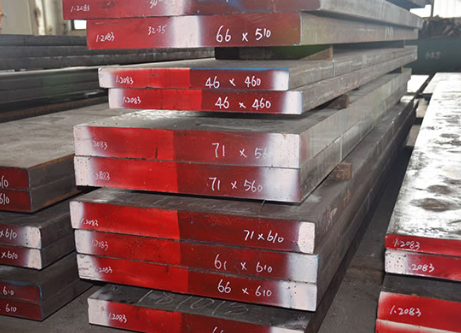
2.Material performance requirements:
Injection mould materials need to have excellent mechanical properties, such as high strength, high hardness, good toughness and wear resistance.
Mould materials should also have good corrosion resistance and heat resistance, in order to adapt to the injection process of high temperature and high pressure working environment.
For example, tool steel is commonly used to make the core and cavity of the mould due to its high hardness and wear resistance.
3.Surface treatment and processing performance:
Mould materials usually need to undergo rigorous surface treatment, such as chromium plating, nitriding, etc., to improve their wear resistance and corrosion resistance. At the same time, mould materials also need to have good processing performance, in order to facilitate the production process for cutting, grinding and other processing operations.
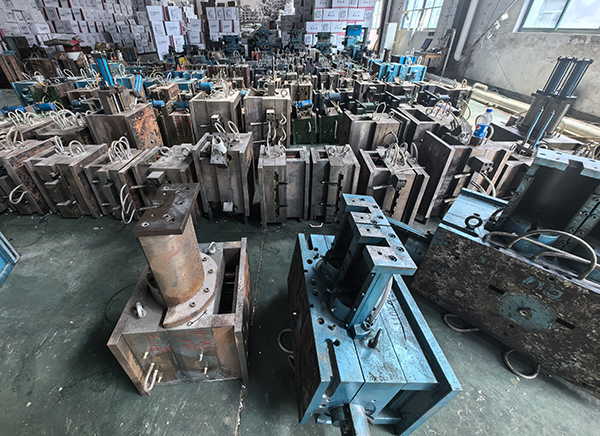
4.Service life and economic benefits:
The service life of the injection mould directly affects the production efficiency and cost.
Therefore, the choice of mould materials should not only consider its performance, but also consider its economy.
High performance alloy steel (such as Cr12MoV) has excellent wear resistance and service life.
However, its cost is high, so in the choice of performance and economy need to be weighed.
The special needs of the application field:
Different application areas have different requirements for mould materials.
For example, in the production of automotive parts, home appliance shells and other large plastic products, usually choose aluminium alloy or copper alloy.
Because these materials not only meet the strength requirements of the mould, but also has good thermal conductivity and processing performance.
While in small precision moulds, steel is preferred to ensure the accuracy and durability of the mould.
The selection of injection mould materials needs to take into account the mechanical properties of the material, processing performance, surface treatment ability and economy and other factors.
Reasonable selection of mould materials can not only improve the service life of the mould and product quality, but also effectively reduce production costs, thus enhancing the overall economic benefits.
Features of Injection Mould Material Variety
There are various types of injection mould materials, with their own characteristics and scope of application.
The following is a detailed analysis of the characteristics of injection mould materials:
1.Metal materials:
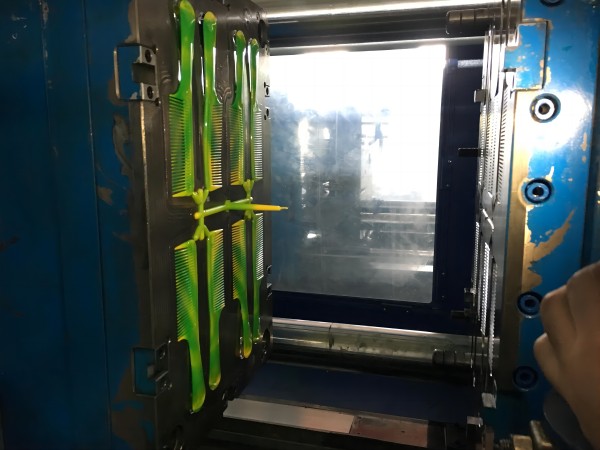
1.1 Steel:
Steel is one of the most commonly used materials in injection moulds, with high strength, high hardness, wear resistance and impact resistance, suitable for mass production moulds.
Alloy tool steel: such as Cr12 steel, high-speed steel, etc., with excellent wear resistance and processing performance, suitable for the manufacture of complex shapes of moulds.
1.2 Alloy tool steel:
Such as Cr12 steel, high-speed steel, etc., with excellent wear resistance and processing performance, suitable for the manufacture of complex shapes of moulds.
1.3 Aluminium alloy:
Aluminium alloy is light weight, good thermal conductivity, suitable for manufacturing large thin-walled moulds, but the strength is relatively low.
1.4 Copper alloy:
Copper alloy has excellent thermal conductivity, suitable for manufacturing small moulds, but the cost is high, usually used for small batch production.
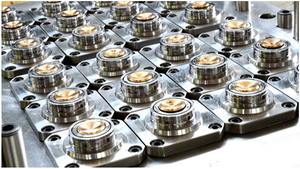
2.Ceramic materials:
Ceramic materials have high hardness and wear resistance, suitable for mould manufacturing under high temperature and high pressure environment.
3.Composite Materials:
Composite materials combine the advantages of a variety of materials, such as metal-based, ceramic-based and plastic-based composites .
With high toughness, high temperature resistance and high wear resistance, they are suitable for mould manufacturing with high requirements.
4.Other non-metallic materials:
Such as glass fibre reinforced plastic and carbon fibre reinforced plastic, these materials have high strength, light weight and good corrosion resistance.
Applicable to the manufacture of complex shaped moulds.
The selection of injection mould materials needs to be based on specific application scenarios and needs for comprehensive consideration.
When moulds requiring high strength and wear resistance, select steel or alloy tool steel.
For moulds requiring thermal conductivity, use copper alloy.
For moulds that require light weight and high strength, composite or ceramic materials can be considered.
Features of plastic injection mould materials performance requirements
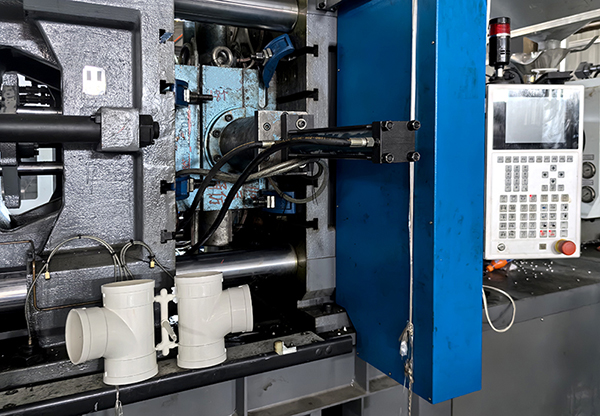
The performance requirements of injection mould materials directly determine the quality and life of injection moulds.
It mainly has seven characteristics:
1.High strength and hardness:
Injection mould materials need to have high strength and hardness to withstand deformation and wear under high pressure.
2.Good wear resistance and corrosion resistance:
Mould materials need to have excellent wear resistance and corrosion resistance to extend the service life and ensure product quality.
Wear resistance can be improved by increasing the number, form and distribution of carbides.
Corrosion resistance requires the material to resist chlorine, fluorine and other strong corrosive gases.
3.Excellent thermal stability and thermal conductivity:
Injection moulds work in a high temperature environment, so the material needs to have good thermal stability.
In order to reduce the dimensional changes brought about by the coefficient of thermal expansion, and to maintain the accuracy of the mould.
At the same time, the mould material should have good thermal conductivity in order to cool the plastic products quickly and improve production efficiency.
4.Good machining performance:
Mould materials need to be easy to process to reduce manufacturing costs and time.
This includes excellent machinability, hardenability and hardenability, as well as less oxidation, decarburisation sensitivity and low tendency to quench and distort.
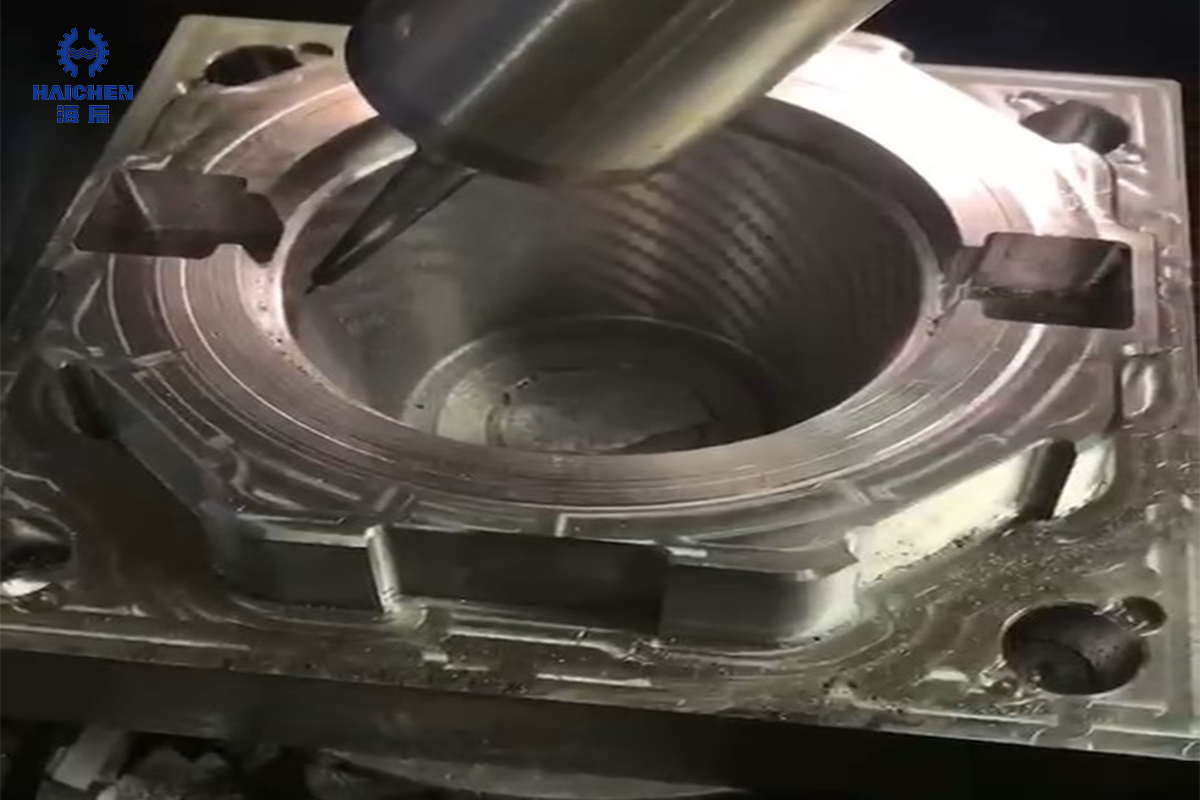
5.Dimensional stability and polishing performance:
High-quality injection moulded products require a smooth surface of the mould cavity.
Therefore, the mould material needs to have good dimensional stability and polishing performance.
The material should be fine and uniform, no fibre directionality, to ensure that the cavity surface without pitting or orange peel defects.
6.Hot and cold fatigue resistance:
Moulds work under repeated heating and cooling conditions.
Therefore, it needs to have good resistance to hot and cold fatigue performance to prevent cracks or deformation caused by temperature changes.
7.Economy:
Selection of mould materials also need to consider the cost-effectiveness, choose the reasonable price and can meet the production requirements of the material.
To reduce production costs and improve economic efficiency.
The choice of injection mould materials need to be based on the specific working environment, product requirements and cost budget for trade-offs.
To ensure the service life of the mould, product quality and production efficiency.
Features of injection mould materials Surface treatment and processing performance
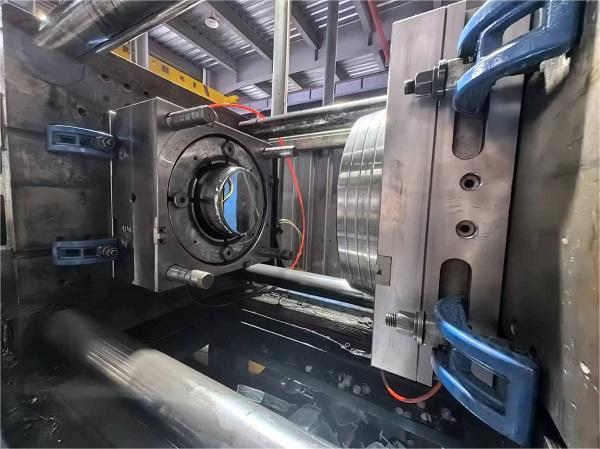
The surface treatment and processing properties of injection mould materials are the characteristics that determine the final quality of the mould.
It is mainly reflecting in six aspects:
1.The importance of surface treatment:
The surface treatment of the injection mould directly affects the service life of the mould and product quality.
Through the surface treatment technology, the wear resistance, corrosion resistance and anti-adhesion of the mould can be improved.
Thus prolonging the life of the mould and improving product quality.
Common surface treatment methods include electrophoresis, oxidation, galvanisation and spraying.
These methods can enhance the corrosion resistance and surface finish of the mould.
2.Processing performance characteristics:
Injection mould materials need to have excellent machinability to ensure the accuracy and surface quality of the mould.
Mould parts usually have complex geometry, so the material should be easy to process and can withstand high pressure and impact.
Mould materials should also have good heat treatment processability, in order to obtain the required hardness and strength in the quenching and tempering process.
3.Surface finish requirements:
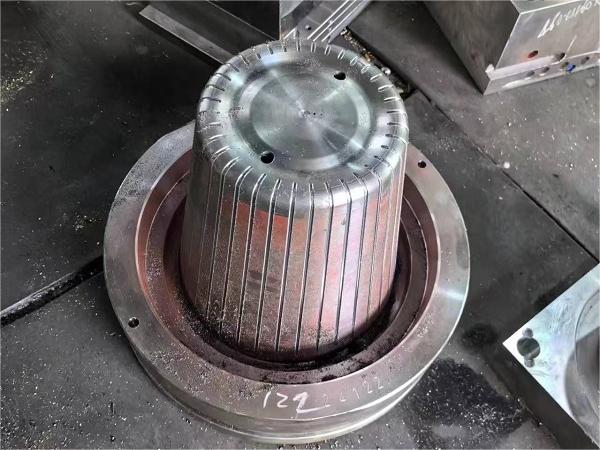
The cavity surfaces of injection moulds usually require an extremely high degree of finish to ensure the surface quality of the injected part.
The roughness of the optical surfaces of injection mould materials need to be less than 0.1 nm.
While the roughness of common surfaces is better to be less than 0.1-0.2 microns.
In order to meet these requirements, the mould material needs to be finely polished and the material itself must not have porosity or impurities.
4.Wear resistance and corrosion resistance:
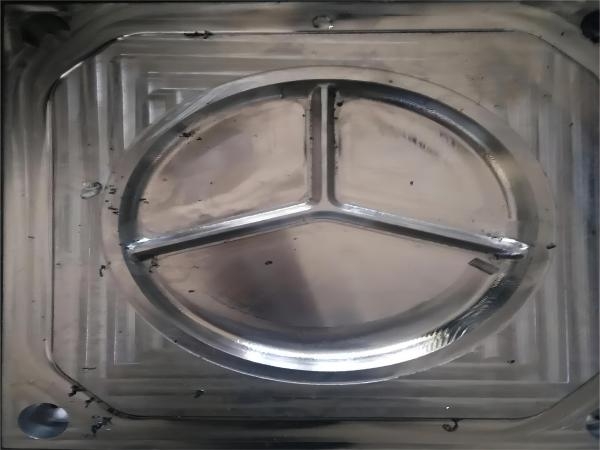
Injection moulds are subject to friction and corrosion by the plastic melt during use, so the material needs to have good wear resistance and corrosion resistance.
H13, S7 and other injection mould steel, after appropriate heat treatment, can significantly improve the wear resistance and corrosion resistance of the mould.