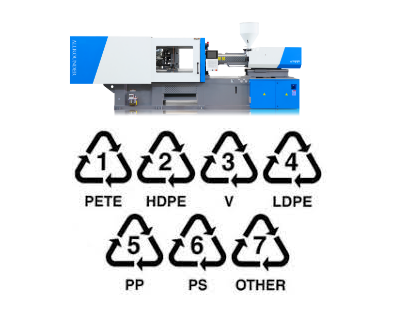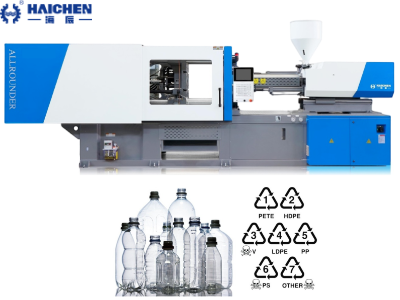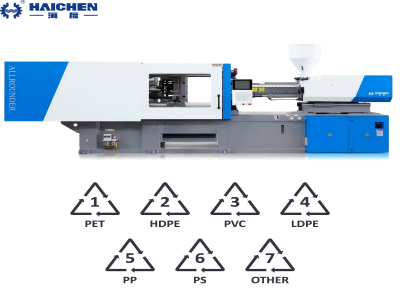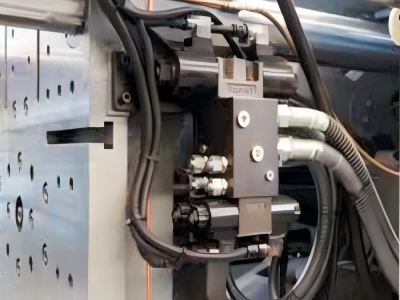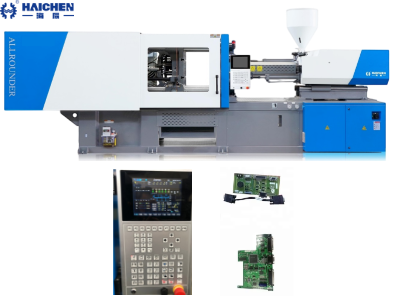
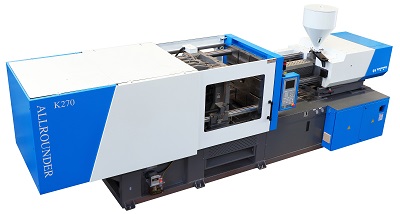
High-speed clothes peg injection molding is a device capable of completing injection molding at an extremely high speed.
The core of high-speed clip injection molding lies in high injection speed (≥ 300mm /s), precise control (repeatability accuracy ±0.02mm), and short cycle (2-3 seconds).
It is recommended to use an electric high-speed injection molding machine, in combination with multi-chamber molds and high-flow materials (melt index > 1000g /10min), and optimize the runner/cooling design to improve the yield.
At the same time, attention should be paid to material compatibility and equipment maintenance to ensure long-term stable production.
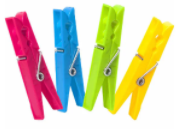
Clothes peg
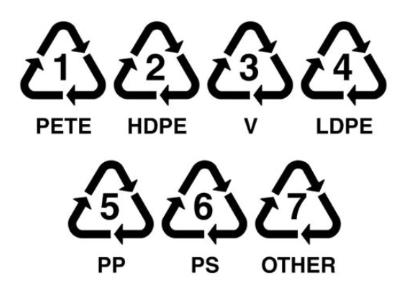
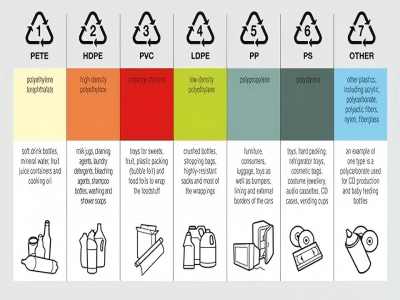
The core material of plastic clothes clamps is mainly polypropylene (PP), accounting for more than 70%.
PP has the advantages of being lightweight, weather-resistant, UV-resistant and low-cost, making it suitable for long-term outdoor use.
Core characteristics and selection requirements of high-speed clothes peg injection molding
Injection speed and accuracy
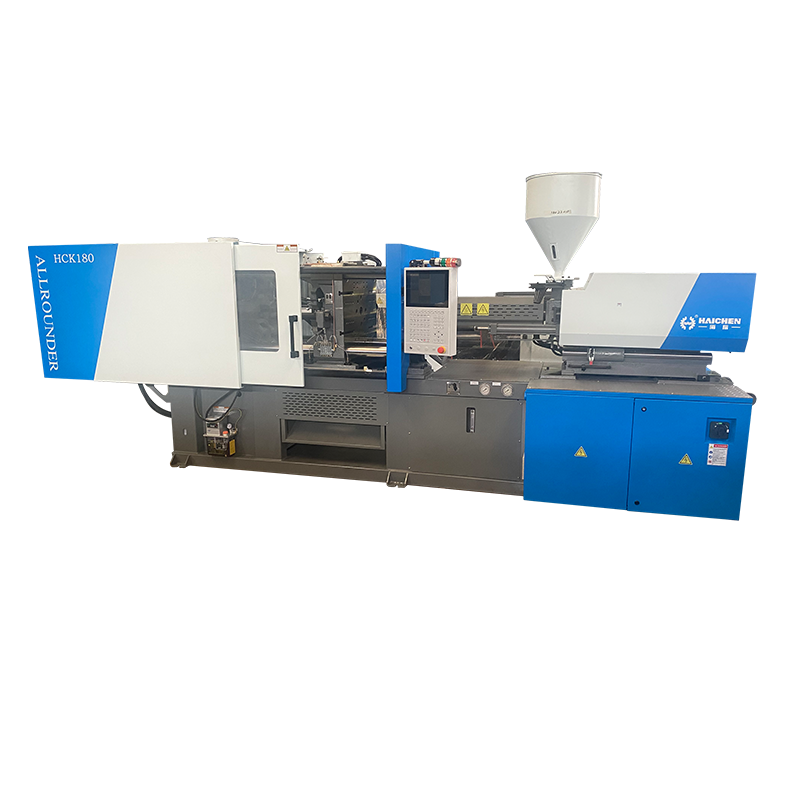
The injection speed of high-speed injection molding machines is usually ≥200 mm/s, and high-end models can reach 600-800 mm/s.
For example, the Haichen high-speed series models can achieve an injection speed of 300 mm/s and a mold opening time of 1.5 seconds.
The servo drive system provides real-time closed-loop control to ensure the stability of pressure and flow.
And supports multi-speed control to avoid jetting or burrs.
High-rigidity formwork and frame
It adopts a balanced double-sided injection cylinder design and linear guide rails to reduce deformation.
For instance, haichen’s high-speed injection molding machines can achieve full digital control
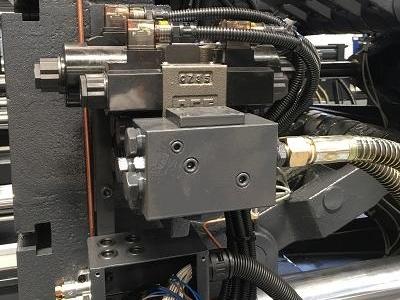
Rapid mold opening and closing system: 5-point toggle lock mold structure and low-inertia hydraulic system (response time 30 ms) shorten the cycle.
Energy conservation and intelligence: The servo drive system saves energy by 30% to 70%, and some models integrate energy recovery technology.
Industry 4.0 compatible controllers (such as CPC-6.0, Unilog B8) support cloud monitoring and adaptive parameter adjustment.
Material requirements for high-speed clothes peg injection molding
- Material fluidity and molding performance
- Material resistance to environmental stress cracking
- Material thickness and wall thickness requirements
- Material environmental friendliness and processing characteristics
Material fluidity and molding performance
Due to its high-pressure and high-speed injection characteristics, high-speed injection molding machines are more suitable for materials with poor fluidity or those that require rapid mold filling.
Such as PA (nylon) reinforced with glass fibers.
Material resistance to environmental stress cracking
High-speed injection molding machines have higher requirements for the material’s resistance to environmental stress cracking during the production process.
This is because high-speed injection and high-pressure molding may lead to greater stress concentration.
Therefore, materials with high mechanical properties, dimensional stability, and good creep resistance need to be selected.
Material thickness and wall thickness requirements
High-speed injection molding machines are suitable for manufacturing products with relatively thin walls, such as ultra-thin plastic clothes clips.
Material environmental friendliness and processing characteristics
High-speed injection molding machines typically use environmentally friendly materials.
Such as PLA (polylactic acid) and other biodegradable materials.
Although these materials are environmentally friendly, they have poor fluidity.
Therefore, special attention should be paid to the selection of materials and the optimization of injection molding conditions.
The working principle and production process of injection molding machines
- Raw material pretreatment
- Melt plastic particles
- Injection molding
Raw material pretreatment
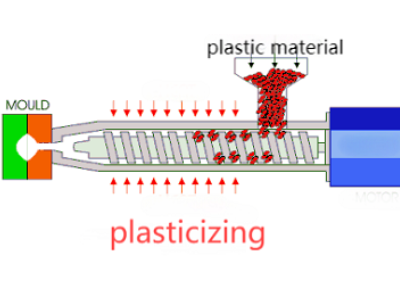
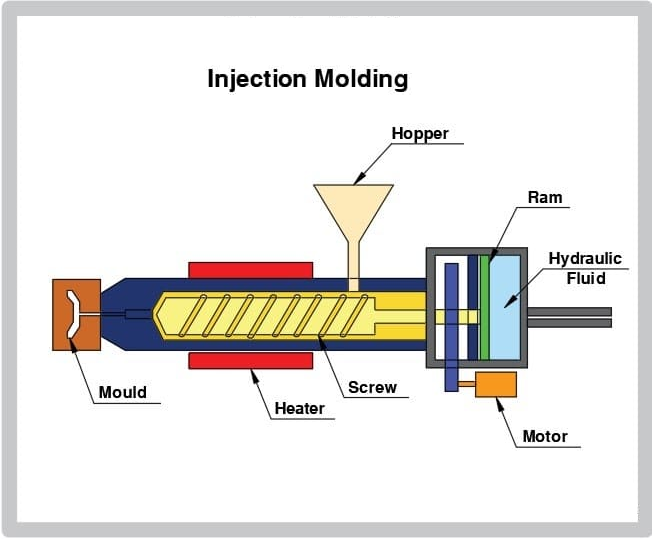
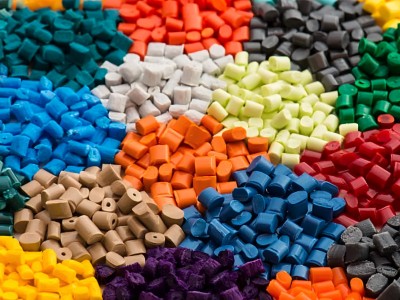
Plastic pellets (such as PP, PE or ABS) enter the injection molding machine barrel through the hopper.
And need to be pre-dried to remove moisture (some materials such as ABS need to be dried at 80-90℃ for 2-4 hours).
The selection of raw materials should take into account both folding endurance.
Such as the “hundred-fold rubber” characteristic of PP and clamping force (the elasticity of PE).
Melt plastic particles
The heating ring outside the barrel (with a temperature of 180-220℃).
And the shear heat generated by the rotation of the screw work together to melt the plastic particles into a uniform viscous flow state.
The compression ratio of the screw (usually 2.5-3.5) and the length-to-diameter ratio (18-22) directly affect the plasticizing quality.
For PP/PE blend materials, the blending ratio needs to be controlled to optimize the fatigue resistance of the hinge part.
Injection molding
The screw injects the melt into the mold cavity at high speed (50-150mm/s) and high pressure (68.6-137.2MPa) under the hydraulic thrust.
Segmented injection
High-speed filling in the initial stage to prevent cold material, and pressure reduction in the later stage to prevent flash.
Pressure-holding compensation
Maintain pressure to counteract shrinkage and prevent indentation (the pressure-holding pressure is approximately 70-80% of the injection pressure).
Cooling and shaping
The mold is rapidly cooled through cooling water channels (with water temperature ranging from 20 to 60℃).
And the cooling time accounts for 60-70% of the entire cycle.
The thin-walled structure of the clothes clips (usually 1-2mm) allows for a relatively short cooling time (10-30 seconds).
But it is necessary to avoid deformation caused by premature demolding.
Demolding and post-processing
The ejection mechanism (mechanical ejector or pneumatic device) pushes the product out of the mold.
Followed by trimming (removing the gate and flash), manual inspection and packaging.
For all-plastic clips with a spring structure, the opening and closing life of the hinge part needs to be inspected (usually ≥10,000 times).