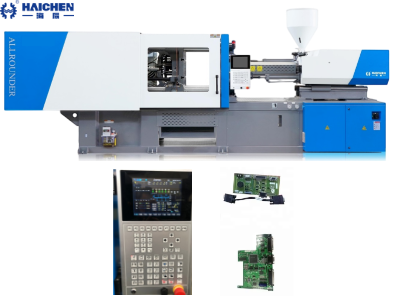
High volume plastic teakettle production lines includes optimize and manage production line, select matrial and process technology and so on.
High-volume teakettle molds require durability, automation compatibility, and cooling efficiency as their core requirements. Design, function, and manufacturing (DFM) optimizes geometry and materials, while achieving economies of scale through multi-cavity design and precision machining. Mold manufacturing must adhere to strict high-volume specifications (such as fully automated cycles and standardized parts), and rely on specialized suppliers to ensure stability throughout the entire production lifecycle.
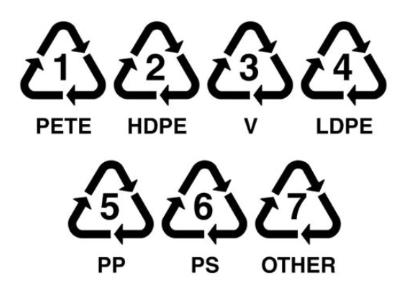
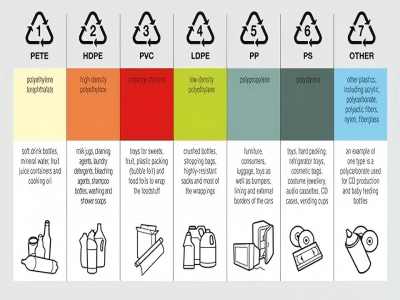
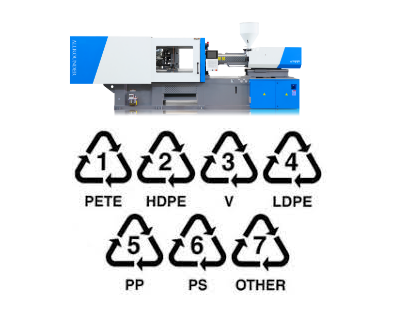
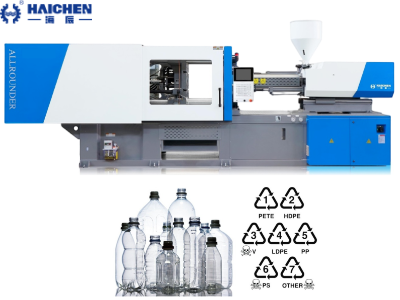
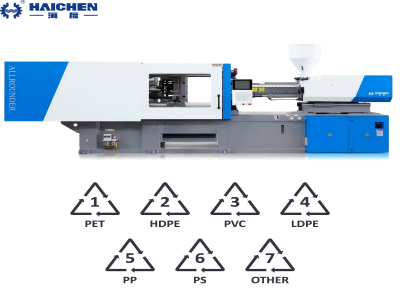
High-yield plastic teapot production lines should give priority to materials such as PP, HDPE, and PET, combine injection molding. And maximize efficiency through raw material pretreatment, automated control, and mold optimization.
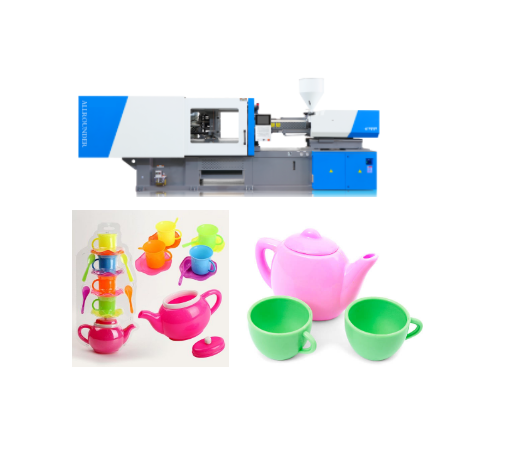
Optimization and management of production lines
Optimization of high-volume plastic teapot production lines is the key to improving production efficiency and reducing costs. According to, by improving the particle swarm algorithm to balance and optimize the production line, it can significantly improve production efficiency. This optimization method can effectively deal with bottleneck problems that may occur in the production line, thereby ensuring the efficient operation of the production line.
Advanced Equipment Application
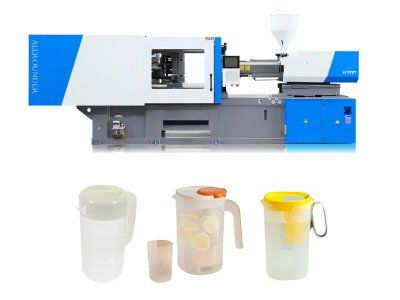
- Using high-speed plastic injection molding machine for teakettles(such as a 180-ton hybrid injection molding machine) . Reduce production cycles (down to 7.5 seconds/cycle) and increases production capacity.
- Integrating IoT sensors and real-time monitoring systems enables dynamic adjustments to equipment status, reducing downtime.
- Optimizing temperature control systems (such as precise mold cooling) ensures consistent product quality.
Line Balancing
Use methods such as Ranked Positional Weight (RPW) to allocate processes and minimize idle time.
Cost Optimization Strategy
Scale up fixed costs (such as molds and equipment) to reduce unit costs.
Energy Management: Select energy-efficient equipment (such as low-energy plastic injection molding machine) to reduce operating costs.
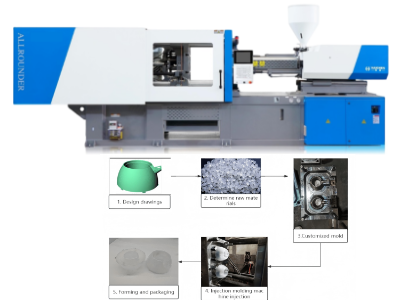
Material selection and process technology
The production of plastic teapots usually involves a variety of process technologies. There are many plastic mateial can use for kettles
For example, it mentions that for thermoplastics (Thermoplastics). Such as solvent bonding, hot tool welding, ultrasonic weldingand other methods can use in high-volume situations. These methods have high reliability and efficiency in high-volume production and are suitable for large-scale production environments.
Polypropylene (PP)
This is the most commonly used material for electric kettle casings due to its heat resistance, low cost, lightweight, and compliance with food contact safety standards (such as those of the US FDA). PP is stable at high temperatures and can be easily molded by injection or blow molding.
Polyethylene (PE)
This includes high-density polyethylene (HDPE) and low-density polyethylene (LDPE). HDPE is suitable for blow molding (e.g., for ton-sized drum production) due to its high toughness and chemical resistance; LDPE is used for flexible components.
Polyethylene terephthalate (PET)
Commonly used for transparent bottles, it offers high clarity, lightweight, and excellent barrier properties. However, raw material purity (e.g., removal of impurities and moisture) must be ensured.
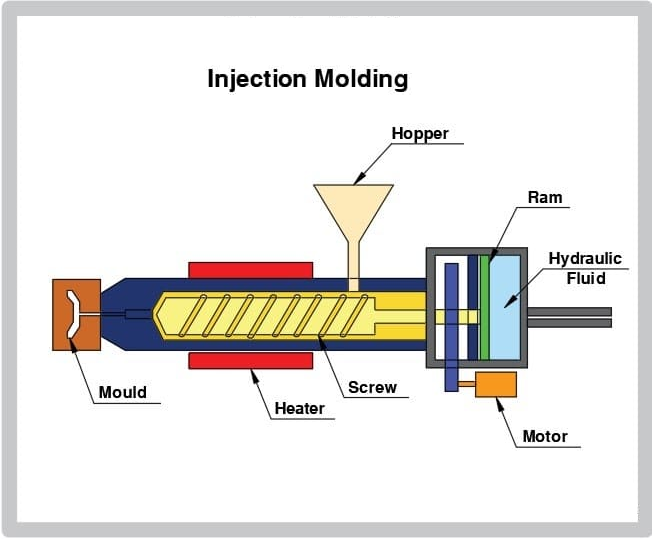
Injection Molding (Core Molding)
Suitable for high production volumes (>50,000 pieces/year), it can efficiently produce parts with complex geometries (such as lids and handles).
Efficiency requires optimizing mold design (e.g., multi-cavity molds) and material flowability (e.g., PP melt index).
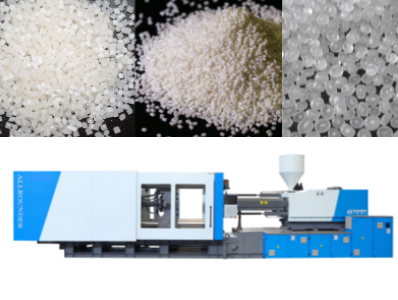
Mold design and manufacturing
Mold design is an important part of plastic teapot production. It is mentioned that the combination of CAD/CAM manufacturing technology and reverse engineering technology can efficiently design and manufacture plastic teakettle molds. Although it is mainly aimed at ceramic teapots, similar technology can also be applied to the design and manufacture of plastic teapot molds.
Specific Design Key Points for Teapots
- Geometric Simplification and Wall Thickness Control: Avoid sharp corners and use rounded corners (radius radius) to ensure smooth melt flow.
- Reducing weld lines and the risk of stress cracking.
- The wall thickness at the junction of the teapot handle and body should be uniform.
Material Selection
High-temperature-resistant, food-grade polymers (such as PP and PE) or high-performance materials (such as 30% glass fiber-reinforced PA66 and LCP) are preferred. Flow and thermal deformation must be verified through FEA simulation.
Surface Quality
High-gloss surfaces or textures require precise machining within the mold cavity (e.g., mirror polishing), and the draft angle must be precisely calculated to prevent scratches during ejection.
Manufacturing process of design for manufacturing (DFM)
Lock the parting plane orientation and analyze the teapot structure (e.g., an inverted spout requires a slider mechanism).
Use the DFM report to optimize wall thickness and rib placement to avoid sink marks.
Mold Structure Design
Parting and Cavity: Design the front and rear molds using 3D CAD software. The parting plane must completely seal the melt.
Slider and Core Puller: Design a slider (side action) to ensure mold release for complex geometry of the teapot handle or spout.
Ejector System: Ensure balanced ejector pin layout to prevent deformation during ejection (e.g., a large top plate on the bottom of the teapot).
Processing and Verification
CNC and EDM Processing: High-speed milling and EDM are used for the cavity to ensure accuracy (±0.01mm).
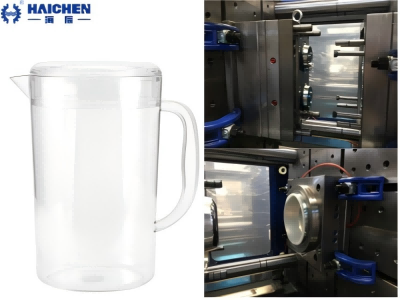
Mold Trial and Debugging: Test on 85-350 ton injection molding machines, adjusting parameters (temperature, pressure, cooling time) to resolve flash, short shots, and other issues.
Environmental protection and cost control
The design concept of the FlexLine high-speed packaging production line emphasizes the importance of environmental protection and low cost. This design concept is also applicable to the production line of plastic teapots. By adopting environmentally friendly technologies and optimizing production processes, it can achive large-scale production while reducing environmental impact.
Wastewater Treatment
High volume plastic teakettle production lines cooling water should be recycled (e.g., in cooling towers) to reduce water consumption.
Domestic sewage should be treated in tertiary septic tanks or underground integrated facilities before discharge.
Washing wastewater should be treated in a dedicated sewage treatment system to ensure compliance with discharge standards (e.g., “wastewater discharge meets standards”).
Solid and Hazardous Waste Management
Waste scraps and packaging materials should be recycled into production (recycling rates impact costs).
Energy-saving and noise-reducing design
Using high-efficiency energy-saving equipment (such as optimizing extruder parameters) reduces energy consumption by over 30%. Low-noise equipment reduces noise pollution and improves the working environment.
Automated production lines reduce manual intervention while improving energy efficiency and stability.
Therefore, high-yield plastic teapot production lines require comprehensive consideration of optimization management, material selection, process technology, mold design, and the application of new technologies. By adopting advanced optimization algorithms, rapid prototyping technology, and environmentally friendly production processes. That can effectively improve production efficiency and reduce costs while meeting market demand.