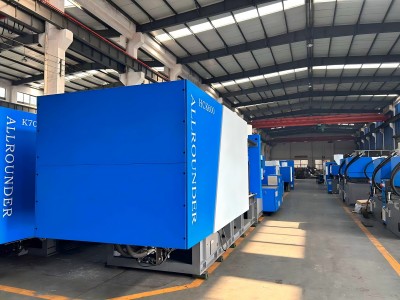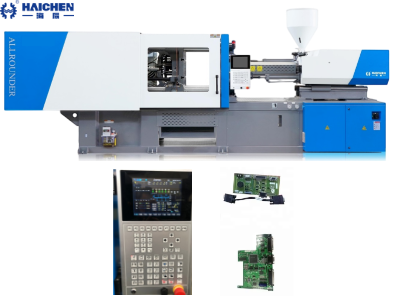
Plastic cups are manufactured through injection molding, where plastic pellets are heated into a molten state and injected into molds. The molds then cool and solidify the plastic into cup shapes.
There are some steps for plastic cups manufactured as follows:
- Raw material selection and preparation
- Pretreatment
- Injection molding
- Cooling and shaping
- Quality inspection
- Post-processing
- Packaging and transportation
The production of plastic cups, like any other business, must be regulated and productive in order to meet customer needs and expectations. As any entrepreneur, the plastic cup producer must be deeply versed in the production process. The aim of this article is to comprehensively describe the production process of plastic cups using simple to complex raw materials and focusing on the fundamental issues in production.
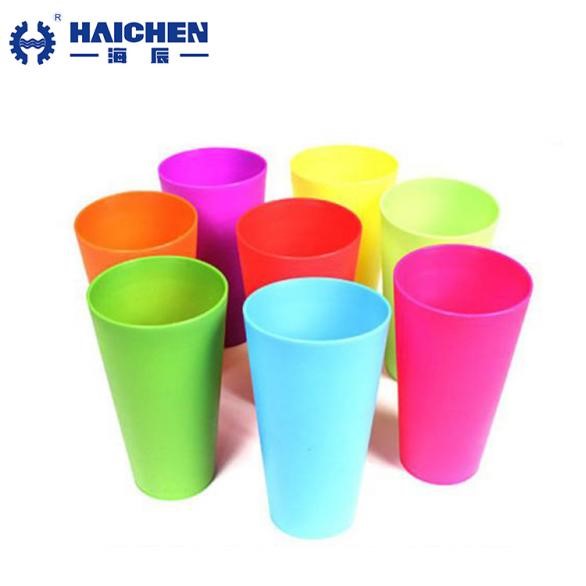
Examples of plastic cup usages include disposable plastic cups used during family and corporate gatherings as well as plastic cups used for drinking in the working environment.
An important part of every product is the processing stages and sub-stages involved in the final product’s production.
Having knowledge of the production process of plastic cups and the different varieties available aids a company in their deciding of sourcing the items. From here, we shall proceed with the examination of the production stages of plastic cups and outline the primary materials and crucial processes.
Moreover, we shall analyze other kinds of plastic cups, for example, those manufactured from polypropylene (PP), polystyrene (PS), and high-density polyethylene (HDPE), which all have various applications and characteristics.
Plastic cup manufactured process
How are plastic cups manufactured? The totally with follow 7 main steps:
- Raw material selection and preparation
- Pretreatment
- Injection molding
- Cooling and shaping
- Quality inspection
- Post-processing
- Packaging and transportation
Raw material selection and preparation
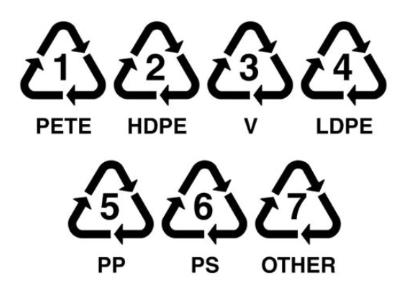
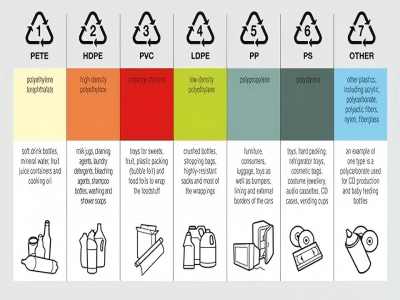
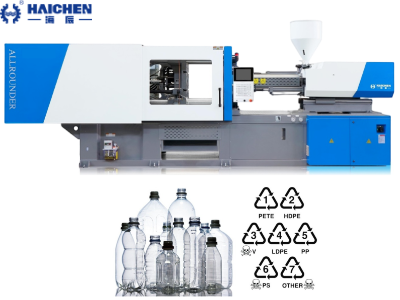
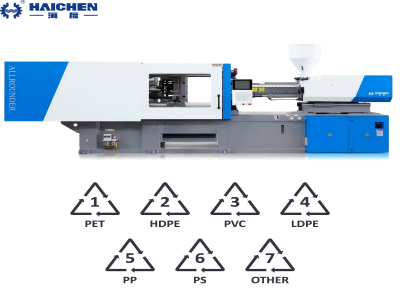
3 type of raw materials will be used for plastic cups: PET, PP,PS.
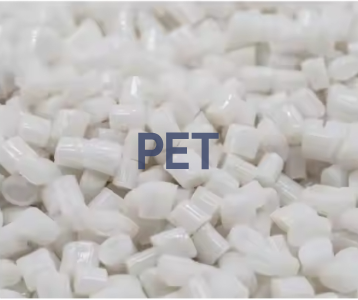
- Polyethylene terephthalate (PET): The most frequently used raw material for manufacturing plastic cups is polyethylene terephthalate (PET) since it is lightweight, transparent, and durable. In addition, PET is non-toxic, safe, and provides good gas barrier properties which makes it suitable for beverage packaging. During production, PET plastic raw materials have to be dried to remove moisture to ensure fluidity during the melting process and improve the quality of the final product.
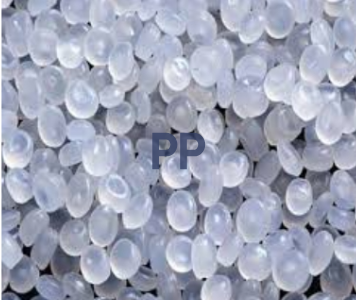
- Polypropylene (PP): Polypropylene is lightweight and relatively heat resistant compared to other plastics. It is commonly used as a food and drink container because it is safe, non-toxic, and withstands microwave heating. Hence, it is a favorite choice for plastic cups.
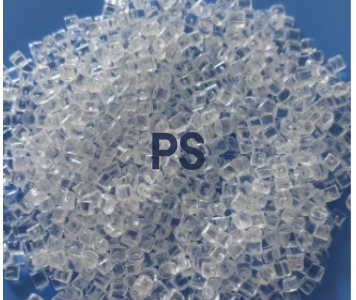
- Polystyrene (PS): Polystyrene (PS) is a relatively inexpensive hard, transparent plastic which is used extensively in the production of disposable plastic cups. PS plastic cups have good transparency and as a result, the color and content of the drink is clearly visible. However, since PS is not as heat resistant as PP and PET, it is not as suitable for hot drinks.
Pretreatment
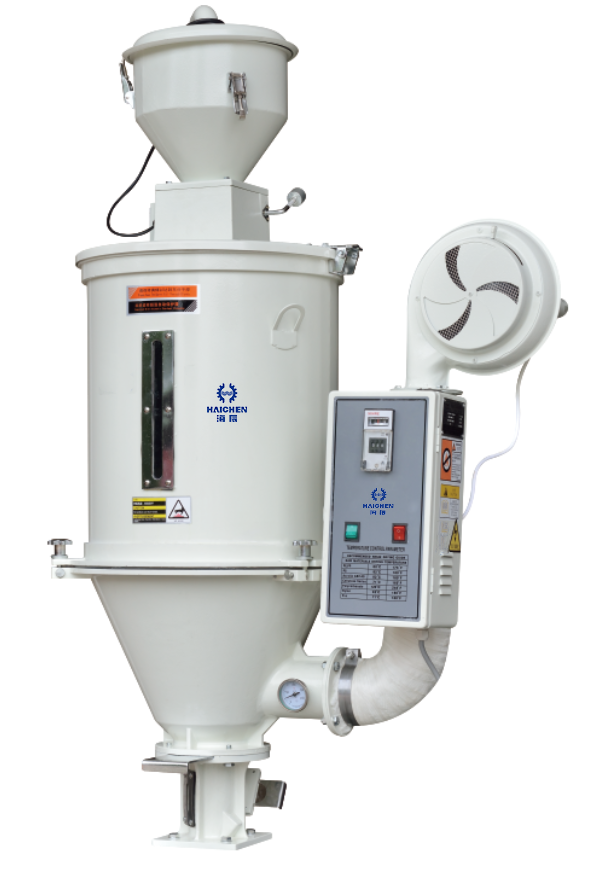
Prior to feeding the raw materials into the production equipment, pretreatment is required. Pretreatment consists of drying processes to eliminate moisture, because it will affect the subsequent melting and molding phases of the plastic. The plastic pellets that are dried are then loaded to the injection molding machine.
Injection molding
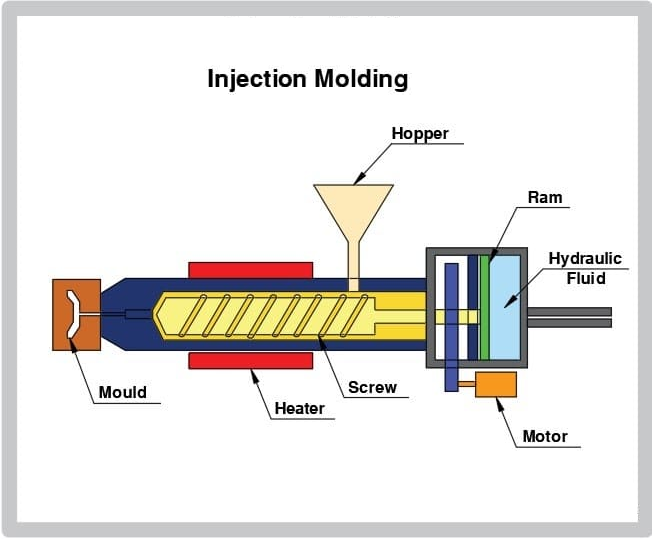
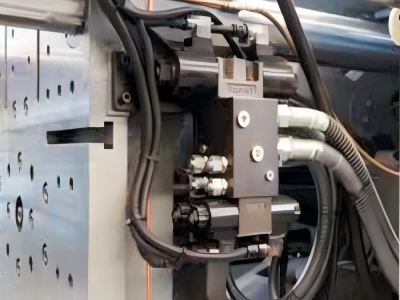
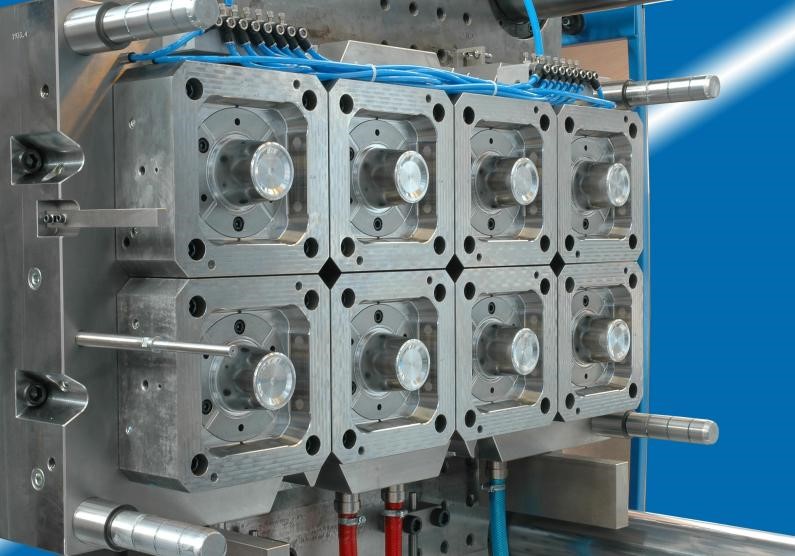
The injection molding machine has two functions. Firstly, it injects the condensed plastic pellets to a closed mold, and subsequently, the mold is cooled and the product is released. The most critical part of cup plastic injection is the injection pressure control. Also, the speed and cooling period must coordinate with injection processes to enhance the surface and contour of the cup.
Cooling and shaping
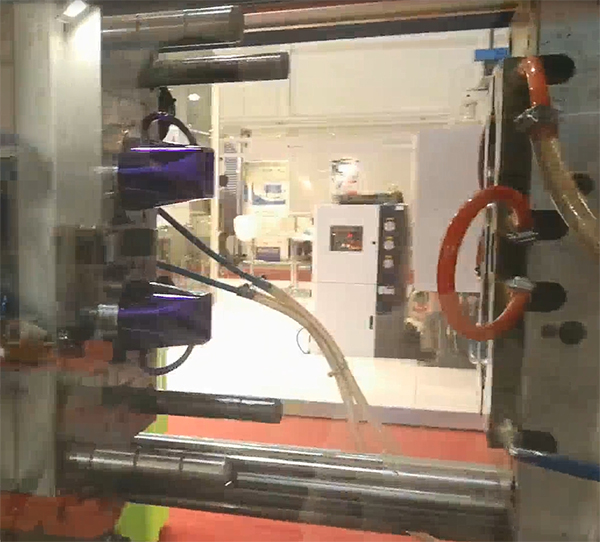
The cooled molded plastic cup must hold its shape. The part must retain its geometry and uniform internal structure from the heat-induced stresses. This cooling process is achievable via air or water cooling, but must happen uniformly to avoid shape deformation and internal stresses.
Quality inspection
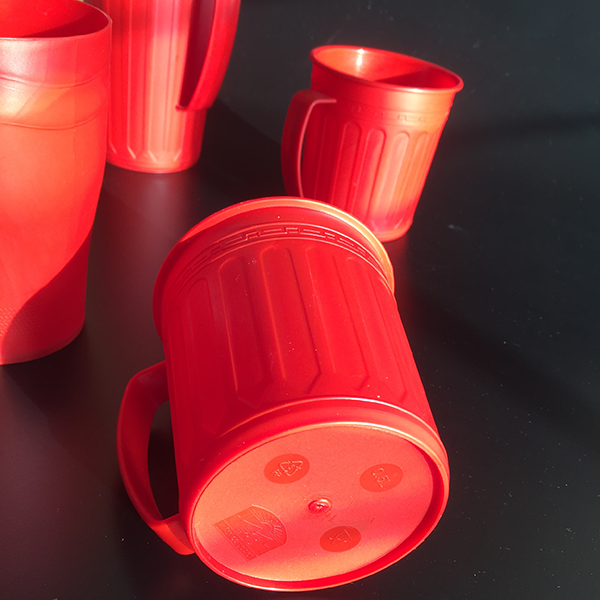
Quality inspection focuses on the standards that must be achieved on a plastic cup. In addition to checking the plastic cup’s gross dimension, quality control also checks surface quality, uniform wall thickness, and the presence of internal defects like cracks and bubbles.
Post-processing
Post-processing includes printing, labeling, adding lids, and other processes. These processes require precise operation and high-quality materials to ensure the beauty and practicality of the final plastic cup.
Packaging and transportation
Packaging is an important part of protecting plastic cups from damage during transportation and storage. The selection of packaging materials and packaging methods needs to consider cost, environmental protection, and transportation efficiency.
Plastic cup injection molding
As in the name, utilizes injection molding machines for the manufacturing of plastic cups, and they are produced in a number of ways.
This process will be outlined along with the flow of the steps required for the injection of a plastic cup.
And then the cup injection plastic molding process can be separated into 6 concise steps:
Heating and melting
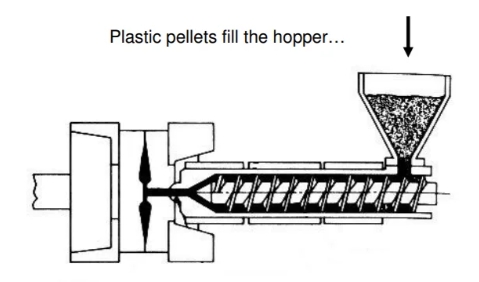
The injection molding machine has a heating barrel into which plastic cups are kept as they will be made out of plastic particles. With the help of heating and the screw within the molding machine, the particles are adequately melted and sheared.
Injection unit preparation
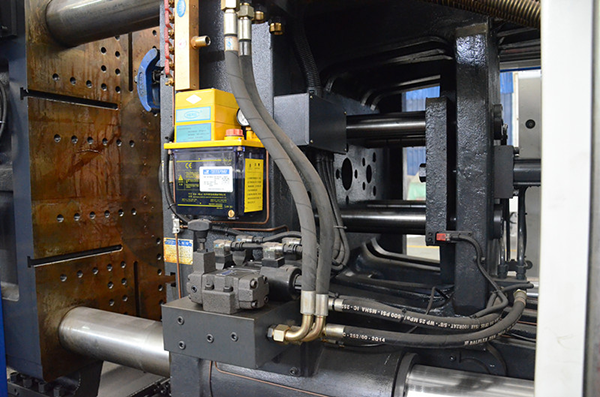
And then the injection unit preparation requires the injection speed and pressure, and must be set by the control system of the injection machine. While the control system is taking care of the pressure, the screw must handle the backup, and pull back until the end of it, allowing for molten plastic to gather and be the end in the screw. And then this is done in order for the preset pressure to push the molten plastic into the mold.
Injection molding
And then the last step requires the mold to be shut in a manner to ensure no gaps are left. The enclosed cavity can now be injected with the plastic which will be in a liquid state under high pressure.
Cooling and solidification
The mold has internal water cooling channels to speed up the cooling and solidification of molten plastic. And then the plastic stays in the mold to cool completely,the duration of this cooling period varies with the type of plastic and the cup’s thickness.
Mold opening and demolding
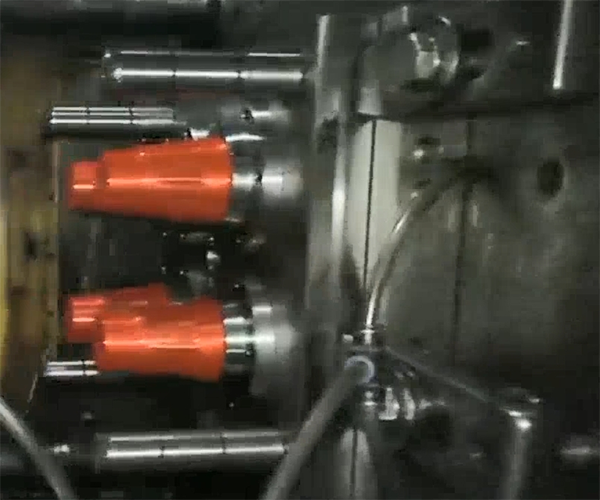
The mold dissects along the guide pins and sleeves after the plastic cup has set. And then a robot or a person manually extracts the part from the mold.
Post-processing
- Trimming: Clean the perimeter of the cup from excess plastic, flash, and burrs.
- Inspection: Visually and dimensionally ensure the cups do not have any defects.
- Packing: Clean the confirmed cups and pack them for storage or shipment.
Key points for the plastic cups manufactured
- Raw Material Quality And Consistency: Maintaining quality and consistency of the raw materials helps minimize scrap rate during the production process of the plastic cups.
- Equipment Maintenance: Scheduled servicing of the injection molding machine the production efficiency and stability of the equipment.
- Control Over The Molding Process: The temperature, pressure, and time for molding of plastic cups must be controlled accurately to maintain quality and consistency of the plastic cups.
- Compliance to Environmental Policies: Operate within the set organizational standards by conserving the environment, making use of recoverable materials, and minimizing emissions and waste during the production process.
- Control Over The Expenses: Automating some production steps helps optimize the production process and consequently, minimize production costs.
Haichen plastic cup injection molding machine
Efficient operation and careful control is needed in the production of plastic cups for it to become a streamlined process.
In plastic cup manufacturing plants, factors like the performance, maintenance cost, and efficiency of the machine should be considered, as well as the after sales service of the supplier which is offered.
Thoughtful consideration of the equipment choice as well as thorough process design in production leads to eliminating excess costs while maintaining high quality standards of the products.
And then in a cutthroat industry, consistent improvements in product quality and production processes ensure competitiveness of plastic cup manufacturers.