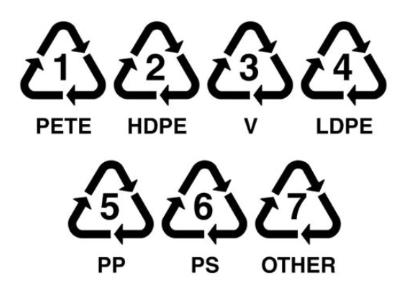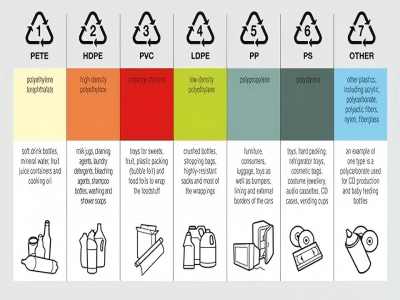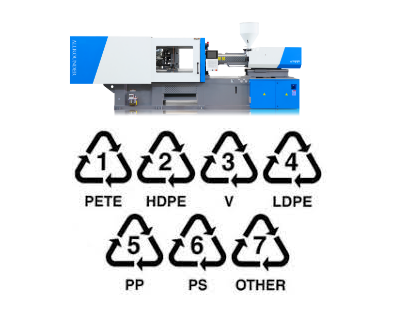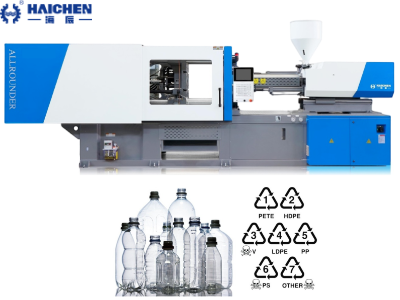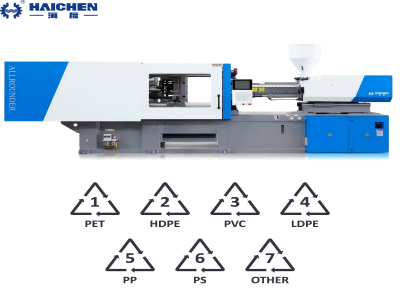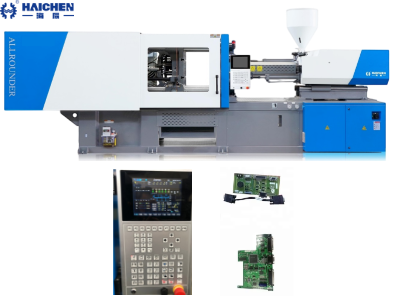
Plastic stools are made of durable polymers like PP or HDPE, ensuring lightweight, weather-resistant, and long-lasting furniture solutions.
As a lightweight and economical furniture choice, plastic stools are widely used in many occasions such as homes, offices, and schools.
These stools are typically made from high-quality plastic materials that offer a combination of strength, flexibility, and resistance to environmental factors.
For plastic stool manufacturers, it is crucial to understand the characteristics and manufacturing processes of different plastic materials.
This article will introduce the main materials of plastic stools, their characteristics, and manufacturing processes in detail.
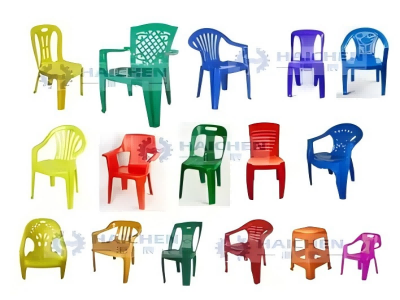
Core Materials: The Building Blocks of Plastic Stools
- Polypropylene (PP)
- Polyvinyl chloride (PVC)
- Polycarbonate (PC)
- Polypropylene (PP)
- Polyethylene (PE)
Polypropylene (PP)
Features:
High strength and rigidity: stools made of PP material strong and can withstand large loads. Abrasion resistance and acid and alkali resistance:
This material possesses good wear resistance and chemical wear resistance.
Elasticity and softness: PP stools support certain elasticity and softness making sitting more comfortable.
Anti-corrosion and waterproof: PP material possesses good anti-corrosion and waterproof properties making it suitable for indoor and outdoor use.
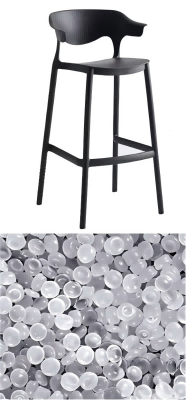
Application:
Due to these exceptional attributes, polypropylene is manufactured into different categories of plastic stools, especially those designed to withstand significant weight.
Polyvinyl chloride (PVC)
Features:
Softness and elasticity: PVC materials is softer and more elastic than PP enabling it to better mold about the human body and thus provide more comfort.
Anti ultraviolet and anti-oxidation: the outdoor use of PVC stools does not result in fading and aging for a considerable period of time thus making the stools more resilient.
Low load-bearing capacity: softer structure results in a lower load bearing capacity making it more suitable for the production of light weight stools.
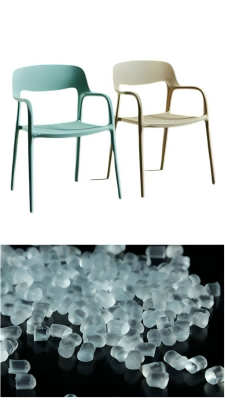
Application:
Stools made from PVC materials are designed for use in comfort and suitable for indoor and outdoor environments.
Polycarbonate (PC)
Features:
Strength and firmness:PC material is very durable, impact-resistant, and not prone to deformation and cracking.
High-temperature resistance:PC material is not easily burned by flames and has good resistance to high temperatures.
Transparency:PC material has good transparency and can easily merge with different decorative styles.
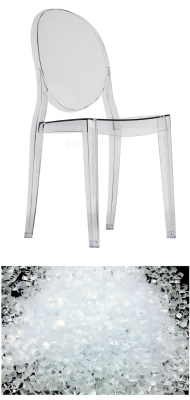
Application:
Polycarbonate is often use to manufacture plastic stools with high strength and transparency. Which are need in places that prioritize safety, aesthetics, and require high seating safety use.
Polyethylene (PE)
Features:
Abrasion and corrosion resistance:PE material has good erosion resistance, enabling it to withstand harsh environmental conditions. Moreover, it is suitable for long-term and various applications.
Toughness and plasticity:PE material ensures the stool is not easily broken or deformed. Therefore, the durability provided ensures the stool can withstand rough use and retain its shape over time.
Stability:This plastic is not readily affected by changes in temperature and humidity, making it very suitable for outdoor use.
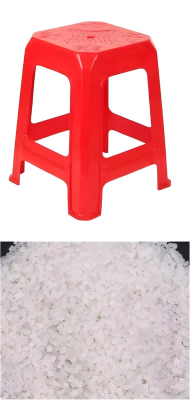
Application:
Polyethylene is often use to make outdoor plastic stools that need to withstand various weather conditions.
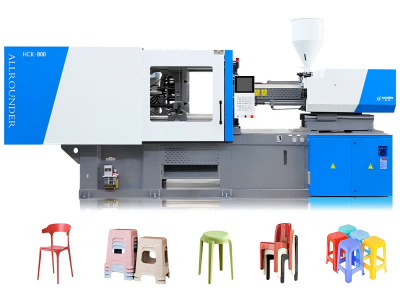
HAICHEN’s Production Case: Polypropylene Stools for Outdoor Use
- Material Selection
- Mold Design
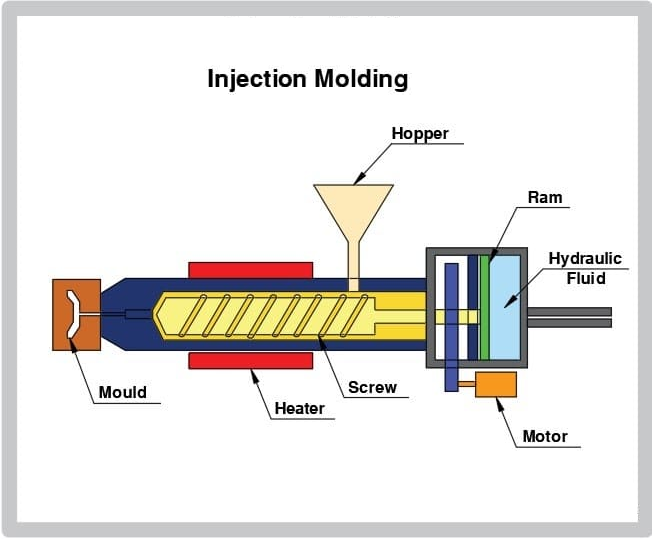
- Injection Molding Process
- Post-Processing
- Testing and Validation
Material Selection
Mold Design
Injection Molding Process
Post-Processing
Testing and Validation
Benefits of Using Polypropylene for Plastic Stools
Durability
Polypropylene’s the moisture and UV radiation, chemical resistance, and durability, make it an amazing candidate for outdoor furniture. Stools made from this material would still be usable years later, even after constant exposure to the weather.
Lightweight
Stools made from this material would still be usable years later, even after constant exposure to the weather. Outdoor furniture is made for ease of usage. And this material makes it easier to be relocate specifically for the purpose of changing the furniture’s location.
Recyclability
Polypropylene plastic is a material which be can be recycle hence reducing the polypropylene’s eco footprint. Using recyclable materials helps reduce waste and supports eco-friendly practices.
Cost-Effective
Using PP helps in the manufacture of durable and quality stools at a low cost surpassing other materials on the market. Mass production of stools is a feasible task now that a high-quality material is readily available at an economical price.
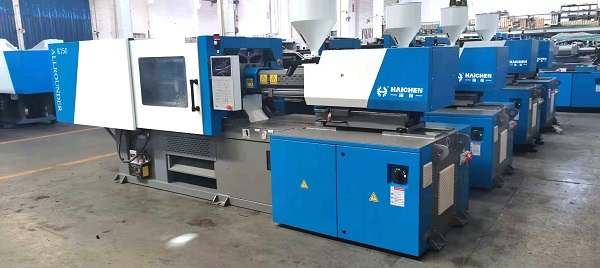
Plastic stools are mainly made of materials such as PP, PVC, PC, and PE. Each material has its own unique characteristics and advantages, suitable for different usage environments and needs. When choosing plastic stools, you can choose the most suitable material according to the specific usage scenarios and functional requirements. Whether indoors or outdoors, plastic stools can provide convenient, comfortable, and durable seating solutions.
By understanding the properties of these materials, plastic stool manufacturers can better control product quality and meet market demands while ensuring the environmental friendliness and sustainability of the production process.