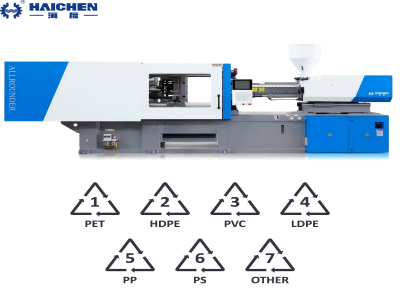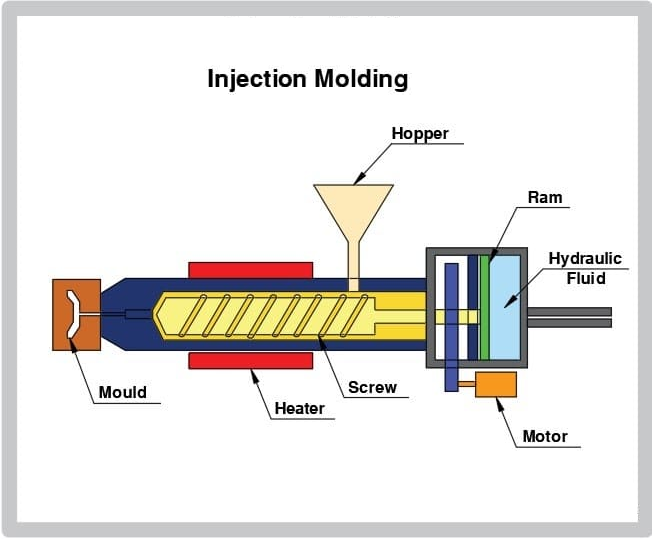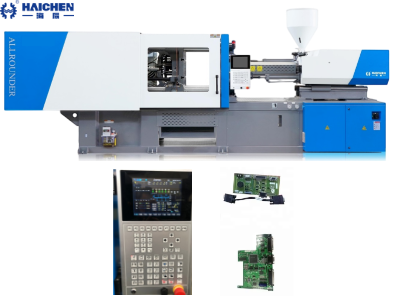
Heat bands work for machine is a resistive heater wrapped around the barrel of the machine, providing heating before the plastic is melted and mixed in preparation for injection.
Heating bands are an integral part of the operation of injection molding machines, ensuring that the plastic material reaches and maintains the temperature required for molding.
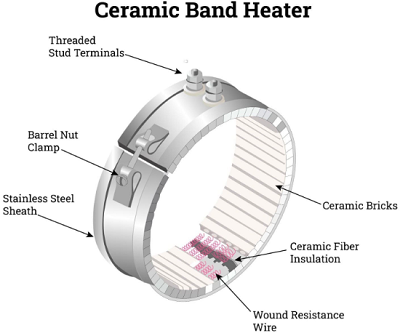
Heating belts are usually composed of resistance wire, insulating material (such as mica) and metal shell (stainless steel). When powered on, the resistance wire generates heat and transfers the heat energy to the barrel or nozzle of the injection molding machine through heat conduction, convection or radiation.
This article will introduce the working principle of heating belt and explain its core role in plasticizing plastics.
Position and structure of heating belt
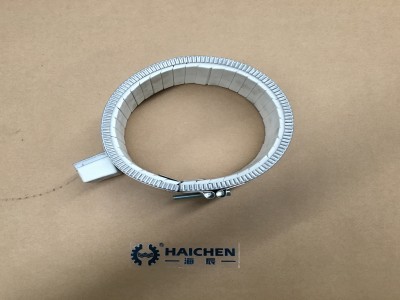
The heating belt is fixed to the outer wall of the barrel of the injection molding machine. Common types include metal or ceramic materials. For example, ceramic heating belts are designed for high melting point materials (such as some engineering plastics). And can withstand temperatures up to 300°C to avoid equipment damage caused by high temperatures. This structure ensures that heat is evenly conducted to the inside of the barrel to prevent local overheating or uneven melting.
The core function and role of the heating belt
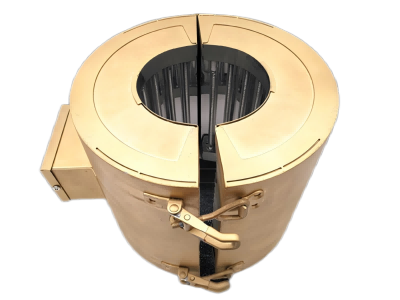
The core function of the heating belt is to provide precisely controlled heat to the plastic particles, converting them from a solid state to a flowing molten state.
This heat is crucial: it ensures that the plastic reaches the right fluidity. So that it can be smoothly injected into the mold for molding.
At the same time, the heating belt continues to work throughout the injection process, maintaining the temperature of the molten plastic, preventing it from cooling and solidifying before the mold is filled, and ensuring the continuity of the molding process.
How the heating belt works in the machine
How the heating belt works – the heating belt works by the principle of resistance heating
Temperature control
When powered on, the heating belt generates heat, which is transferred to the plastic pellets through the barrel wall, melting them into a viscous liquid.
Uniform heating
In a screw injection molding machine, the screw rotates to advance the plastic. While the heating belt maintains a constant temperature (usually 160–300°C) to ensure melt fluidity.
Prevent material degradation
The temperature control system adjusts in real time according to the type of plastic (such as PP or PET) to avoid material degradation or bubble formation.
Prevent machine thermal expansion
The heating belt also takes into account the thermal expansion of machine components. As the machine heats up, the components may expand.
Safety
The heating belt is designed with safety features to prevent overheating and potential machine damage or operator injury. They usually include temperature sensors and safety disconnect mechanisms that are activated when the temperature exceeds the preset limit.
Heating belts provided by Haichen
Haichen Machinery’s injection molding machines achieve efficient plasticization through the cooperation of screws and heating belts. And the temperature error is controlled within ±2°C.
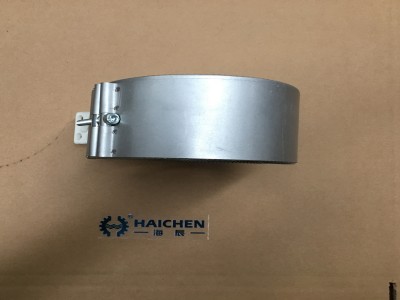
Importance and Challenges of Heating Belts
Heating belts are critical to plasticizing quality: insufficient heat will result in incomplete melting of the plastic, affecting injection filling; while overheating may cause material decomposition and reduce product strength. However, poor thermal conductivity is the main challenge, especially when dealing with low-flow or heat-sensitive plastics, auxiliary heating systems (such as hot runners) may be required.
>Ceramic heating belts can partially alleviate this problem and are suitable for high-temperature materials (such as HPTP injection molding), but regular maintenance is required to prevent efficiency loss.
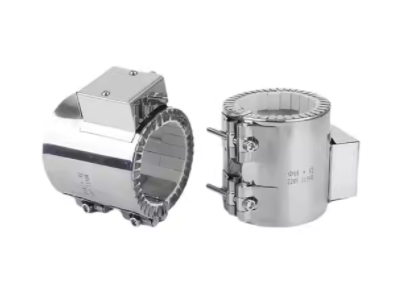
The role of heating belts in injection molding machines
In injection molding machines, heating belts play a key role. And are directly related to the efficiency of the machine and the quality of the product. They are responsible for providing the precise temperature required for the injection molding process. In order to adapt to different production needs, heating belts also have a variety of types, such as cartridge heaters and strip heaters, providing flexible selection space.
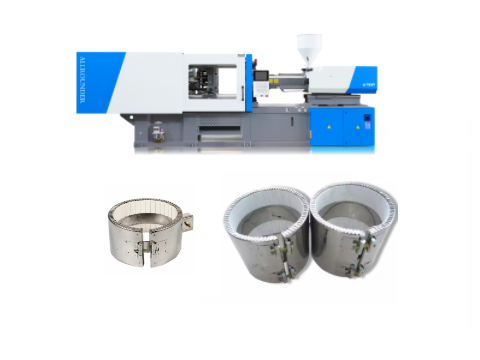
Heating belts are the core components of the plasticizing process of injection molding machines. Ensuring uniform melting of plastics through efficient heat conduction. Reasonable selection and temperature control can significantly improve production efficiency and product quality. As a professional manufacturer, Haichen Machinery is committed to optimizing heating belt technology and providing customers with reliable solutions. Welcome to contact Haichen for injection molding machine consultation.