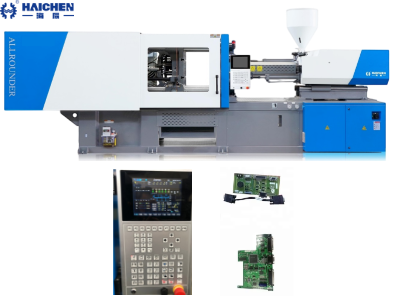
Heat cause plastic to melt by increasing the kinetic energy of its molecules, breaking the intermolecular bonds and allowing the material to flow.
The application of heat during the injection molding cycle, particularly in the initial step of heating the plastic pellets into liquid form, is of utmost importance.
The molding process is possible due to the change in form and flow properties of the molten compound, which undergoes alterations attributable to the application of heat.
To achieve fine results in the injection molding process , understanding the effect of heat on the plastic itself is highly valuable.
The Molecular Structure of Plastics
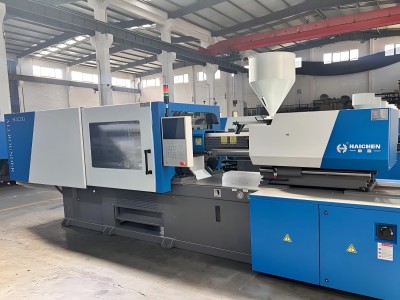
The Science Behind Melting Plastic
Plastics undergo Phase Transformations by heating. the preceding solid state is a packed form. According so the kinetic energy theory of heat, heating increases energy while force of motion – causing vibration is appreciated increase. Polymers undergo a transformation when heated – the rigid arrangement of their molecular chains breaks apart and acquires the ability to move with more flexibility. This shift is identified as melting in both solids and liquids.
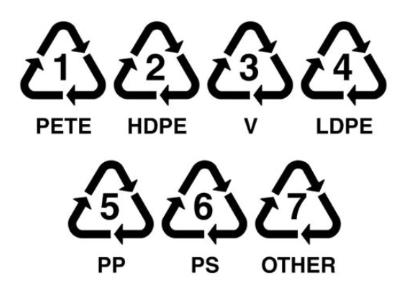
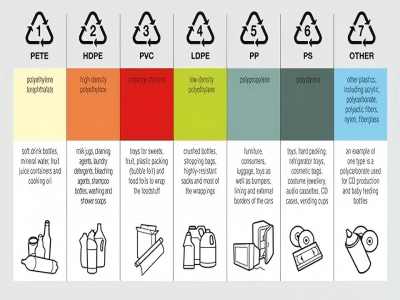
Different classes of plastics exist, each possessing distinct melting temperatures. For instance, polyethylene has a melting temperature of approximately 110–130°C while polypropylene is 150 – 165°C. The particular melting temperature is determined by the molecular architecture and make-up of the plastic substance.
The Role of Heat in Injection Molding
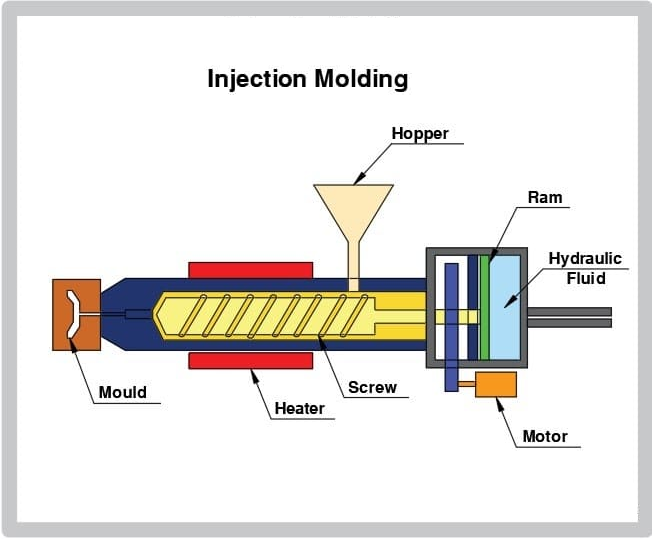
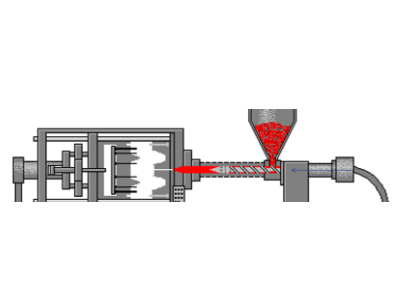
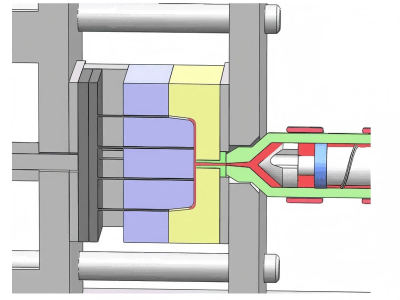
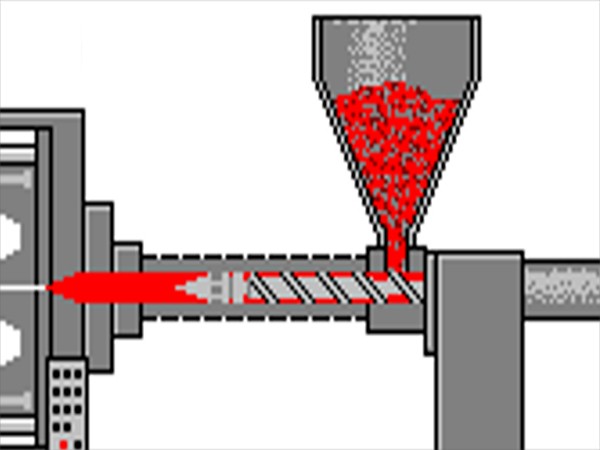
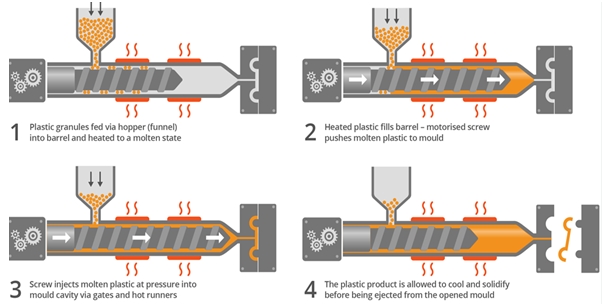
In the process of injection molding, a solid piece of plastic is first put into an unheated barrel. Gradually heating the barrel results in melting the outer layer and eventually the entire piece, followed by injecting it into a mold cavity at high pressure. In this stage, it’s essential to keep the mold at a lower temperature so that the plastic cools down rapidly.
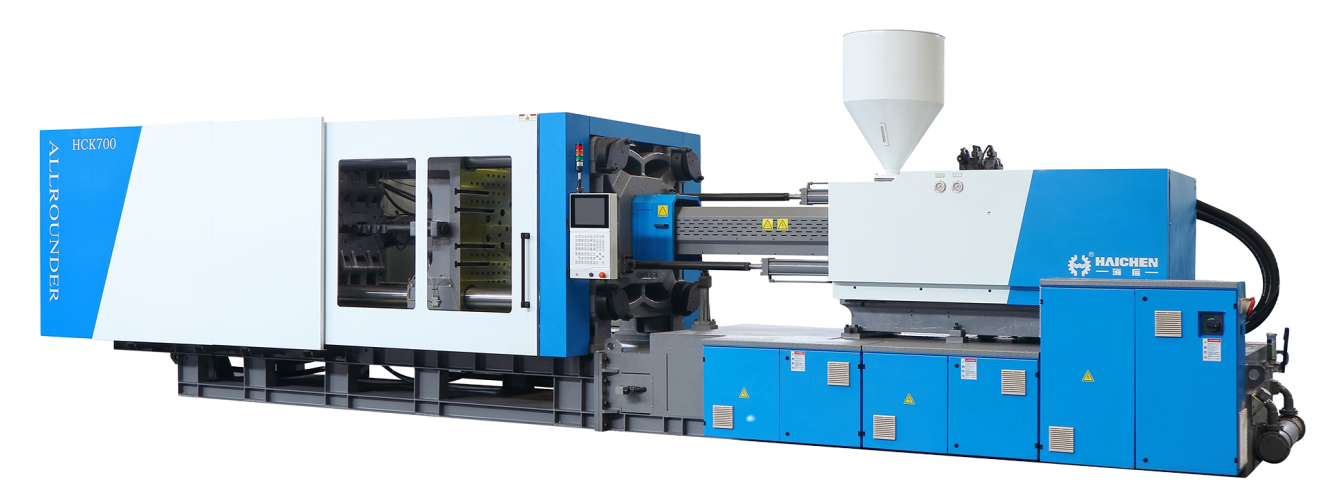
As a professional designer for an injection molding machine, I know the overriding importance of achieving precision in managing heat. Cooling and heating elements have to be placed strategically in the machines’ barrel to ensure the temperature is consistently maintained. This leads to optimal melting conditions for the polymer’s equilibrium phase, resulting in high-quality manufactured components at minimal defect rates.
Factors Affecting Melting and Flow
how plastic melts and flows during the injection molding process:
- Temperature Control: As stated above, proper melting is dependent on temperature control. If the temperature is too low. Melting will not be completed, while high temperatures can lead to the degradation of the plastic material.
- Material Composition: Different types of plastic have unique flow properties and melting points. To improve the process of injection molding, one has to be familiar with the characteristics of the specific type of plastic being used.
- Screw Design: The screw design enables different patterns of heating and mixing, melting, and plasticating. With good screws, heat is transferred and melting is done uniformly.
- Injection Speed: It is also essential to consider the magnitude of plastic flow into the cavity. Adequate injection speed is highly critical in avoiding problems related to short shots or flash.

The Importance of Precise Heating
To achieve the best accuracy in the production of the injection molding components. The entire heating cycle, as well as other associated parameters, has to be controlled precisely. Ensuring plastic is adequately melted will facilitate smooth filling of the mold cavity. Defects such as bubbles, warping, or mid-die filling can arise if the melt flow is not maintained.
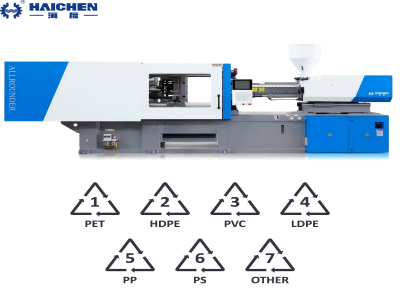
HAICHEN integrates advanced temperature control systems into its injection molding machines to guarantee a high level of consistency and accuracy in temperature control. Our machines also incorporate advanced sensors and control systems to monitor. And adjust the heating process in real-time, ensuring optimal melting conditions for each specific plastic material.
Environmental and Safety Considerations
While heat is necessary for melting plastic, it also poses certain challenges. High temperatures can lead to energy consumption and potential safety hazards. Modern injection molding machines, like those produced by HAICHEN, incorporate energy-efficient heating elements and safety features to minimize these risks. Additionally, proper ventilation and cooling systems help maintain a safe and comfortable working environment.
HAICHEN: Your Partner for Injection Molding Solutions
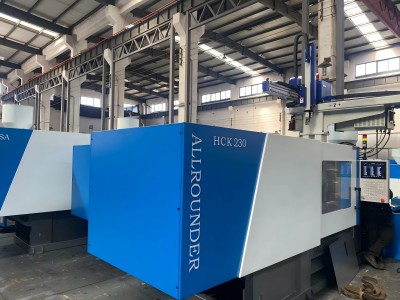
HAICHEN is a leading injection molding machine manufacturer, focusing on providing high-precision, high-performance injection molding solutions.
- Advanced Technology and Customized Solutions: Our injection molding machines integrate intelligent temperature control systems that precisely regulate plastic melting and cooling phases.
- Quality and Reliability: HAICHEN manufactures injection molding machines that meet aerospace-grade quality standards, delivering 99.9% operational reliability with under 0.1% unplanned downtime.
- Full Support: We provide comprehensive after-sales service, technical support and maintenance services to ensure that your production process runs smoothly.
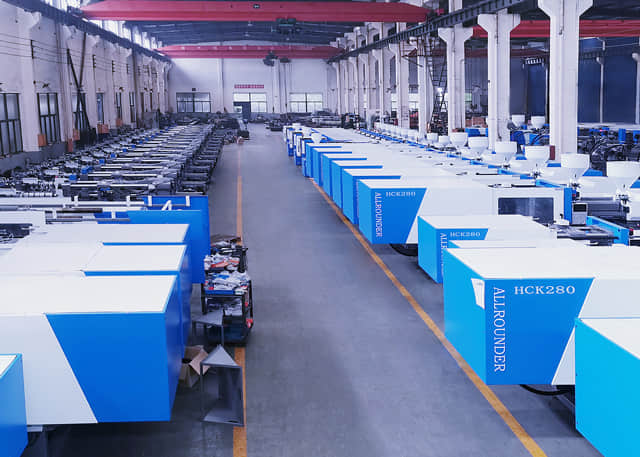
Heat is a fundamental element in the injection molding process, enabling the transformation of solid plastic into a molten state suitable for molding. Heat cause plastic to melt by increasing molecular kinetic energy, allowing the material to flow smoothly. Understanding the science behind melting and the factors that influence it is crucial for optimizing the injection molding process. By mastering the use of heat in injection molding, manufacturers can produce high-quality plastic parts efficiently and reliably.