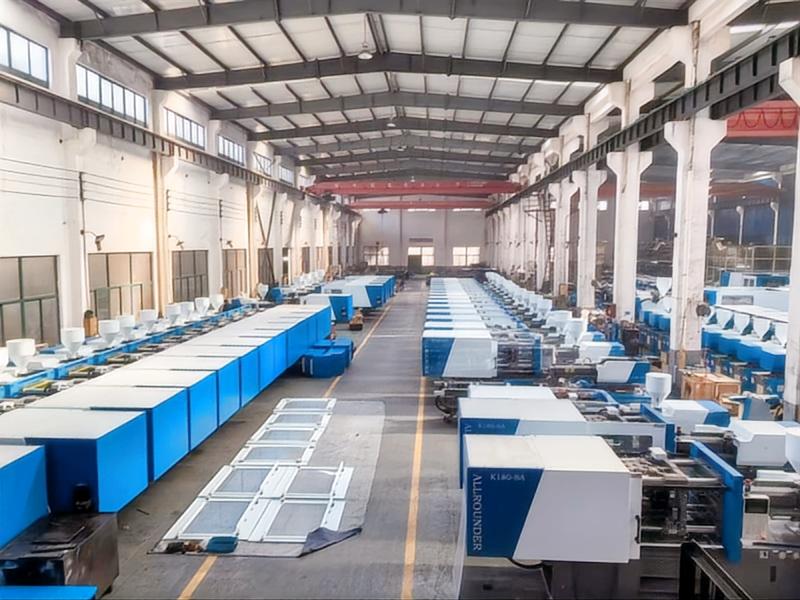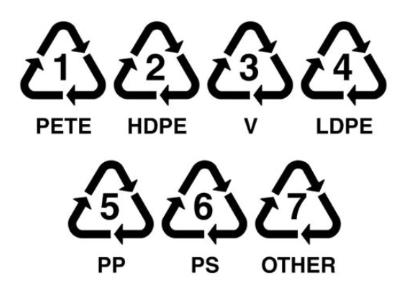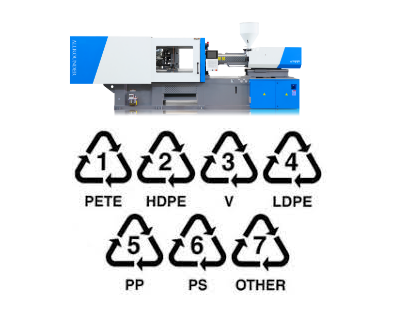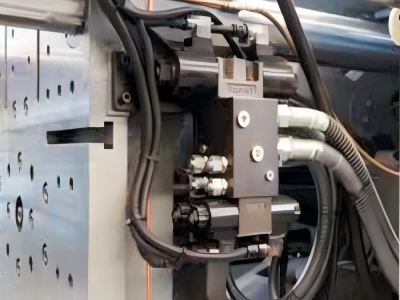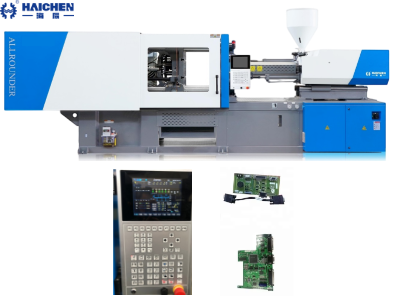
Choose a plastic pallet making machine based on the product details of the plastic pallet.
Plastic pallets are usually made from copolymer polypropylene or high density polyethylene (HDPE) resin. Mainly produced by a plastic pallet making machine. Plastic pallets are cheaper than metal pallets, less susceptible to mould and pests than wooden pallets, and do not absorb moisture. As a result, many companies have switched their material handling equipment from wood to plastic. Widely used in warehousing and logistics industry, it has high load capacity, durable and corrosion resistant, clean and so on.
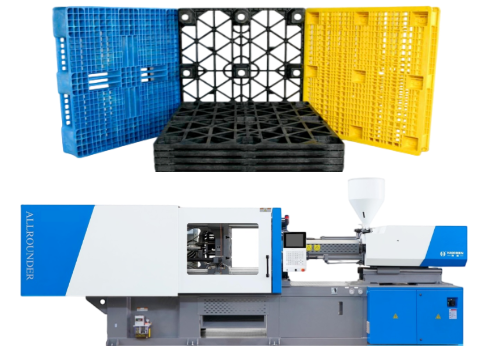
How to choose a plastic pallet making machine is the key to producing the right plastic pallet for you.
Here are a few basic principles for choosing a plastic pallet making machine
*Pallet size to machine clamping unit
*Pallet weight to machine injection unit.
*Energy consumption of pallet injection molding machine
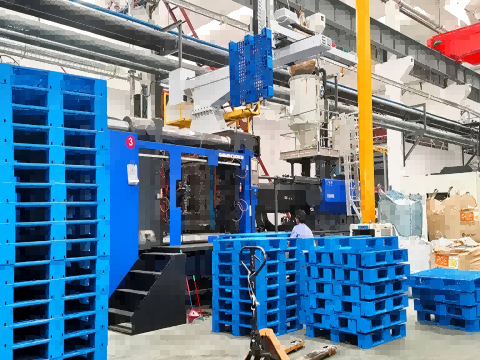
*Pallet size to machine clamping unit
Pallets will approximate several sizes depending on the standards of the logistics industry. Similar to 800 * 800, 1000 * 1000, 1200 * 1200, etc. (there are also many rectangular and not square size), in the design of the mould, the total size of the frame will still be increased, so according to the mould dimensions to choose the clamping parts of the model with sufficient tie bar spacing is the first step necessary!
*Pallet weight to machine injection unit.
High-strength HDPE in the tray to provide solid characteristics at the same time because of its high density means that a single piece of pallet products will have a greater weight, then the injection moulding machine with a large injection volume is a must, generally speaking, the size of the pallet will have a few kilograms to close to thirty kilograms of different levels, according to the weight of your products to choose the injection unit powerful enough to be the basic principle of the machine.
*Energy consumption of pallet injection molding machine
The energy consumption of the pallet injection molding machine is one of the more concerned points for producers, which determines the energy cost of the whole product in production. It is especially important in the operation of large machines, so we should choose a servo system with precise control, equipped with multi-detailed stress feedback device, so that the pressure of the whole system can be more accurately distributed to the injection and mold closing process. In the completion of the pallet injection molding machine at the same time minimize the waste of system fluid pressure.
Tips for choosing plastic pallet injection moulding machine
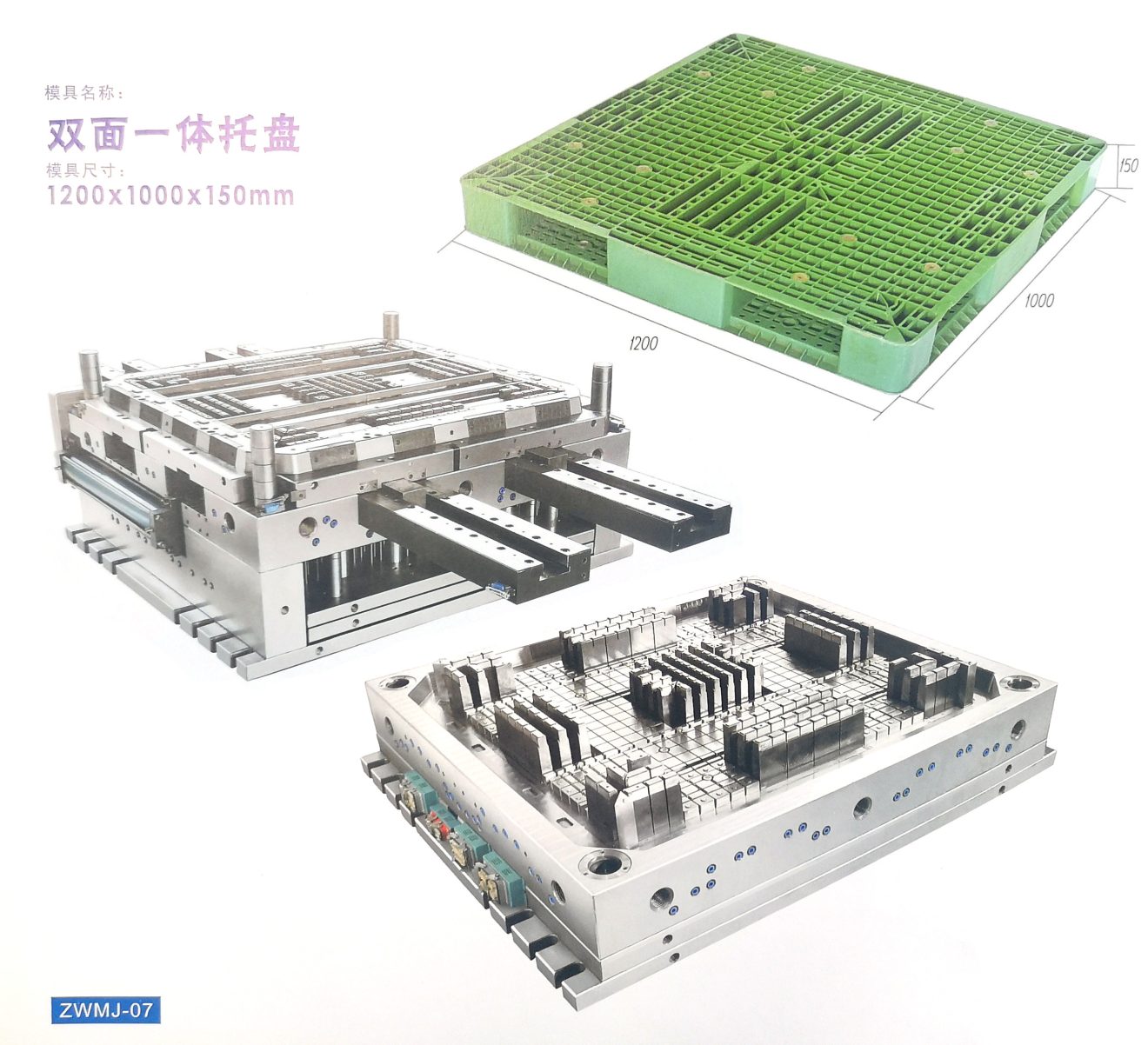
Plastic pallet products come in all shapes and sizes.
You need to carefully analyse the size and application and then choose the right injection moulding machine.
We have five tips from our experience to help you.
1. Plastic pallet mould size and weight
2. Plastic pallet material and output requirements
3. Product moulding requirements
4. Energy consumption and efficiency
5. Equipment specifications
1. Size and weight of plastic pallet mould:
Select a suitable injection moulding machine according to the size and weight of the pallet mould.
Make sure the pallet mould can be installed on the injection moulding machine and produce qualified products stably.
2. Plastic pallet material and production demand:
When choosing a pallet injection moulding machine, you need to consider the type and quantity of plastic to meet the moulding requirements.
3.Product moulding requirements:
Including plastic pallet quality conditions, production speed and so on. These factors will affect the choice of injection moulding machine.
4. Energy consumption and efficiency:
Choosing an injection moulding machine with high energy efficiency and low energy consumption can significantly reduce production costs.
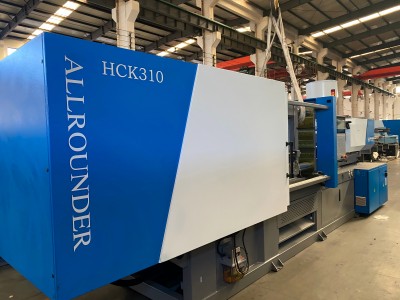
Compared with ordinary models, HCK2500 large pallet injection moulding machine energy consumption is reduced by nearly 50%, and the efficiency is increased by nearly 30%.
5. Equipment specifications:
According to the specific size and shape of the pallet, choose the injection moulding machine with the appropriate clamping force and template size.
These tips will help you choose the right injection moulding machine for your target plastic pallet product.
Plastic pallet manufacturing machine
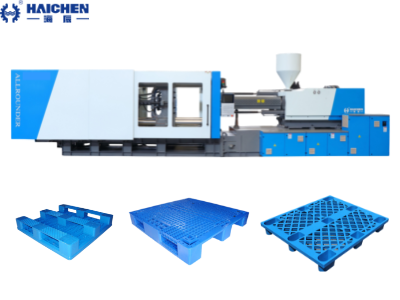
Haichen showing comprehensive overview of plastic pallet manufacturing machines, including types, key manufacturers, technical features, and industry insights, synthesized from the provided search results:
1. Types of Plastic Pallet Manufacturing Machines
a. Molded Plastic Pallet Machines
Process: Uses compression or injection molding to shape recycled plastic (HDPE, PP, etc.) into pallets.
Key Components: Conveyor systems, extruders, molding machines, robotic arms for handling38.
Applications: Ideal for producing heavy-duty, reusable pallets for logistics and industrial use.
Advantages:
Eco-friendly: Recycles waste plastic, reducing landfill waste89.
High Efficiency: Automated lines can produce 200–300 pallets/day9.
b. Extrusion-Based Machines
Process: Melts plastic granules and extrudes them into sheets or profiles, which are then formed into pallets.
Equipment: Includes plastic extruders, sheet production lines, and thermoforming machines47.
Applications: Suitable for lightweight, nestable pallets (e.g., for food or pharmaceutical industries).
c. Thermoforming Machines
Process: Heats plastic sheets and molds them into pallet shapes using vacuum or pressure.
Features: Cost-effective for medium-scale production, with customizable molds.
2. Leading ManufacturersPalletMach (China)
Specialization:
Molded Plastic Pallet Machines: Integrates waste plastic recycling and molding, emphasizing sustainability.
Customization: Offers machines tailored to production capacity (e.g., 50–500 pallets/day) and pallet dimensions.
Key Features:
PLC Control: Ensures precision and reduces manual labor.
Energy Efficiency: 50% lower energy consumption compared to traditional injection molding.
Plastic pallet making machine
Plastic pallet making machine is a device used to produce plastic pallets. Its types and processes are diverse, mainly involving compression molding, injection molding, blow molding and other technologies.
The following is a detailed analysis:
1.Core process and equipment type
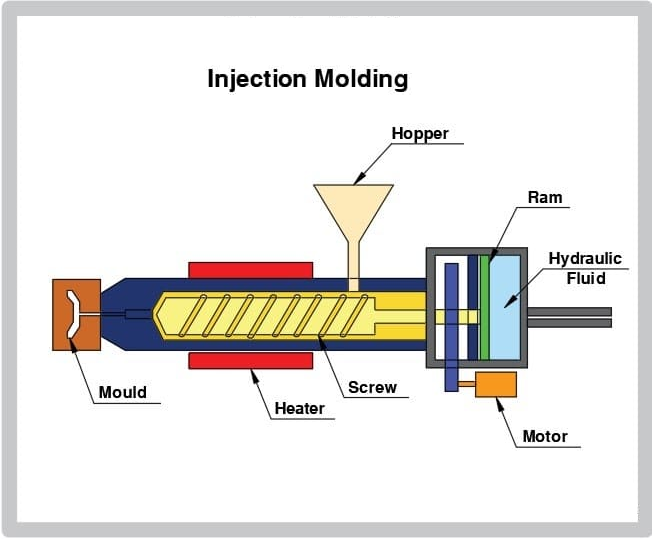
Injection molding
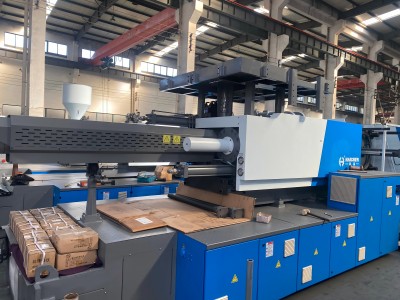
It requires high-precision molds, injecting molten plastic into the mold and then cooling and demolding. The product surface is smooth and the production efficiency is high.
However, the mold cost is high, and the purity of the raw materials is high (usually new materials or high-quality recycled materials are required), resulting in a more expensive final pallet. Suitable for scenes with strict requirements on strength and appearance.
Blow molding
Use blow molding machines to make hollow pallets, which are suitable for the production of large-capacity pallets (up to thousands of liters).
The raw materials are mostly HDPE or PP, which are inflated and molded by molds, and have the advantages of high structural strength and strong customizability.
However, the equipment is large in size and has high energy consumption.
Compression molding (compression molding)
This is the current mainstream waste plastic recycling process. The equipment is powered by a hydraulic system to press molten waste plastics (such as PS, PP, HDPE, etc.) into the mold, and then molded into a pallet after cooling.
The PM-1000 model machine has adjustable pressure (0-1000 tons), a molding cycle of 120 seconds, a daily output of 720 pieces, and supports fully automated production.
Low raw material cost, suitable for large-scale processing of waste plastics.
2.Raw materials and environmental protection
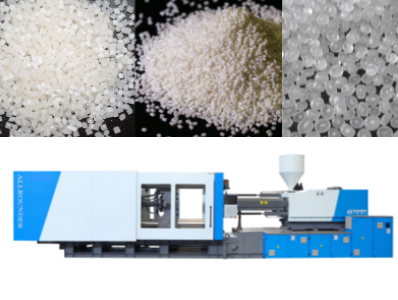
Source of raw materials
Compression molding and injection molding can use waste plastics (such as bottles, plastic bags, toys, etc.), which need to be pre-treated by crushing, cleaning, drying, etc.
Blow molding usually relies on high-density plastics (such as HDPE), which requires higher consistency of raw materials.
Environmental advantages
The reuse of waste plastics reduces environmental pollution, and the plastic pallets themselves are reusable and recyclable, more durable than wooden pallets and do not require insect repellent treatment.
In addition, the carbon emissions and energy consumption of the compression molding process are lower than those of traditional injection molding.
3.Production process and automation
Typical process
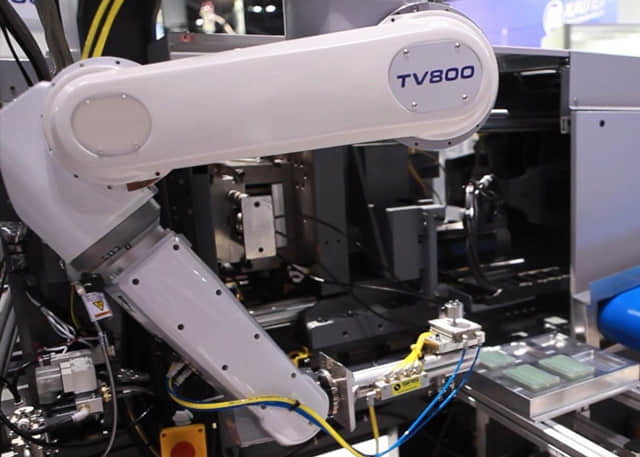
Waste plastic pretreatment (crushing, cleaning) → extruder melting → quantitative delivery to the mold → compression molding → robotic arm takes out the finished product
Fully automated production lines can reduce manual intervention and improve efficiency (such as the automatic stacking of robotic arms mentioned).
Quality control
The injection molding process requires extremely high mold precision, and mold defects will directly affect the quality of the finished product.
The stability of compression molding depends on the hydraulic system and temperature control, and regular maintenance is required to ensure product consistency.
4.Cost and market trends
Cost comparison
Injection molding equipment has a high investment (mold costs account for a large proportion), while compression molding production lines cost 50% less, and the raw material cost is only 20%-30% of new materials.
The cost of compressed pallets using waste plastics is much lower than that of wooden pallets.
Market demand
The demand for lightweight and durable pallets in the logistics industry has promoted the popularity of plastic pallet making machines, especially compression molding equipment has become mainstream due to its high cost-effectiveness.
In addition, environmental regulations (such as ISPM 15) have prompted companies to switch from wooden pallets to plastic pallets.
5.Challenges and improvements
Impurities in waste plastics may cause defects in finished products, and cleaning and sorting processes need to be strengthened.
For example, a company had a defective rate of 7.1% due to impurities, and needed to rework and optimize the process.
Technological innovation
Some companies improve the life of equipment and the quality of finished products by improving screw design, hydraulic system stability and mold materials (such as wear-resistant hardening treatment).
The selection of plastic pallet making machines needs to comprehensively consider the type of raw materials, production requirements and costs.
Compression molding machines have become the first choice for waste plastic recycling due to their low cost and high environmental protection, while injection molding and blow molding are suitable for high-end customized scenarios.
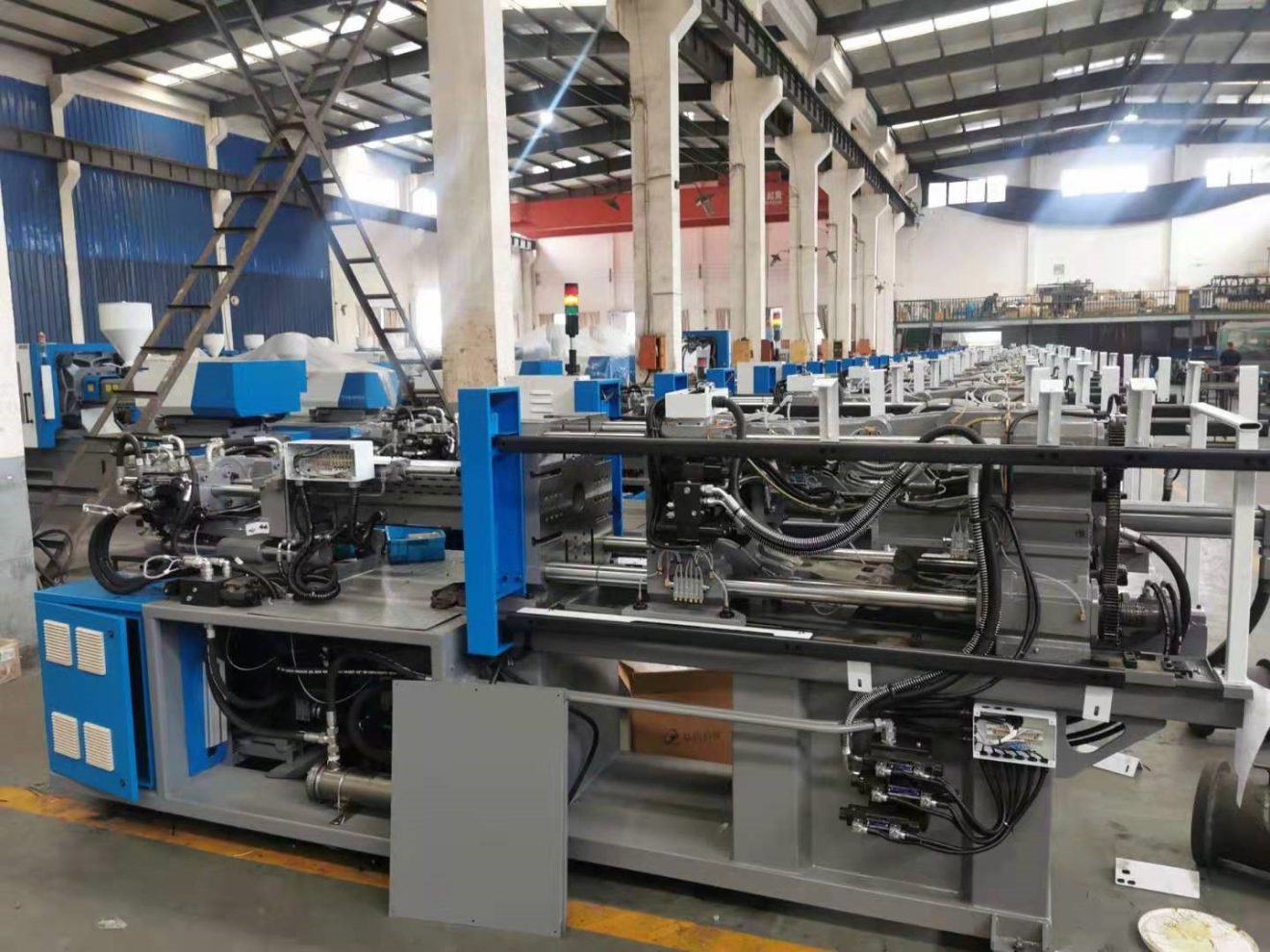
In the future, with the advancement of automation technology and waste plastic pretreatment technology, the market share of compression molding process will further expand.
Haichen with extensive experience in the production of large pallets, we can customise the production line specifically for your pallet products.
Want to know more?