Choosing of Helmet Manufacturing Machine involves considering the type of helmet, material, production capacity, automation, precision, etc.

Proper helmets are crucial in a variety of industries, including construction, sports, and transportation. To ensure the manufacture of high-quality and durable helmets that meet safety standards, the proper helmet manufacturing machine must be selected.
This article will provide relevant information related to choosing a helmet manufacturing machine in detail.
Below are the key basic factors to put into consideration when choosing a helmet manufacturing machine.
- Helmet Type and Material
- Production Capacity
- Level of Automation
- Precision and Quality
- Ease of Operation and Maintenance
- Choosing of Helmet Manufacturing Machine– Cost and Budget
Helmet Type and Material
Start by defining the type of helmet you will be producing and the materials you will use. Different machines work with varying materials, for example, plastic, fiberglass or carbon fiber.
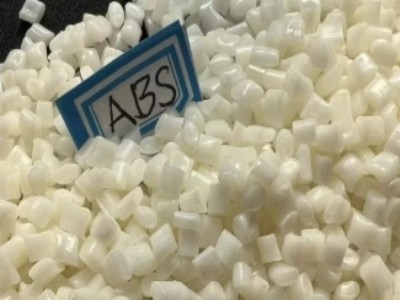
For motorcycle helmet production, you would want a machine that works with high-impact plastic materials such as ABS (Acrylonitrile Butadiene Styrene) or polycarbonate which have good durability and impact resistant properties.
Sports helmets used in cycling or skiing can also utilize reinforced thermoset composites (RTSC) and multi-impact foams which are light and offer good energy absorption.
If you are targeting the high-end market such as professional racing or specialized sports, carbon fiber helmets are popular due to their low weight and high-strength attributes.
Each material has its own processing requirements, so selecting the right machine is crucial for achieving the desired quality and performance of the final product.
Production Capacity
Some machines are meant for mass production, whereas some others are more suited for small and medium sized batch production.
If you are aiming at a high volume market, then a machine with a higher molding capacity will be required in order to meet demand.
These machines usually have higher tonnage and are capable of producing large quantities of helmets in short spans of time.
Conversely, if your emphasis is on specialized or custom-made helmets, then a machine with lower production capacity can be more appropriate.
Smaller machines are usually cheaper and can be more flexible with regard to production runs and customization. Furthermore, think about the scalability of the machine.
With business growth, there may be a need to increase the production capacity. In the long run, opting for a machine that is easily upgradeable or expandable will save time and money.
Level of Automation
Level of Automation Evaluate the level of automation you need. Fully automated machines can increase efficiency, but may come at a higher price.
Semi-automatic machines need some manual input, for example loading and unloading the molds.
Fully automated machines, on the other hand, can have advanced features like robotic arms for part pickup, automatic mold changing features.
Precision and quality
To ensure the helmet meets rigorous safety and quality standards, high-precision cutting, forming and finishing processes are a must.
With advanced controls and sensors in the machines, every step of the production process is monitored and fine-tuned in real-time which eliminates variations.
Such Systems guarantee that every helmet goes through the highest standards in all steps of production.
Ease of operation and maintenance
Focus on equipment that the operator and the system can efficiently manage and maintain. This will lower the cost of operations and downtime.
Look for machines that can be operated and controlled easily, as they require little training for the operators.
Ease of servicing parts directly impacts the workload and time involved in regular maintenance tasks. Also consider the availability of spare parts and the responsiveness of the manufacturer’s after-sales service.
For Thailand’s manufacturing sector, reliability and ease of servicing directly impacts fulfilling production demands and reducing operational interruptions. Choosing a helmet manufacturing machine: cost and budget
Consider whether the cost of the machine is in line with your budget. Remember to consider operating costs, maintenance, and potential upgrades.
The initial purchase price is only one aspect of the total cost of ownership. Operating costs may include energy consumption, labor and raw materials. Maintenance costs may vary depending on the complexity and frequency of use of the machine. By carefully evaluating all these factors, you can make informed decisions based on your financial ability and long-term business goals.
Helmet Making Machine Manufacturer
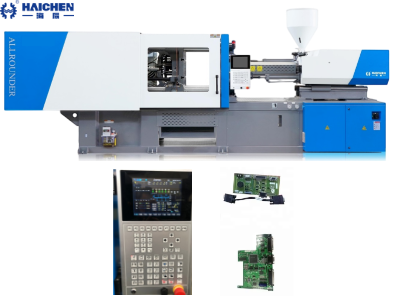
Haichen is a leading manufacturer of helmet manufacturing machinery, known for innovation and quality.
Haichen machinery adopts the latest technology design to ensure the accuracy and efficiency of the production process.
We provide a series of machines that can handle all kinds of materials and production scale to meet the needs of small enterprises and large industries.
When selecting a helmet manufacturing machine that meets the production objectives and budget, giving priority to quality, safety and efficiency is the key to ensure the success of helmet manufacturing business.
When making decisions, please remember the importance of working with manufacturers that provide reliable after-sales support and guarantee the quality of the machine.