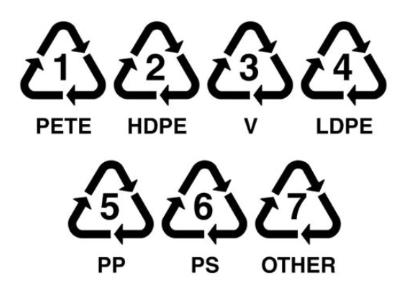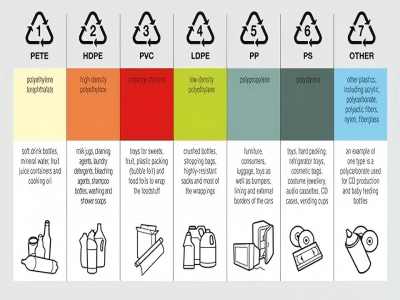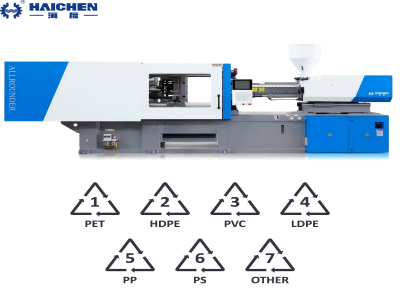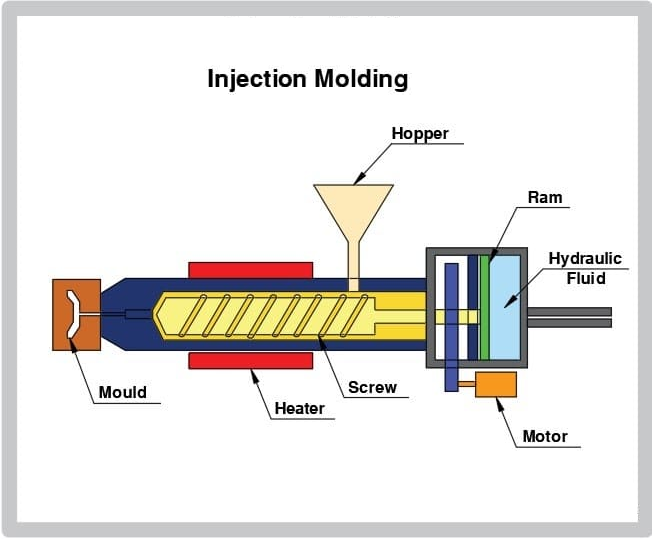
Raw materials of plastic clothespins typically include PVC, ABS, PP, SAN, and bioplastics, chosen for their flexibility, durability, and cost-effectiveness.
Plastic clothespins are very useful for hanging and tidying clothes in every household. When making such small things, it is actually very important to choose the right plastic, which is directly related to whether the clothespins are durable, easy to use, and expensive.
Although it has a simple structure, several kinds of plastics are used in actual production. Each plastic has its own characteristics, some are harder, some are softer, some are cheaper, and some are more expensive. These different characteristics naturally make the clothespins different. Today we will talk about several commonly used plastics for plastic clothespins,
and share some of our experience and insights accumulated during the production process.
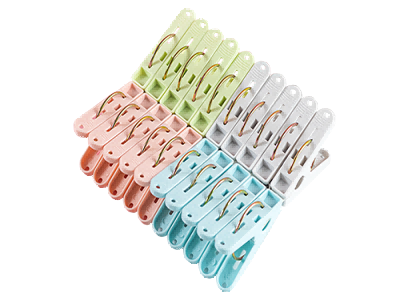
Raw materials of plastic clothespin
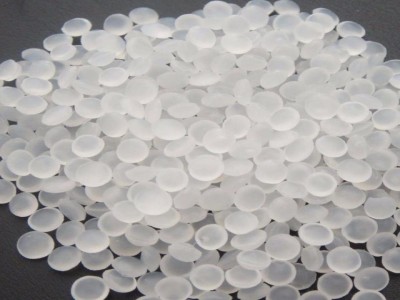
As daily necessities, the selection of raw materials for plastic clothespins must take into account mechanical strength, weather resistance and cost-effectiveness. According to industry practice, the current mainstream raw materials can be divided into five categories, among which polypropylene (PP) is widely used.
PP
- PP material is non-toxic and odorless, can withstand high temperatures above 110°C, and has good fluidity. However, it should be noted that its shrinkage rate is relatively high (about 1.0%-2.5%), which means that when producing ordinary clothespin bodies, structural design (such as adding reinforcing ribs) is required to compensate for the shrinkage deformation during the cooling process.
- Applicable scenarios: Ordinary clothespin bodies need to compensate for shrinkage deformation through structural design (such as reinforcement).
- HAICHEN case: In a clothespin factory project in Thailand, HCE120 servo injection molding machine was used with PP raw materials. The shrinkage problem was successfully solved through multi-stage pressure holding technology (the pressure holding pressure was reduced by 30% step by step), and the yield rate was increased to 98%.
HDPE
- Features: This material is very strong and can withstand strong impacts. It is not easy to become brittle and crack even in temperatures as low as -40 degrees Celsius. Its surface is usually smooth and shiny. However, it is slightly softer and less hard than PP (polypropylene).
- What it is suitable for: HDPE itself is relatively light, easy to process into various shapes, and is particularly resistant to falls and collisions. These characteristics make it very suitable for use in relatively harsh environments. For example, clips for outdoor use, or parts that require a certain degree of elasticity and toughness, such as musical instrument reeds.
PVC
- Features: PVC is a widely used thermoplastic plastic that is often used to make things, mainly because it is cost-effective. It is durable and can resist corrosion and wear from chemicals.
- What it is suitable for: Clothespins made of PVC feel lighter in the hand, easy to use, and manufacturers can easily make products in various colors.
ABS
- Features: ABS is a frequently used material when factories make plastic products, including clothespins. It is known for its high strength, good toughness, and special impact resistance.
- What it is suitable for: Clothespins made of ABS are very durable and are not easy to crack or break even after being exposed to various weather changes such as wind, sun, rain, etc.
PS
- Features: Polystyrene is a lightweight plastic.
- What it is suitable for: Although it is not as strong and durable as PVC or ABS, it is cheaper. Therefore, if you only need to use it once or for a short period of time, such as some one-time occasions or temporary purposes, clothespins made of PS are an economical choice.
The key to raw material adaptation in injection molding process
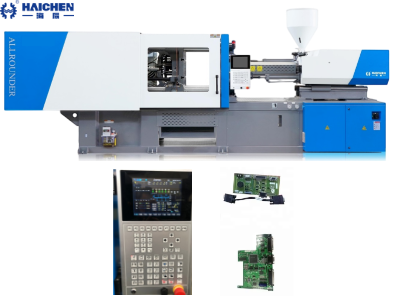
Different raw materials have strict restrictions on injection molding parameters. HAICHEN equipment achieves precise matching through intelligent control:
| Raw materials | Drying temperature/time | Barrel temperature (℃) | Mold temperature (℃) | Special process requirements |
| PP | 80-100℃/1-2h | 200-230 | 20-60 | High pressure holding to prevent shrinkage |
| Nylon | 6 110℃/3h | 240-250 | 60-100 | Requires humidity adjustment to prevent embrittlement |
| ABS | 80℃/2h | 220-250 | 40-80 | High-speed filling anti-melting line |
HAICHEN technical solution:
- Dynamic variable temperature control: For high-viscosity materials such as PC, an independent temperature control module (±1℃ accuracy) is used in the nozzle section to reduce flow marks.
- Servo energy-saving system: When producing HDPE clothespins, it saves 45% energy compared to traditional hydraulic presses while maintaining injection speed stability.
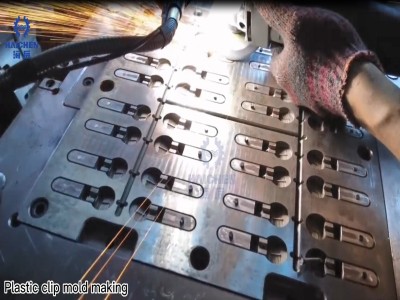
Advantages of raw material processing of HAICHEN injection molding machine
In view of the common thin-wall and multi-structure characteristics of plastic clips, our equipment innovation mainly focuses on three core links:
Precision color matching system
The batch color difference problem of PP material clothespins is effectively solved through the real-time online masterbatch mixing device (accuracy of ±0.5%). This not only improves the consistency of product appearance, but also reduces the waste of raw materials.
Thin-wall high-speed injection molding
The injection molding speed of E series models (such as HCE100) is as high as 400mm/s. Taking a clothespin with a wall thickness of 1.2mm as an example, the single-piece molding cycle only takes 12 seconds, which is 25% higher than the industry average efficiency.
Flexible mold adaptation
The case of a South American customer illustrates: the anti-slip clothespin produced by this customer has a side sealing structure. Haichen’s five-axis linkage clamping system achieves 0.03mm-level overflow control to ensure stable molding of complex structures.
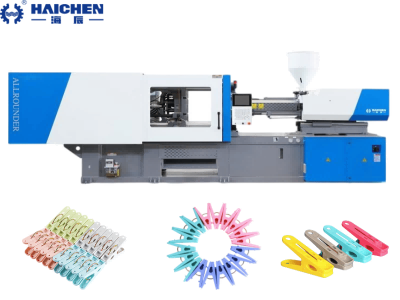
When choosing the right raw materials for plastic clothespins, we consider factors like durability, flexibility, cost, and intended use to ensure the final product meets quality standards and user requirements.