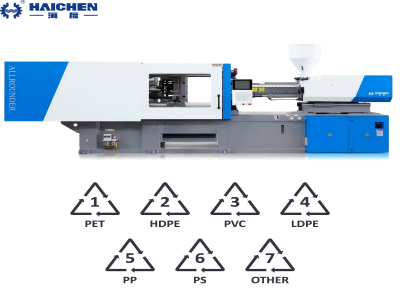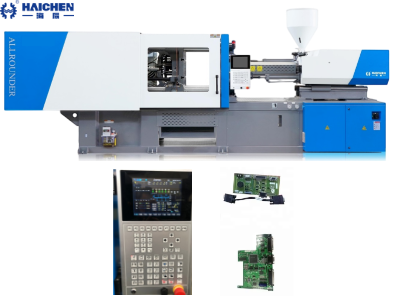
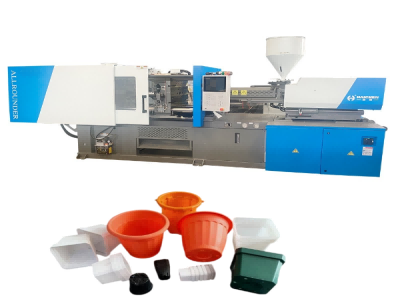
Plastic Box Making Machine is a kind machine for producing a wide range of plastic containers for purposes as storage packaging.
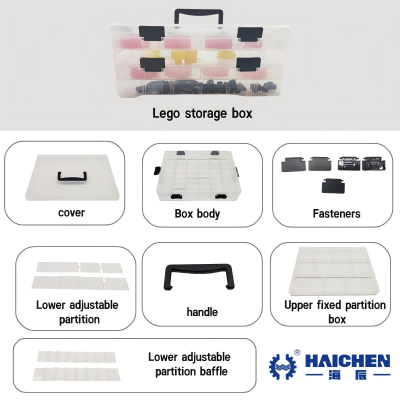
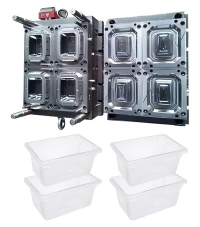
When selecting a plastic box making machine, several factors need to be considered to ensure that the equipment selected will meet production requirements and provide the best value for money.
The following are key factors to consider when selecting a plastic box manufacturing machine:
1.Product characteristics and materials:
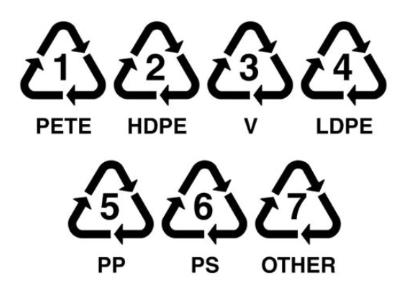
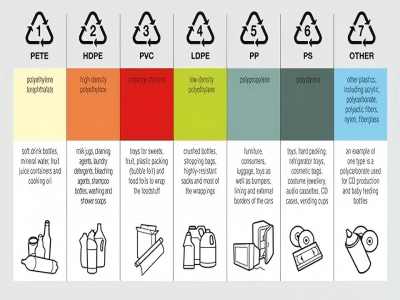
Plastic box manufacturing machines typically use thermoplastics such as polypropylene (PP), polyethylene (PE), polyvinyl chloride (PVC) and polycarbonate (PC).
Depending on the specific requirements of the product, it is crucial to choose the right material and type of machine.
For example, for applications requiring a high degree of transparency, choose an injection moulding machine for PC material.
2.Plastic box manufacturing machine types:
Common plastic box manufacturing machines include injection moulding machines, blow moulding machines, thermoforming machines and rotational moulding machines.
Each type of machine has its specific application scenarios and advantages.
For example, injection moulding machines are suitable for plastic boxes with complex shapes and high precision requirements.
While rotational moulding machines are suitable for mass production of simple shaped plastic boxes.
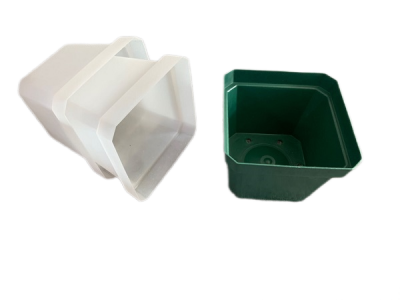
3.Production volume and cost:
Production volume is one of the most important factors in determining machine selection.
If large-scale production is required, a machine that can operate efficiently and with low maintenance costs should be chosen.
In addition, the initial investment cost and long-term operating cost of the machine also need to be considered.
4.Technology and efficiency:
Efficient machines can significantly increase productivity and reduce energy consumption.
For example, energy-efficient technologies and optimised designs can reduce energy waste while maintaining product quality.
5.Durability and maintenance:
Durability and ease of maintenance are also important considerations when choosing a machine.
Durable machines can reduce downtime and thus increase productivity.
6.Supplier and after-sales service:
It is also important to choose a supplier Haichen that has a good reputation and reliable after-sales service.
This ensures that timely support and solutions are available in case of problems showing during the use of the machine.
By considering the above aspects together, you can make a wiser choice of plastic box making machine that suits your needs.
As a result, you can increase productivity, reduce costs and enhance competitiveness in the market.
Plastic box injection moulding production machine
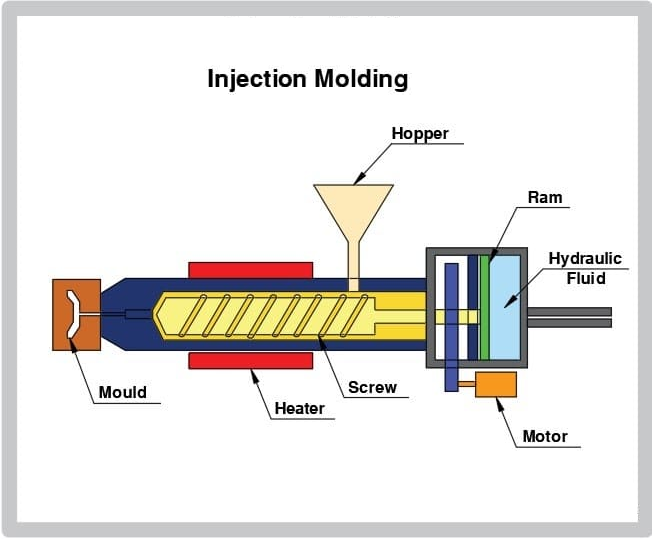
Plastic box injection moulding production machine is a kind of industrial equipment for producing high quality plastic boxes.
Its working principle and process are roughly as follows:
1.Plastic box raw material preparation:
Firstly, plastic granules such as polystyrene (PS) and polypropylene (PP) are fed into the injection moulding machine through an air pump according to customer requirements.
These plastic granules are usually mixed with colour powders to form the desired colour and characteristics.
2.Plastic raw material is heated and melted:
The plastic granules are fed into the barrel of the injection moulding machine.
Where they are heated by heating elements under the rotating action of the screw and gradually melt into a liquid state.
The temperature inside the barrel is usually between 160°C and 230°C, depending on the type of plastic used and its melting point.
3.Injection moulding:
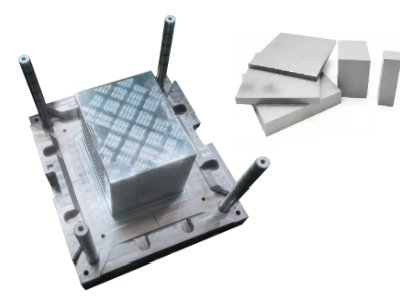
The melted plastic is injecting into the plastic box mould through an injection unit.
The injection unit consists of a screw and an injection cylinder, which rotates while pushing the molten plastic into the mould.
This process requires high pressure, often reaching thousands of atmospheres.
4.Cooling and curing:
The plastic is coolling and curing in the mould.
The cooling process usually involves the use of cooling water to ensure that the plastic box is fully finish and maintains a consistent size and shape.
5.Demoulding and Finished Product Handling:
After the plastic box is moulded, it is removed from the mould by means of an opening mechanism.
The finished product may undergo further steps such as inspection and packaging before being shipping as a final product.
Injection moulding is a highly efficient and widely using process for the production of a wide range of plastic products, with the advantages of short production cycle, high efficiency and high product accuracy.
In addition, injection moulding machines are usually equiping with newset control systems, such as PLC technology, to achieve precise control of temperature, pressure and other parameters.
In practice, the selection and configuration of injection moulding machines will vary according to specific production requirements.
For example, for large-scale production of plastic boxes, a large injection moulding machine with an automated production line to improve production efficiency.
Plastic box injection moulding production machines are the core equipment for manufacturing plastic boxes.
Its working principle involves heating, injecting, cooling and demoulding of plastics, etc. By precisely controlling these processes.
You can produce high quality plastic box products efficiently with injection moulding machines.
Difference between injection moulding machine for thin-walled lunch box and general box
Thin walled lunch boxes and regular boxes require completely different injection settings due to the different wall thickness grades of the product and the different precision.
Therefore, the thin-walled lunch box injection moulding machine has a significant difference compared with the general box injection moulding machine.
There are five major differences from the injection moulding machine design point of view:
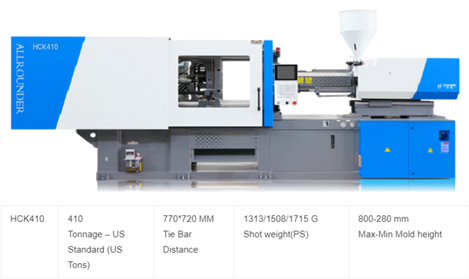
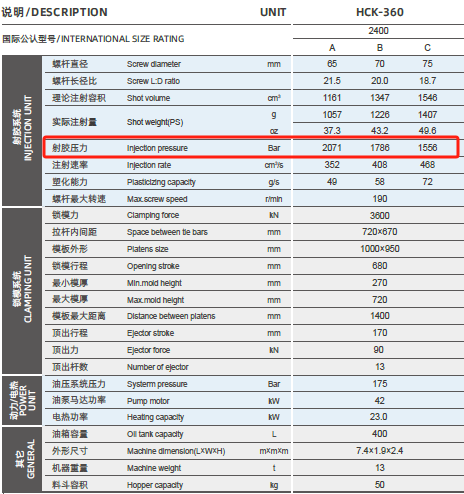
1.Injection speed and pressure:
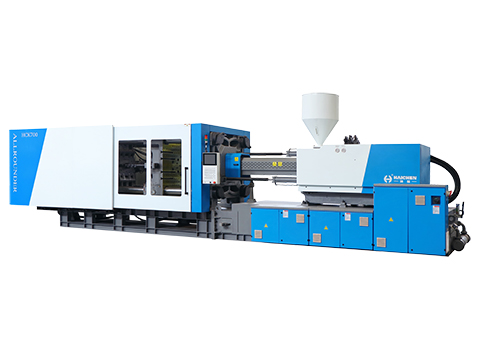
Thin wall lunch box injection moulding machines usually require higher injection speeds and pressures.
Due to the thin wall thickness of thin-walled products, the flow time of the plastic melt in the mould is very short, so it needs to fill the mould quickly and evenly.
For example, some high-speed thin-wall injection moulding machines can achieve injection speeds of more than 500 mm per second and can withstand injection pressures of up to 200 MPa or more.
In contrast, injection moulding machines for normal boxes usually do not require such high injection speeds and pressures because of their thicker wall thicknesses, longer moulding times and relatively low speed and pressure requirements.
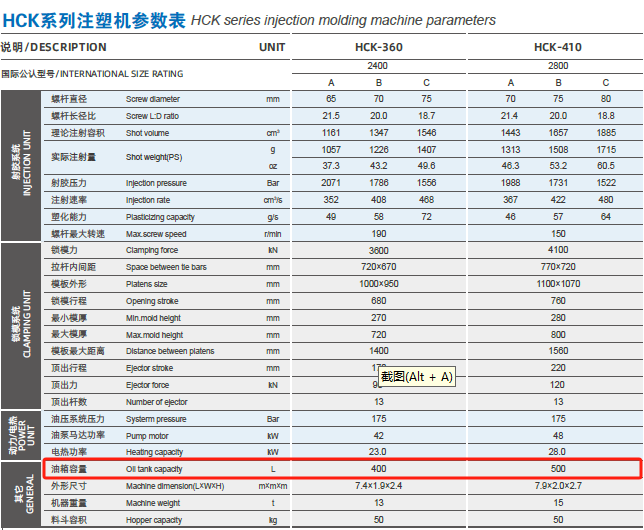
2.Clamping force:
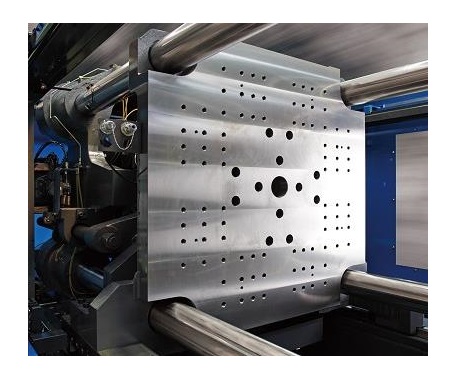
Thin walled lunch box injection moulding machines require greater clamping force to ensure that the mould does not deform under high pressure.
Haichen’s special thin-wall injection moulding machine can provide up to 58 tons clamping force to ensure the stability of the mould and product quality during the moulding process.
Ordinary box injection moulding machines, on the other hand, do not require such high clamping force because their moulding pressure is lower and the risk of mould deformation is lower.
3.Moulding c ycle:
Thin-walled lunch box injection moulding machines have shorter moulding cycles.
As thin-walled products require fast filling and cooling, the moulding cycle is usually will finish within a few seconds.
Haichen-HS high speed thin wall injection moulding machine can finish the moulding of a thin walled lunch box within 5 seconds.
The injection moulding machine for normal boxes has a longer moulding cycle because their wall thickness is larger and requires more time for filling and cooling.
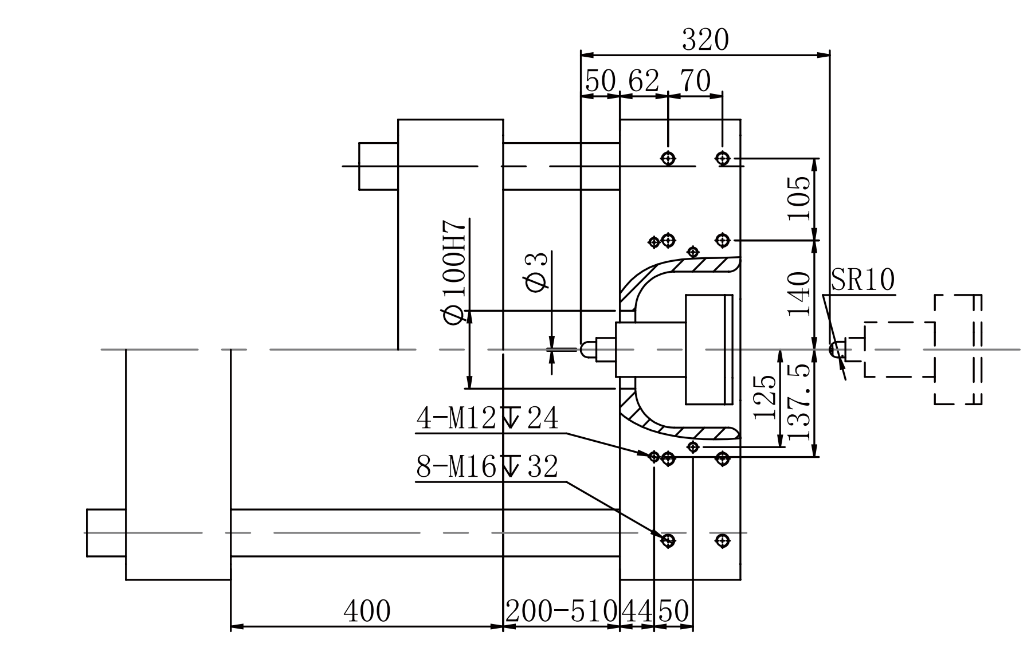
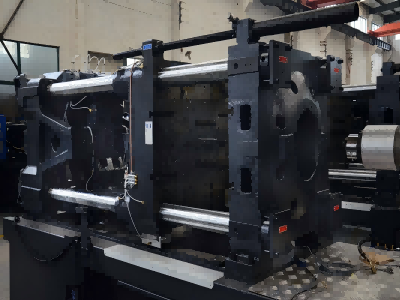
4.Equipment structure and control system:
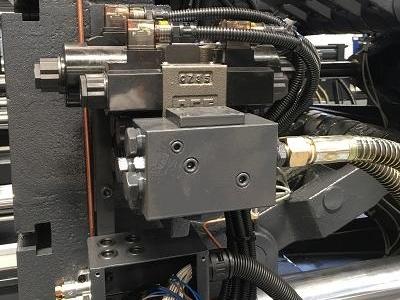
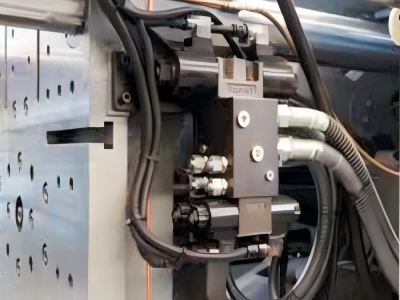
High-speed thin-wall injection moulding machines usually adopt advanced control systems and hydraulic systems to achieve fast, efficient and stable production.
Haichen special high speed thin wall injection moulding machine will use servo control.
Low pressure and high temperature injection system and fast response control system.
Ordinary box injection moulding machines, on the other hand, may have simpler control systems and hydraulics to meet their production needs.
5.Material selection and process requirements:
Thin-wall box injection moulding machines typically use high-flow, high-transparency plastic materials.
Such as polypropylene (PP), and require materials with good flow and moulding properties.
Plain box injection moulding machines, on the other hand, may use a variety of types of plastic materials and have relatively loose material requirements.
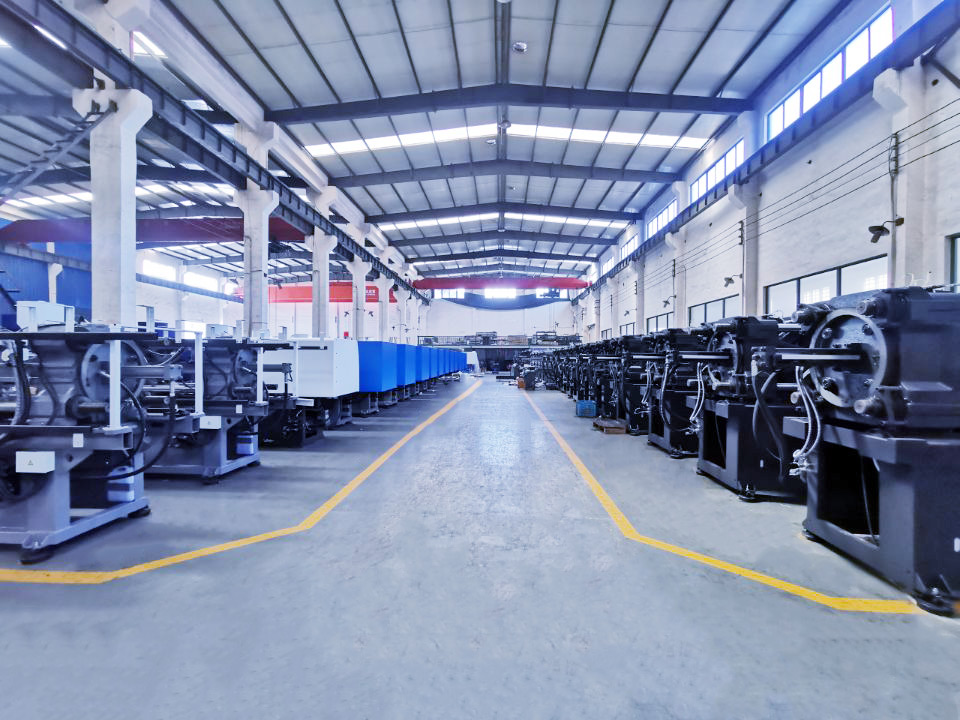
Thin-walled lunch box injection moulding machines are more sophisticated and efficient than ordinary box injection moulding machines in terms of injection speed, pressure, clamping force, moulding cycle time and equipment structure to meet the demand for fast, high-quality production of thin-walled products.
Haichen can offer you two different grades of box production injection moulding machines to meet all your needs for plastic box making.
Please contact us for more information.