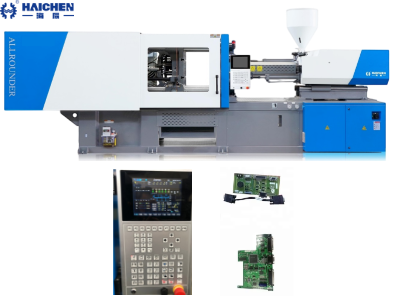
Injection molding is one of the most common methods for mass-producing identical plastic products. However, as with all processes, it is important to understand the specific design constraints that must be followed in order to significantly improve the benefits of cost-effective production and high-quality parts.
It is also the most mature plastic production process currently available. This is extremely advantageous for the need for large-scale uniform products.
Only when manufacturers cooperate with injection molding equipment and mold manufacturers who know how to maximize efficiency, overcome any design/process problems, and have successful experience in various industries can the industrial advantages of plastic injection molding be maximized.
Injection molding has a number of significant advantages and is a production process with a wide range of utility in modern manufacturing.
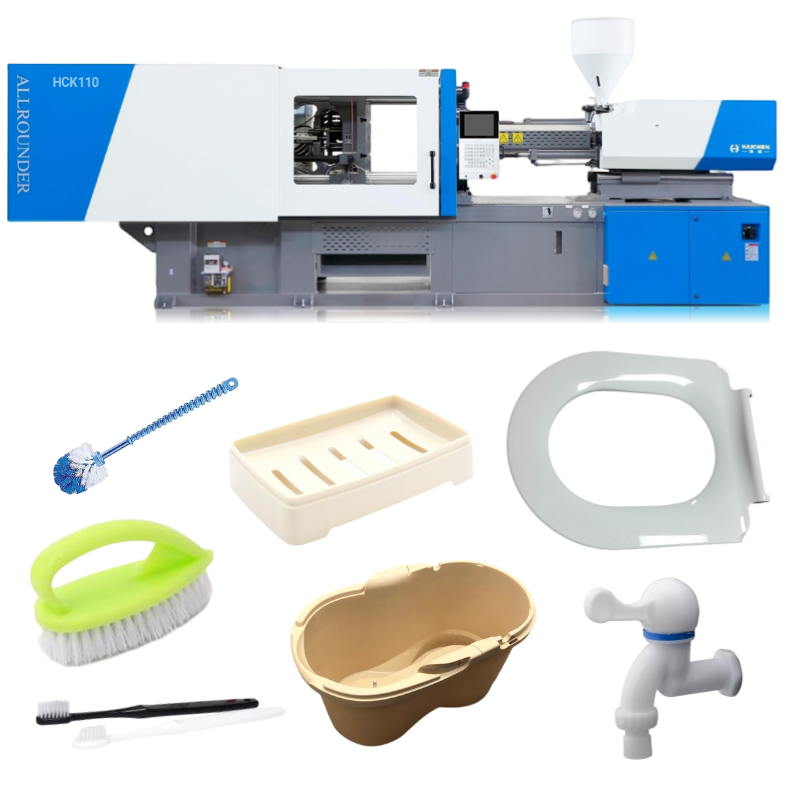
Detailed application of industrial advantages of injection molding process
- High efficiency and production speed
- Cost Effectiveness
- Design Flexibility
- Accuracy and Consistency
- Material Versatility
- Low scrap and reprocessing needs
- Automation and reliability
- Suitable for mass production
High efficiency and production speed
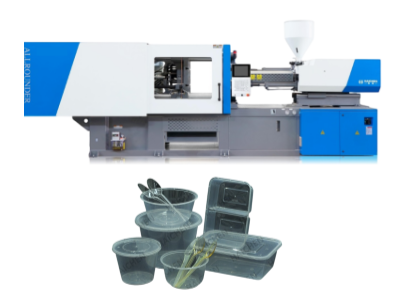
Injection moulding is a highly efficient production method, capable of producing large quantities of parts quickly.
Once the mould is set up, the cycle time for each part is relatively short, usually between 20 and 60 seconds.
This makes it ideal for mass production.
Cost Effectiveness
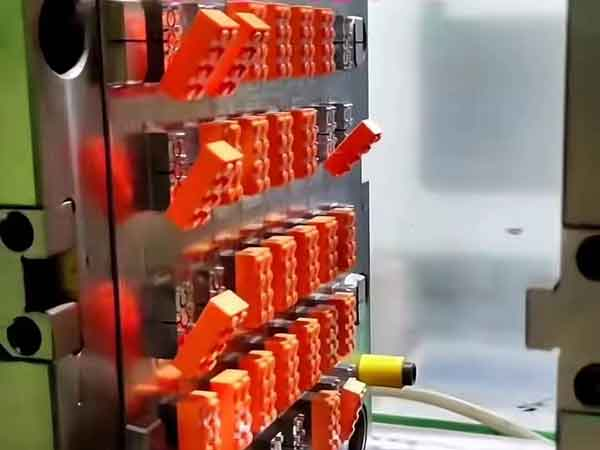
Injection moulding is particularly economical when it comes to mass production.
Once a custom injection mould has been made, it can significantly reduce the cost per part.
This is because injection moulds have an extremely long service life, which reduces the unit cost.
In addition, the high degree of automation reduces labour costs.
Design Flexibility
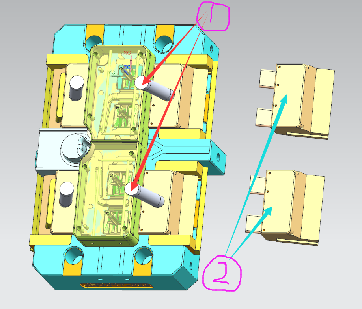
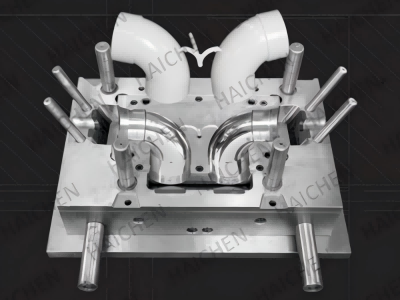
Injection molding has the ability to produce complex geometries, details and embedded features.
It allows multiple features to be integrated into a single part, which simplifies design and reduces assembly requirements.
Accuracy and Consistency
Injection moulding ensures high accuracy and consistency, producing parts with tight tolerances and dimensional accuracy.
This is important for applications that require high precision.
Material Versatility
Injection moulding can use a wide range of materials, including plastics, metals, etc., which provides great flexibility in design.
Low scrap and reprocessing needs
Due to the high material utilisation in the injection molding process, there is less waste.
And there are usually no complex post-processing steps, thus reducing production costs and environmental impact.
Automation and reliability
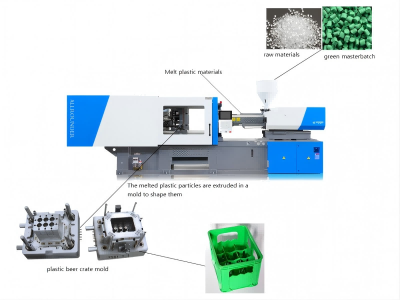
Injection molding is a highly automated process, which reduces human intervention and increases production reliability and stability.
The machine can run unattended for long periods of time, further improving production efficiency.
Suitable for mass production
Injection molding is particularly well suited to high volume production as its production speed and cost effectiveness make it ideal for mass production.
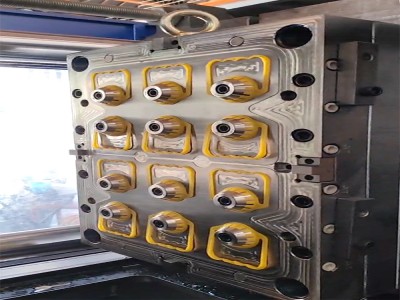
These advantages have made injection molding the manufacturing process of choice in many industries, such as automotive, consumer electronics, medical devices, and more.
Product quality and productivity can be further improved by optimising mould design and process parameters.
The benefits of injection moulding
Injection molding is one of the most widely used manufacturing processes globally, particularly for producing plastic parts. Its popularity stems from a combination of efficiency, precision, and versatility.
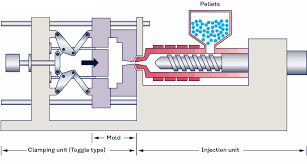
Below are the key benefits of injection molding:
- High Efficiency & Fast Production
- Complex Part Design
- Material Versatility
- Strength & Durability
- Cost-Effectiveness
- Consistency & Repeatability
- Surface Finish & Aesthetics
- Scalability
- Sustainability
- Wide Range of Applications
High Efficiency & Fast Production
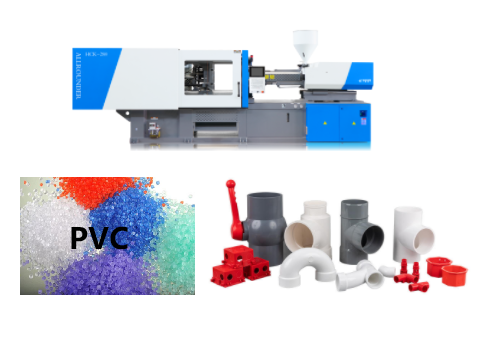
- Mass Production: Once the mold is designed and tested, parts can be produced rapidly (cycle times range from 10 seconds to 2 minutes).
- Automation: Fully automated systems enable 24/7 production with minimal human intervention.
Complex Part Design
- Intricate Geometries: Produces parts with complex shapes, thin walls, undercuts, and fine details (e.g., gears, medical devices, electronics housings).
- Multi-Cavity Molds: Multiple identical parts can be made in a single cycle, boosting output.
Material Versatility
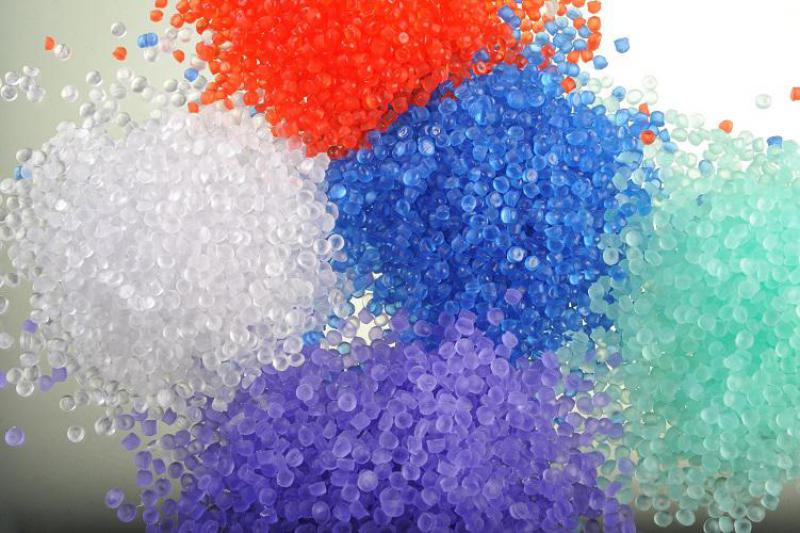
- Wide Range of Plastics: Compatible with thermoplastics (e.g., ABS, PP, PC, nylon), elastomers (TPU), and composites (glass-filled resins).
- Custom Properties: Additives like UV stabilizers, flame retardants, or colorants can be mixed into the material.
Strength & Durability
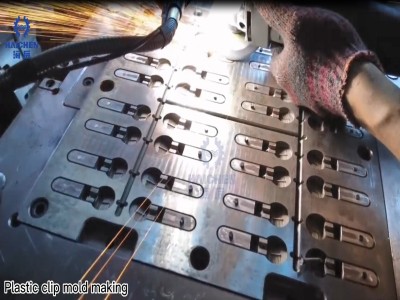
- High-Quality Parts: Uniform material distribution and controlled cooling reduce internal stresses, enhancing structural integrity.
- Reinforced Components: Fiber-filled plastics (e.g., carbon fiber-PA) provide exceptional strength-to-weight ratios.
Cost-Effectiveness
- Low Per-Unit Cost: High-volume production reduces expenses over time, despite upfront mold costs.
- Minimal Waste: Excess material (sprue, runners) can often be recycled and reused.
- Reduced Labor Costs: Automation lowers reliance on manual labor.
Consistency & Repeatability
- Tight Tolerances: Precision molds (±0.005 inches/0.127 mm) ensure identical parts across thousands of cycles.
- Quality Control: Ideal for industries requiring uniformity (e.g., automotive, aerospace, medical).
Surface Finish & Aesthetics
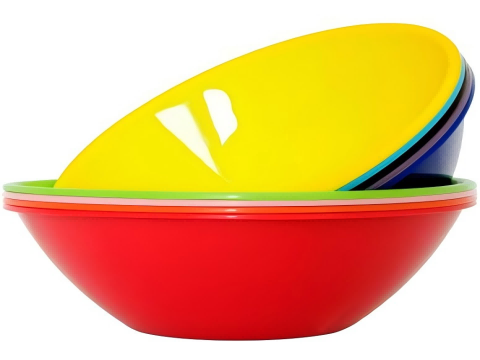
- Smooth Finishes: Parts often require no post-processing (e.g., painting, polishing).
- Custom Textures: Molds can be etched to create wood grain, matte, or glossy surfaces.
Scalability
- Prototyping to Mass Production: Works for low-volume (via aluminum molds) and high-volume (steel molds) manufacturing.
- Quick Mold Changes: Modular systems allow fast transitions between product lines.
Sustainability
- Recycled Materials: Many machines can process post-consumer or post-industrial recycled plastics.
- Energy Efficiency: Electric and hybrid machines consume 30–60% less energy than hydraulic models.
Wide Range of Applications
- Automotive: Dashboards, bumpers, connectors.
- Medical: Syringes, IV components, surgical tools.
- Consumer Goods: Toys, containers, household appliances.
- Electronics: Phone cases, connectors, housings.
Comparison to Other Processes
| Process | Best For | Limitations |
|---|---|---|
| Injection Molding | High-volume, complex parts | High initial mold cost |
| 3D Printing | Prototypes, customization | Slow, limited material strength |
| Blow Molding | Hollow parts (bottles) | Simple shapes only |
Key Considerations
- Mold Cost: Steel molds are expensive (10,000–100,000+) but durable for long runs.
- Design for Manufacturability (DFM): Optimize part geometry to avoid defects like sink marks or warping.
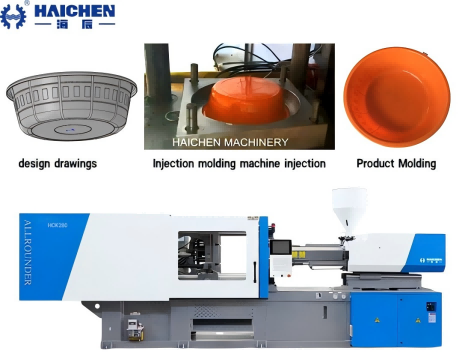
Injection molding excels in speed, precision, and scalability, making it ideal for industries requiring high-quality, repeatable parts at competitive costs. While the initial investment in molds and machinery is significant, the long-term benefits of efficiency, material flexibility, and low waste make it a cornerstone of modern manufacturing. For startups, partnering with a contract manufacturer can mitigate upfront costs while leveraging the process’s advantages.
Why is injection molding preferred over other processes?
The injection molding process itself is extremely fast and productive, making it more efficient and economical compared to other methods.
There are several good reasons why injection molding is the most common and efficient method of molding:.
- Cost effectiveness
- Efficient and rapid production
- Quality consistency and reliability
- Ability to manufacture complex geometries
- Low scrap rates and high material utilisation
- Lower environmental impact
- Adaptability
- Reduced need for subsequent processing
Cost effectiveness
Injection molding is particularly well suited to mass production as it is able to produce large quantities of high quality products at low cost.
Due to its high degree of automation, fewer operators are required, which reduces labour costs and production costs.
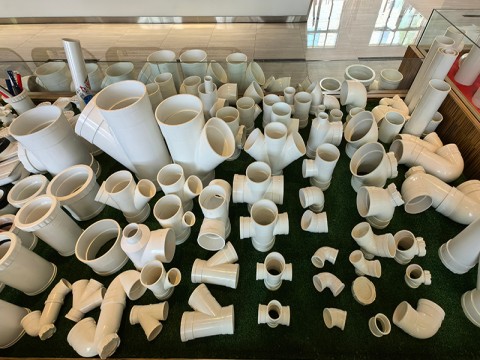
Efficient and rapid production
Injection molding is a highly automated process where most of the operations are done by machines and robots and can be managed by only one operator.
This automation not only reduces labour costs, but also significantly increases production efficiency.
This has resulted in a significant reduction in cycle time, and a product can usually be produced in a matter of minutes.
Quality consistency and reliability
The ability of injection moulding to produce products of consistent size and shape makes it ideally suited to applications that require a high degree of consistency.
In addition, consistent product quality can be ensured through precise control of mould and forming parameters.
Ability to manufacture complex geometries
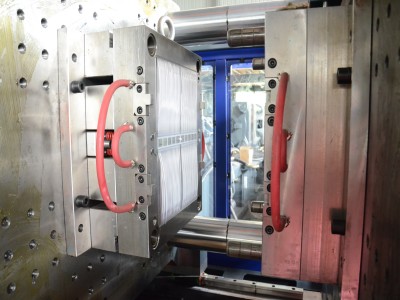
The ability of injection molding to produce complex geometries makes it very useful in applications that require complex designs.
The design of the mould allows for the manufacture of fine details and complex structures without the need for additional machining steps.
Low scrap rates and high material utilisation
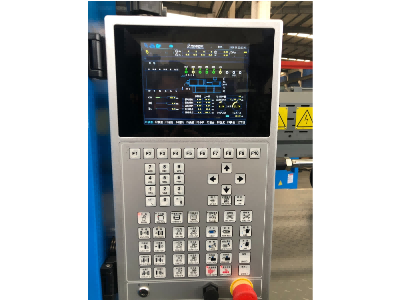
Compared to subtractive manufacturing (e.g. CNC machining), injection moulding has a higher material utilisation rate .
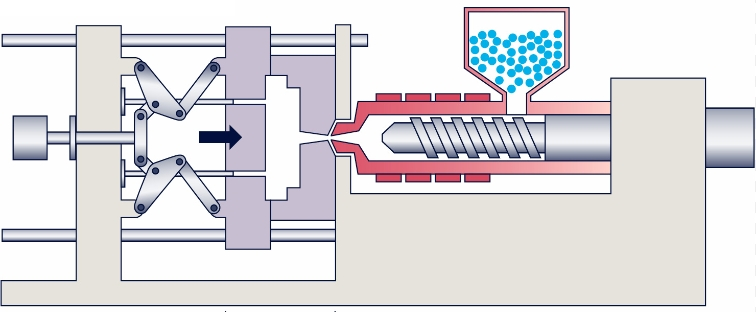
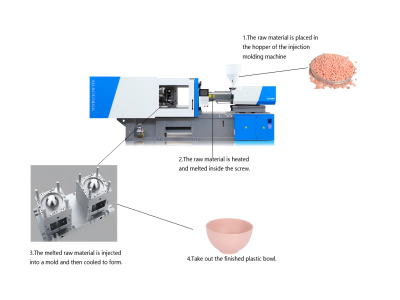
This is because the process involves heating and injecting plastic pellets into a mould, rather than cutting away unwanted parts from a large block of material.
As a result, scrap rates are lower.
Lower environmental impact
The plastic materials used in the injection moulding process are usually recyclable, which reduces the environmental impact.
In addition, due to its high efficiency and low scrap rate, the process has a relatively low energy requirement.
Adaptability
Injection molding is suitable for a wide range of materials, including thermoplastics and thermosets.
In addition, it is possible to adapt product properties to meet the needs of specific applications by using different moulds and process parameters.
Reduced need for subsequent processing
Injection molding reduces the need for subsequent processing because it produces a product close to its final shape.
For example, many products are ready to be used as soon as they are removed from the mould without further machining or assembly.
Injection molding is efficient, cost-effective, consistent in quality, suitable for complex shapes and environmentally friendly.
It is therefore widely used in modern manufacturing and has significant advantages over other manufacturing processes.
Why is injection molding so popular?
The reason why injection molding is so popular is that injection molding technology is versatile, efficient and offers many advantages in the production of consumer goods.
These include:Cost-effective – Many plastic resins are inexpensive, and excluding the cost of moulds, the cost of injection molding is lower than many other manufacturing processes.
Automated production also means lower labour costs.
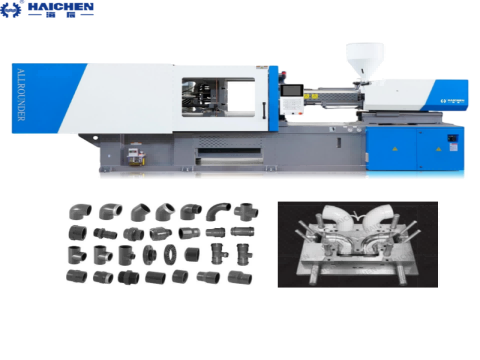
Haichen lists a few for you:
- High productivity and low cost
- Wide material applicability
- High precision
- Flexibility and design freedom
- Automation and intelligence
- Environmentally friendly and sustainable
- Wide range of applications
High productivity and low cost
Injection moulding is a highly automated technology capable of producing large quantities of identical parts at very low cost.
This technology is particularly suited to mass production as it can produce millions of parts in a short period of time, thus reducing the cost per part.
Wide material applicability
Injection molding can work with many types of plastic materials, including thermoplastics and thermosets.
This makes it possible to produce products of all shapes and sizes, from simple everyday items to complex industrial components.
High precision
Injection molding is capable of producing products with high dimensional accuracy and good surface quality.
This is because the process can be reproduced with high precision by precisely controlling mould temperature, injection pressure and cooling time.
Flexibility and design freedom
Injection moulding allows designers to innovate extensively at the design stage as it can produce complex geometries and details.
In addition, diverse production requirements can be achieved by using different moulds and injection conditions.
Automation and intelligence
With Industry 4.0, the injection molding industry is transforming into smart manufacturing.
By introducing machine learning technology and big data analytics, companies are able to optimise production processes and improve product quality and efficiency.
Environmentally friendly and sustainable
Although injection molding has traditionally produced large amounts of plastic waste, in recent years there has been a growing focus on its sustainability.
For example, the environmental impact can be reduced through improved cooling systems and the use of recyclable materials.
Wide range of applications
Injection molding is used in a wide range of industries, including automotive, medical, electronics and aerospace.
The high demand from these industries drives the continuous development and improvement of injection moulding technology.
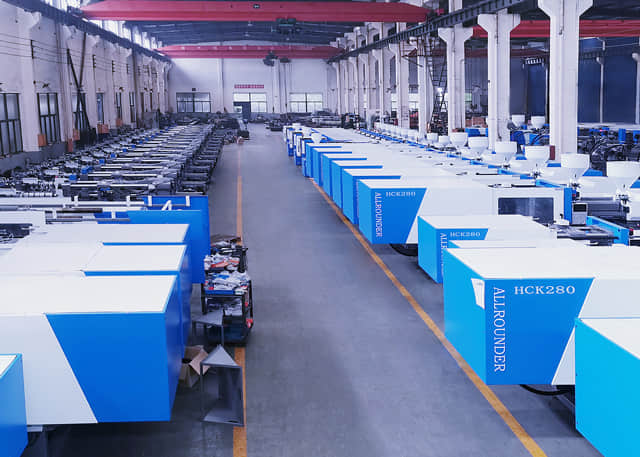
The advantages of injection moulding
The advantages of injection molding make it a cornerstone of modern manufacturing, particularly for high-volume production of plastic parts. Here’s a concise breakdown of its key strengths:
- High Production Speed & Efficiency
- Design Flexibility
- Material Versatility
- Cost-Effectiveness at Scale
- Precision & Consistency
- Superior Surface Finish
- Scalability
- Sustainability
- Strength & Durability
- Wide Industry Applications
High Production Speed & Efficiency
- Fast Cycle Times: Parts can be produced in seconds to minutes, enabling mass production.
- Automation: Machines run 24/7 with minimal supervision, reducing labor costs and human error.
Design Flexibility
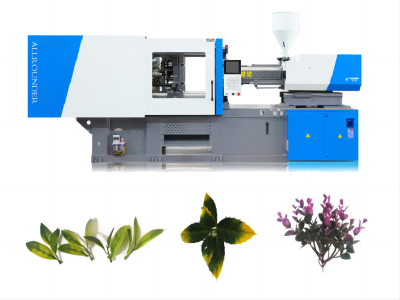
- Complex Geometries: Produces intricate shapes, thin walls, undercuts, and fine details (e.g., gears, medical devices).
- Multi-Material & Overmolding: Combines materials (e.g., rubber grips on hard plastic) in a single cycle.
Material Versatility
- Broad Material Range: Works with thermoplastics (ABS, PP, PC), elastomers (TPU), and composites (glass/carbon-filled resins).
- Customization: Additives like UV stabilizers, flame retardants, or colors can be integrated.
Cost-Effectiveness at Scale
- Low Per-Unit Cost: High volumes offset upfront mold costs (ideal for runs of 1,000+ parts).
- Minimal Waste: Excess material (sprue, runners) is recyclable.
Precision & Consistency
- Tight Tolerances: Achieves ±0.005 inches (0.127 mm) for high-precision parts.
- Repeatability: Identical parts across millions of cycles, critical for industries like automotive and aerospace.
Superior Surface Finish
- Smooth Aesthetics: Parts often require no post-processing (e.g., polishing).
- Custom Textures: Molds can be etched to create matte, glossy, or patterned surfaces.
Scalability
- Prototyping to Mass Production: Aluminum molds for low-volume runs; steel molds for high-volume.
- Quick Changeovers: Modular systems allow rapid mold swaps for diverse product lines.
Sustainability
- Recycled Materials: Compatible with post-consumer plastics (e.g., rPET, rHDPE).
- Energy Efficiency: Electric machines use 30–60% less energy than hydraulic models.
Strength & Durability
- Reinforced Parts: Fiber-filled materials (e.g., glass-reinforced nylon) enhance strength-to-weight ratios.
- Uniform Cooling: Reduces internal stresses, improving part longevity.
Wide Industry Applications
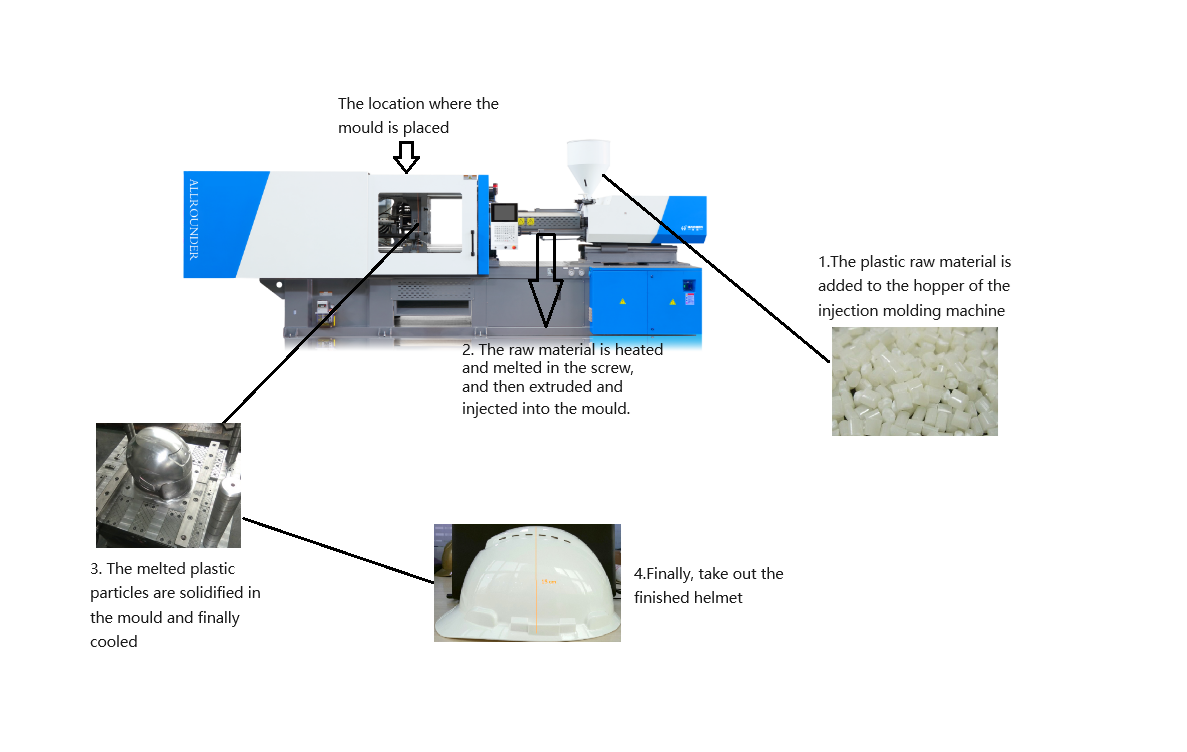
- Automotive: Durable components like dashboards, bumpers.
- Medical: Sterile, high-precision devices (syringes, surgical tools).
- Consumer Goods: Toys, containers, electronics housings.
Comparison to Alternatives
| Process | Advantages Over Alternatives |
|---|---|
| 3D Printing | Faster, stronger, and more cost-effective for mass production. |
| Blow Molding | Better for solid/complex parts (vs. hollow shapes only). |
| CNC Machining | Lower per-unit cost for high volumes. |
Key Considerations
- Upfront Costs: Steel molds are expensive but cost-effective over long runs.
- Design Optimization: Avoid sharp corners or uneven wall thickness to prevent defects.
Injection molding’s blend of speed, precision, and scalability makes it indispensable for industries requiring reliable, high-quality parts at competitive costs. While initial investments are significant, long-term efficiency and versatility justify its dominance in manufacturing.
Injection molding is one of the most popular technologies in plastics processing due to its efficiency, economy, flexibility and wide range of applications.