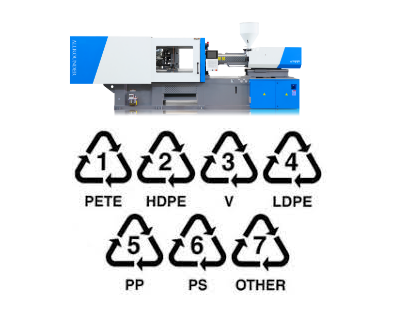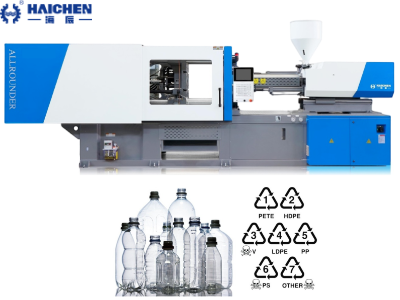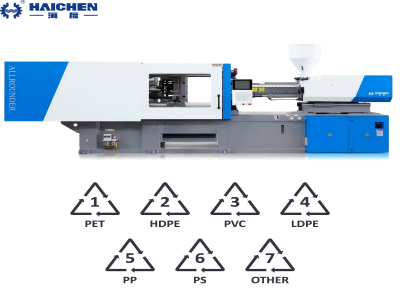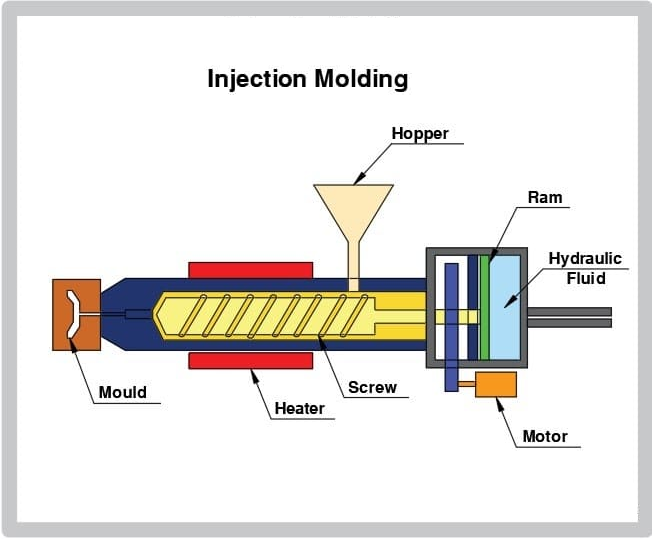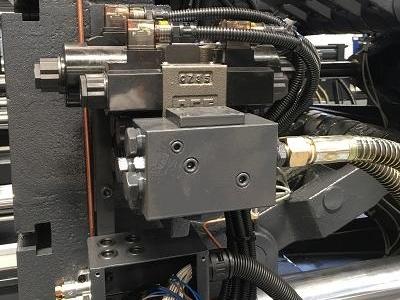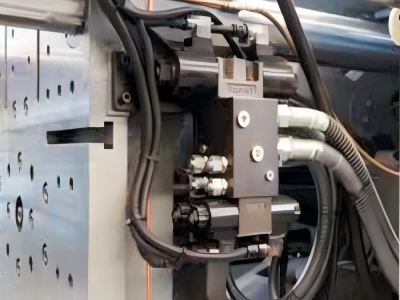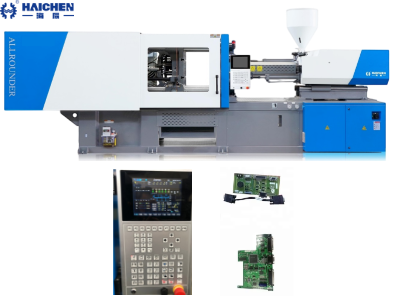
When selecting garbage bins making machine, factors such as box size, material type, mold design, injection speed should be considered.
Plastic trash cans need to be strong enough, have precise structural design, and be able to be efficiently mass-produced.
If the wrong injection molding machine is selected, the trash can may be deformed, the wall is too thin, or the output is too low.
According to industry experience, we have to focus on several key factors when selecting an injection molding machine.
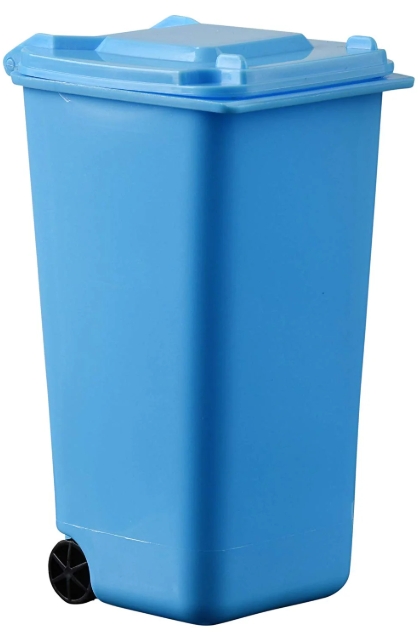
Selecting plastic garbage bins making machine
Selecting the right injection molding machine for producing plastic garbage bins involves considering several key factors. Here’s a guide to help you make an informed decision.
- Determine the Size and Capacity
- Consider the Material
- Evaluate the Mold Design
- Injection Speed and Pressure
- Cooling System
- Automation and Controls
- Energy Efficiency
Determine the Size and Capacity
The first step is to figure out what size of trash can you want to make – after all. From a small table bucket to a large bucket used in a factory, the machines required are completely different. For example, a common 240-liter trash can (the size is approximately 710×570×1070 mm, with a 5 mm error allowed). This kind of large bucket requires the injection molding machine to have a large enough mold space and strong enough clamping force.
When choosing a machine, you should pay special attention to two points: one is to see if the machine can accommodate the size of the trash can you designed. And the other is to check whether its clamping force meets the standard. The larger and heavier the bucket, the greater the clamping force and mold space required.
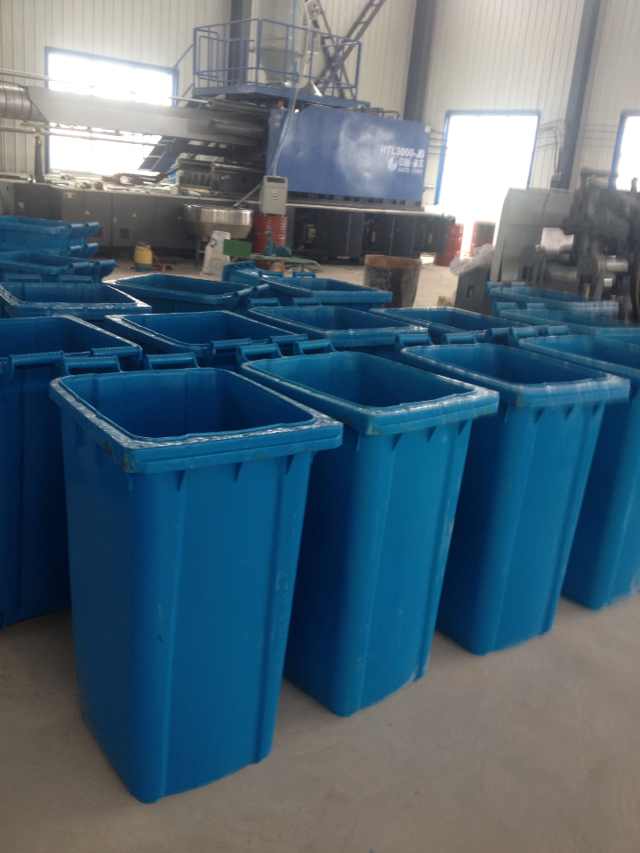
Consider the Material
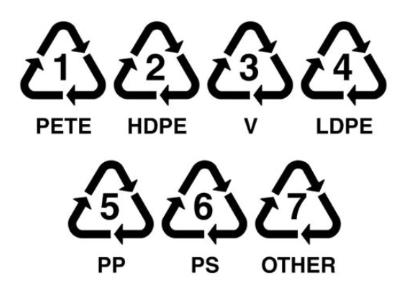
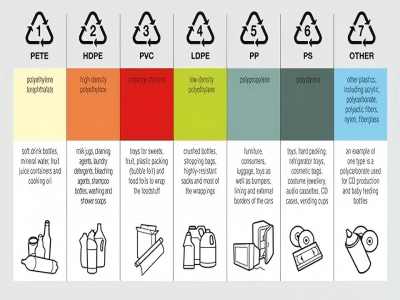
Plastic waste bins are commonly made of two materials: HDPE (high-density polyethylene) and PP (polypropylene). They have excellent durability and wind and rain resistance, and can adapt to outdoor environments for a long time.
When choosing production equipment, you need to ensure that the machine can handle these plastics efficiently. Focus on whether the hopper capacity can meet the needs of continuous production, and whether the feeding system can stably transport raw materials to avoid downtime due to poor feeding.
Evaluate the Mold Design
Trash bins often have complex structures such as handles, wheels and lids. The mold design needs to take into account these details:
Structural integrity: The mold must accurately replicate all functional parts of the box, while ensuring that the thickness of the load-bearing parts of the box is uniform to avoid cracks due to structural defects.
>Mold quality requirements: Select alloy steel molds that have been quenched to ensure that they can withstand more than 100,000 injection molding cycles. And the dimensional error of each molding is controlled within ±0.05mm.
Injection Speed and Pressure
Injection speed: Increasing the speed can shorten the production time of a single piece (for example, from 60 seconds/piece to 45 seconds/piece), but it is necessary to simultaneously monitor whether the filling is uniform to prevent bubbles from high-speed injection.
Pressure control: Box products need to maintain an injection pressure of 80-100MPa to ensure that the plastic completely fills the mold corners. The equipment should be equipped with a real-time pressure sensor, and the fluctuation range should be less than ±5%.
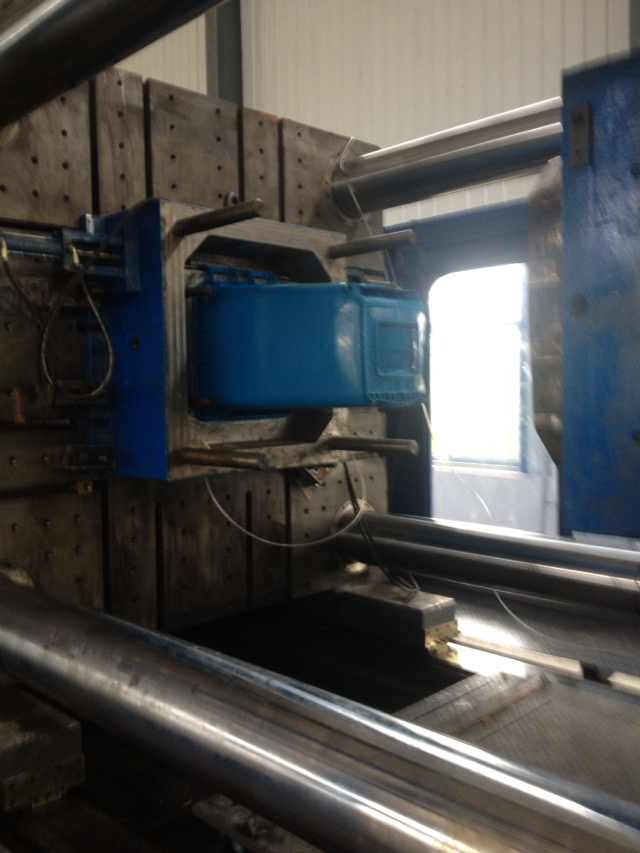
Cooling System
A well-designed and efficient cooling system can significantly reduce the time it takes for the plastic to solidify in the mold. This means you can produce more bins in the same amount of time.
At the same time, uniform cooling is essential to ensure product quality. The water path design inside the mold should be reasonable to ensure that all parts of the bin cool at the same speed. This can effectively prevent the bin from deforming (such as bending or warping) and ensure that the thickness of the bin wall is uniform and meets the requirements.
Automation and Controls
It is very practical to consider equipping it with some automation functions. For example, using a robot to automatically remove the molded bin and then transport it away on a conveyor belt can greatly reduce manual operations, speed up production, and also reduce labor costs.
It is also important that the machine’s control system is easy to use. An intuitive and fully functional control panel, especially those that can display production status (such as temperature and pressure) in real time and automatically diagnose common faults, can make operators more worry-free and the machine operation more stable and reliable.
Energy Efficiency
Injection molding machines consume a lot of electricity when they are running, so it is wise to choose energy-saving equipment. Modern technologies (such as efficient servo drive systems) can significantly reduce power consumption, which directly saves you money on electricity bills.
Choosing energy-saving equipment not only saves costs, but also contributes to environmental protection. Energy consumption is reduced, and corresponding carbon emissions will also be reduced, which is beneficial for enterprises to fulfill their social responsibilities.
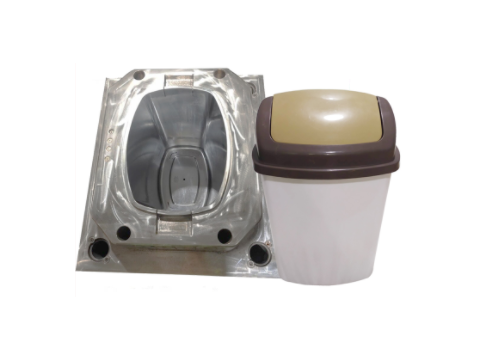
Haichen trash can production case verification
Case 1: HCK2500-ton injection molding machine cluster production plan
- Application scenario: Driven by the garbage classification policy, a Thai environmental protection company needs to produce 800+ 240L trash cans per month.
- Equipment configuration:
- Adopt HCK2500-ton servo injection molding machine (optimized for deep-cavity products);
- The mold opening stroke is expanded to 1.8 meters, compatible with the height of the trash can (>1.07 meters).
Case 2: Haichen machine 2800-ton machine mass production of municipal trash cans
- Technical parameters:
- Clamping force 2800 tons, injection volume ≥12kg, to meet the one-time molding of 17kg barrel body;
- Configure PID temperature control system to solve the problem of HDPE cooling shrinkage in thick wall section.
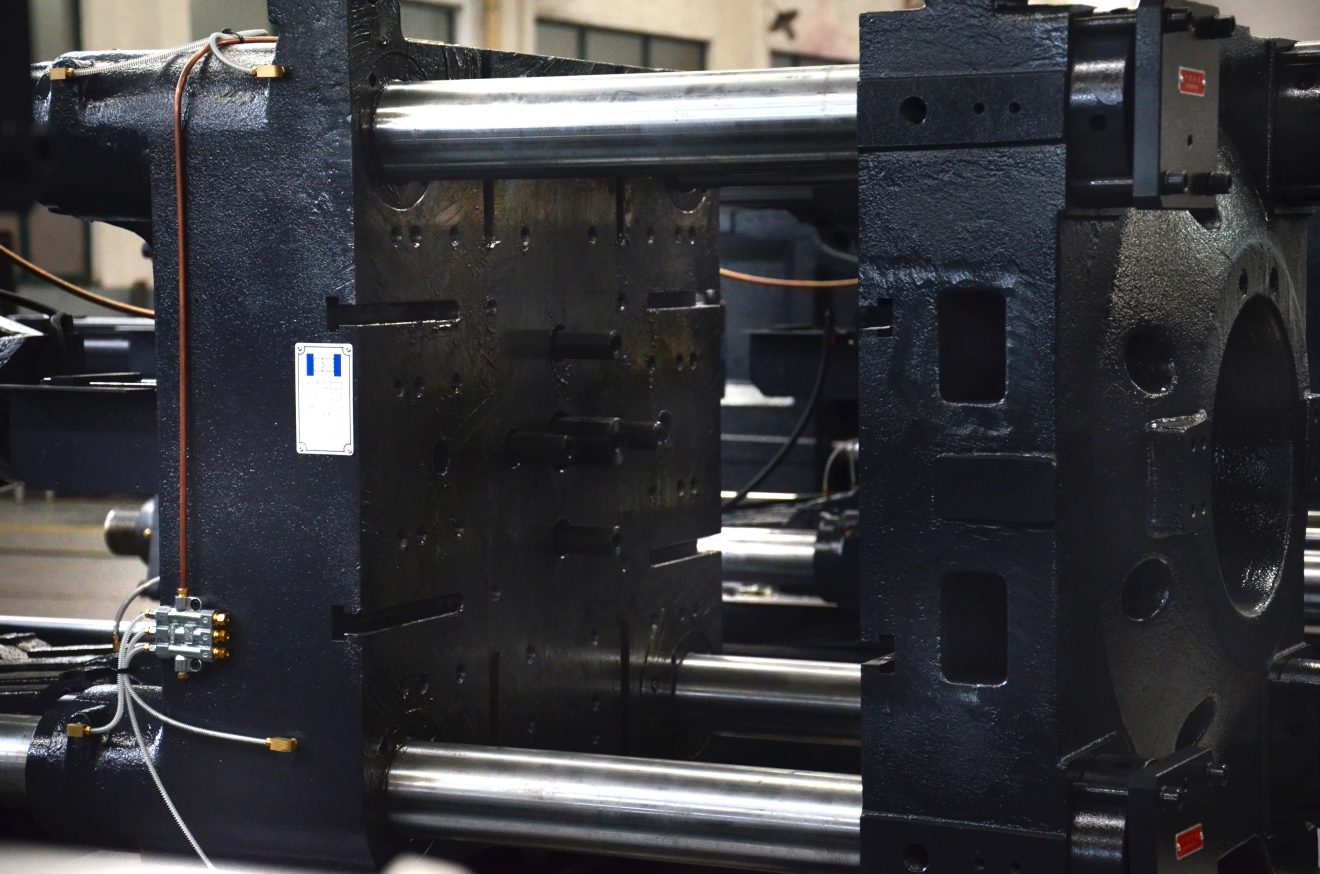
HAICHEN plastic trash can injection molding machine manufacturer
HAICHEN is a company that focuses on the research and development and manufacturing of plastic trash can injection molding machines. Over the years, we have accumulated rich production experience through continuous technology iteration and customer feedback. The current injection molding machine series has shown stable molding accuracy and low failure rate in actual applications in the Thai market. Helping local customers to efficiently produce high-density polyethylene (HDPE) trash cans that meet the CJ/T 280-2008 standard.
The demand for durable plastic containers in the Thai market has increased significantly in recent years. Especially for scenes such as garbage disposal and agricultural packaging. In this regard, HAICHEN is negotiating with manufacturers in Bangkok, Chiang Mai and other places to increase their production capacity through equipment customization solutions. For example, in response to the energy-saving needs of Thai customers. Our servo HCK series injection molding machines have 30% lower energy consumption than traditional models. At the same time, we provide mold adaptation services to support the development of new products such as contactless trash cans.
We look forward to helping Thai partners cope with the upgrading of environmental protection policies. And jointly promote the sustainable production of plastic products through localized technical support and equipment maintenance.
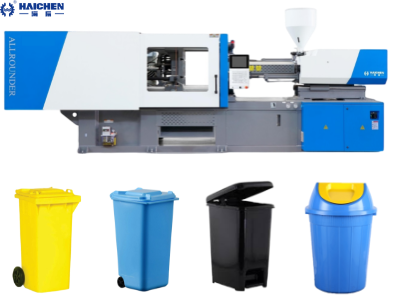
The selection of a garbage bins making machine is a critical decision that impacts production efficiency, product quality, and overall business success. By considering factors such as bin size, material type, mold design, injection speed, cooling efficiency, automation, and energy efficiency, manufacturers can ensure they choose the right machine for their needs.