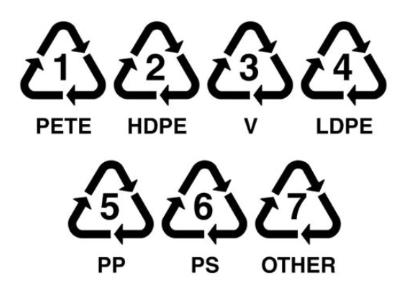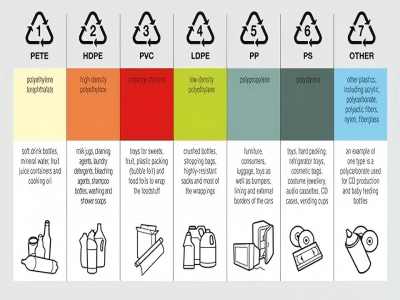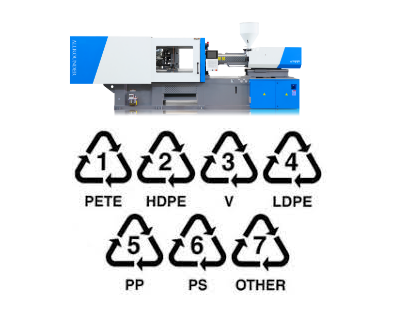
Choosing plastic raw materials involves considering factors such as the mechanical properties, thermal stability, chemical resistance, cost, and environmental impact of the material, as well as its compatibility with the intended application and manufacturing process.
Choosing the correct plastic raw materials is vital to the injection molding procedure.
Materials in injection molding affect the process in many ways such as its effectiveness, lifespan, and pricing. Having knowledge of the requirements of the process, the materials and the method of the product’s manufacture is critical in arriving at decisions that will produce quality products without compromising plastic raw materials at a consistent level.
This text will highlight the considerations to take into account when plastic raw materials and injection molding are combined.
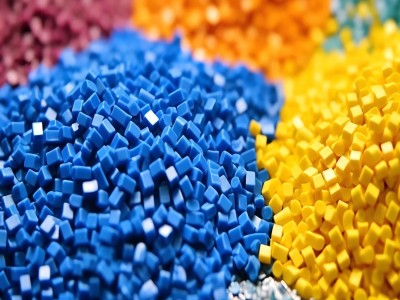
Identify Your Application Specifications
The first step in choosing plastic raw materials is to specify the plastic raw materials applications. Note the following considerations:
- Mechanical Characteristics: Strength, elongation, and impact toughness.
- Thermal Characteristics: Heat deflection and thermal insulative capacity.
- Resistance to Chemicals: contact with chemicals and caustic environments.
- Visual Characteristics: aesthetics such as hue, opacity, and roughness.
- Conformity: Compliance with the defined limitations.
As an illustration, manufacturing automotive components may require materials with superior strength and heat resistance. For consumer electronics, you may prioritize materials with good electrical insulation and aesthetic properties.
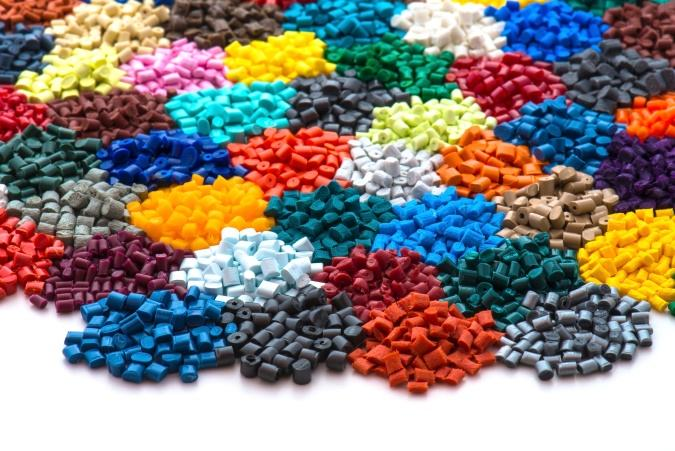
Common injection molding raw material characteristics and selection guide
There are a good number of materials classified as plastics and applicable in injection molding. They include the following:
| Material | Flowability | Shrinkage (%) | Heat deformation temperature (℃) | Typical application | Injection molding points | Picture |
| PP | Excellent | 1.0-2.5 | 100-110 | Packaging boxes, automotive interiors | High pressure and high speed injection, mold temperature 40-80℃ | 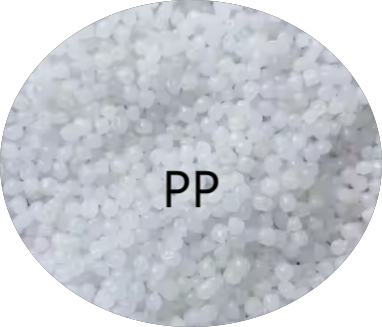 |
| ABS | Medium | 0.4-0.7 | 95-105 | Electronic housing, toys | Need to be dried to avoid melt fracture | 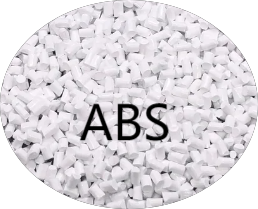 |
| PC | Poor | 0.6-0.8 | 130-140 | Helmets, optical lenses | High temperature (300℃), slow filling | 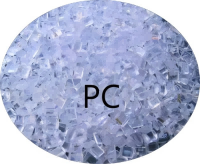 |
| PA 66 | Medium | 0.8-1.5 | 80-90 | Gears, bearings | Strict drying, pressure maintenance to compensate for shrinkage | 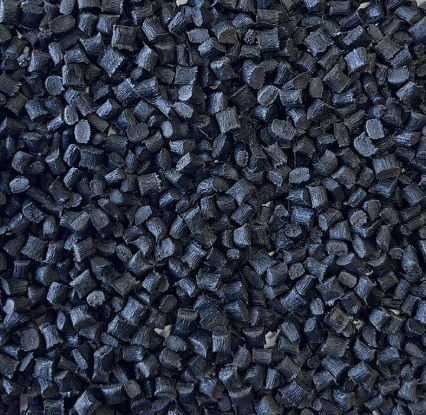 |
| PMMA | Medium | 0.3-0.6 | 90-100 | Light guide plates, signs | Low speed to prevent bubbles, mold temperature 60-80℃ | 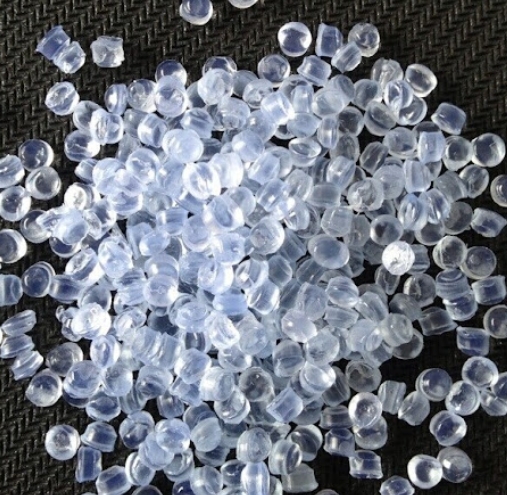 |
Other raw materials:
- Polyethylene (PE): It is highly flexible, resistant to chemicals, and relatively cheap. used in packaging and consumer goods.
- Polystyrene (PS): Excellent clarity and rigidity is offered by polystyrene which makes it popular in use as disposable cutlery and other packaging materials.
- Polyvinyl Chloride (PVC): It is a non-metallic material which is relatively cheap, durable, flexible, and resistant to some chemicals. used in making pipes, some medical instruments, and construction materials.
- Polyethylene Terephthalate (PET): Considered the most used plastic because it possesses high strength, clarity, and is easily recyclable. Used to make bottles and other food packaging materials.
Consider the Injection Molding Process
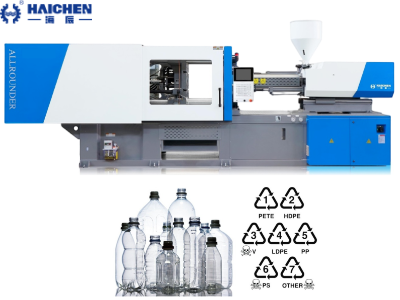
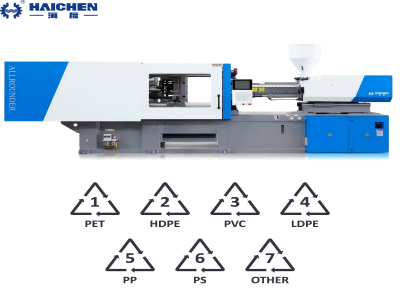
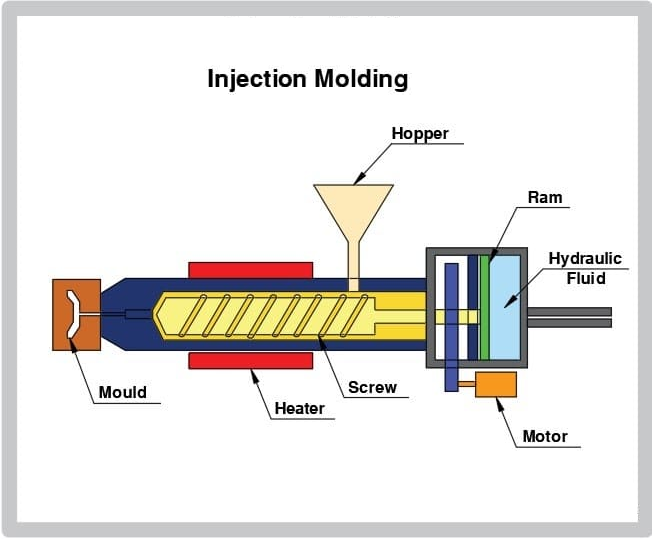
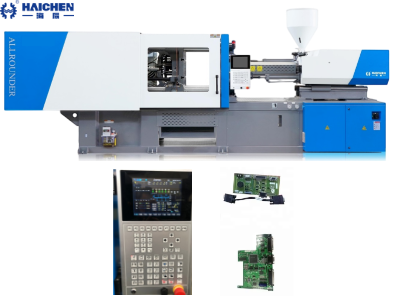
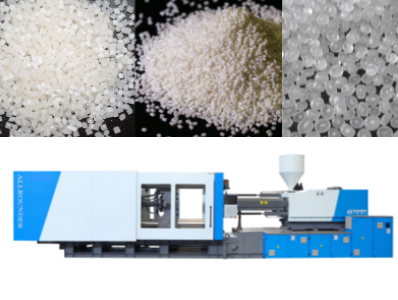
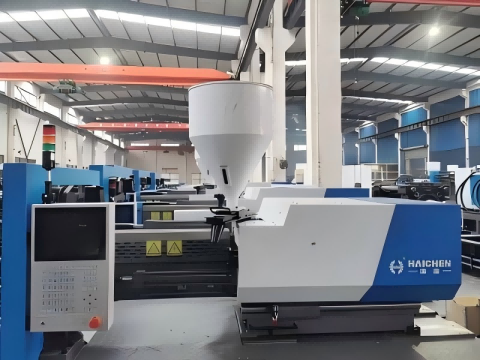
The capabilities of your injection molding machine can also influence your material selection. For example, some machines may have temperature or pressure limitations that are more appropriate for particular plastics. As an example, HAICHEN, a molding machine manufacturer, specializes in precision and versatility. Their advanced machines provide high efficiency and are able to properly process a broad range of materials. Our machines are capable of providing consistent quality and performance, making them suitable for a multitude of applications.

Evaluate Cost and Availability
Cost is another important factor in material selection. For instance, high-performance plastics are some of the more expensive materials, but in the long run, they may provide better value through enhanced strength and lower maintenance costs. Availability of the material also needs to be considered. Some plastics may be more readily available in certain regions which would affect lead times and costs.
Environmental Considerations
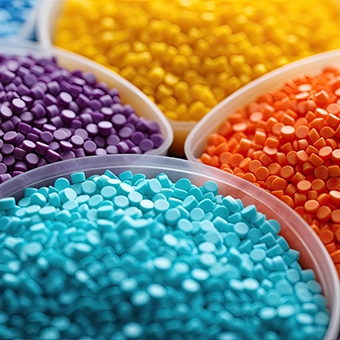
Sustainability of materials has become critical with the rise of the environmentally conscientious market. Look for plastics that are recyclable or designed from renewable resources. Manufacturers, including HAICHEN, have adopted eco-friendly materials and strive to lower the environmental impact of their processes.
Testing and Validation
Mechanical testing, thermal analysis, and chemical resistance tests are all examples of validation that can be conducted. Ensure all regulatory standards, requirements, and specifications are met.

Plastic raw materials selection involves a mixture of the process and its goal, the properties of the materials, their cost, and how they align with sustainable practices. Understanding the key factors that drive the selection maintains the balance of economic efficiency and product durability.