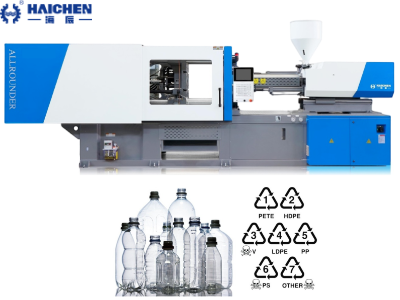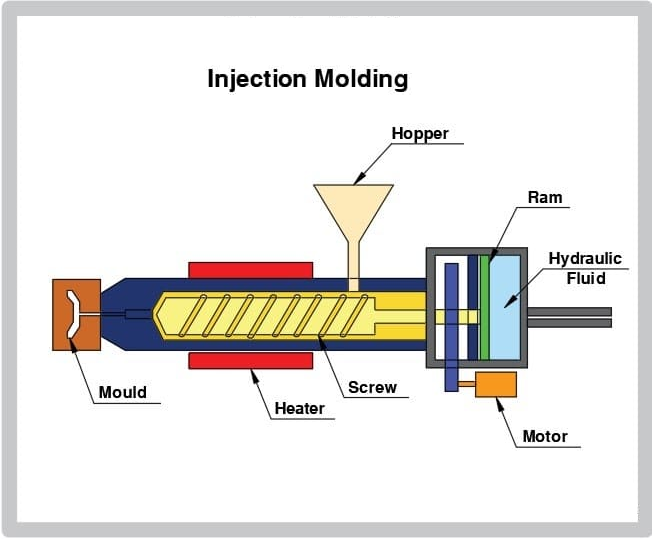
The recycling symbol with three arrows (♻️), known as the Universal Recycling Symbol, represents the “reduce, reuse, recycle” principle (also called the 3R principle).
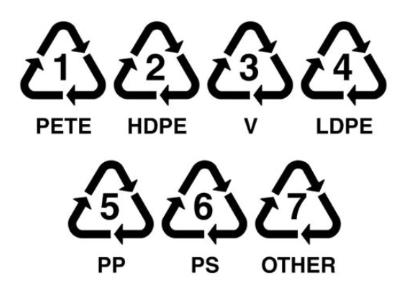
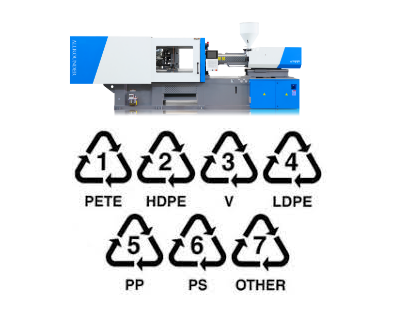
Recycling symbol with three arrows (i.e., “♻️”) is commonly used in injection molded products.
Which is an internationally accepted recycling label.
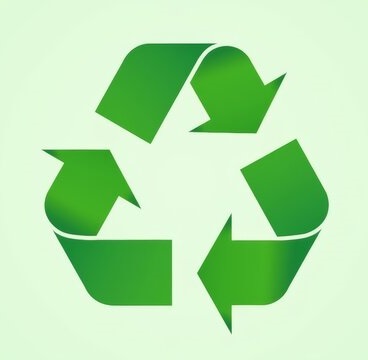
The origin and basic meaning of recycling symbol with three arrows
American college student Gary Anderson designed the symbol in 1970 to celebrate the inaugural Earth Day, drawing inspiration from the circular concept of the Möbius Strip.
Three clockwise rotating arrows form a triangular closed loop, symbolizing the core concept of “resource recycling”.
The three arrows represent three stages:
(1) Collection and sorting (the starting point of material recycling).
(2) Processing and recycling (converting waste into new raw materials).
(3) Purchasing and reusing (consumers complete the cycle by purchasing recycled products).
Extended environmental philosophy: Some materials highlight its relevance to the “3R principle” (Reduce, Reuse, Recycle).
Core Meaning
Emphasizing individual responsibility and requiring the public to properly sort recyclables (e.g. aluminum cans, plastic bottles, paper).
Embody industrial transformation, such as the conversion of waste plastic into fibers or recycled resins.
Closing the loop through the market, such as buying recycled paper products, reduces the demand for virgin wood.
Extended as a symbol of environmental protection principles
With the improvement of environmental awareness, people gradually give the three arrows a more abstract meaning, namely the “3R principle.”
Reduce: reduce resource consumption.
Reuse: Extend the life cycle of an item.
Recycle: The recycling of materials.
This expansion elevates the symbol from a technical process to a code of conduct that encourages sustainable practices across society.

Considerations in practice
Regional differences in recycling capacity
Even if the recycling symbol is marked, the actual recycling depends on the local facility.
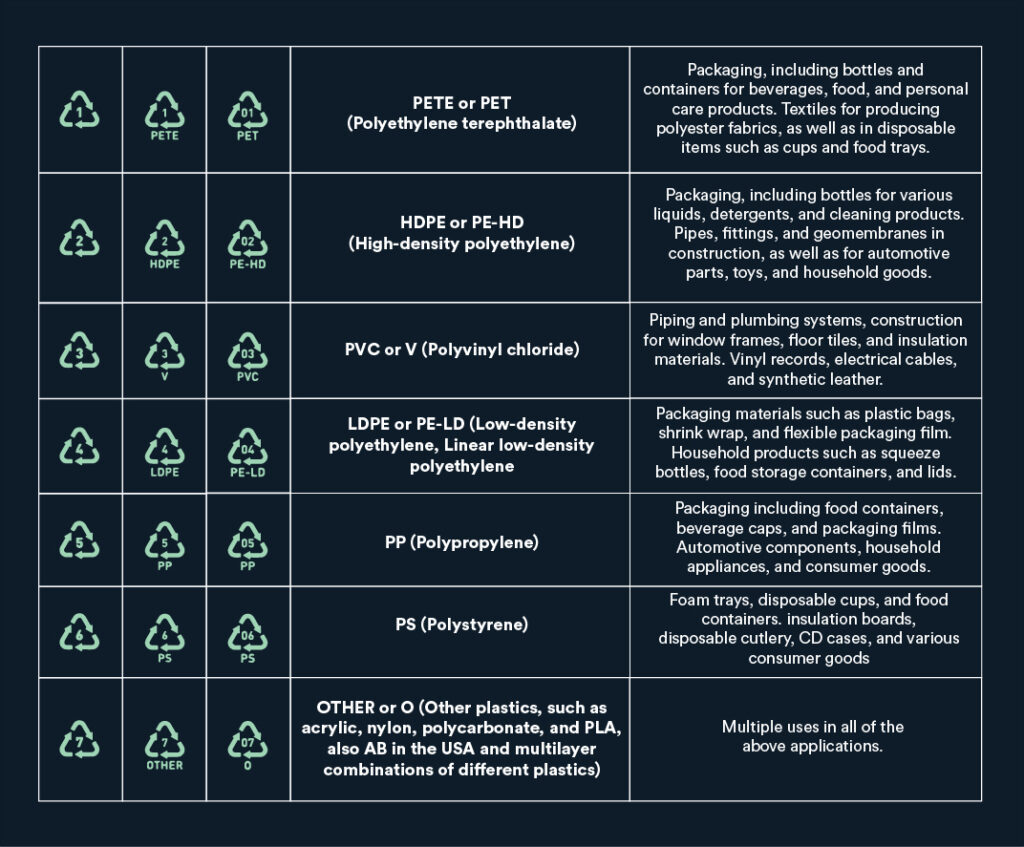
For example, in the UK, only PET and HDPE plastics are universally recycled.
While LDPE (PET 4) has a low recycling rate due to degradation issues.
Risk of misleading symbol
Studies show that 70% of consumers mistakenly believe that the symbol stands for “100% recyclable”.
But in fact only identifies the type of material.
For example, No. 7 plastics, such as polycarbonate, are rarely effectively recycled, despite their symbols.
Extension of environmental actions
Corporate responsibility
Some companies use symbols to enhance their brand’s environmental image.
But they need to be accompanied by practical actions (such as the use of recycled materials).
Consumer involvement
Proper sorting (e.g. by numbers) and cleaning containers (to avoid contamination) are key to improving recycling efficiency.
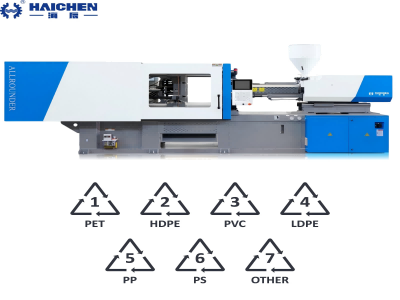
Differences in labeling specifications for recycling symbol with three arrows
There are significant differences in the labeling standards for plastic recycling symbols in different countries and regions
- ISO
- SPI
- European Union
- China
- New Zealand
- Germany
- Other
The International Organization for Standardization (ISO)
ISO/TC61 has developed a set of marking systems for plastic products, including general labeling of plastics.
Identification products of polymer mixtures or alloys, plastic products containing a single filler or reinforcement material, etc.
The ISO 1043-1 standard has updated recycled plastic symbols and application examples, adding normative references and Annex C.
Plastics Industry Institute (SPI)
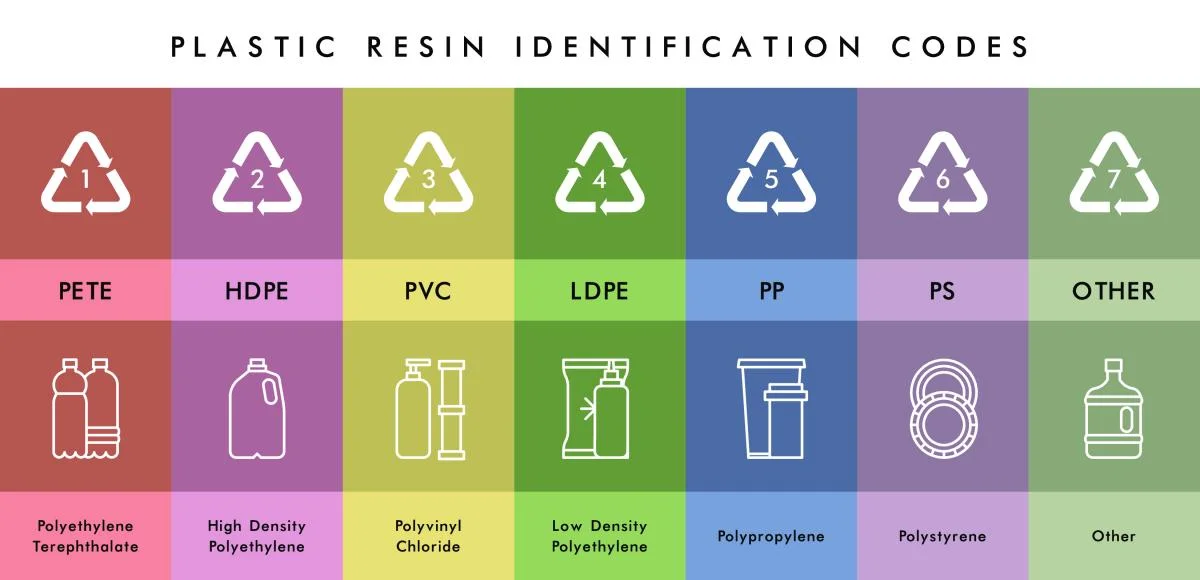
In 1988, SPI introduced a system of symbols and numbering (resin identification codes) for identifying plastic containers and packaging materials.
The system has become mandatory in most states in the United States and is widely used in Australia, Canada, Japan, and Europe.
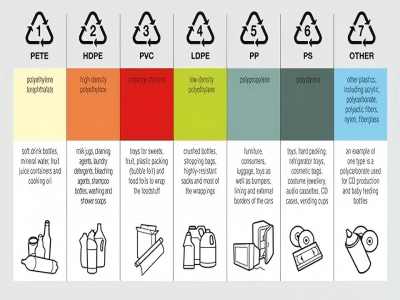
SPI codes usually feature a triangular symbol consisting of three arrows, which contains numeric codes representing different plastic types (e.g., PET, HDPE, PVC, etc.).
European Union
The European Union uses a similar triangle symbol with a numeric code to identify different types of plastics.
Also developed regulations that require plastic packaging materials to be clearly labelled with recycling information.
China
China’s national standard GB/T 18445-2022 “Packaging Recycling Mark” specifies the type.
Basic graphics and labeling requirements of the recycling symbol with three arrows.
Which is suitable for commonly used packaging materials such as paper, plastic, metal, glass and composite materials.
The GB/T 18445-2022 standard expands the scope of application, adds glass packaging and composite packaging.
And improves the labeling requirements for recycling labels.
New Zealand
New Zealand consumers have a low level of understanding of the plastic recycling symbol, with only 58% understanding its meaning correctly.
The New Zealand government advises manufacturers to improve labelling to ensure easily recognizable plastic codes.
Germany
Germany uses the green dot symbol (Doublesystem Deutschland GmbH) to identify bags and other plastic waste.
Household consumers are sorted by “yellow cans” and “trash cans”.
Other countries and regions
Countries such as Canada and Australia also widely adopt SPI codes, but the specific implementation may vary.
In some countries, such as Malaysia, plastic recycling rules vary from region to region.
And different cities have different acceptance standards for recyclable plastics.