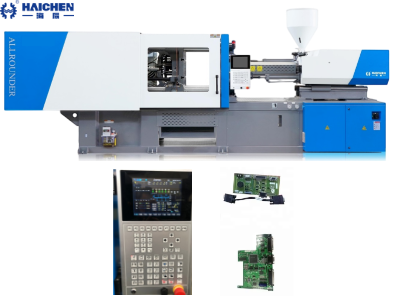
Selecting injection mould materials is a complex and critical process that requires a combination of factors to ensure mold performance, longevity and productivity.
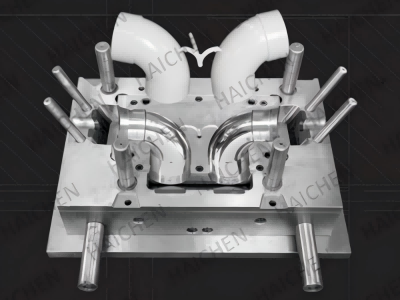
How to Select plastic injection mould materials
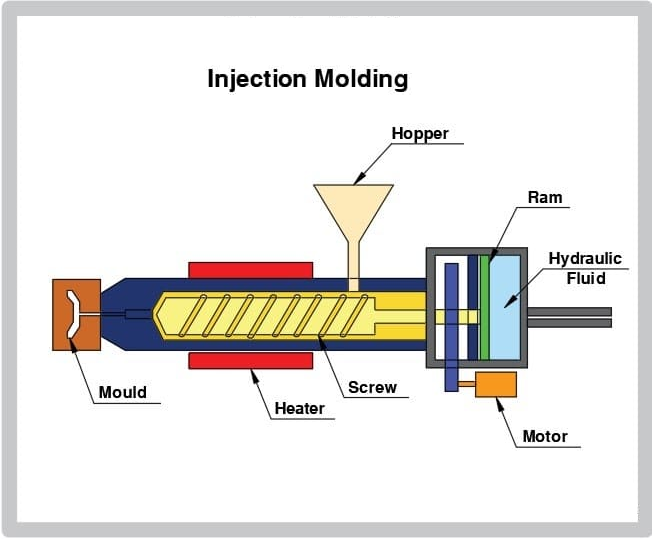
An injection mold is a tool used in the plastic injection molding process, which can inject the molten plastic material into the cavity of the mold, after cooling and curing to form a plastic product with a certain shape and size.
Product Requirements of selecting injection mould materials:
- Choose the material according to the batch, shape, structure and the environment of use of the product.
- For example, for mass production, better wear-resistant materials such as H13 steel can be selected. Complex shapes or high-precision products are suitable for the use of materials with better machining performance, such as P20 steel.
- If the products are used in special environments, such as highly corrosive environments, the material with stronger corrosion resistance should be selected, such as S7 steel.
Material Characteristics:
Metal materials:
- Commonly used metal materials include steel (such as H13, P20, 45#), aluminum alloys, copper alloys and so on. Steel has high strength and wear resistance, suitable for mass production.
- Aluminum alloy is lightweight and good thermal conductivity, suitable for small molds; copper alloy is suitable for high requirements of the mold, but the cost is higher.
Machining process of selecting injection mould materials:
- The choice of material needs to match the machining process of the mold.
- For example, for molds that require high precision and complex shapes, materials that are easy to process and have excellent polishing properties, such as S136 or NAK80, should be selected.
- For molds that require good thermal conductivity, materials with good thermal conductivity can be selected, such as H13 steel or P20 steel.
Cost factor:
- Try to select lower cost materials while meeting performance requirements. For example, common steel (e.g., 45#) and aluminum alloys are usually more economical than high-strength steel.
- Considering long-term use and maintenance costs, choosing materials with good durability can reduce the frequency of replacement, thus lowering overall costs.
Other Factors
- Appearance requirements:If the appearance of the product is an important consideration, choose materials with good transparency, gloss and color stability.
- Weather resistance:For outdoor products, select materials with good weather resistance, UV resistance and waterproofing properties.
Haichen plastic injection mould
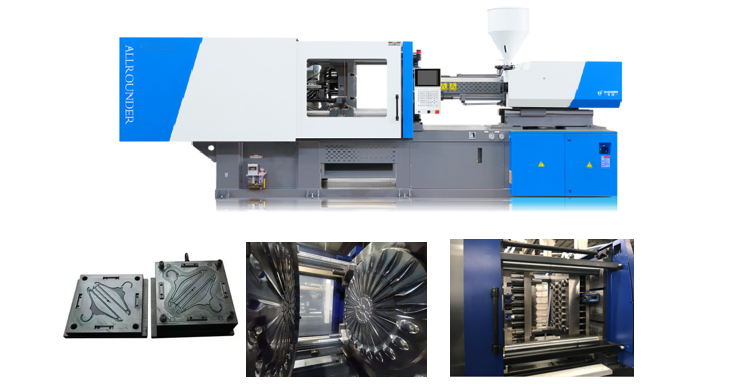
Haichen’s plastic injection mold design and manufacturing enables fast production cycles. The combination of molds and automated equipment (e.g., robots, conveyors, etc.) reduces manual intervention and increases production efficiency. At the same time, the high accuracy and consistency of the molds make automated production smoother and more reliable.
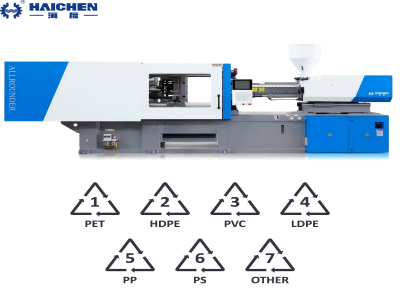
Besides mould, we also supply injection molding machines, auxiliary machinery and spear parts. If you have any questions about injection mold materials. Welcome to consult us, we will recommend the most suitable mold materials for you.
Selection of injection mold materials needs to be based on specific product requirements, production conditions, cost budget and environmental impact and other factors for a comprehensive assessment. Through scientific and reasonable selection of materials, can significantly improve the service life of the mold and product quality, while reducing production costs.