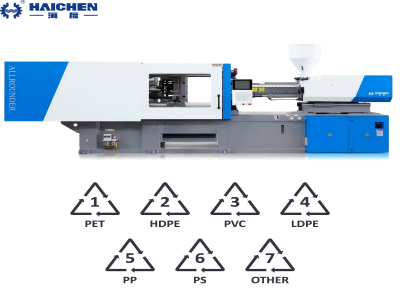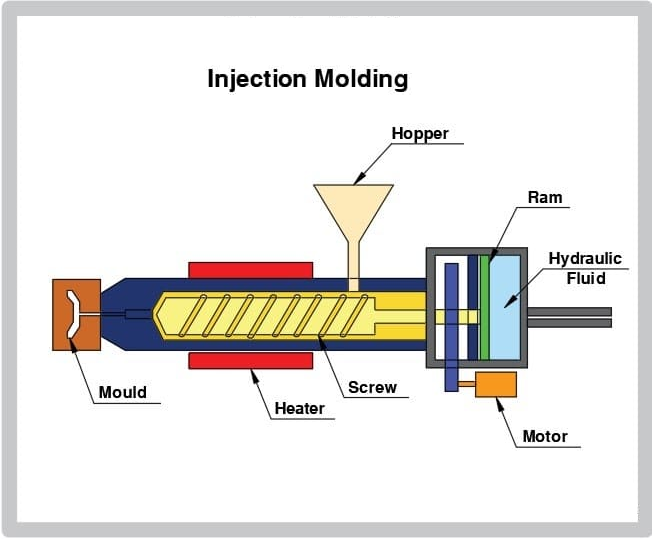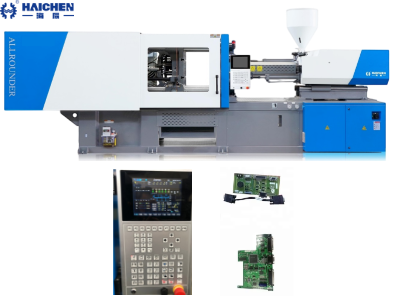
Injection Molding Facility Energy Consumption mainly comes from the consumption of electrical energy and thermal energy.
Electrical energy is mainly used for the drive system, heating system, and auxiliary equipment, while thermal energy is used for the melting and heating process of plastic raw materials.
Proper understanding and management of this energy consumption are essential for optimizing production efficiency, reducing operational costs, and minimizing environmental impact.
Factors to energy consumption in an injection molding:
Typical Energy Breakdown for an Injection Molding Machine
| Injection unit heating: | 30-40% |
| Hydraulic system operation | 20-40% |
| Cooling system | 15-30% |
| Auxiliaries (dryers, conveyors) | 10-15% |
Energy consumption in an injection molding facility
Heating Systems
Barrel Heaters and Nozzle Heaters
- Function: Melt and maintain the plastic at the desired processing temperature.
- Share: Typically accounts for 20-40% of the total energy use in the process.
- Efficiency Considerations: Use of insulated band heaters or ceramic heaters can reduce heat loss; Regular maintenance to prevent heat leakage.
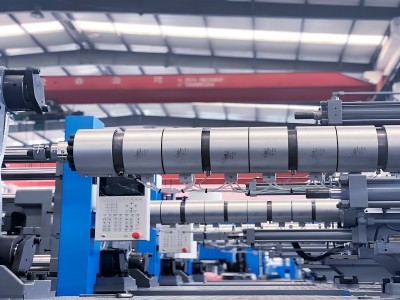
Injection Molding Machine Power
Hydraulic Machines
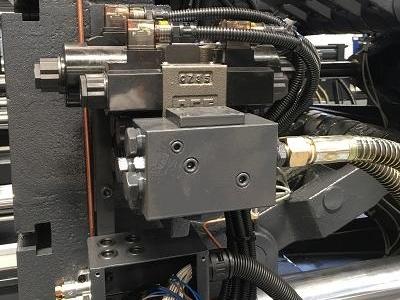
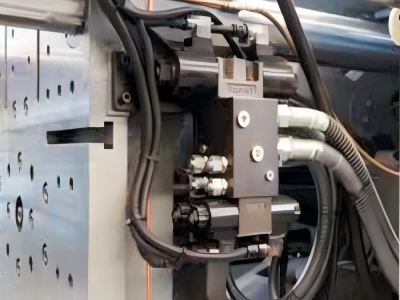
- Powered by hydraulic pumps to drive clamping, injection, and ejection systems.
- Share: Consume a significant portion of energy, often 50-70% of total energy use in older systems.
- Efficiency Considerations: Retrofitting with variable frequency drives (VFDs).
Electric Machines
- Use electric servos for precision control and consume energy only during active cycles.
- Share: Typically more energy-efficient, consuming 20-50% less energy than hydraulic systems.
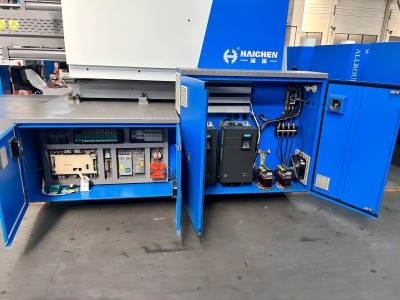
Cooling Systems
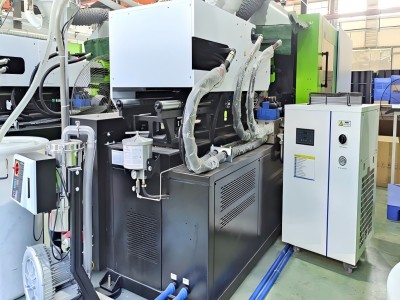
Mold Cooling and Chiller Units
- Function: Remove heat from molds and maintain process stability.
- Share: Accounts for 15-30% of facility energy use.
Efficiency Considerations:
- Use of advanced chillers with energy-saving features.
- Implement water recirculation systems to reduce water and energy use.
Material Handling Systems
Granulators, Dryers, and Conveyors
- Function: Process and transport raw materials before and during molding.
- Share: Typically consumes 5-15% of total energy.
- Efficiency Considerations: Use energy-efficient material dryers like desiccant dryers; Turn off equipment during idle periods.
Facility-Level Energy Consumption
Lighting, HVAC, and Auxiliary Systems
- Share: May account for 10-20% of total facility energy use.
- Efficiency Considerations: Use LED lighting; Optimize HVAC systems for workspace comfort while minimizing energy use.
Strategies to Reduce Energy Consumption
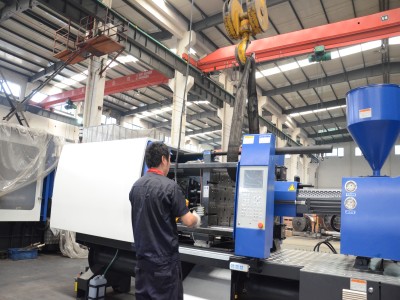
Upgrade to Energy-Efficient Equipment:
- Replace older hydraulic machines with all-electric or hybrid machines.
Use Energy Monitoring Systems:
- Track and analyze energy usage to identify inefficiencies.
Insulation and Maintenance:
- Insulate heaters and barrels to reduce heat loss.
- Conduct regular maintenance to prevent energy loss due to wear and tear.
Implement Process Automation:
- Use automated systems to reduce idle times and improve consistency.
Recover Waste Heat:
- Install heat recovery systems to reuse heat from cooling systems.
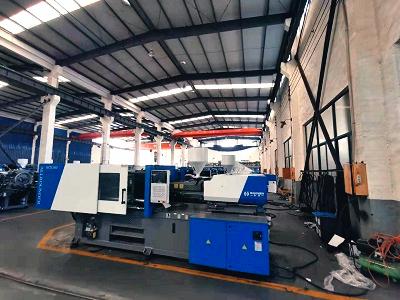
Injection molding facility energy consumption involves a number of aspects, ranging from the power consumption of the injection molding machine itself to the energy consumption of auxiliary equipment and the production environment, to the energy consumption during material processing.
By adopting advanced energy-saving technologies and optimizing process parameters, energy consumption can be effectively reduced, production efficiency can be improved, and the impact on the environment can be reduced.