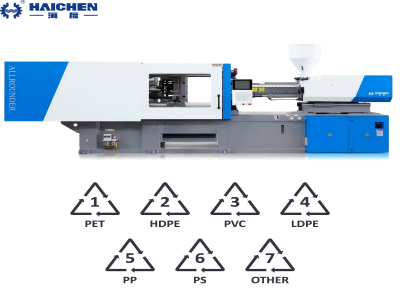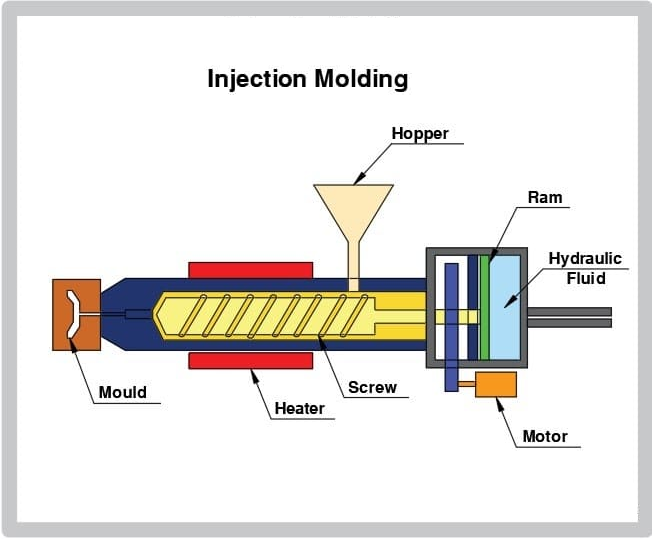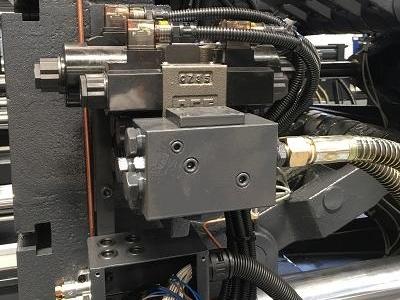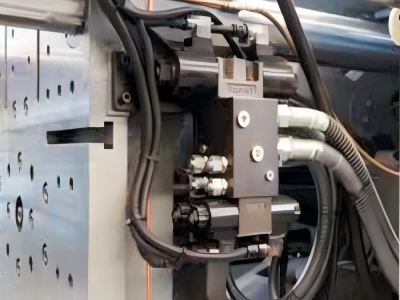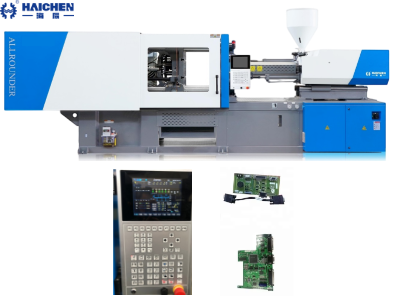
Injection molding machine heat exchanger is a device used to transfer heat. And it’s main function is to transfer heat from one medium to another.
The heat exchanger of the injection molding machine is the core component to maintain temperature balance. It transfers heat from the mold, hydraulic oil and other parts through water-to-air or water-to-water design. Its efficiency directly affects product quality, production cycle and energy consumption. Optimized design (such as water-saving valve, heat pipe technology) and regular maintenance (anti-scaling, anti-freezing) are essential for the long-term stable operation of the equipment.
During the injection molding process, heat exchangers often use to cool the mold to ensure the quality and production efficiency of plastic parts. We will discuss about injection molding machine heat exchanger from
- Injection molding machine heat exchanger function and effect
- heat exchanger types and working principles
- Key Locations and Applications
- Temperature range and design points
- Energy efficiency and innovative technologies
- Other Applications
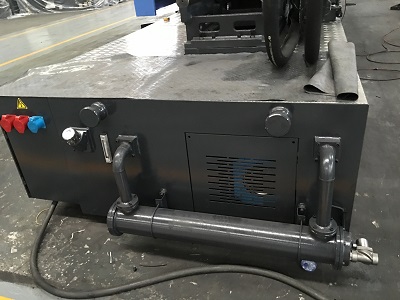
Injection molding machine heat exchanger function and effect
Heat energy transfer
The heat exchanger transfers the heat absorbed by the coolant (such as water or oil) from the mold, hydraulic oil or other components to another medium (such as air or water) to prevent the equipment from overheating.
Mold cooling
After the heat of the molten plastic is absorbed by the mold, it is transferred to the heat exchanger through the coolant circulation and finally released to the environment or secondary water system.
Hydraulic oil cooling
The heat generated by the friction of the hydraulic system during the injection molding process is transferred from the heat exchanger to the cooling water to maintain the oil temperature in the ideal range of 105°F–115°F (about 40°C–46°C).
Temperature stability
Ensure the fluidity of the plastic melt, molding quality and demolding efficiency through precise temperature control.
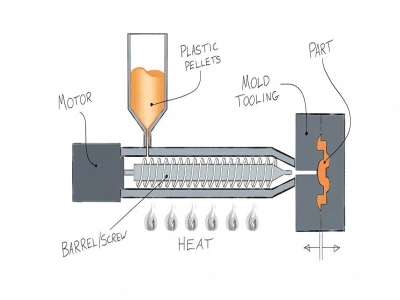
Injection molding machine heat exchanger types and working principles
Water-Air
When the coolant (water) flows through the heat exchanger, the fan introduces ambient air to remove the heat, which is suitable for scenes with low ambient temperature or limited water resources.
For example, the working process of a dry cooler:
- Hot cooling water is pumped from the injection molding machine into the heat exchanger coil.
- The fan drives the air to flow through the coil, absorbing the heat from the water.
- The cooled water returns to the equipment for circulation.
Water-Water
The heat is transferred from the main cooling water circuit to the secondary water circuit (such as a cooling tower or chiller) through the heat exchanger, which is suitable for high-precision temperature control requirements.
Other types
Thermal Pins: used for rapid heat equalization of the mold to improve cooling efficiency.
Refrigerant-water heat exchanger: assists heat recovery in heat pump systems.
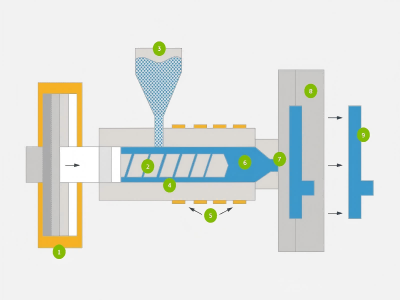
Key Locations and Applications
Mold System
The mold itself can be considered a heat exchanger, and its cooling channels absorb the heat of the molten plastic through circulating coolant (water/oil). Cooling efficiency directly affects the production cycle.
Hydraulic System
The heat exchanger prevents the hydraulic oil from heating up due to friction. Modern equipment is often equipped with a water saver valve to adjust the cooling water flow as needed to reduce energy consumption.
Auxiliary Equipment
Such as chillers (Chillers) provide low-temperature cooling water for molds or hydraulic oil through heat exchangers.
Temperature range and design points
Working temperature: The common temperature range of the injection molding process is 30°C–80°C, and the heat exchanger needs to adapt to this range.
Heat exchange efficiency factors
- Plastic properties (such as melt temperature, demolding temperature).
- Mold design (channel layout, material thermal conductivity).
- Cooling medium flow and temperature.
Maintenance requirements
Clean the heat exchange tube every six months to prevent mineral scaling (soft water is recommended).
Drain the stored water in cold seasons to prevent freezing.
Energy efficiency and innovative technologies
Heat exchangers can reduce cooling system load and reduce chiller energy consumption.
Materials such as carbon nanotubes (CNTs) can enhance the thermal conductivity of polymer heat exchangers
Other Applications
In addition to the above applications, heat exchangers can also use in mold heating systems. Furthermore to ensure that the mold maintains the appropriate temperature during the injection molding process. This is usually achieved through electric heating elements or hot plates.
Therefore, the heat exchanger in the injection molding machine is a key component. It ensures that the mold and plastic parts reach the ideal temperature during the production process. It not only affects the quality and production efficiency of the product, but also has an important impact on the long-term operation and maintenance of the equipment.