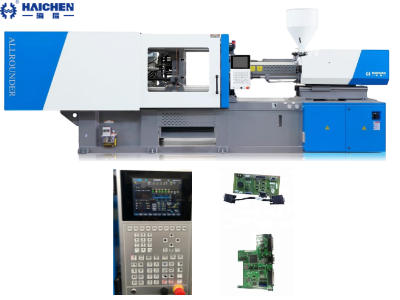
Hydraulic pumps drive every major movement on a hydraulic injection molding machine—clamping, injection, ejection, and core pulling. The pump type determines how much energy the machine consumes during each phase, how precisely it controls pressure and flow, and how much maintenance it demands. A machine running a fixed-displacement pump with an asynchronous motor consumes 87% more energy than the same machine running a servo-driven fixed-displacement pump. Over a year of production, that difference decides whether a machine pays for itself or drains profit.
Injection molding machines use four main hydraulic pump configurations: fixed-displacement pump + asynchronous motor (highest energy), variable-displacement pump + asynchronous motor, speed-variable pump systems, and servo-driven fixed-displacement pump (lowest energy). Servo-driven systems save 70–80% compared to fixed-displacement pumps and 40–60% compared to variable-displacement pumps.
This guide compares the pump types on energy consumption, cost, and application fit, and provides a troubleshooting framework for common hydraulic pump failures.
What Hydraulic Pump Types Does an Injection Molding Machine Use?
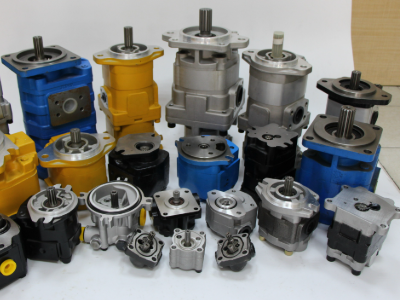
The main hydraulic pump types in injection molding are gear pumps, vane pumps, and piston pumps, each available in fixed or variable displacement configurations. The drive motor—asynchronous, speed-variable asynchronous, or servo—determines the overall energy efficiency more than the pump type alone.
Pump Types by Working Principle
| Pump Type | Working Principle | Typical Role in Injection Molding |
|---|---|---|
| Gear pump | Two meshing gears move oil | Low-cost, low-pressure auxiliary circuits |
| Vane pump | Sliding vanes in a rotor create volume change | High volumetric efficiency, smooth flow; popular for mid-range machines |
| Piston pump (axial) | Pistons reciprocate in a cylinder block | High pressure, high precision; common as variable-displacement main pump |
Variable-displacement piston pumps cost more than five times the price of vane pumps. Vane pumps offer high volumetric efficiency and smooth flow, and a fixed-displacement vane pump performs very efficiently when coupled to a variable-frequency drive.
Pump Types by Drive Configuration
The more consequential distinction for energy consumption is how the pump is driven:
| Configuration | Energy Consumption vs. Baseline |
|---|---|
| Fixed-displacement pump + asynchronous motor (baseline) | 100% |
| Fixed-displacement pump + speed-variable asynchronous motor | -47% |
| Variable-displacement pump + asynchronous motor | -69% |
| Variable-displacement pump + speed-variable asynchronous motor | -78% |
| Fixed-displacement pump + servo motor | -87% |
These figures come from a comparative study of five electro-hydraulic power units tested on the same injection molding cycle. The servo-driven fixed-displacement pump achieves the largest reduction because the servo motor stops when the machine is not moving, eliminating idle pump flow entirely.
How Much Energy Does Each Pump Type Save?
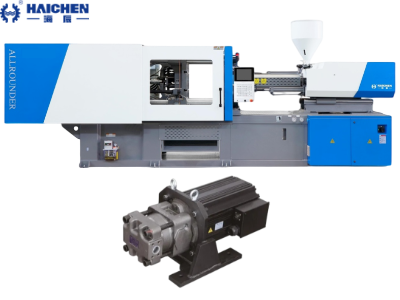
Servo-driven pump systems save 70–80% compared to fixed-displacement pumps with asynchronous motors, and 40–60% compared to variable-displacement systems. A 300-ton machine running a servo pump can save approximately 75 MWh per year compared to a fixed-displacement equivalent.
Energy Savings in Practice
A comparative analysis on a 300-ton injection molding machine showed that the Atos SSP servo pump consumed less than 80% of the energy of a fixed-displacement pump, translating to 75 MWh saved per year and 11.7 tons of CO₂ emissions avoided.
Fuxin Group’s servo energy-saving systems report savings of 40% compared to variable-displacement machines and 70–80% compared to conventional fixed-displacement machines, while also achieving higher precision, faster response, lower noise, and lower oil temperature.
Why Variable-Displacement Pumps Still Consume More Than Servo Systems
A variable-displacement pump reduces flow when the machine needs less, but the drive motor continues running at constant speed. Internal leakage and the minimum pressure required to keep the pump in a controllable state (around 14 bar for internally controlled variable pumps) prevent energy consumption from dropping to zero during holding and cooling phases. A servo-driven fixed-displacement pump has no such floor—when the machine stops moving, the motor stops, and energy consumption approaches zero.
Which Pump Configuration Should You Choose for Your Production?
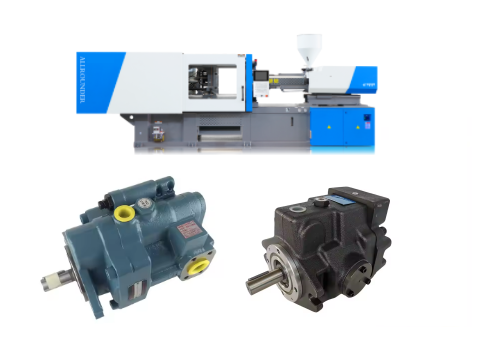
Choose a servo-driven fixed-displacement pump for the lowest energy consumption across all production scenarios. Choose a variable-displacement pump only if servo systems are unavailable or the machine runs continuous high-flow cycles where the price premium of servo cannot be recovered.
Selection Decision Matrix
| Production Scenario | Recommended Configuration | Reason |
|---|---|---|
| General-purpose production, 6,000+ h/year | Servo + fixed-displacement pump | Lowest energy cost, fast ROI |
| Large parts, high clamping force (>1,000 T) | Servo-hydraulic (servo + fixed pump) | Retains high clamping force with energy savings |
| Low-budget machine, intermittent use | Variable-displacement pump | Lower upfront cost than servo |
| Precision thin-wall parts | All-electric or servo-hydraulic | Servo-hydraulic balances precision and cost |
Yizumi’s comparison of electric and hydraulic machines notes that servo-hydraulic systems “only consume energy and generate heat when the machine is actually moving,” solving the idle-energy problem while retaining hydraulic clamping force. Fully electric machines offer higher precision but carry a higher upfront cost and lower clamping force per ton.
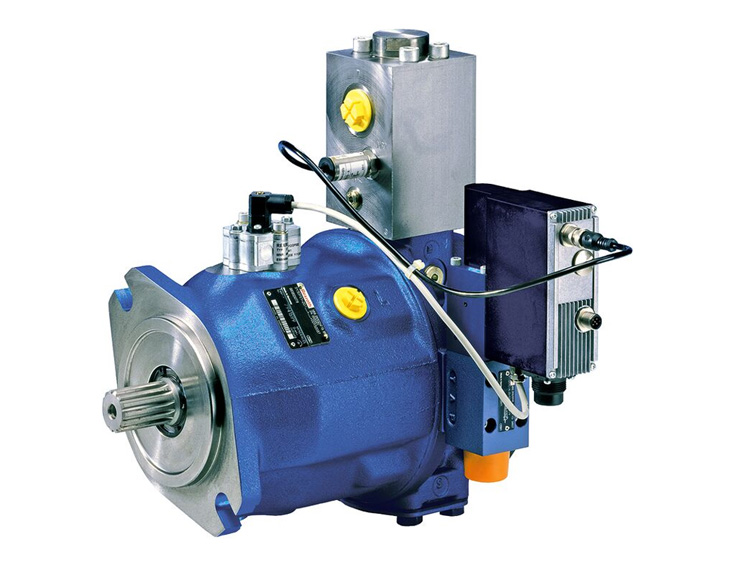
What Are the Common Hydraulic Pump Failures and How Do You Fix Them?
The most common hydraulic pump failures in injection molding are insufficient flow, pressure fluctuations, excessive noise and vibration, overheating, and leakage. Root causes include clogged suction filters, worn piston-cylinder clearances, variable mechanism sticking, and oil viscosity outside the ISO VG32/46 range.
Failure 1: Insufficient Flow or No Flow
Symptoms: Clamping and injection cylinders move slowly or not at all; flow meter reads below rated flow.
Causes and fixes:
Clogged suction filter or leaking suction line: Clean the suction pipe and filter, replace the filter element (≥100 μm), check seal integrity, and keep suction height ≤1 m to prevent air ingress.
Variable mechanism sticking: Disassemble the control piston and swashplate mechanism, flush with clean hydraulic oil, check spring fatigue, and replace the control piston if necessary.
Worn piston-cylinder clearance or valve plate: Disassemble the pump, measure piston-to-cylinder clearance and valve plate wear, and replace worn components with original parts.
Incorrect motor speed or rotation direction: Verify supply voltage and frequency against the pump nameplate, and correct motor wiring phase if rotation is reversed.
Oil viscosity out of range: Replace hydraulic oil with the correct ISO VG32/46 grade; preheat oil in low-temperature environments.
Failure 2: Pressure Insufficient or Fluctuating
Symptoms: System pressure cannot reach the set value; pressure gauge fluctuates violently, causing short shots or part deformation.
Causes and fixes:
Pressure adjustment screw not locked or incorrectly set: Re-adjust per pump model specifications (e.g., AR16/AR22: 1 turn ≈ 2.9–5.4 MPa), then tighten the lock nut with a torque wrench.
Relief valve sticking or worn: Disassemble, clean the valve core, inspect sealing surfaces, and recalibrate or replace the relief valve.
Internal leakage from aging seals or poor valve plate contact: Replace aging seals, worn pistons, and valve plate components.
External leakage at pipe joints: Tighten fittings and replace damaged O-rings.
Pressure sensor failure: Calibrate or replace the pressure sensor and check signal wiring.
Failure 3: Excessive Noise and Vibration
Symptoms: Pump emits humming or screeching noise exceeding 57.3 dB(A); piping vibrates.
Common causes include pump-motor misalignment, loose coupling, internal pump damage, and cavitation from clogged suction strainers. Pump problems often appear at half the recommended oil service life when suction strainers clog and cause cavitation. Fixes include realigning the motor and pump, tightening the coupling, cleaning or replacing the suction strainer, and checking oil level and oil condition.
Preventive Maintenance Checklist
| Check Item | Frequency | Action |
|---|---|---|
| Suction strainer | Monthly | Clean or replace if clogged |
| Hydraulic oil viscosity | Quarterly | Verify ISO VG32/46 range |
| Oil filter element | Every 500 h | Replace |
| Pump noise and vibration | Daily | Investigate if noise increases |
| Coupling and alignment | Every 1,000 h | Check and realign |
FAQ
What is the most energy-efficient hydraulic pump for injection molding?
A servo motor driving a fixed-displacement pump is the most energy-efficient configuration, reducing energy consumption by 87% compared to a fixed-displacement pump with an asynchronous motor. Servo systems save 70–80% compared to conventional fixed pumps and 40–60% compared to variable-displacement pumps.
What is the difference between a variable-displacement pump and a servo pump?
A variable-displacement pump adjusts flow by changing the pump’s internal geometry while the drive motor runs at constant speed. A servo pump keeps the pump displacement fixed but varies motor speed, stopping entirely when no movement is needed. Servo systems eliminate idle energy consumption; variable-displacement systems reduce but do not eliminate it.
Why is my injection molding machine hydraulic pump noisy?
Common causes of pump noise include clogged suction strainers causing cavitation, air ingress through leaking suction lines, pump-motor misalignment, loose coupling, and internal pump wear. Check the suction filter first—cavitation from a clogged strainer is one of the most frequent root causes.
How often should I change the hydraulic oil in an injection molding machine?
Follow the machine manufacturer’s schedule, typically every 2,000–4,000 operating hours or annually. However, pump problems can appear at half the recommended oil service life if suction strainers clog and cause cavitation. Monitor oil condition and filter condition rather than relying solely on the calendar.
Can I retrofit a servo pump to an existing hydraulic injection molding machine?
A servo retrofit requires replacing the drive motor, adding a servo controller, and modifying the machine’s control system. The cost typically runs 40–60% of a new servo machine, and the result is usually less efficient than a factory-designed servo system. Retrofit may be viable for machines under 10 years old; replacement is more cost-effective for older machines.
What pump type is used in all-electric injection molding machines?
All-electric machines do not use hydraulic pumps. Each axis—clamping, injection, ejection—is driven by a separate servo motor and ball screw. All-electric machines offer higher precision and lower energy consumption in some applications, but they cost more and have lower clamping force per ton than hydraulic or servo-hydraulic machines.