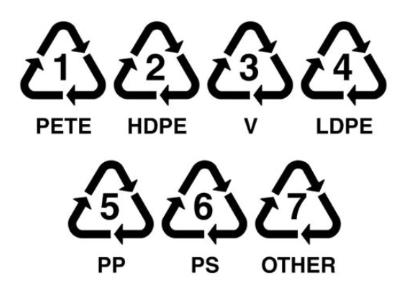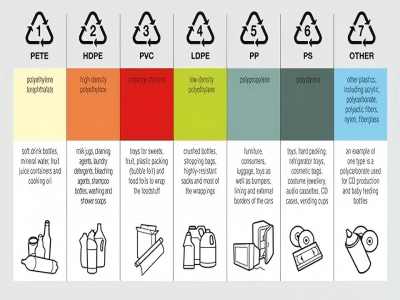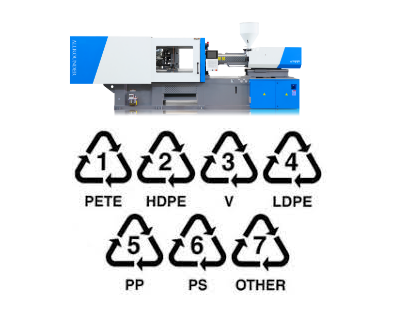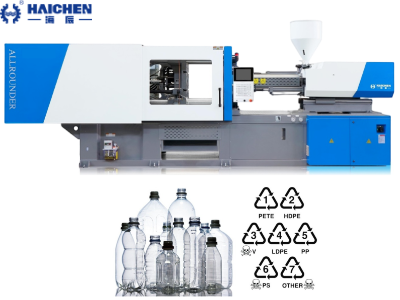
Plastic material selection for automotive parts is an integral part of the injection moulding process. It affects the performance, cost and production time of your project. When faced with such an important decision, choosing the right material can be difficult. That’s okay, let us explain it clearly.
In the early days of the automotive industry, cars were made almost entirely of metal, which meant they were bulky and heavy. However, as the industry grew, the plastic market exploded in the 1940s and 1950s. As a result, car manufacturers began experimenting with greater use of plastic car parts in their production.
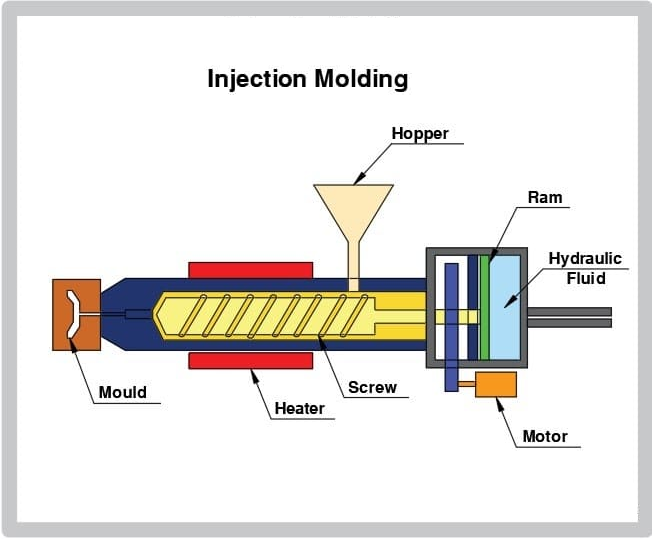
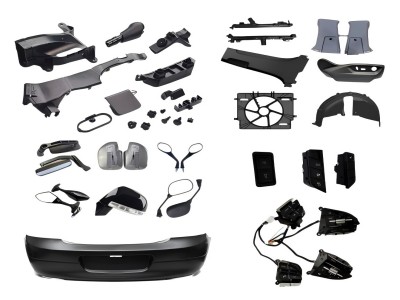
Injection molding is a widely used manufacturing process for automotive car parts due to its efficiency, precision, and material versatility.
Below is a detailed overview of the common materials used for car parts in injection molding, their properties, and applications, synthesized from the search results and industry knowledge:
What is common materials using in automotive injection molding?
- Thermoplastics
- Engineering Plastics
- Composites and Specialty Materials
- Advanced Applications
- Sustainability Trends
Thermoplastics
Polypropylene (PP)
- Properties: Lightweight, chemical-resistant, and cost-effective.
- Applications: Interior trim (dashboard components, door panels), bumpers, and battery casings14.
- Advantages: High impact resistance and recyclability, making it ideal for structural parts.
Acrylonitrile Butadiene Styrene (ABS)
- Properties: Rigid, heat-resistant, and excellent surface finish.
- Applications: Dashboard controls, grilles, and wheel covers15.
- Advantages: Combines strength with aesthetic appeal, often used for visible components.
Polyamide (Nylon/PA)
- Properties: High mechanical strength, heat resistance, and wear resistance.
- Applications: Engine components (intake manifolds, radiator fans), electrical connectors46.
- Advantages: Suitable for under-the-hood parts requiring durability under extreme conditions.
Polycarbonate (PC)
- Properties: Transparent, impact-resistant, and UV-stable.
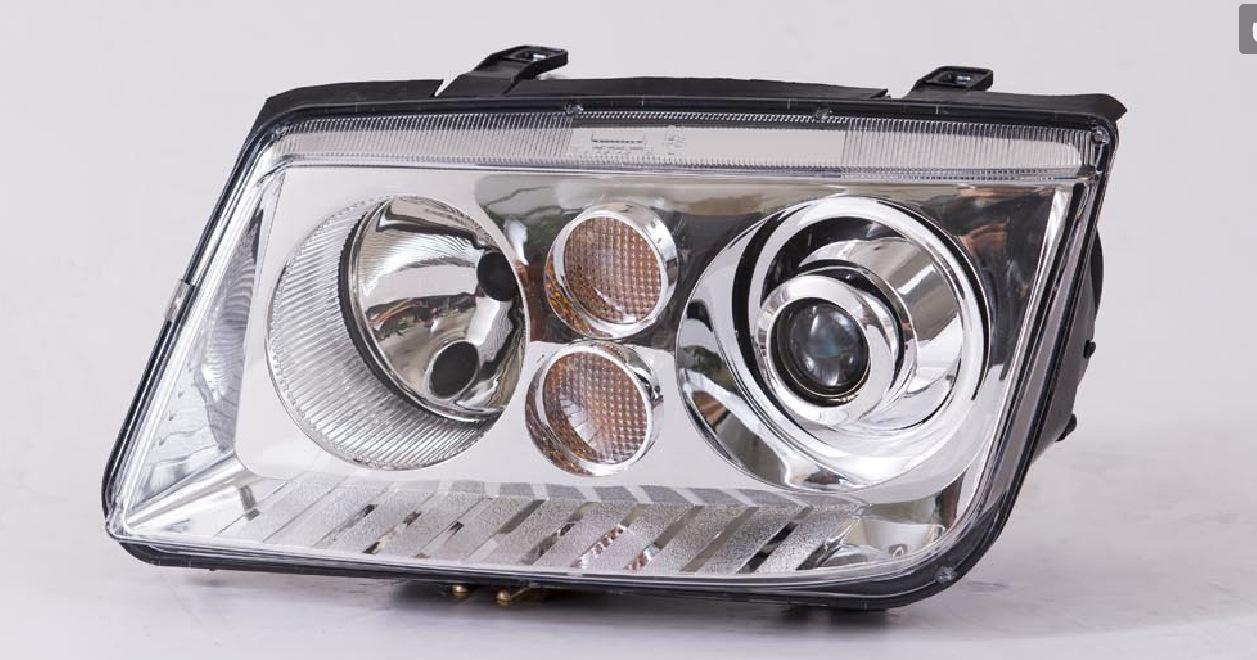
- Applications: Headlight lenses, sunroof panels, and instrument clusters4.
- Advantages: Maintains clarity and strength even in harsh environments.
Engineering Plastics
Polybutylene Terephthalate (PBT)
- Properties: Dimensional stability, chemical resistance, and electrical insulation.
- Applications: Sensor housings, ignition systems, and fuel system components46.
- Advantages: Performs well in high-temperature and high-voltage environments.
Polyoxymethylene (POM/Acetal)
- Properties: Low friction, high stiffness, and excellent machinability.
- Applications: Gears, fuel system valves, and seatbelt mechanisms5.
- Advantages: Ideal for precision parts requiring smooth operation.
Composites and Specialty Materials
Glass-Fiber Reinforced Plastics (GFRP)
- Properties: Enhanced strength, rigidity, and thermal stability.
- Applications: Structural components (brackets, supports), intake manifolds4.
- Advantages: Reduces weight while maintaining performance, critical for fuel efficiency.
Thermoplastic Elastomers (TPE/TPU)
- Properties: Flexibility, soft-touch feel, and weather resistance.
- Applications: Seals, gaskets, and interior soft-touch surfaces (steering wheel grips)45.
- Advantages: Combines rubber-like elasticity with ease of molding.
Advanced Applications
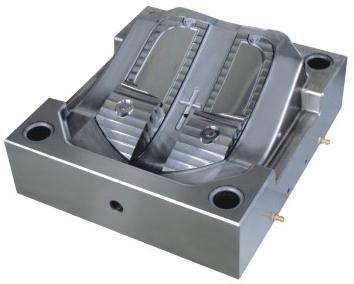
Dual-Shot Molding
- Materials: Combines rigid (e.g., ABS) and flexible (e.g., TPE) polymers in a single part.
- Applications: Multi-material buttons, knobs, and integrated seals in dashboards4.
- Benefits: Eliminates assembly steps and enhances functionality.
High-Performance Polymers
- Examples: PEEK (Polyether Ether Ketone), PPS (Polyphenylene Sulfide).
- Properties: Exceptional heat resistance (>250°C) and chemical stability.
- Applications: Turbocharger components, electrical insulation systems4.
Sustainability Trends
- Recycled Materials: Post-consumer PP and ABS are increasingly used for non-critical parts to meet environmental regulations4.
- Bio-Based Polymers: Emerging materials like PLA (Polylactic Acid) for interior trim, though limited by thermal performance6.
Key Considerations for Material Selection
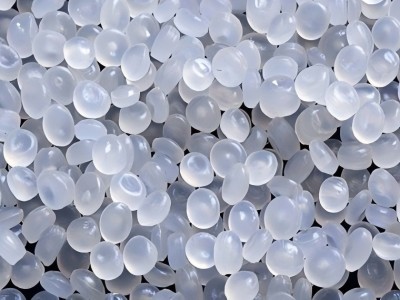
Temperature Resistance: Critical for under-the-hood components (e.g., PBT, PA).
Impact Strength: ABS and PC are preferred for exterior parts exposed to collisions.
Cost Efficiency: PP dominates due to low material and processing costs.
Regulatory Compliance: Flame-retardant grades (e.g., V0-rated ABS) for electrical systems46.
What kind of plastic is used for car parts?
There are many types of plastics used in automotive car parts injection molding, and different materials are used in different parts due to their characteristics.
Haichen gives you a detailed description of the main types and their application scenarios:
- Polypropylene (PP)
- Polyvinyl Chloride (PVC)
- Polycarbonate (PC)
- Acrylonitrile Butadiene Styrene (ABS)
- Nylon (Polyamide, PA)
- Polyoxymethylene (POM)
- Polyethylene (PE)
- Polyethylene Terephthalate (PET)
- Polyurethane (PUR)
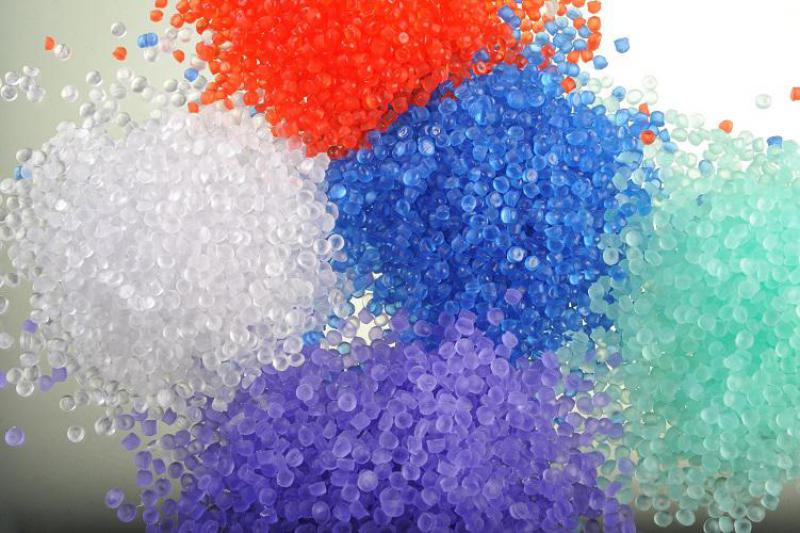
Polypropylene (PP)
- Properties: Low cost, chemical resistance, impact resistance, lightweight.
- Applications: Bumpers, fuel tanks, interior components (door panels, dashboards), cable insulation.
- Advantages: Most widely used plastic in cars, accounting for the largest share of automotive plastics, especially in North America.
Polyvinyl Chloride (PVC)
- Properties: Flame-retardant, flexible, smooth surface.
- Applications: Dashboards, door panels, seals, roof liners.
Polycarbonate (PC)
- Properties: High transparency, heat resistance, impact resistance.
- Applications: Headlight/taillight covers, mirrors, anti-freeze panels, transparent interior parts.
Acrylonitrile Butadiene Styrene (ABS)
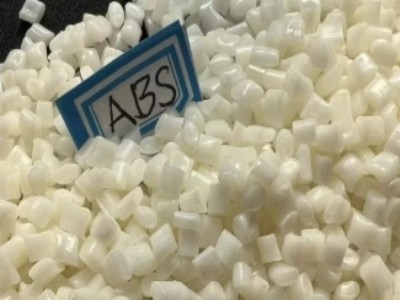
- Properties: High mechanical strength, glossy finish, energy absorption.
- Applications: Steering wheel covers, grilles, wheel arches, exterior trims.
- Advantages: Enhances safety by absorbing collision energy.
Nylon (Polyamide, PA)
- Properties: High strength, wear resistance, chemical resistance.
- Applications: Engine components (cylinder heads, gears), timing belts, shock absorbers.
- Advanced Use: Modified nylon (e.g., GFPA6, GFPA66) replaces metal parts due to lightweight (50% lighter) and cost efficiency.
Polyoxymethylene (POM)
- Properties: Wear resistance, chemical resistance, dimensional stability.
- Applications: Transmission components (gears, fuel injectors), fuel pump parts.
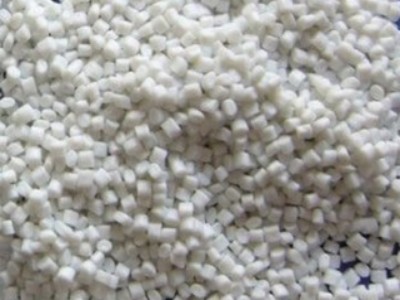
Polyethylene (PE)
- Properties: Low density, chemical resistance.
- Applications: Fuel tanks, coolant reservoirs, wire harness sleeves.
Polyethylene Terephthalate (PET)
- Properties: Heat resistance, acid/alkali resistance.
- Applications: Fuel filters, air filters, seatbelt components.
Polyurethane (PUR)
- Properties: Elasticity, energy absorption.
- Applications: Seat cushions, steering wheel coatings, noise insulation pads.
Engineering Plastics & Composites
- BMC (Bulk Molding Compound): Resin + glass fiber for high-strength parts like engine covers.
- Long-Fiber Reinforced Thermoplastics: Structural components (bumpers, seat frames) with lightweight and high strength.
- Modified Plastics: PC/ABS blends, modified PBT, etc., used for lightweighting in electric vehicles (EVs).
More could be
Automotive plastics are selected based on lightweighting, corrosion resistance, cost efficiency, and performance. For example:
- PP/PVC: Interior/exterior trims.
- PA/POM: Mechanical components.
- PC: Transparent parts.
- ABS/Modified Plastics: Safety and design flexibility.
With the rise of electrification, advanced engineering plastics and composites are increasingly adopted for EV battery housings, charging ports, and structural parts
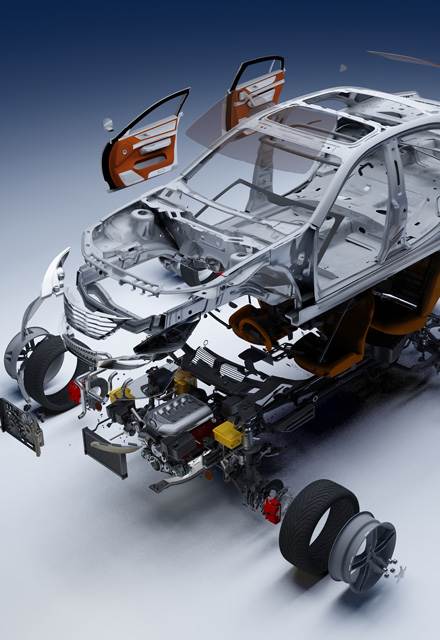
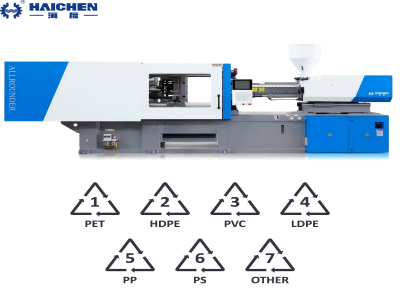
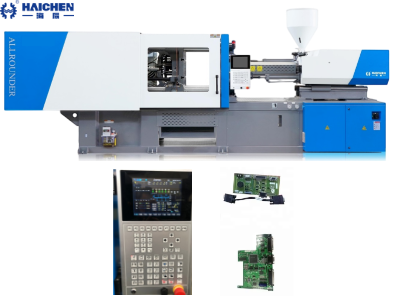
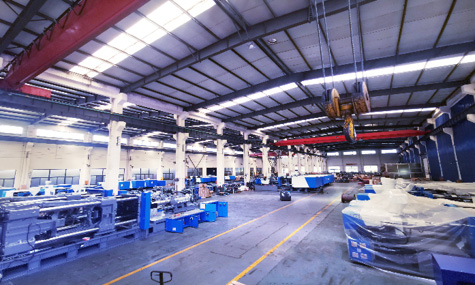
Haichen plastic car parts injection molding machine
- Product Range & Tonnage
- Core Technologies
- Customization & Compatibility
- Technical Support & Services
- Automotive Applications
Product Range & Tonnage
Haichen offers injection molding machines spanning 30 to 3000 tons, suitable for automotive components of varying sizes:
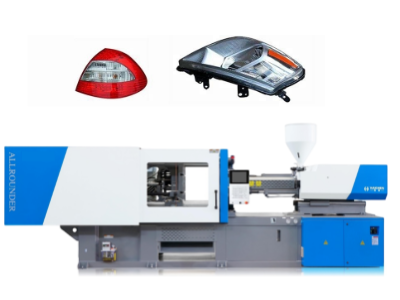
- E-Series (110–1200 tons): Ideal for small-to-medium automotive electronics (connectors, wire harnesses, sensors).
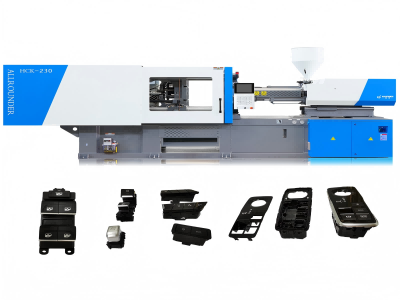
- HCS220 Model: Designed for medium-large parts like interior trim, housings, or structural components.
- 3000-ton machines: Handle large automotive structural parts (bumpers, panels, battery trays).
Core Technologies
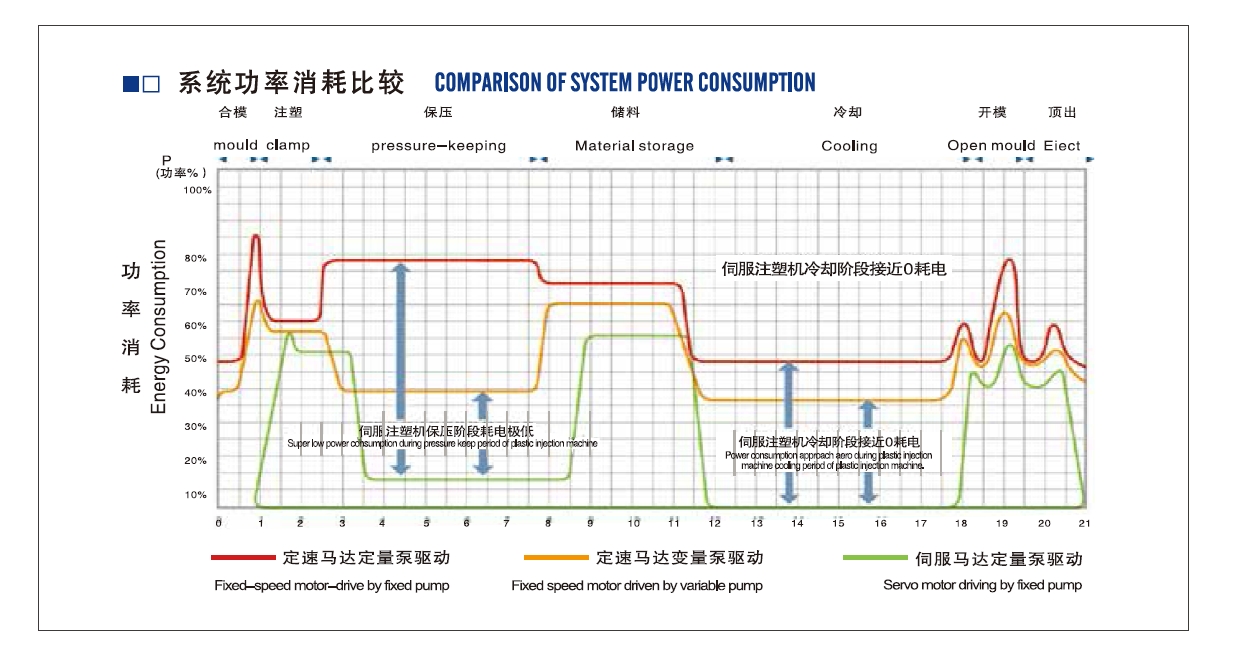
- Servo Energy-Saving System: Replaces hydraulic systems with servo motors for 15–70% energy savings and precise pressure/flow control.
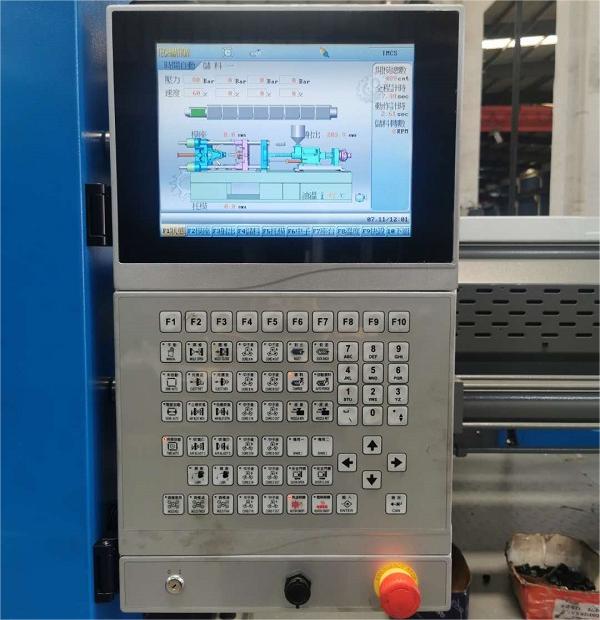
- Smart Automation: PLC-controlled multi-stage injection (speed, pressure, position) ensures consistency. Features include auto-lubrication and IoT-ready interfaces for real-time monitoring.
- High-Rigidity Clamping Unit: Five-point double-toggle design ensures stability for precision molding (e.g., headlamp lenses, fuel system components).
Customization & Compatibility
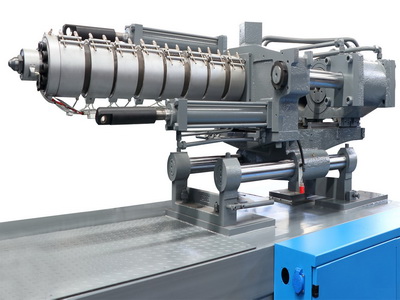
- Screw/Barrel Options: Nitrided or bimetallic configurations for materials like PA, PBT, PC/ABS, or glass-filled polymers.
- Mold Compatibility: Supports hydraulic/pneumatic cores, hot runner systems, and multi-cavity molds for complex automotive car parts.
Technical Support & Services
- Fast Delivery: 100+ machines in stock for urgent orders.
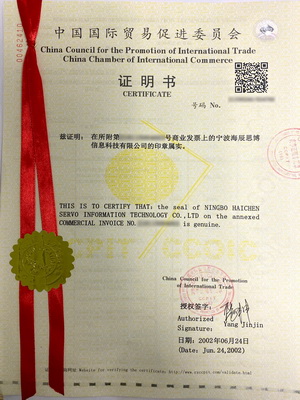
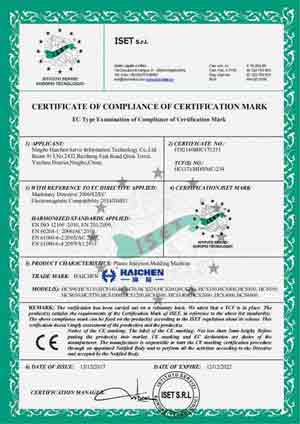
- Global Certifications: CE compliance for EU markets.
- After-Sales: Remote troubleshooting, on-site engineer support, and spare parts supply. Warranty covers 12 months for controllers, 24 months for critical components.
Automotive Applications
- Interior: Dashboard panels, air vents, cup holders.
- Exterior: Bumper brackets, grilles, wheel arch liners.
- Electronics: Connectors, sensor housings, EV charging port components.
Why Choose Haichen?
- Cost Efficiency: Reduced energy consumption and downtime.
- Precision: ±0.1mm repeatability for tight-tolerance parts.
- Scalability: Modular designs allow upgrades (e.g., adding robotics or vision systems).
For specific automotive projects, Haichen provides material testing, moldflow analysis, and turnkey solutions to optimize cycle times and part quality.
Let us know if you need details on machine specs or application case studies! 🚗🔧
Let’s talk about more
Injection molding materials for automotive parts prioritize durability, weight reduction, and cost-effectiveness. While thermoplastics like PP and ABS remain staples, advanced composites and engineering plastics address evolving demands for performance and sustainability.