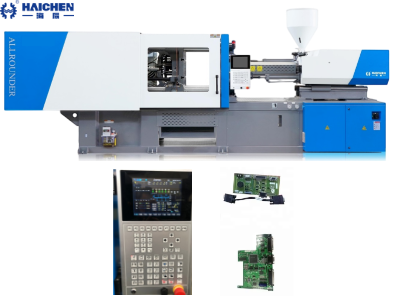
An injection molding processing line for ball pens and gel pens typically includes material preparation, mold injection, cooling, ejection, and assembly stages to produce pen barrels, caps, and other plastic components with high precision and efficiency.
Injection molding is a common plastic processing method in the manufacturing industry. Many of the ballpoint pens and gel pens we use daily rely on this process.
Its core step is to press the heated and melted plastic raw materials into the mold cavity. And then the preset shape can be obtained after cooling and shaping.
This article will specifically disassemble the operation process of the ballpoint pen and gel pen injection molding production line. And introduce the technological breakthroughs of Haichen Machinery in this field.
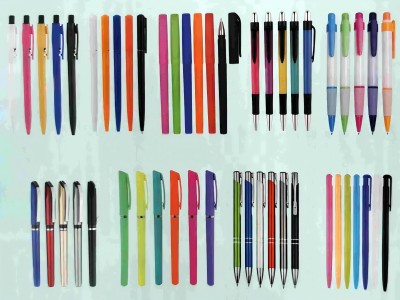
Ball Pen & Gel Pen pen making machine production line
- Raw material pretreatment
- Mold Design
- pen making machine Process
- Cooling and Ejection
- Post-Processing
Raw material pretreatment
Before you start making pens, you need to prepare the raw materials. This mainly includes choosing the right materials and ensuring that the materials are dry enough.
- Choose the right materials:
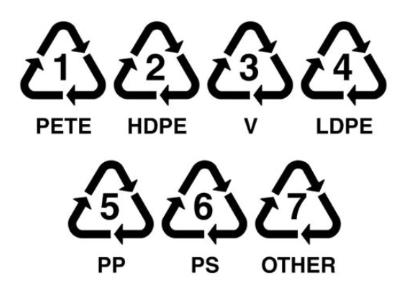
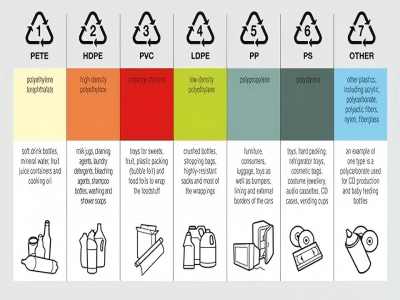
- Pen barrel: The most commonly used plastics are PP or PE. They are chosen mainly because they are relatively affordable, have good elasticity, and are not easy to break, making them suitable for pen barrels.
- Pen clips and internal mechanical parts: These places require more precise dimensions and are more durable, so engineering plastics such as ABS or PC are used.
- Drying treatment:
- If there is water vapor in the plastic particles, when they are melted at high temperature to make pens, ugly water marks (silver streaks) will easily appear on the pen body.
- HAICHEN’s production line is equipped with a vacuum suction hopper with photoelectric sensing. This device uses suction to suck the plastic particles into the drying system while automatically sensing how much material is left in the hopper.
More importantly, the moisture content in the material is strictly controlled throughout the drying process, requiring it to be less than 0.02%. This is equivalent to the material being almost free of water vapor, which can effectively prevent the formation of water marks.
Mold Design
In the production line of ballpoint pens and gel pens, mold design is the core of the injection molding process. For these pens, we design molds that can mold multiple parts at one time, including the pen barrel, pen cap and other related parts. Through precise mold structure design and strict quality control, we ensure that each part can be accurately molded and maintain a high degree of consistency.
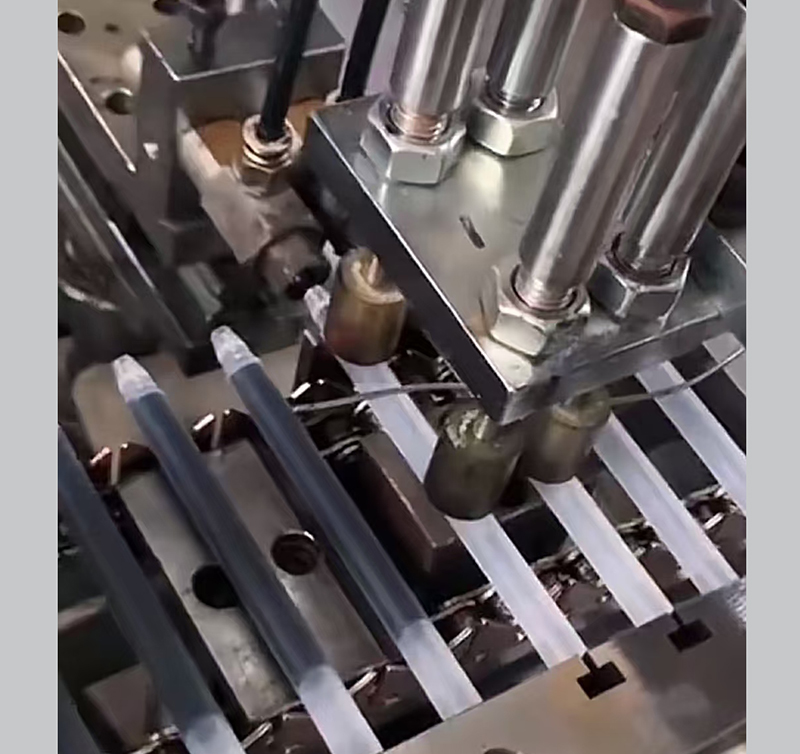
pen making machine Process
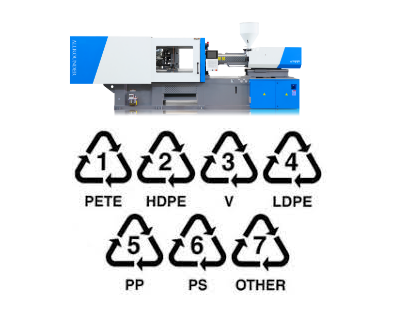
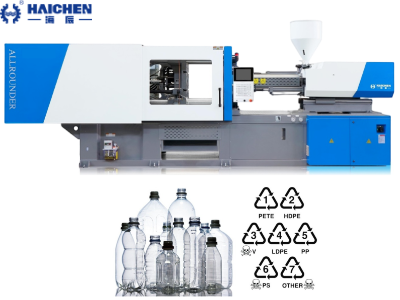
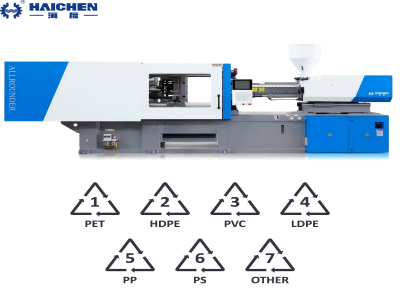
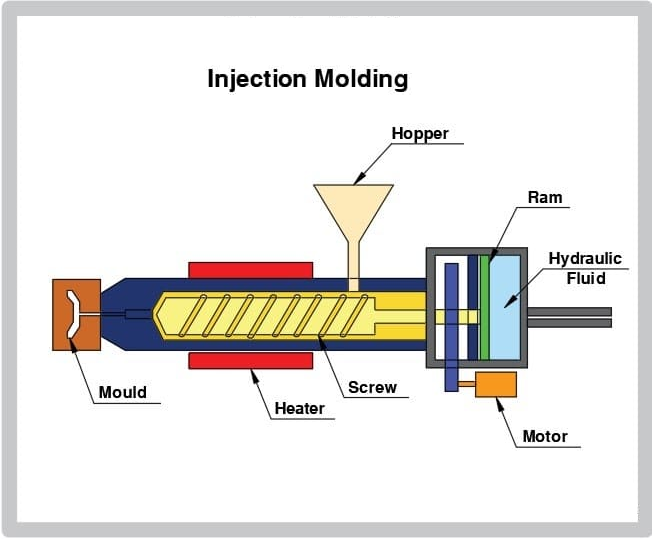
In the pen product production line, the core equipment is the injection molding machine. The equipment first heats the plastic particles to a melted state, and then injects the liquid plastic into the mold cavity under high pressure for molding.
For pen parts with different structures, there are differences in production processes: pen barrel parts are suitable for single-cavity extrusion molding. While small parts with fine structures (such as pen clips and telescopic mechanisms) require multi-cavity molds for batch production. For example, the HAICHEN HCE120 injection molding machine supports 48-cavity mold simultaneous injection molding. And its injection rate of 368 grams/second can compress a single production cycle to 15 seconds.
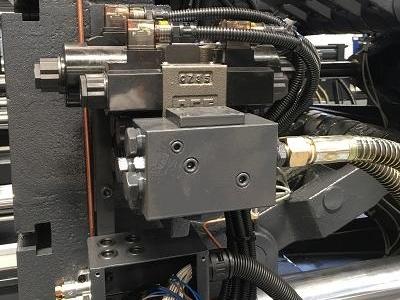
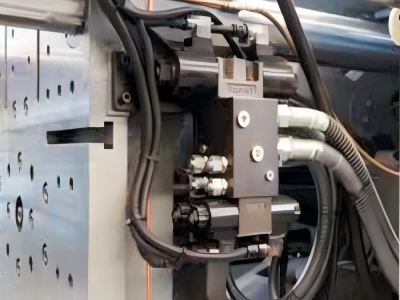
In the pressure-holding cooling stage, the servo system uses 3-5 levels of pressure segment switching technology to prevent shrinkage defects on the surface of the parts. With the mold water channel intelligent temperature control system, the cooling efficiency is 20% higher than the traditional process.
Cooling and Ejection
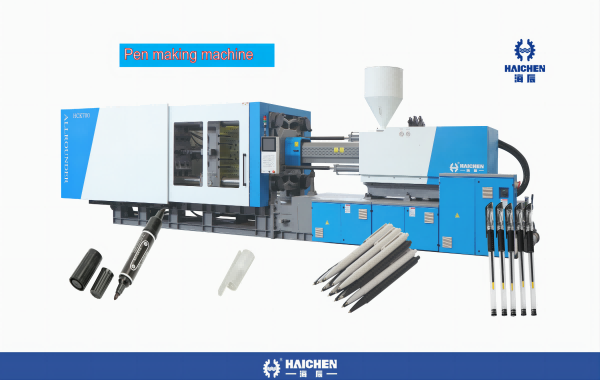
On the ballpoint pen and gel pen production line, after the molten plastic is injected into the mold. We need to wait for the material to fully cool and solidify before we can safely remove the molded parts. To this end, Haichen Machinery is equipped with a multi-layer circulating water system to evenly dissipate heat from all parts of the parts by precisely controlling the coolant flow and temperature. This design can significantly shorten the cooling waiting time and increase the hourly output by about 15%. When the part is fully formed, the mold opens automatically, and the ejector mechanism will smoothly push out the finished product. Ensuring that each ejection action is stable and reliable.
Post-Processing
At the end of the pen production line, workers begin to carefully assemble the various parts: they accurately install the carefully made refills into the pen barrels. And add springs and pen clips to ensure that the pressing mechanism of each pen is flexible and reliable.
Then comes the decoration stage – such as printing the company logo or design pattern on the pen barrel. This process often requires high concentration because the adhesion of ink directly affects the appearance quality of the product.
After spraying, each pen is strictly inspected: workers test the smoothness of the pen head by rotating it, check the elasticity of the spring with a pressure gauge. And check the fluidity of the ink to ensure that there will be no ink breakage or leakage when writing.
Finally, the qualified pens are carefully loaded into the blister card slots, and each group of ten is placed in a hard paper box. With the product model and production batch number marked on the box surface. When these neatly packaged pen boxes are stacked in the shipping area. The production line workers will record the qualified rate data for the day.
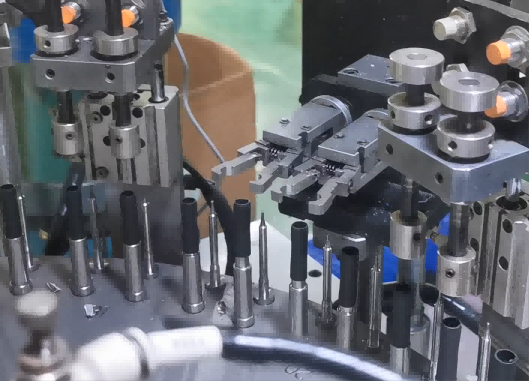
Differences in the process between ballpoint pens and gel pens
| Parts | Ballpoint pen process | Gel pen process | HAICHEN solution |
| Pen body | Extrusion molding (thick-walled cylindrical) | Injection molding (thin-walled + threaded structure) | HCE230 multi-stage screw plasticization, melt uniformity improved by 30% |
| Pen clip/telescopic mechanism | High-precision small parts injection molding (≤0.1mm tolerance) | Same as left, requires higher surface finish | Nitrided screw + hard chrome plating, wear resistance extends life by 3 times |
| Ink tank seal | Less requirements | PC material, requires anti-leakage test | Closed-loop energy system pressure stability ±0.5% |
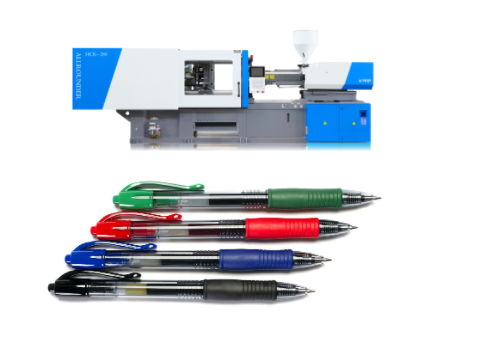
HAICHEN E series technological innovation
Taking the HCE120 model in the HAICHEN E series injection molding machine as an example. Its core technical advantages are reflected in three aspects:
- Servo energy-saving system: By intelligently adjusting the motor output power. It can reduce energy consumption by 50% compared with traditional hydraulic presses. And at the same time the response speed is increase to within 0.1 seconds, ensuring a fast and flexible production process.
- Five-hole oblique clamp structure: The 410×410mm tie rod spacing design can stably adapt to large multi-cavity molds. And simplify the mold installation process.
- Intelligent control unit: supports 100 sets of mold parameter storage, and cooperates with ±1℃ accuracy PID temperature control technology to ensure production stability. At the same time, it has remote fault diagnosis function, and technicians can immediately troubleshoot problems and reduce downtime.
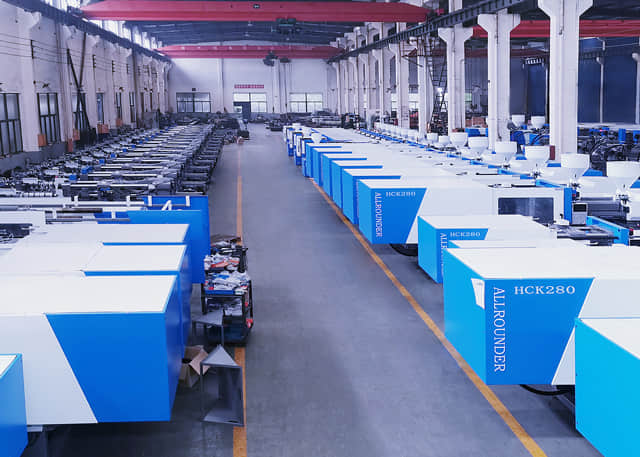
On the injection molding production line for ballpoint pens and gel pens, our team will follow up every step of the process – from preparing raw materials to final processing. Everyone focuses on the control of details, which not only ensures the stable quality of each pen, but also keeps the production efficiency at a high level.