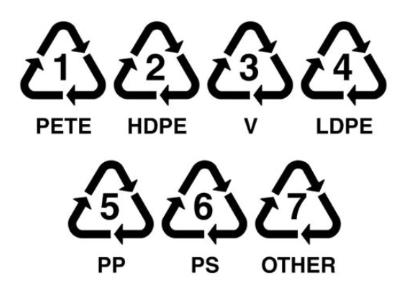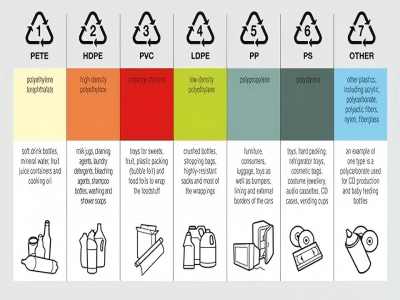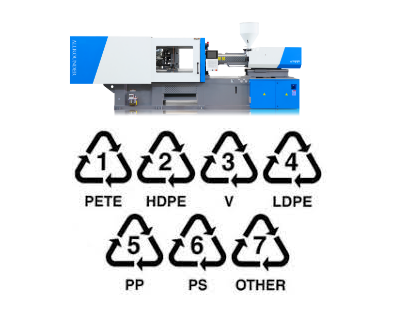
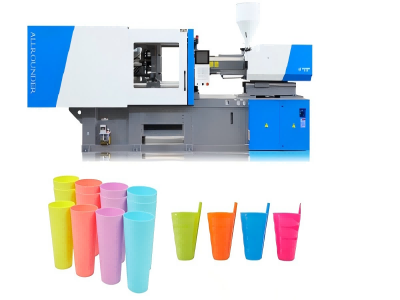
Plastic cups are categorized based on the type of plastic resin used, each offering unique properties for specific applications.As a versatile container, plastic cups are widely used in daily life and various activities. Their diversity, convenience and practicality make them an indispensable part of modern life. Whether used for family gatherings, business activities or personal use, plastic cups can provide efficient and convenient solutions.
Plastic cups come in a variety of materials, sizes and colors. The best-selling products in the high-end food market are PET (polyethylene terephthalate) and PP (polypropylene) cups, which are used to dispense beverages, coffee, etc. and come with lids suitable for various purposes. They are recyclable and fully meet food safety standards.
We will give you a general explanation of the materials, uses and equipment needed to deal with different types of plastic cups.
Here are the primary types:
Common Types of Plastic Cups (By Material)
- Polyethylene Terephthalate(PET/PETE)
- Polypropylene(PP)
- Polystyrene (PS)
- Polycarbonate (PC)
- Tritan Copolyester
- Low-Density Polyethylene (LDPE)
- High-Density Polyethylene (HDPE)
Polyethylene Terephthalate (PET/PETE)
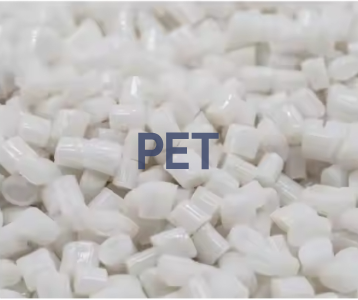
- Properties: High clarity, lightweight, recyclable (recycling symbol ♳1).
- Uses: Dominates single-use beverage cups (e.g., bubble tea cups, soda bottles). Not heat-resistant (max 60°C/140°F).
Polypropylene (PP)
- Properties: Heat-resistant (120–140°C/248–284°F), shatterproof, microwave-safe.
- Uses: Reusable coffee cups, takeout containers (e.g., yogurt cups).
Polystyrene (PS)
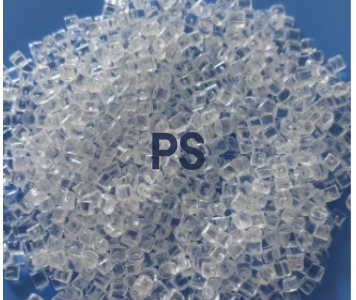
- Properties: Rigid or foamed (expanded polystyrene/EPS), excellent insulation.
- Uses: Foam cups (cold drinks) and rigid clear cups (e.g., convenience store soup containers).
Polycarbonate (PC)
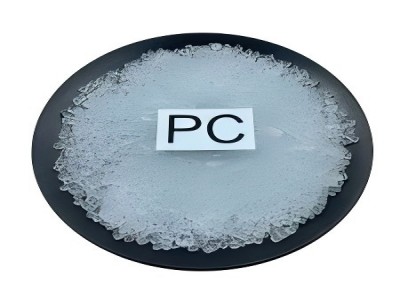
- Properties: High transparency, impact-resistant, but controversial due to BPA.
- Uses: Largely phased out by Tritan; now used for industrial protective covers.
Tritan Copolyester
- Properties: BPA-free, shatterproof, temperature-resistant (-10–96°C/14–205°F).
- Uses: Baby bottles, sports bottles (e.g., Nalgene).
Low-Density Polyethylene (LDPE)
- Properties: Flexible, collapsible, chemical-resistant.
- Uses: Portable foldable cups, jelly cup sealing films.
High-Density Polyethylene (HDPE)
- Properties: Rigid, acid/alkali-resistant, typically opaque.
- Uses: Thick-walled milk jugs, lab-grade chemical containers.
Key Considerations
- Banned Materials: PVC (polyvinyl chloride) is prohibited for food containers due to toxic HCl emissions when heated.
- Sustainability Trends:
- PET has the highest global recycling rate (~55%); PS foam cups face bans in many regions (e.g., EU 2021 directive).
- Bio-based PLA cups (cornstarch-derived) are rising but require industrial composting.
- Buying Guide:
- Use PS cups for cold drinks (low cost); choose PP for hot beverages.
- Prioritize Tritan or medical-grade PP for baby products.
Data Overview
| Material | Global Annual Production (Million Tons) | Typical Cup Cost (USD/Unit) |
|---|---|---|
| PET | 3,600 | 0.02–0.05 (single-use) |
| PP | 2,800 | 0.15–0.30 (reusable) |
| PS Foam | 1,200 | 0.01–0.03 |
Source: Plastics News (2023 commodity pricing).
How are plastic cups manufactured?
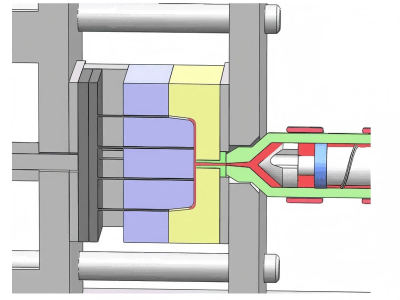
Plastic cup manufacturing involves shaping molten or softened plastic into specific designs using industrial processes. The method depends on the cup type (e.g., disposable, reusable, rigid, or flexible) and material (PET, PP, PS, etc.). Below is a breakdown of the most common techniques:
- Injection Molding
- Thermoforming
- Blow Molding
- Rotational Molding
Injection Molding
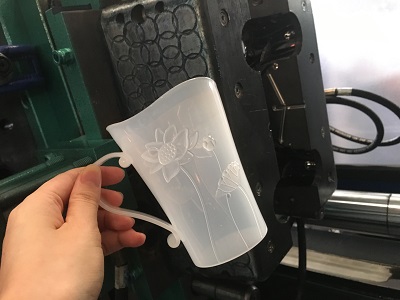
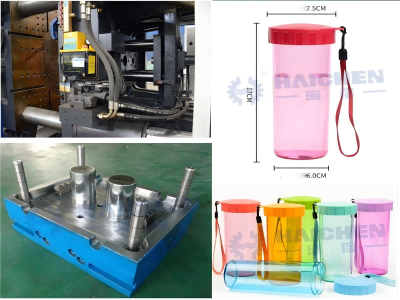
Used for: Reusable cups (PP, Tritan), thick-walled cups.
Process:
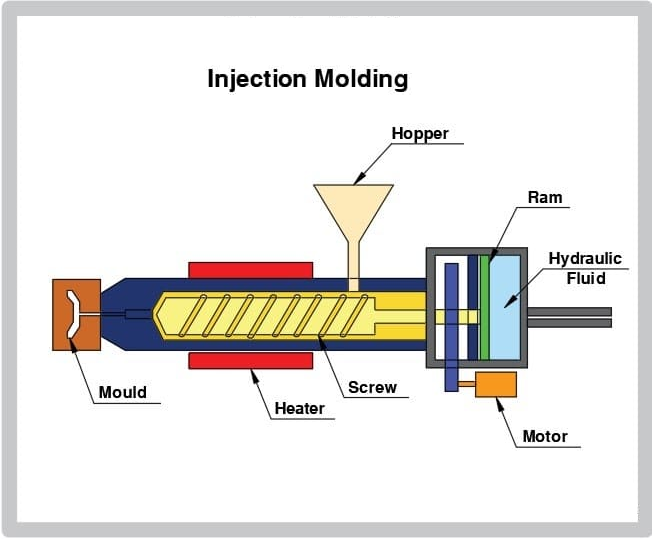
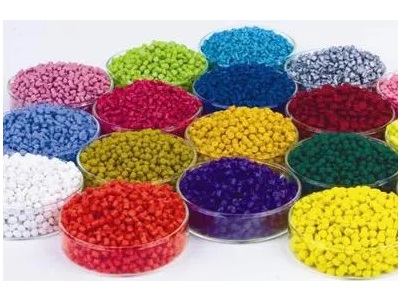
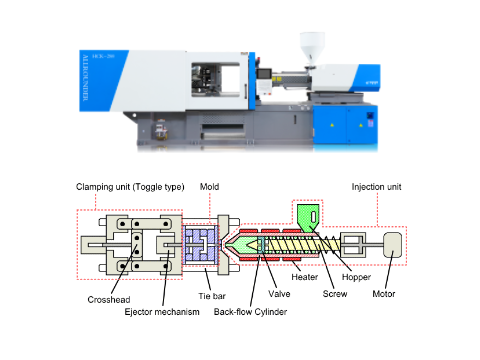
- Material Preparation: Manufacturers dry plastic pellets (e.g., PP) and feed them into a hopper.
- Melting: A rotating screw heats and melts the plastic to 180–280°C (356–536°F).
- Injection: The machine injects molten plastic under high pressure (500–1,500 bar) into a steel mold.
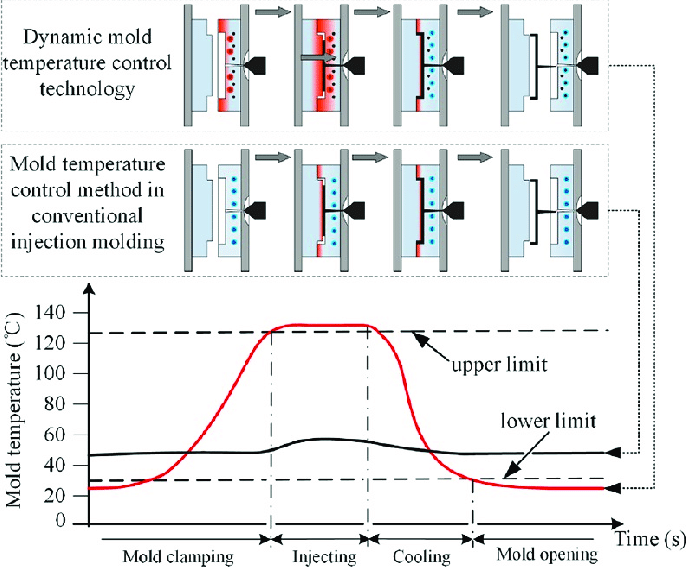
- Cooling: Water cools the mold (20–60°C) for 10–60 seconds to solidify the cup.
- Ejection: The system ejects the cup, and workers trim excess material (flash).
Advantages:
- High precision for complex shapes (e.g., handles, lids).
- Fast cycle times (10–30 seconds per cup).
Thermoforming
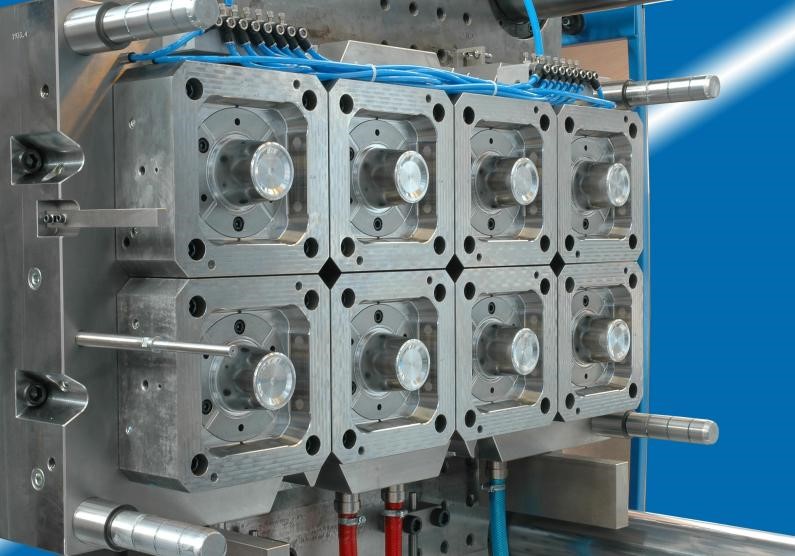
Used for: Disposable types of cup (PET, PS foam).
Process:
- Sheet Extrusion: Machines melt plastic resin and extrude it into a flat sheet.
- Heating: Infrared heaters soften the sheet (120–200°C).
- Molding: A vacuum or pressurized air stretches the sheet over a mold.
- Trimming: Workers cut away excess material and stack the cups.
Types:
- Foam Cups: Steam expands PS beads to create lightweight foam.
- Clear Cups: PET sheets form rigid, transparent designs.
Advantages:
- Low cost for high-volume production (e.g., 10,000+ cups/hour).
Blow Molding
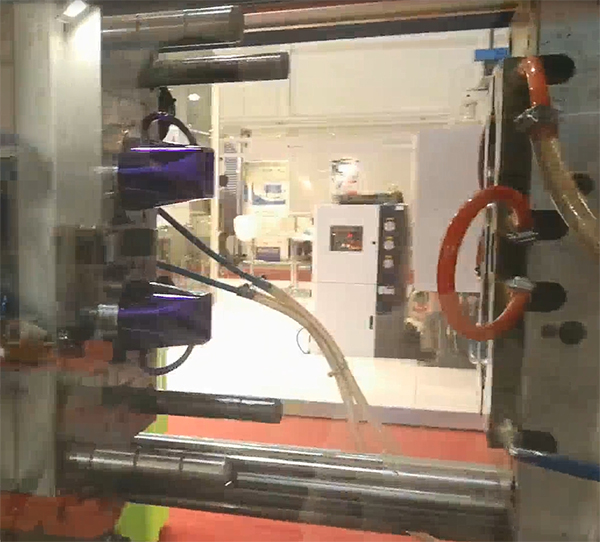
Used for: Bottle-style cups (HDPE, LDPE), travel mugs.
Process:
- Parison Formation: Machines extrude a hollow tube of molten plastic (parison).
- Mold Closure: A two-part mold clamps the parison.
- Blowing: Compressed air inflates the parison to match the mold’s shape.
- Cooling & Ejection: The cup cools, and the system removes it.
Variants:
- Extrusion Blow Molding: Produces simple shapes (e.g., sports bottles).
- Injection Blow Molding: Creates precision necks (e.g., reusable water bottles).
Rotational Molding
Used for: Large, hollow cups (e.g., industrial containers).
Process:
- Powder Loading: Workers place plastic powder (e.g., PE) into a mold.
- Rotation: The mold rotates biaxially in an oven, evenly coating the interior.
- Cooling: The system cools the mold while rotating to set the shape.
- Demolding: Workers remove the finished cup.
Advantages:
- Seamless, stress-free designs.
- Ideal for large, durable products.
Key Manufacturing Steps Across Methods
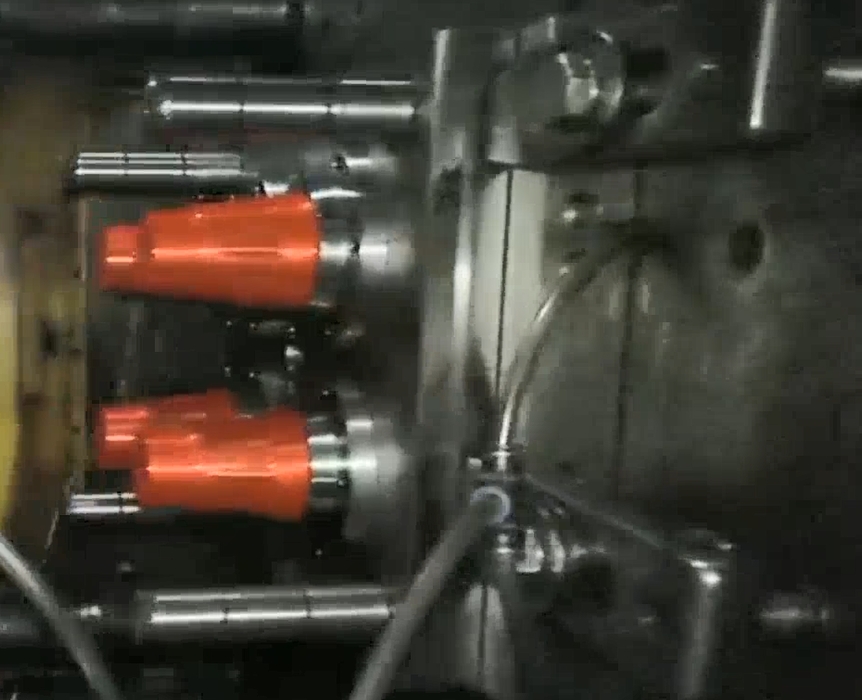
- Material Preparation:
- Manufacturers mix additives (colorants, UV stabilizers) with resin.
- They remove moisture to prevent defects.
- Mold Design:
- CNC machines create steel/aluminum molds for precision.
- Cooling channels optimize cycle times.
- Post-Processing:
- Workers smooth edges (deburring).
- Machines print logos/text via pad printing or laser etching.
- Inspectors check for defects (leaks, wall thickness).
Sustainability & Innovation
- Recycling: Facilities shred what are plastic cups made of, wash, and reprocess PET cups into pellets.
- Biodegradable Alternatives: PLA (corn-based) cups require industrial composting.
- Energy Efficiency: Modern machines use <5% scrap material and renewable energy.
Comparison of Methods
| Method | Cycle Time | Material | Cost (USD/cup) | Applications |
|---|---|---|---|---|
| Injection | 10–60 sec | PP, PC | 0.15–0.50 | Reusable cups |
| Thermoforming | 5–20 sec | PET, PS | 0.01–0.10 | Disposable cups |
| Blow Molding | 30–120 sec | HDPE | 0.05–0.20 | Bottles, travel mugs |
| Rotational | 20–40 min | PE | 1.00–5.00 | Industrial containers |
Plastic cup manufacturing balances speed, cost, and functionality. Thermoforming dominates disposable markets, while injection molding suits reusable designs. Environmental regulations are driving shifts toward recyclable PET and biodegradable PLA.
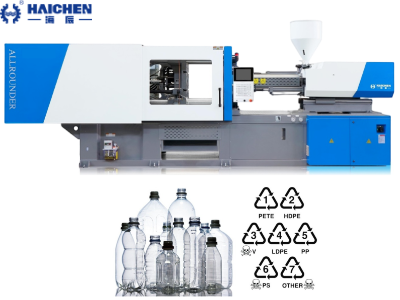
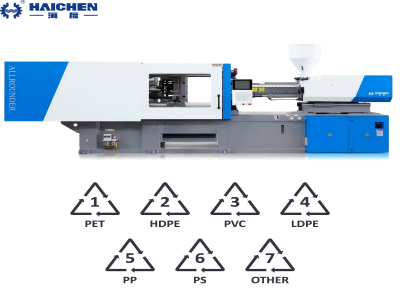
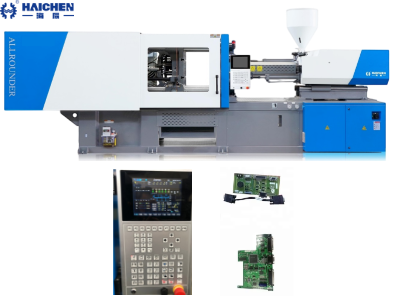
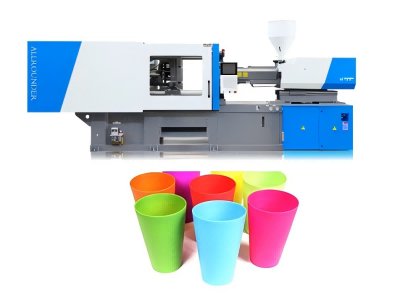
Haichen plastic cup injection molding machine
As a professional injection molding machine manufacturer, Haichen provides a variety of injection molding machine models suitable for plastic cup production. Its products are known for their high precision, energy saving, high efficiency and wide adaptability:
- Product models and technical features
- Material and process adaptability
- Energy saving and intelligence
- After-sales service and certification
- Application cases
Product models and technical features
E series injection molding machine:
Suitable for PET preforms, PVC pipes, PP raw materials, etc., with a clamping force range of 110-1200 tons, driven by hydraulic pumps and servo motors, supporting multi-stage injection pressure and speed control, suitable for the production of high-precision plastic products (such as cups).
This series is also equipped with an intelligent control system that can store 100 sets of mold parameters to improve production efficiency.
HCK230 hydraulic horizontal injection molding machine:
Designed for PET preforming, suitable for medium and large industrial parts and household appliances, supporting PC, PP, PE and other materials, suitable for the production of plastic containers such as beverage bottles.
Standard series and servo energy-saving series:
Clamping force covers 90-3000 tons, servo energy-saving models can save 15-70% of electricity and improve efficiency by 10-50%, especially suitable for large-scale production of thin-walled or thick-walled products such as plastic cups.
Material and process adaptability
Material compatibility:
Supports common plastics such as PP, PE, PET, ABS, etc., among which PP and PET are widely used in the production of food-grade plastic cups.
For different materials, Haichen provides screw barrel options such as nitrided steel and bimetallic to extend the life of the equipment (such as 3-12 months when processing materials containing glass fiber).
Mold height and clamping force:
The mold height range is flexible (such as the E series 150-ton model supports 160-450mm). Combined with the clamping force calculation formula (F = P × S), Haichen can assist customers in selecting the appropriate model to ensure production stability and product quality.
Energy saving and intelligence
Servo energy-saving technology:
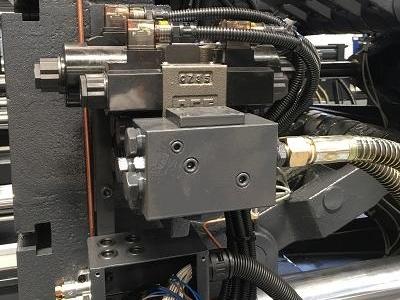
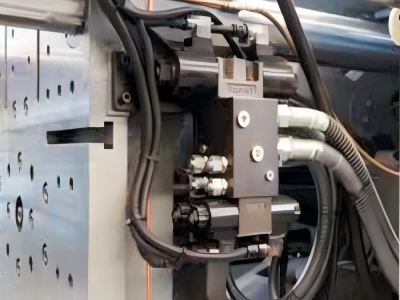
The servo motor replaces the traditional hydraulic system to achieve precise closed-loop control of pressure and flow, with significant energy-saving effects (saving more than 8% of electricity compared to traditional models).
Intelligent control system:
Equipped with color LCD screen, parameter storage, remote monitoring and other functions, it supports automated production processes and reduces manual intervention.
After-sales service and certification
Warranty policy:
Core components have a warranty period of up to 24 months (such as templates and tie rods), and controllers, hydraulic pumps, etc. have a warranty period of 12-18 months, and free replacement of damaged parts and on-site engineer support are provided.
International certification:
Complies with CE standards, meets European market access requirements, and is suitable for export-oriented customers.
Application cases
Thin-wall packaging and daily necessities:
It has been successfully applied to the production of cosmetic bottle caps, daily necessities (basins, tableware) and medical products (oxygen tubes), verifying the reliability of the equipment in high-speed and high-precision scenarios.
Customized service:
Provides mold design assistance, special material screw selection (such as corrosion-resistant treatment), and can integrate automation equipment such as manipulators to improve the overall efficiency of plastic cup production.
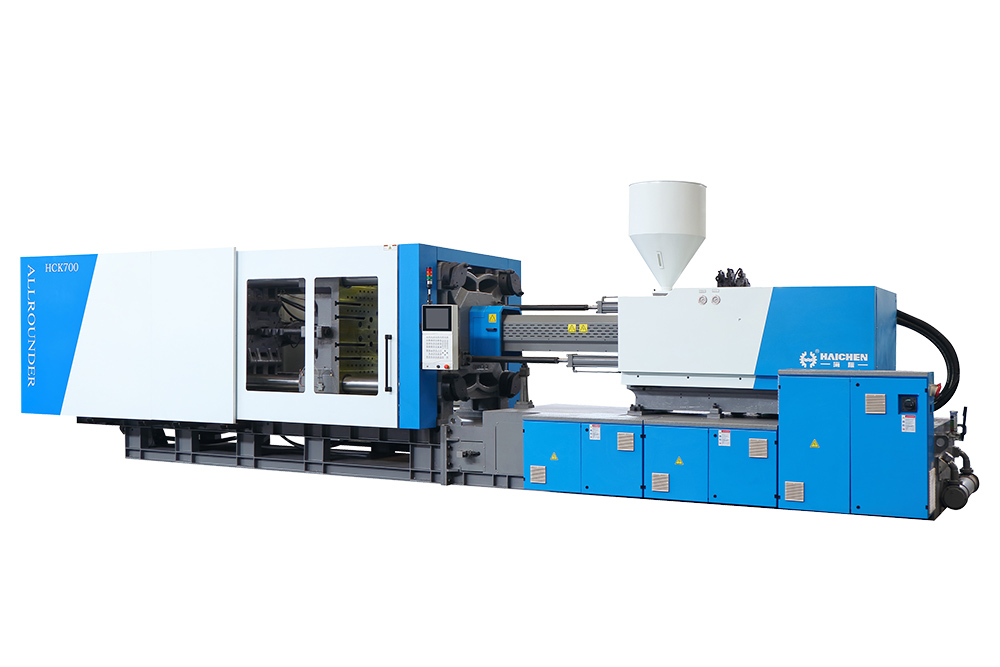
Haichen injection molding machine has become the preferred equipment for plastic cup production with its diverse model selection, material adaptability, energy-saving technology and perfect after-sales service.
Users need to select the matching clamping force and machine model according to specific production requirements (such as the price difference between single or batch purchases), material type (PP/PET) and mold size, and make full use of Haichen’s technical support to optimize the production process.
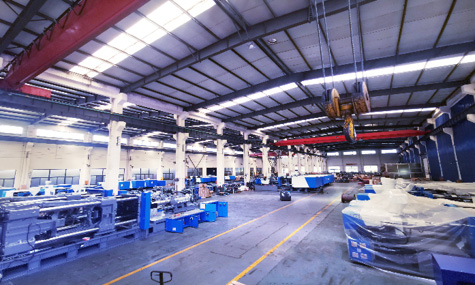
Write to us and choose us~