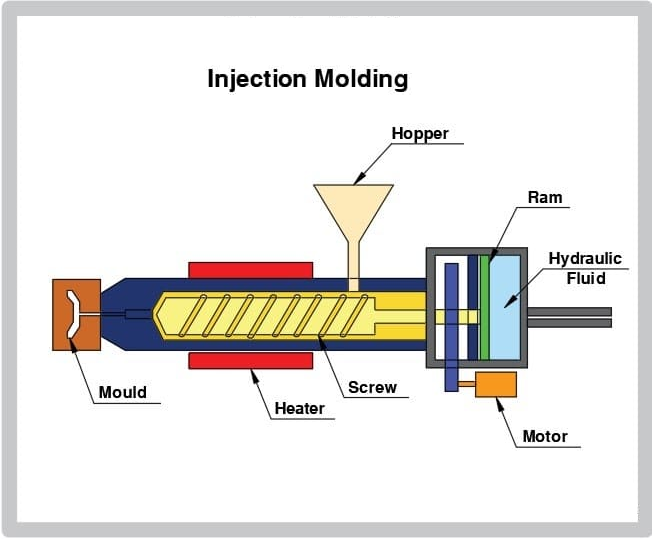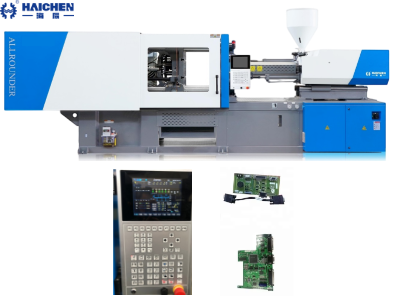
Designing a mold for plastic cups in injection molding involves several critical steps and considerations to ensure high-quality, efficient production.
Mold Design for Plastic Cups in injection molding
Here’s a comprehensive guide based on the latest industry practices and guidelines:
Part Design and Material Selection of plastic cups
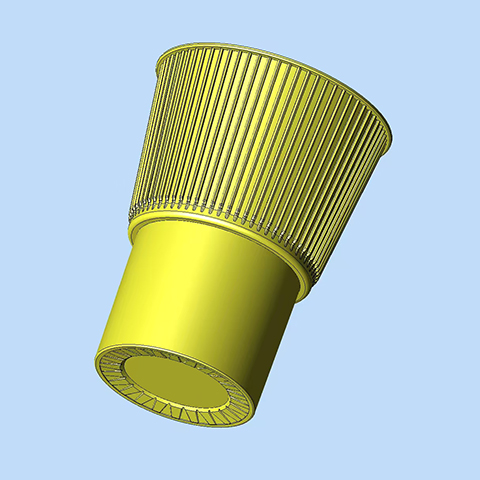
Part Design:
The design of the plastic cup should consider factors like wall thickness, draft angles, and overall geometry. Uniform wall thickness (typically 1.5–4 mm) is essential to prevent defects like sink marks and warpage. For plastic cups, the wall thickness is often 1–2 mm.
Material Selection:
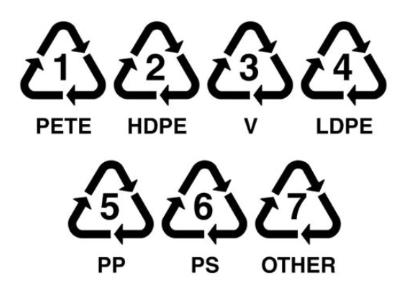
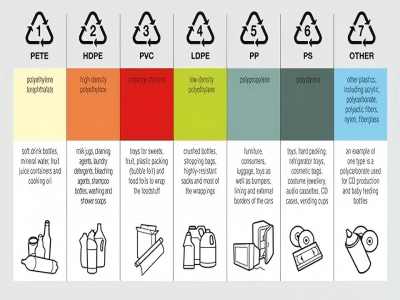
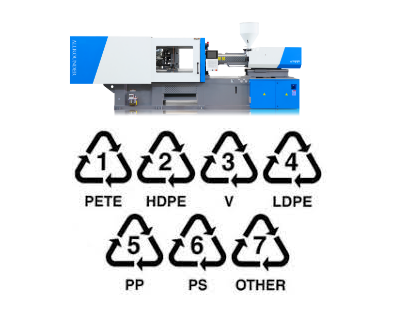
Common materials for plastic cups include polypropylene (PP) due to its durability and cost-effectiveness. The choice of material affects the mold design, especially in terms of draft angles and cooling requirements.
Mold Design Considerations
Parting Line:
The parting line is crucial for the separation of the mold halves. For plastic cups, the parting line is typically set at the widest part of the cup to ensure smooth ejection.
Draft Angles:
Draft angles are essential for easy ejection of the part from the mold. A draft angle of 1–2 degrees is generally sufficient for plastic cups.
Radii and Corners:
Sharp corners should be avoided as they can cause stress concentrations and defects. Adding radii (rounded corners) improves material flow and reduces stress.
Cooling System:
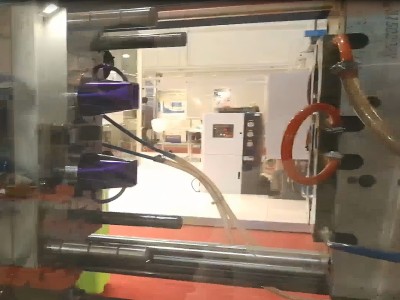
Efficient cooling is critical for cycle time reduction and part quality. Cooling channels should be strategically placed to ensure uniform cooling. For plastic cups, conformal cooling techniques can enhance cooling efficiency.
Mold Components and Systems of plastic cups
Gating System:
The gating system controls the flow of molten plastic into the mold cavity. For plastic cups, the gate is often placed at the bottom center to ensure even filling.
Ejection System:
The ejection system must be designed to avoid part damage during demolding. Ejector pins should be placed in areas that minimize stress on the cup.
Runner System:
The runner system can minimize material waste and ensure smooth flow. Hot runner systems can be used for higher efficiency.
Simulation and Analysis
Simulation Tools:
Using simulation software like Autodesk Moldflow can help identify potential issues such as flow patterns, air traps, and warpage before actual mold production. This reduces the need for modifications and lowers costs.
Optimization:
Simulation results can guide the optimization of mold design parameters, such as gate location, cooling time, and injection pressure.
Mold Material and Construction
Mold Material:
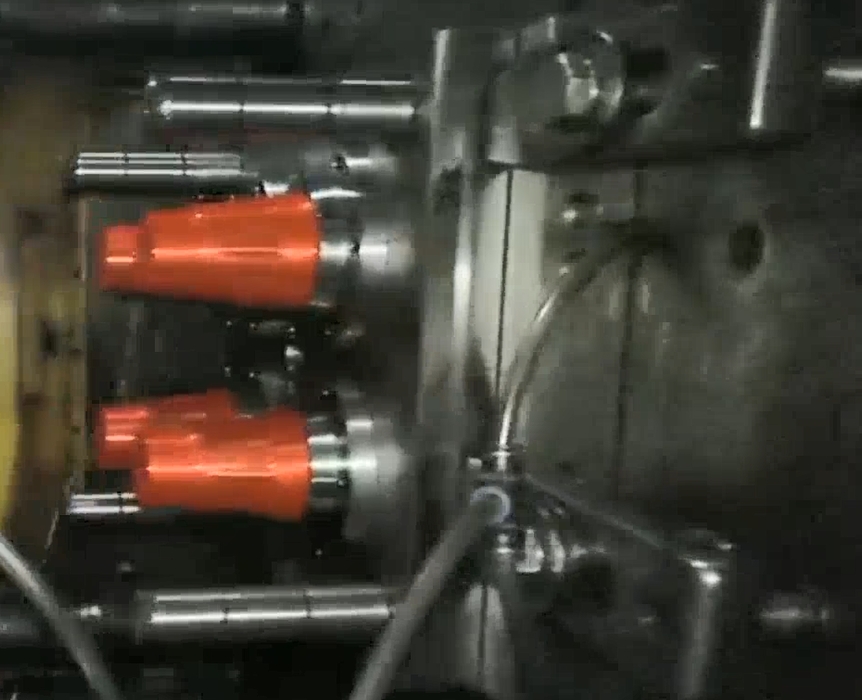
The choice of mold material depends on production volume and material compatibility. For cups, P20 steel is commonly used for mid-volume production, while H13 steel is preferred for longer runs.
Mold Construction:
Design the mold for easy maintenance and durability. Components like the sprue bushing are often made from high-wear-resistant materials like T10A steel.
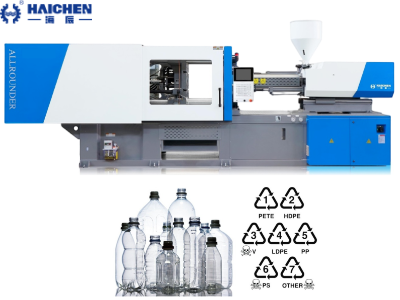
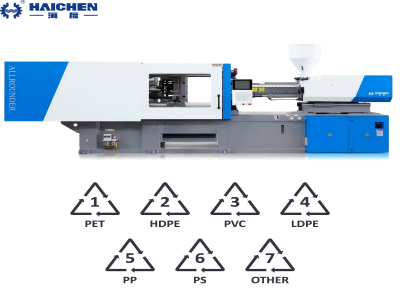
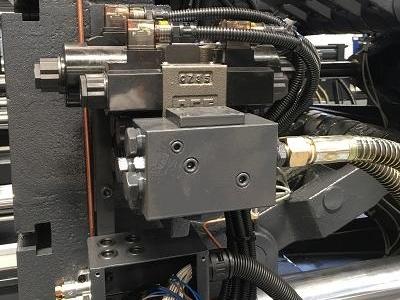
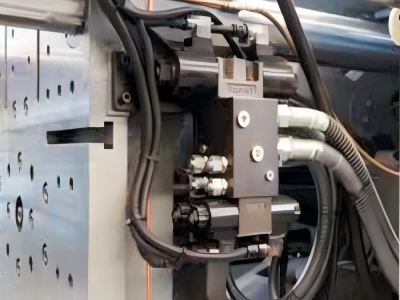
Plastic cup injection molding machine and mold: Haichen Machinery
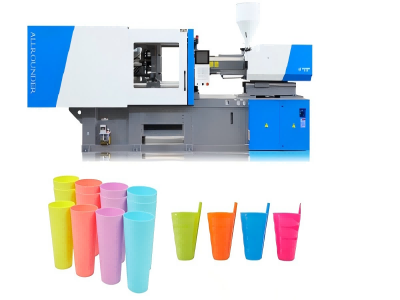
Haichen Machinery is a Chinese manufacturer specializing in plastic injection molding machines and related equipment, including molds for producing plastic cups and other products.
And we have rich experience in producing cups mold, we can provide the following service.
- Multi-cavity molds (e.g., 4, 8, 16, or more cavities) for high output.
- Hot runner systems to reduce material waste and improve efficiency.
- Durable steel construction (e.g., P20, H13, or stainless steel) for long lifespan.
- Quick-change systems for fast mold replacement.
If there is any demand for cup injection molding machine or molds, welcome to consult us.