Thermoforming vs Injection Molding comparison is mainly based on:
- Technology
- process principles
- Cost comparison
- Production efficiency
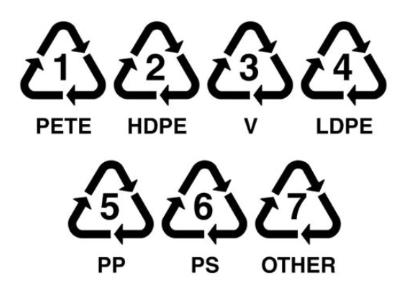
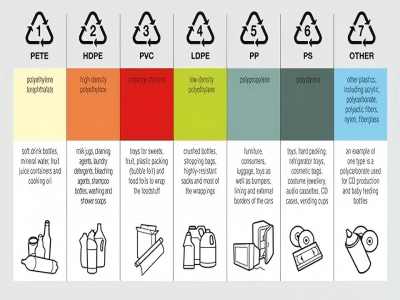
- Material
Actually,Thermoforming and injection molding are two distinct processes for creating plastic cups, each with its own advantages and disadvantages.
Thermoforming uses a heated plastic sheet to create a shape, making it suitable for low to medium production volumes and larger parts.
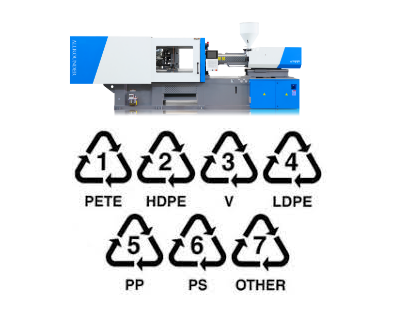
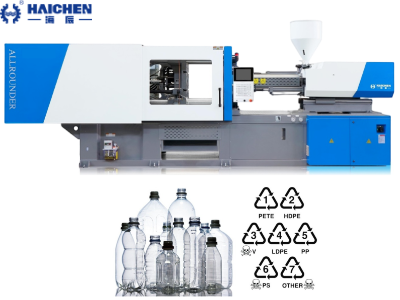
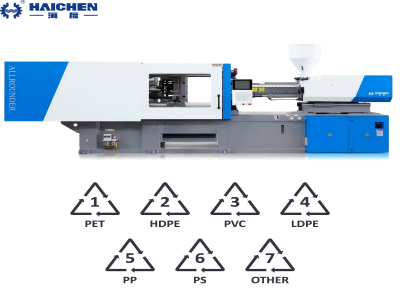
Injection molding, on the other hand, injects molten plastic into a mold, excelling in high-volume production and intricate designs.
The best choice depends on factors like production volume, part complexity, and desired features.
Thermoforming VS Injection Molding:technology
Thermoforming
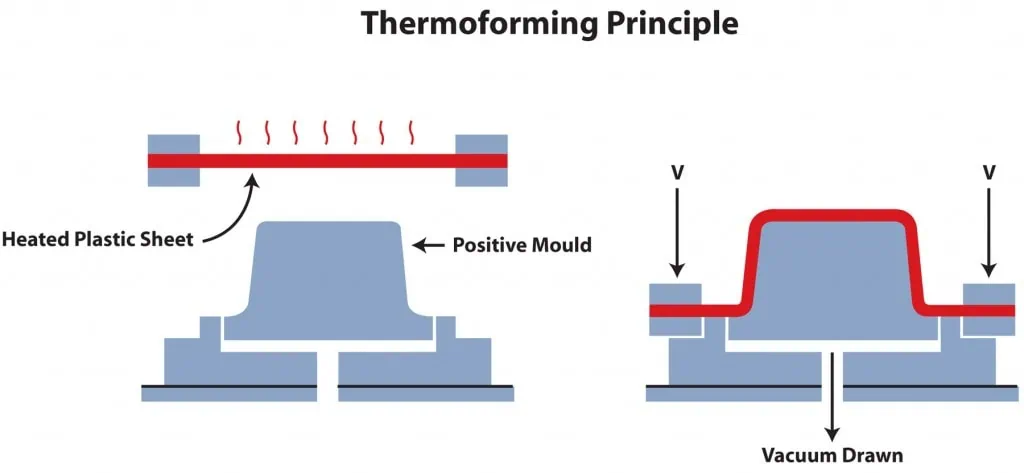
The thermoplastic sheet is heated to a softened state (usually above the glass transition temperature).
Adsorbed onto the surface of the single-sided mold using vacuum or air pressure, cooled and then released from the mold.
Core Steps
Heating: The sheet is evenly heated in an infrared or convection heating device.
Molding: vacuum adsorption or pneumatic pressure pressurization to make the sheet fit the mold.
Cooling and cutting: After natural cooling or forced cooling, the leftovers are removed to obtain the finished product.
Applicable products: thin-walled (1-20mm), large-size (up to 10m²) plastic cups, trays, packaging containers, etc.
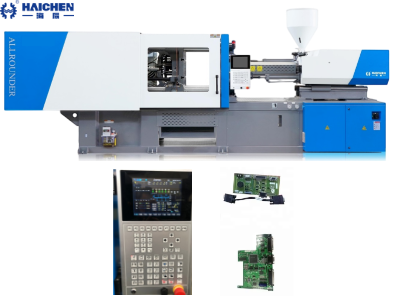
Injection Molding
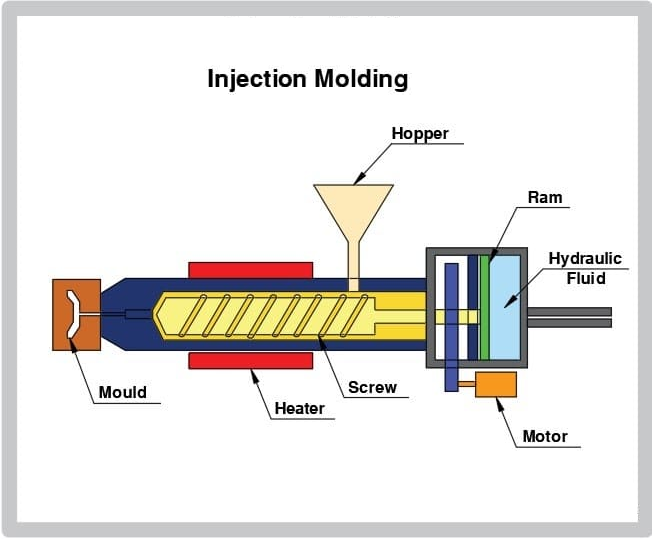
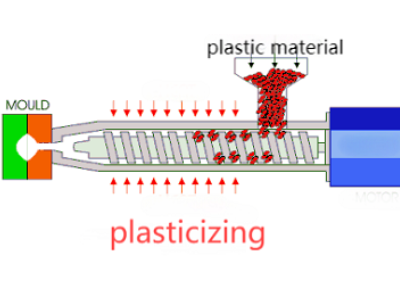
Molten plastic particles are injected into a closed double-sided steel mold under high pressure, cooled and cured, and then demolded.
Core steps
Plasticizing: The plastic particles are melted in a screw extruder.
Injection: The melt is injected into the cup mold cavity at high pressure (70-200MPa).
Packing and cooling: packing and shrinking to prevent shrinkage, cooling and shaping.
Demoulding: The ejection mechanism separates the mold and takes out the finished product.
Applicable products: complex structures (such as threads, stiffeners), high-precision (tolerance±0.1mm) plastic cups, bottle caps, etc.
Thermoforming VS Injection Molding:process principles
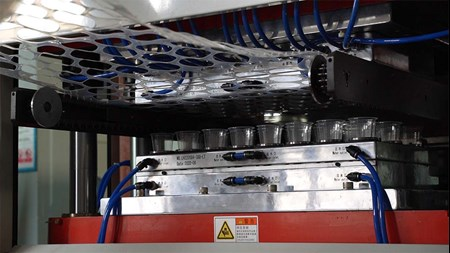
Thermoforming
It involves heating a thermoplastic sheet to a softened state, using vacuum or air pressure to form it to the surface of a single-sided mold.
With core steps including heating, forming, cooling, and cutting.
The advantage is that it is suitable for the production of thin-walled (1-20mm) and large-sized (e.g. disposable beverage cups) plastic containers.
But the molding accuracy is limited by sheet stretching and single-sided mold construction.
Injection molding
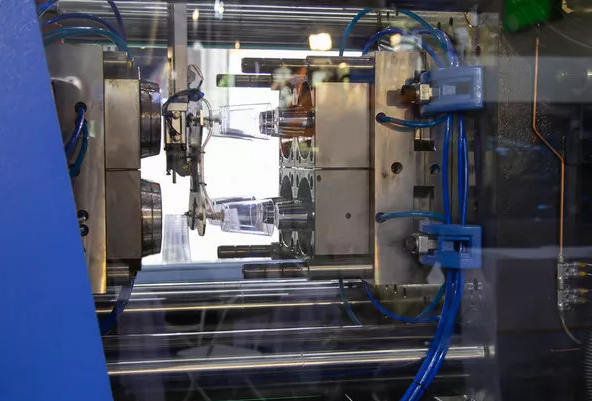
Injection molding uses high pressure to inject molten plastic into a double-sided steel mold.
Where it undergoes plasticizing, injection, pressure holding and cooling and demoulding steps to form high-precision complex structures (such as threaded cup lids).
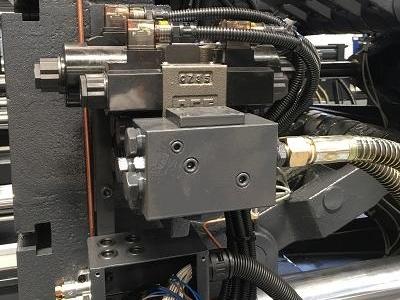
The process, which relies on double-sided molds and high-pressure filling.
Is suitable for manufacturing plastic cups with uniform wall thickness and fine detail.
But the tooling cost and complexity are significantly higher.
Thermoforming VS Injection Molding:Cost comparison
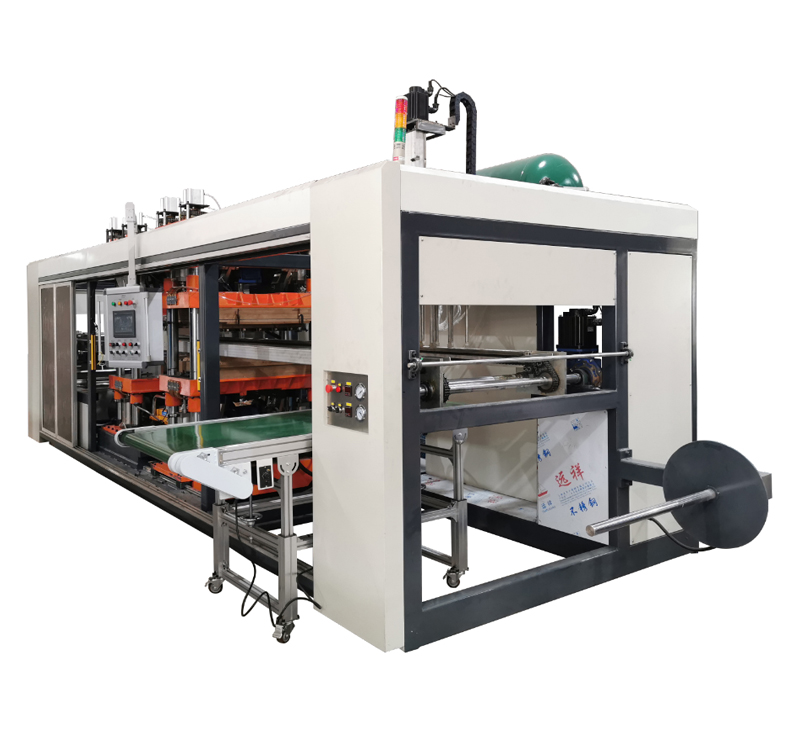
In terms of tooling costs, thermoforming uses single-sided aluminum molds.
Which are less expensive (about $5,000 to $20,000), while injection molding.
Which requires double-sided steel cup molds, which is more expensive (about $50,000 to more than $200,000).
In terms of material waste, 15%-30% of the scraps are generated by thermoforming and less than 5% of the scrap material is generated by injection molding.
The difference in unit costs is significant
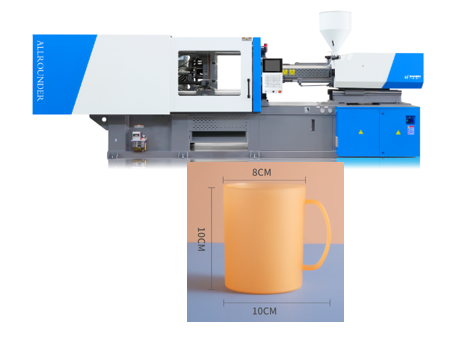
Thermoforming is more economical in small batches (e.g., 3,000 pieces <per year).
Because it does not have to share the high tooling costs, but in mass production (e.g., > 100,000 pieces per year).
The scale effect of injection molding makes the unit cost extremely low.
While thermoforming increases costs due to material waste and slower cycle times.
Comparison of production efficiency
Thermoforming molds have short cycle times (2-4 weeks) and high production flexibility.
Making them suitable for quick changeovers between high-mix, low-volume orders (e.g. customized promotional cups).
However, the cycle time per piece is slow (30-60 seconds) and is dependent on cooling efficiency.
The mold making cycle of injection molding is long (8-16 weeks), but the production speed of a single piece is extremely fast (10-30 seconds).
And the degree of automation is high, which is suitable for long-term stable large-scale production (such as chain catering supply chain).
However, the tooling is fixed and changeover costs are high, resulting in low flexibility.
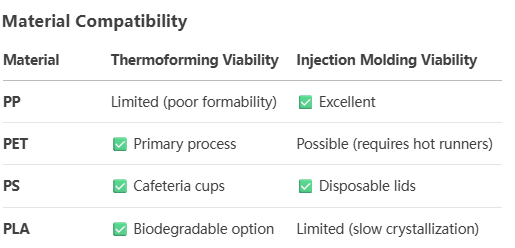
Material compatibility comparison
Thermoforming is only compatible with thermoplastic sheets (e.g., PET, PP, PS), material selection is limited by sheet availability.
And thermosets or high-performance engineering plastics cannot be used.
Typical applications include food-grade PET cups and medical HIPS trays.
Injection molding can process a wider range of thermoplastic particles (e.g., PC, ABS, nylon).
And even high-performance engineering plastics (e.g., PEEK) for high-temperature lids or complex cups with threads.
The choice of materials is flexible, but melt flow and mold design matching need to be considered.