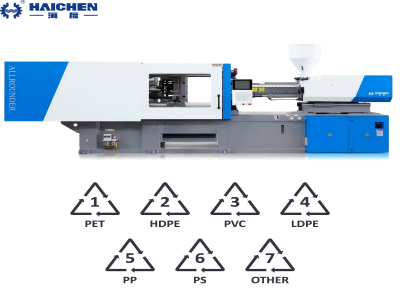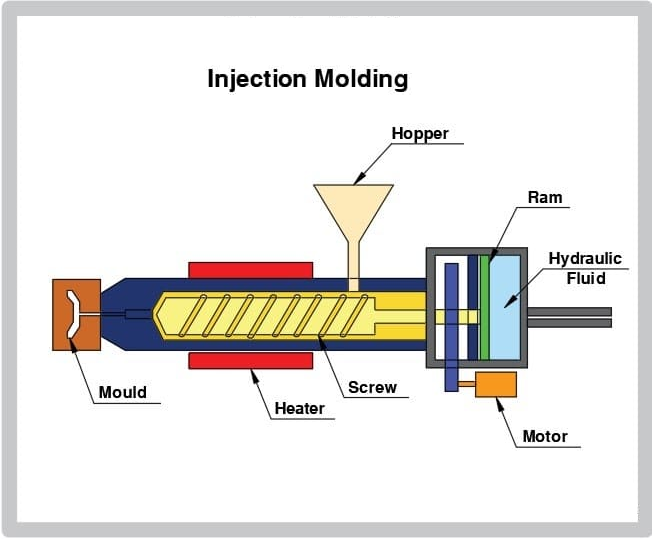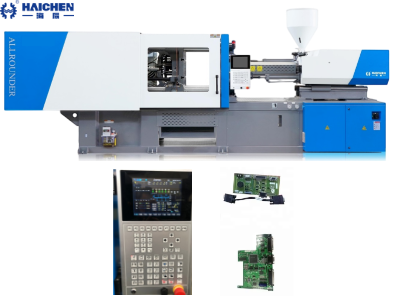
Plastic bowl mold design includes select and analyse material, optimize injection molding process parameters, design parting surface and gate, etc.
Plastic bowl molds must be designed with uniform wall thickness, efficient cooling, and precise ejection as the core. The number of cavities and gating system should be selected based on material properties and production requirements. Standardized mold bases and strict processing can ensure mold life and product consistency.
Innovation in plastic bowl molds must prioritize environmentally friendly materials, structural functionality, and efficient manufacturing. By deeply integrating CAE simulation with advanced manufacturing technologies (such as 3D printing), we can achieve cooling optimization, lightweight design, and rapid iteration. Future advancements require overcoming bottlenecks in multi-objective collaborative optimization to advance mold development towards intelligent and sustainable manufacturing.
Plastic bowl mold design is a complex project involving a variety of professional knowledge and skills. Its core purpose is to achieve efficient and high-quality plastic bowl production through reasonable mold design.
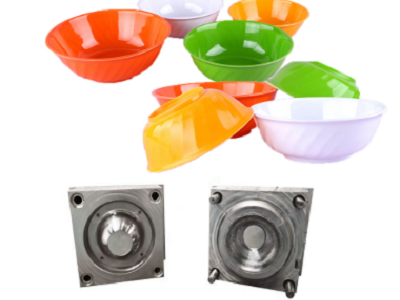
Material selection and property analysis
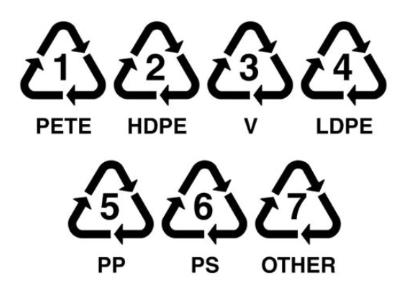
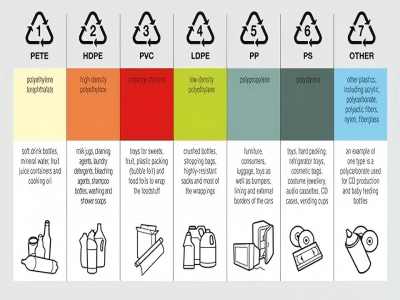
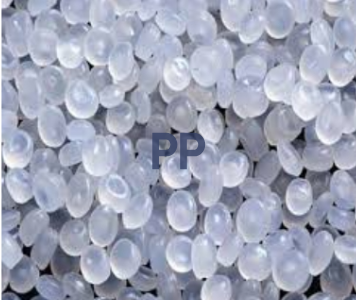
Plastic bowls usually made of polypropylene (PP), which is an ideal choice for making plastic bowls. Because of its good strength, rigidity, heat resistance and low density. Before designing the mold, it is necessary to conduct an in-depth analysis of the physical and chemical properties of the material, such as melting point, fluidity, shrinkage, etc. These parameters directly affect the mold design and molding process.
Material Processing Properties
Material flowability and processing window are important design considerations. For example, materials with good flowability are suitable for thin-walled or long-flow components.
For structures like plastic bowls, good flowability is often required to ensure complete filling and avoid problems such as underfilling or air bubbles.
Material Mechanical Properties
A material’s mechanical properties, such as strength, stiffness, heat resistance, and corrosion resistance, determine the performance of the final product. For example, polypropylene (PP) is often used in plastic bowls due to its excellent heat resistance and chemical stability. Furthermore, a material’s impact resistance and toughness are important considerations, especially in applications requiring the material to withstand external forces or impact.
Material Cost and Recyclability
Cost is an important factor when selecting a material. For example, EVA and EPS are commonly used in plastic bowls due to their low cost and good physical properties. Using recycled plastics is also an economical and environmentally friendly option, but it is important to note the performance differences between different recycled materials.
Material Environmental Compatibility
A material’s environmental compatibility includes its tolerance to environmental factors such as temperature, humidity, and light. For example, polycarbonate (PC) offers excellent heat resistance and optical properties, but requires specialized mold design (such as adequate venting) to ensure good molding results.
Optimize of injection molding process parameters
Injection molding process parameters are crucial to the quality of plastic bowls. Key parameters include injection pressure, injection speed, mold temperature and cooling time. For example, injection pressure need to adjust according to material properties and mold size. Thus to ensure that the plastic can fill the cavity and form a uniform product
In addition, the design of the cooling system is also very important. A reasonable layout of cooling channels can shorten the cooling time and improve production efficiency.
Temperature Parameters of plastic bowl mold design
- Melt Temperature: Affects material flow and filling quality.
- The optimal melt temperature for polypropylene is 275°C, which reduces defects to 0.0062 mm.
- The recommended temperature is 270.15°C to minimize warpage (down to 0.2919 mm).
Mold Temperature
60.34°C is recommended (in combination with GA optimization).
The emphasis is placed on determining the range through simulation to avoid uneven cooling.
Pressure and Time Parameters
Injection Pressure/Speed
Optimized to 75 bar injection pressure + 98% injection speed.
The emphasis is placed on the potential for shear overheating, requiring adaptation to the material’s rheological properties.
Holding Pressure and Time
- A holding pressure of 75.23 MPa and a holding time of 7.82 seconds are determined to effectively control shrinkage.
- The emphasis is placed on insufficient holding pressure leading to sink marks.
- Cooling Time: The emphasis is placed on balancing cooling efficiency with cycle time to avoid premature demolding and resulting in deformation.
Other Key Parameters
- Clamping Force:
88 tons is recommended (for polypropylene) to prevent flash. - Cycle Time:
Shorten the overall cycle time by optimizing injection/holding/closing times.
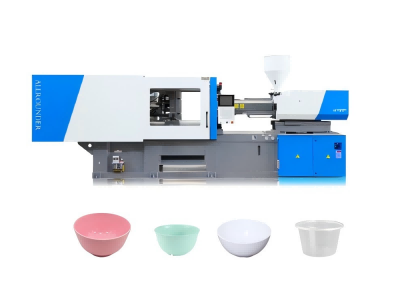
Parting surface and gate design
It should consider the selection of parting surface reducing the possibility of molding defects. It should also set along the symmetry plane as much as possible. Gate design is an important part of mold design. Its shape and position directly affect the filling effect of the melt and the quality of the final product. Common gate types include main runner, branch runner and gate ring, which need optimize according to the specific shape and size of the plastic bowl.
Position Selection of plastic bowl mold design
Preferably select the largest cross-section of the plastic bowl as the parting surface to ensure smooth demolding and simplify the mold structure.
For symmetrical products (such as round bowls), the parting surface should be located on the symmetry plane to reduce the blow-up ratio and the risk of flash.
If the bowl has a curved surface, the parting surface can be positioned along the curved surface to avoid the processing complications caused by step-parting.
Structural Optimization
Using a single parting surface simplifies the mold, reduces costs, and eliminates gate marks, making it suitable for plastic bowls with high aesthetic requirements.
A double parting surface (three-plate mold) is suitable for a center gate design, but the structure is complex and costly, so it should be carefully considered based on production needs.
Venting and Surface Quality
Venting grooves should be provided on the parting surface. For PE materials, a slight roughening treatment (such as sandblasting) can be used to facilitate venting; however, for materials such as ABS and PS, a smooth finish should be maintained.
Avoid the parting surface on the exterior surface to minimize the impact of the parting line on the appearance.
Position Selection
Center gates are preferred: Plastic bowls are axisymmetric, thin-walled parts. A center gate ensures symmetrical filling, avoiding weld marks and warping.
If there are structural limitations (such as side wall bosses), it can select side gates. But they must place at the thick wall of the bowl (such as the edge of the bowl bottom). To avoid sink marks and air holes caused by thin wall filling.
Plastic bowl mold design size and Quantity
Large plastic bowls (e.g., diameter > 300mm) require multiple gates to balance the flow path and reduce the risk of warpage.
Gate size should match the material: For materials with good flowability, such as PP, a smaller gate can be used; for high-viscosity materials, a larger gate size is required to reduce injection pressure.
Special Design Considerations
Avoid filling paths from thin walls to thick walls: If the gate must be located in a thin-walled area, add a flow leader to guide the melt to the thicker wall to reduce differential shrinkage.
Point gates may cause localized stress due to molecular orientation; increasing the wall thickness opposite the gate can mitigate the risk of cracking.
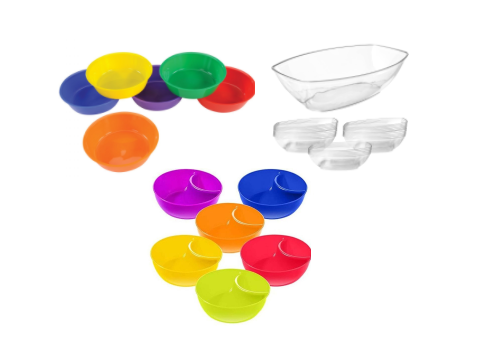
Mold manufacturing and quality control
High-precision equipment and technology, such as CNC machine tools and 3D scanners, are required in the mold manufacturing process to ensure the geometric accuracy and surface quality of the mold. At the same time, strict testing and debugging are required during the mold trial stage to ensure that the finished product meets the quality requirements.
Material Selection of plastic bowl mold design
Mold materials must have a high melting point, a low coefficient of thermal expansion (to prevent deformation), chemical resistance, and mechanical durability.
Material selection should be based on product precision requirements and the factory’s actual processing capabilities (such as heat treatment capabilities).
Standardized parts should be preferred to shorten cycle times.
Design Specifications
- Mold structural design directly affects injection pressure, temperature, cooling rate, and molding cycle time. Excellent design must balance customer needs, processing cost, and difficulty.
- Cooling channel layout requires a rational approach: In areas with uniform wall thickness, the distance between the channel and the cavity surface should be consistent, while thick-walled areas require increased cooling intensity.
- Multi-cavity molds can improve production efficiency, but ensuring balance between cavities is crucial.
Processing Precision Control
Part processing and mold assembly accuracy directly impact final product dimensions. High-precision equipment (such as CNC) and optimized processing methods are essential.
Process Parameter Monitoring
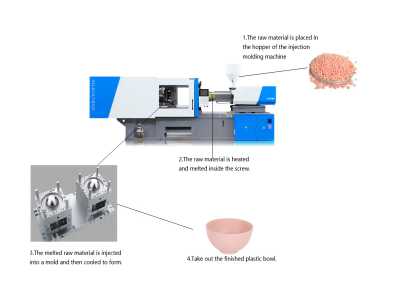
Injection molding requires real-time monitoring of temperature, pressure, and cycle time.
Melt temperature and residence time significantly impact product color and saturation.
Reducing variation in large-scale production through statistical process control (SPC) techniques.
Innovative design and functional optimization
Modern plastic bowl mold design not only pursues beautiful appearance, but also focuses on practicality and functionality. For example, it can enhance the user experience of the product by adding anti-slip texture, stacking design or nesting function. In addition, mold design can also combine automation technology such as robot-assisted assembly and intelligent control system to improve production efficiency.
Material Innovation
- Using biodegradable plastics (such as PLA and PHA) or recycled plastics reduces environmental footprint and aligns with sustainable development trends.
- Applying smart materials: Developing plastics that change color or shape in response to temperature or light to enhance product interactivity (e.g., indicating food temperature).
Innovative Structural Design
- Foldable/Nesting Design: Optimizes space utilization, perfect for travel and compact storage.
- Non-Slip Textured Surface: Microstructured molded surface enhances grip and safety, especially for children and elderly users.
- Multi-Function Integration: Combined with a reusable silicone lid, it extends food freshness and reduces plastic consumption.
Plastic bowl mold design is a comprehensive and technically demanding job. It requires not only a deep understanding of material properties and injection molding processes, but also a combination of modern design software and manufacturing technology to achieve efficient and high-quality production goals. By continuously optimizing mold structure and process parameters, the performance and market competitiveness of plastic bowls can be further improved.