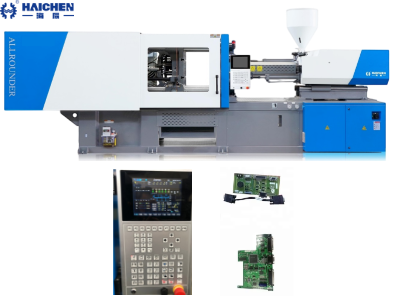
Like any other process, L/D Selection Guidelines are important for balancing injection molding effectiveness and precision during manufacturing.
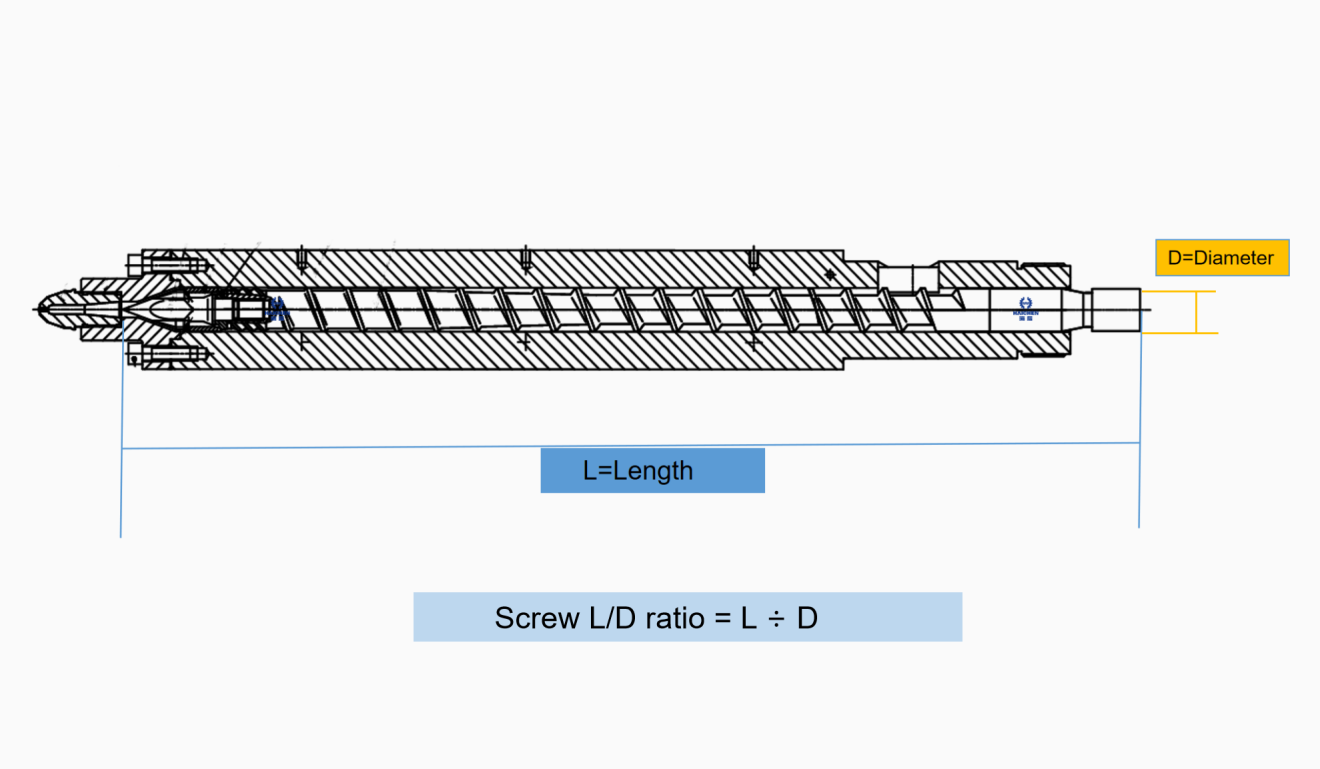
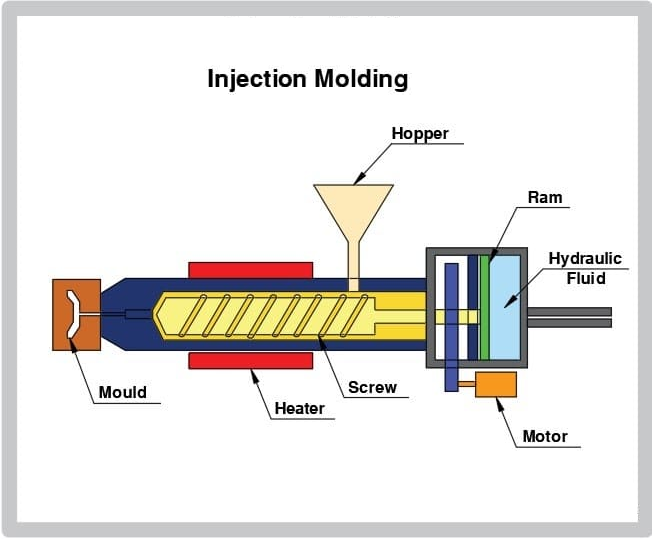
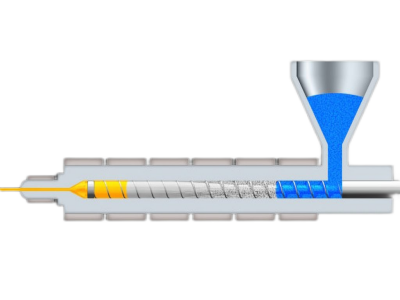
Choosing the optimal L/D (length-to-diameter) screw ratio in injection molding is crucial in attaining efficient and quality production. The L/D ratio dictates the way the heating, blending and feeding of the plastic to the mold cavity is done. This guide aims to identify key principles and considerations that will enable you to make a suitable choice for efficient injection molding operations.
Understanding the Basics of L/D Ratio
The L/D ratio is perhaps the most important feature discussed as it determines the efficiency of the injection molding machine. With an injection molding machine, it is generally accepted that higher L/D ratios are favorable for material mixing. However, an increase in L/D ratio translates to longer screw measurements, which increases machine costs, complicates the design, and increases cycle times.
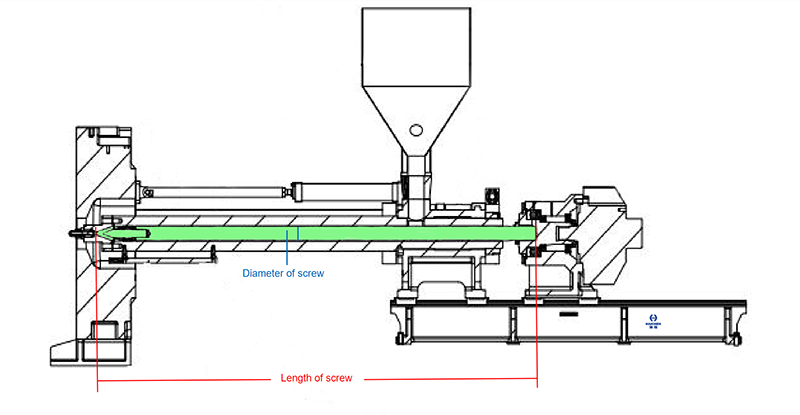
Reasons for Choosing a Specific L/D Ratio
- Material Characteristics
- Molding of Parts
- Achievement of Goals
- Properties of the Equipment
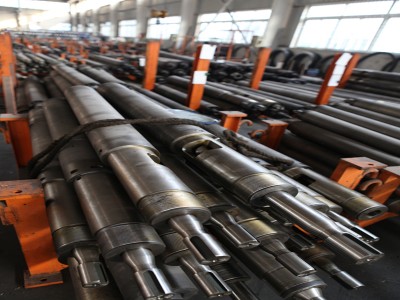
Material Characteristics
Different kinds of plastics have different melting points and viscosities. Materials that have a higher melting point require longer time and space for a proper melting and mixing. This brings us back to engineering plastics which are difficult to melt.
Molding of Parts
In terms of uniformity and detail, each section of a part has particular features which require more attention. The system needs to be introduced with a melt that is more qualitatively and quantitatively homogenous and has a higher quality L/D ratio. Furthermore, a higher L/D ratio enhances complete filling of the mold which minimizes the chances of short shot and/or warping defect.
Achievement of Goals
Each of the objectives like cycle time, cost, and expenses load differently, so they require a different approach for a more effective goal concerning production. It relaxes some of the limits and results in longer cycle time. When a good L/D ratio is maintained, the production processes are optimized which is the main goal.
Properties of the Equipment
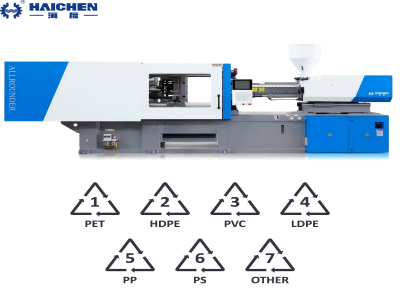
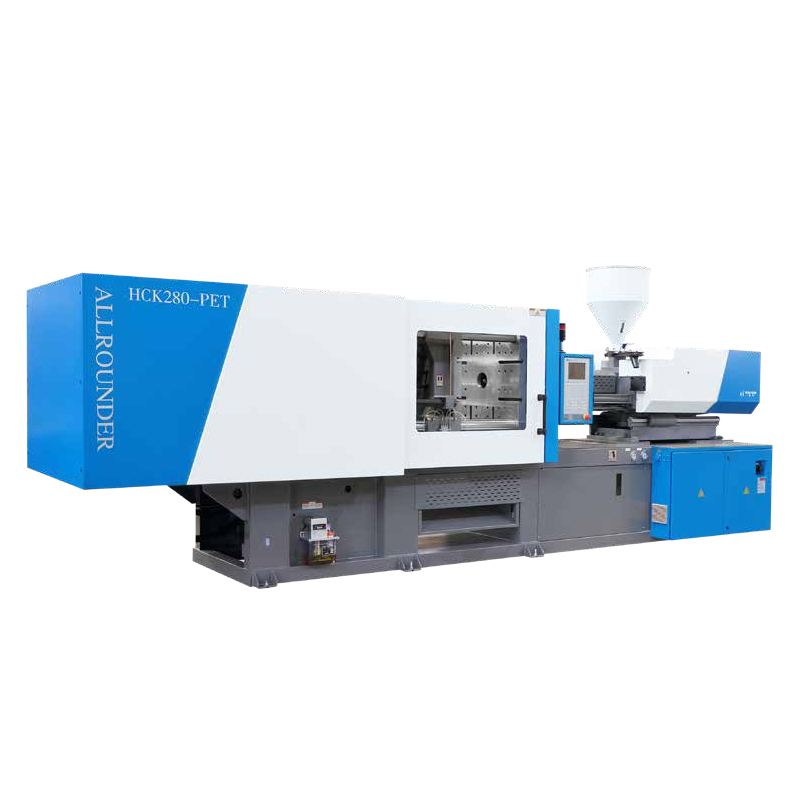
The other features of the injection molding machine are of great importance, design, and particularities. For example, HAICHEN has modern (advanced) injection molding machines which cover different L/D ratios tailored for all levels of production. There is an optimum L/D ratio that would match the other specifications of the machine to get better yield and efficiency output.
“Do’s” for Selecting the Most Suited L/D Ratio
- Consult with Experts
- Carry Out Trials
- Account For Anticipated Changes
Consult with Experts
It is best to talk with the manufacture’s professionals when setting the L/D ratio. HAICHEN, as a leading injection molding machine manufacturer, has extensive experience and technical expertise to guide you in choosing the right L/D ratio based on your specific requirements.
Carry Out Trials
Where possible undertake smaller trials with different L/D ratios to gauge the effects on melt quality, cycle time, and production efficiency. Such experiential practices can help streamline the decision making process.
Account For Anticipated Changes
Further examine your anticipated strategic changes in material selection or design. Opting for an L/D ratio that provides the least resistance to change is cost effective in terms of time and resources.
Illustration or Cited Works
Illustration 1: Automotive Parts Manufacturing
An automotive parts manufacturer pain-stakingly collaborated with HAICHEN in order to understand the impact of inconsistent material flow and part quality and was suffering from. Working together, they arrived at an L/D ratio of 22:1 which turned out to be the sweet spot for their highly viscous material. With astounding improvements to part quality, the client also enjoyed a 15% reduction in cycle time.
Illustration 2: Consumer Electronics
The consumer electronics conglomerate was looking to develop some small, complex components that demanded utmost precision. An L/D ratio of 20:1 turned out to be the sweet spot where cooling rates. And material flow met in perfect harmony. The result was astonishing, nearly perfect components with a drastic decrease in defects and a 20% boost in production efficiency.
Best Practices and Practical Considerations
- Ensuring Measuring and Verifying L/D Ratio: Documents and support are available from HAICHEN that help ensure customers accurately maintain their machines’ L/D ratio. Lucid guidance regarding the measurement and verification is always a possibility.
- Avoiding Pitfall Lies Errors: Not consulting materials specifications is a common blunder. Always endeavor to check the material specification and seek expert advice when in doubt. A general mistake is opting for an L/D ratio that is for the material, too high, which leads to shear and degradation.
- Validation and Testing: Validation and testing are best done in conjunction with the set procedure, tailored towards the optimal ratio. Optimizing customer setting is a capability that HAICHEN supports and offers resources for.
With each and every supported goal and setting, selecting the length-to-diameter ratio (L/D) is important for the efficient use of the injection motor. Thus selection guidelines become critical. Goals, complexity of the product and properties of the material result in a need to consider performance of the machine alongside the set goals.
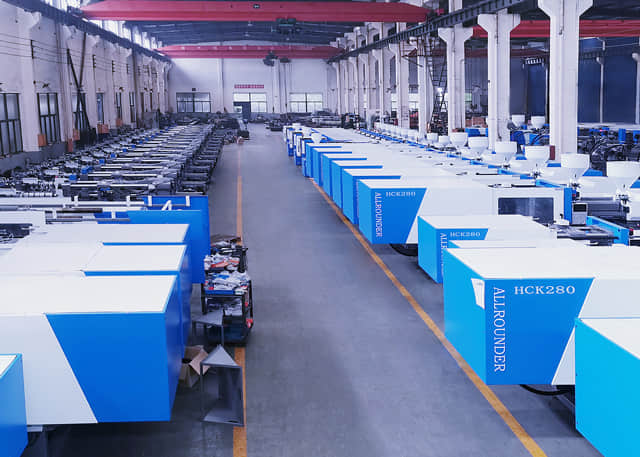
HAICHEN Injection Technologies’ injection molding experts guarantee the precision of ratio selection by providing sophisticated injection molding machines with a wide L/D Selection Guidelines of flexible applicability for diverse production requirements. Supported objectives become effortless with unrivaled creativity. Customer care is also provided post-sale ensuring you achieve desired outcomes in your projects.