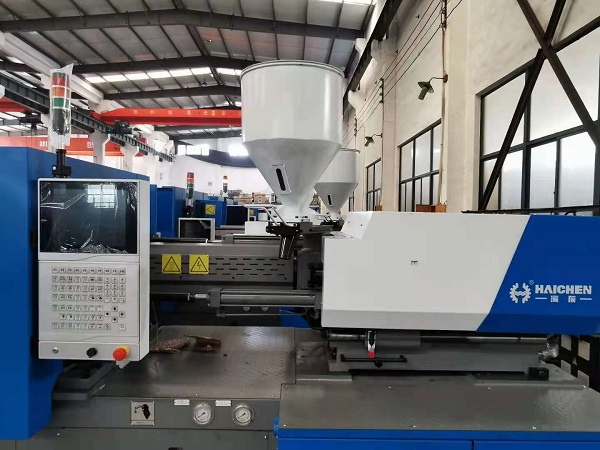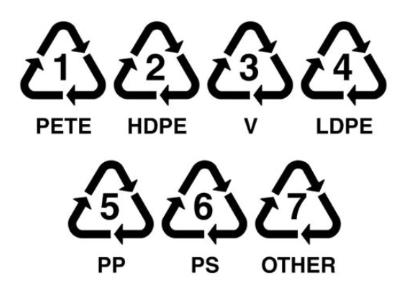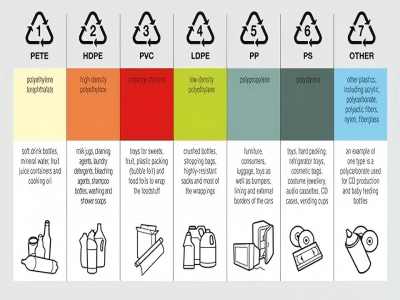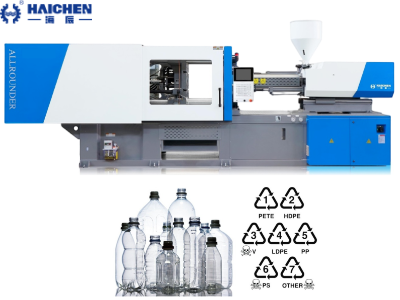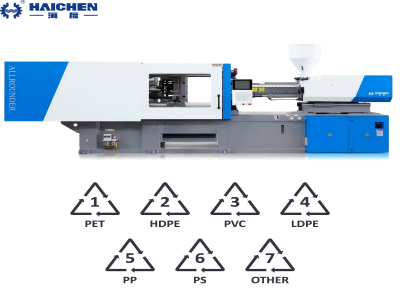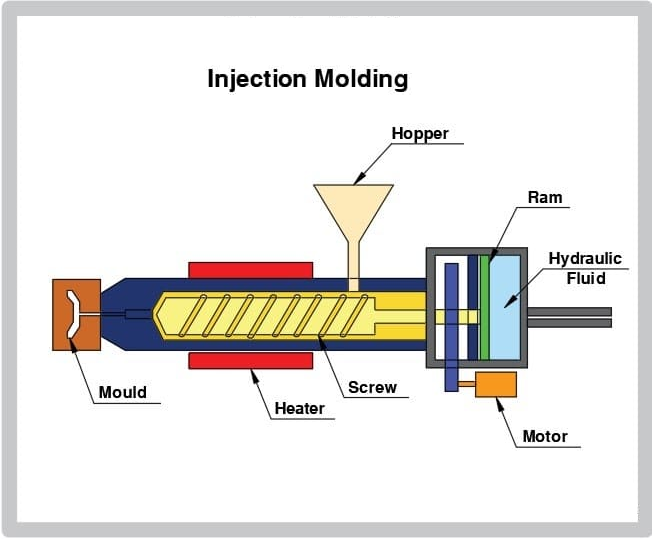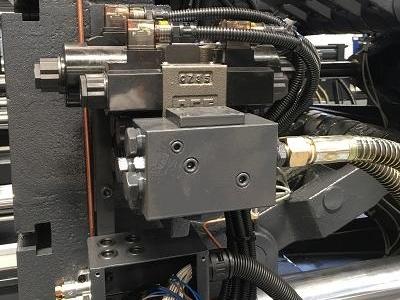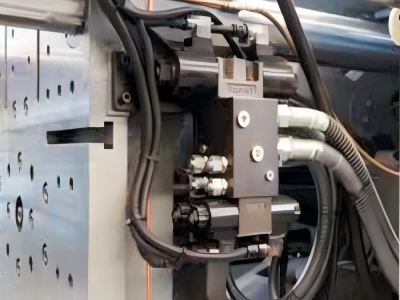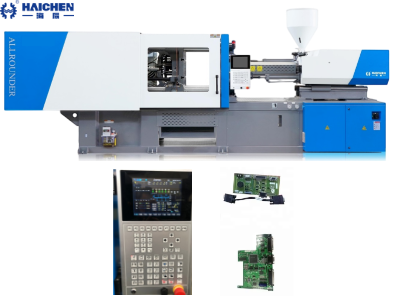
The Injection Molding plastic raw Materials particularly thermoplastic. There are hundreds of different types of thermoplastics.Thermoplastics are plastics that melt when heated, making injection moulding possible. Due to the diversity of thermoplastics, most plastic products used today are made from this material.
The popular Injection Molding plastic raw Materials mainly include polystyrene (PS), polyethylene (PE), polypropylene (PP), ABS resin, polycarbonate (PC), nylon (PA), polyetheretherketone (PEEK), and so on.
In actual production, the selection and effectiveness of raw materials for injection moulding machines have a significant impact on product quality. By selecting suitable raw materials, strictly controlling processing parameters, optimising mould design, and regularly maintaining injection moulding machines, it is possible to improve the service life of injection moulding machines and the quality of injection moulded products.
The most seven common injection moulding materials
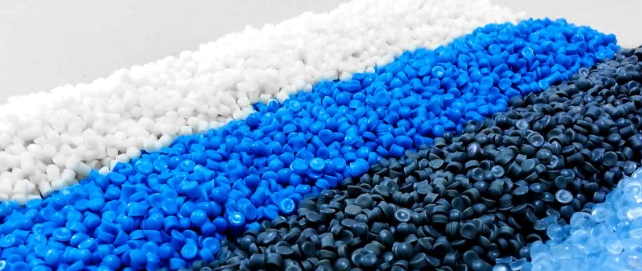
Their main introductions are as follows:
- Polystyrene (PS)
- Polyethylene (PE)
- Polypropylene (PP)
- ABS resin
- Polycarbonate (PC)
- Nylon (PA)
- Polyether ether ketone (PEEK)
Polystyrene (PS)
Polystyrene is a commonly used plastic material with good transparency and mechanical properties,.
Using widely in the manufacturing of packaging, toys, and electronic products.
Polyethylene (PE)
Polyethylene has become one of the most commonly used plastics due to its wide range of applications and low cost.
It has multiple types, including high-density polyethylene (HDPE), low-density polyethylene (LDPE), and linear low-density polyethylene (LLDPE).
Which are widely used in different application fields.
Polypropylene (PP)
Polypropylene is a lightweight, heat-resistant, and chemically resistant plastic commonly used in the manufacturing of household appliances, automotive components, and packaging materials.
ABS resin
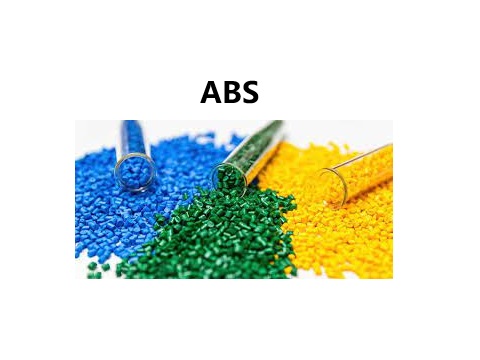
ABS (Acrylonitrile Butadiene Styrene) is a thermoplastic polymer with excellent comprehensive performance.
High strength, high impact resistance, and good processability, so it is widely used in manufacturing and construction industries.
Polycarbonate (PC)
Polycarbonate is a highly transparent, strong, and impact resistant plastic commonly used in the manufacturing of optical products, electronic device casings, and medical equipment.
Nylon (PA)
Nylon is known for its high strength, toughness, and excellent wear resistance.
And is commonly used in gears, bearings, and other mechanical components in the automotive and aerospace industries.
Polyether ether ketone (PEEK)
PEEK is a high-performance thermoplastic with excellent high temperature resistance, wear resistance, and chemical stability, suitable for high-temperature applications and fields requiring high strength.
These materials are very popular in injection molding due to their unique properties and wide range of applications.
PP plastic raw materials are used for injection molding product production
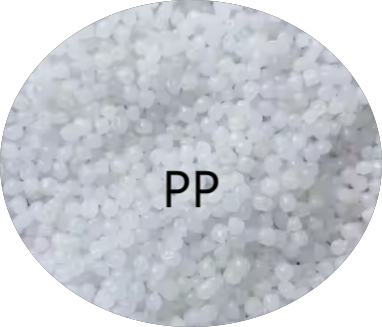
Polypropylene (PP) is a material widely used in injection molding. PP raw materials have various applications and characteristics in the production of injection molded products.
Polypropylene is particularly suitable for injection molding of large thin-walled products, such as straws and disposable plastic cups, due to its good fluidity and low melt viscosity.
In addition, PP injection molding is widely used in the automotive industry to manufacture components such as bumpers, instrument panels, door panels, and interiors.
Its lightweight characteristics help reduce vehicle weight.
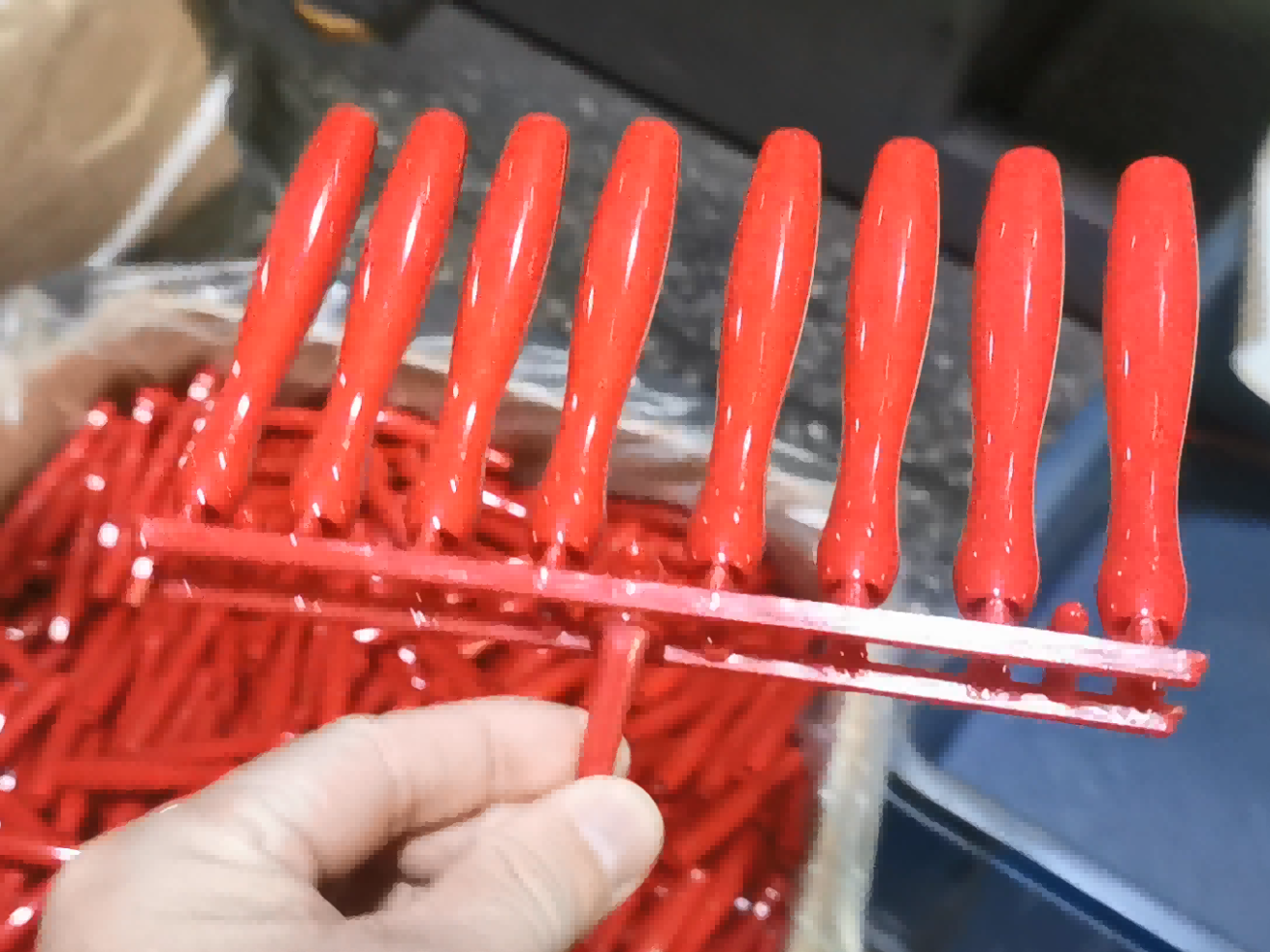
In the field of medical devices, PP is suitable for disposable syringes, laboratory equipment, and medical containers due to its chemical and bacterial resistance.
The PP injection molding process involves multiple steps, including suction, heating, injection, pressure holding, and mold release.
During the injection molding process, the material is heated to 180-200 ℃ in the barrel and pushed into the mold cavity through a screw for molding.
PP has a wide processing temperature range and is not easily decomposed, but attention should be paid to the possibility of releasing harmful aromatic hydrocarbons to the human body at temperatures above 100 ° C.
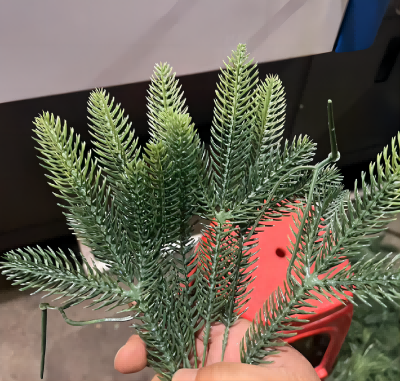
In addition, PP injection molding is also used in the production of small household appliances, toys, washing machines, automotive parts, and children’s tableware.
The molding shrinkage rate of PP material is about 1% to 2.5%, and the molding temperature is generally between 160-220 ℃, with good thermal stability.
What are the main products produced using PA material injection molding
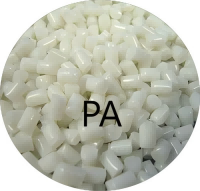
PA material (polyamide, also known as nylon) is an engineering plastic widely used in injection molding.
The main products produced by PA material injection molding include:
- Automotive parts
- Electronic and electrical components
- Home appliance parts
- Electric tool housing
- Mechanical parts
- Industrial valves and connectors
- Disposable products and packaging materials
- Medical devices
- Household appliance casing
- Other injection molded parts
Automotive parts
PA material is widely used in the manufacturing of automotive parts.
Such as gears, pulleys, bearings, impellers, bushings, etc., due to its excellent mechanical properties and wear resistance.
Electronic and electrical components
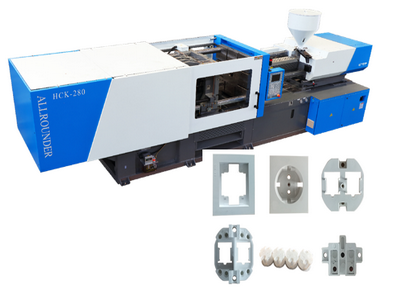
PA materials are also widely used in the electronic and electrical fields, such as plugs, sockets, switches, and connectors.
Home appliance parts
Modified PA materials are used to manufacture electrical parts for unattended appliances, such as PA66FR500 and PA66FR2400 from JuSailong.
Electric tool housing
Modified PA material is used to manufacture electric tool housings, such as cutting machines, electric saws, drills, etc.
Mechanical parts
PA material is used to manufacture various mechanical parts, such as rollers, roller shafts, impellers in pump bodies, fan blades, etc.
Industrial valves and connectors
PA material is used to manufacture industrial valves and railway insulation components due to its high strength and corrosion resistance.
Disposable products and packaging materials
PA materials are also used in the production of packaging and disposable products.
Medical devices
PA materials are used to manufacture some medical devices, such as syringes and inhalation drug devices.
Household appliance casing
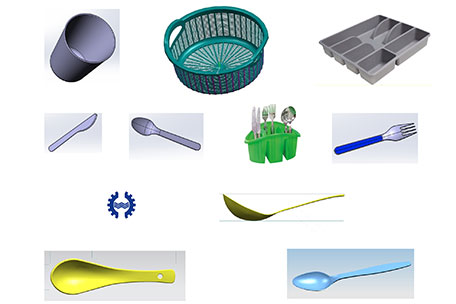
PA material is used to manufacture household appliance casings such as TV cabinets and electromagnetic switches.
Other injection molded parts
Including battery box, washing bowl, handcart basket, box/recycling box, bottle cap/cover, etc.
PA material is widely used in multiple fields due to its excellent comprehensive properties, such as mechanical properties, heat resistance, wear resistance, chemical resistance, and self-lubricating properties, making it an ideal material to replace metals.
How to configure injection molding machines based on different injection plastic raw materials
To configure an injection molding machine based on different injection molding plastic materials, multiple factors need to be considered comprehensively, including the characteristics of the plastic, mold design, injection molding process parameters, as well as performance parameters, and configuration of the injection molding machine.
The following are detailed steps and precautions:
- Injection unit
- Clamping unit
- Mold design
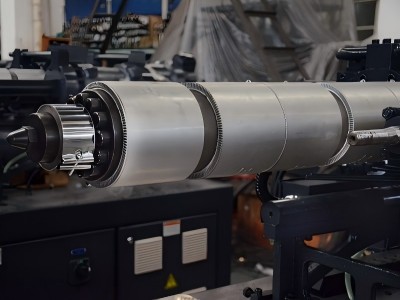
Injection unit
1.Different plastic raw materials have different physical and chemical properties.
Which can affect parameters such as temperature, pressure, and injection speed during the injection molding process.
For example, PP (polypropylene) and PC (polycarbonate) have different melting points and flowability.
So it is necessary to adjust the temperature and injection speed of the injection molding machine.
Select the appropriate injection molding machine model based on the size, weight, and precision requirements of the product.
For products that require high precision, servo injection molding machines can be chosen because they have higher control accuracy and stability.
Clamping unit
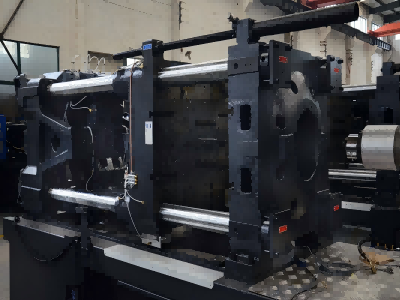
At the same time, determine whether the “column spacing”, “minimum mold thickness”, “maximum mold opening distance”, and “ejection height” of the machine are applicable based on the size of the mold and product size.
Locking force is a key parameter to ensure that the mold is not opened during the injection process.
Calculate the required clamping force based on the characteristics of the plastic and the size of the product.
And select an injection molding machine with sufficient clamping force.
The design of the injection system directly affects the filling and cooling process of plastics.
For example, high viscosity or heat-sensitive plastics require the use of smaller aspect ratio screws to avoid material degradation caused by excessive shear.
In addition, adjust the injection speed and pressure according to the melting characteristics of the plastic.
According to the characteristics of plastic raw materials, auxiliary equipment such as drying machines and mold temperature machines may be required.
For example, for plastic raw materials that are prone to moisture absorption, using a dryer can ensure the dryness of the raw materials, thereby improving product quality.
The process parameters of different plastic raw materials in the injection molding process vary.
For example, the injection temperature of the PPR casing is generally controlled at around 200 ℃.
While the injection temperature of the PPS casing needs to be controlled at around 300 ℃.
Through scientific injection molding practice and data analysis, optimize process parameters to achieve the best molding effect.
Mold design
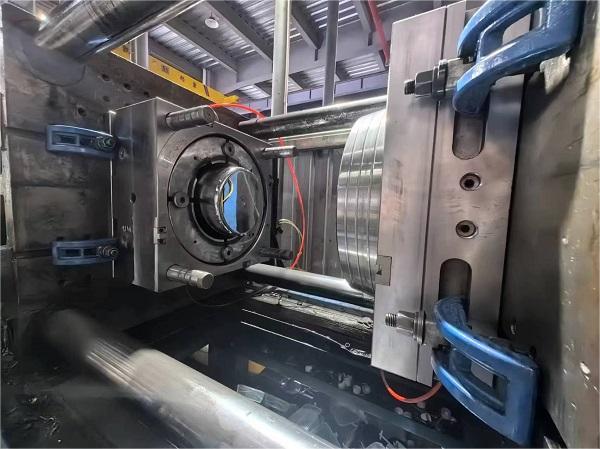
Mold design should consider factors such as the flowability and shrinkage rate of plastic raw materials.
The design of single or multi-point gates and cold or hot runners can affect the quality of molding and production efficiency.
In the actual operation process, continuously adjust the process parameters according to the specific situation in production.
For example, by observing the color and flowability of molten plastic, it can be determined whether the temperature or injection speed needs to be adjusted.
In short, configuring injection molding machines based on different injection molding plastic raw materials.
This is a systematic project that requires comprehensive consideration of the characteristics of the plastic, mold design, injection molding process parameters, as well as the performance parameters and configuration of the injection molding machine.
Only through scientific and rational configuration and optimization can the smooth progress of the injection molding process and stable product quality be ensured.
Different plastic raw materials for the selection of screw types of haichen injection molding machines

When choosing the screw type of Haichen injection molding machine, it is necessary to consider the characteristics of the plastic raw materials.
Some including parameters such as melting point, fluidity, shrinkage, etc.
These characteristics will affect the process and results of injection molding.
Different types of plastics have different requirements for screws, so it is necessary to choose the appropriate screw type according to the characteristics of the specific plastic.
- Non-crystalline plastics
- Crystalline plastics
- General plastics
- Special plastics
- Engineering plastics with high wear resistance requirements
Non-crystalline plastics
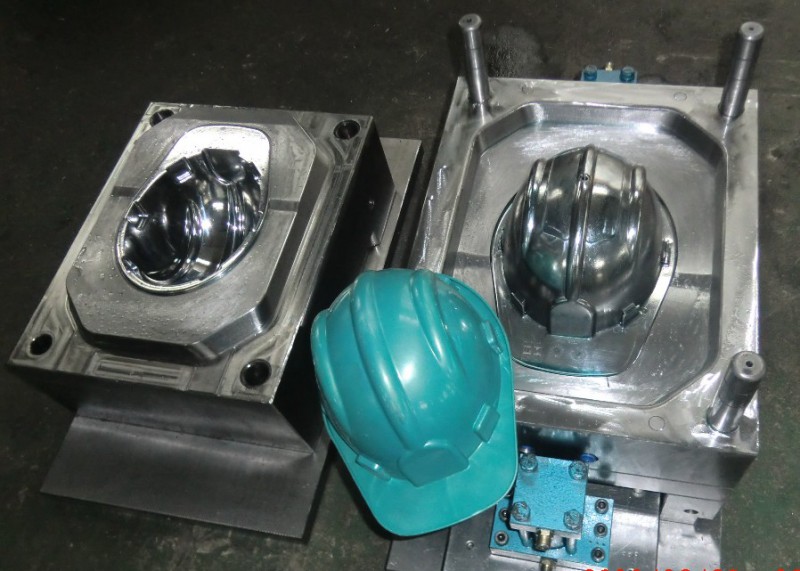
Such as PC (polycarbonate), PMMA (polymethyl methacrylate), etc., these plastics have no obvious melting point, the glass transition temperature is between 140℃-160℃, the melting temperature is between 215℃-225℃, and the molding temperature is between 230℃-320℃.
Because these plastics have high viscosity, narrow processing temperature range, and easy decomposition, overheating should be avoided when selecting screws, and they are sensitive to moisture, and the resin is easy to hydrolyze at high temperatures.
For this type of plastic, a barrier screw can be selected to increase the plasticizing effect.
Crystalline plastics
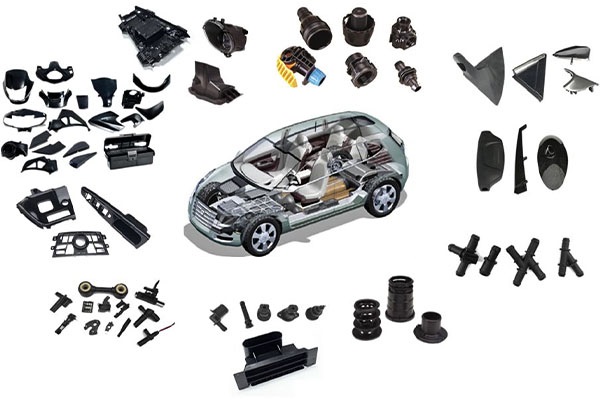
Like PA (polyamide), PET (polyethylene terephthalate), etc.,
These plastics have a high degree of crystallinity, and the pellets themselves are hard and tough.
If these pellets have not softened or partially melted when entering the compression section, they will get stuck after being squeezed.
Therefore, when designing the screw, the feeding section should be longer, the screw groove should be deeper.
The compression section should be shorter, the compression ratio should be larger, the screw surface roughness should be lower.
And the barrel heating power should be appropriately increased.
General plastics
Such as PE (polyethylene), PP (polypropylene), etc., these plastics have a wide melting temperature range and weak plasticizing ability.
Solid screws are suitable for most general plastics, with a simple design, mainly used for conveying and plasticizing plastics.
Special plastics
Such as PVC (polyvinyl chloride), PTFE (polytetrafluoroethylene), etc., these materials have more special requirements for screws.
For example, PVC screws should be careful to avoid overheating and shear sensitivity.
For sensitive thermoplastic materials, standard screws can be selected, which can basically meet production needs.
Engineering plastics with high wear resistance requirements
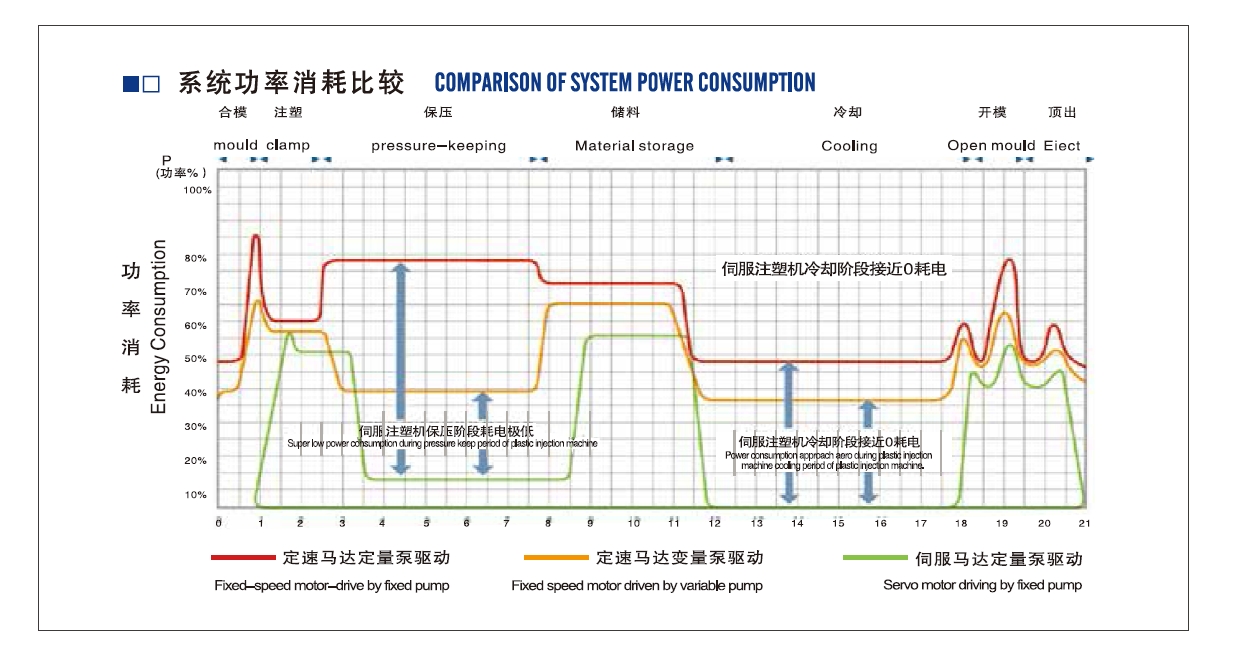
As PC materials reinforced with flame retardants or glass fibers, corrosion-resistant and wear-resistant high-quality alloy steel screws can be selected.
For some high-performance parts, high-performance high-plasticization HPS screws and ultra-high wear-resistant screw barrels can be used.
When selecting an injection molding screw, the characteristics of the plastic raw materials, processing conditions.
And the material and structural design of the screw must be comprehensively considered.
Through reasonable selection, the quality and production efficiency of injection-molded products can be improved.