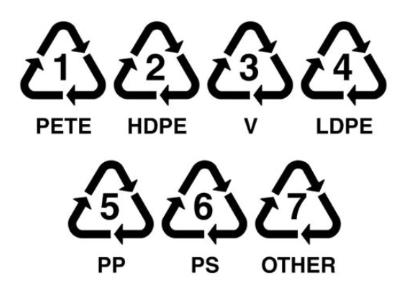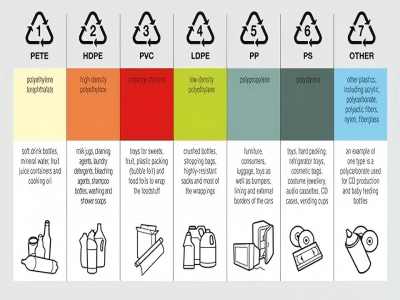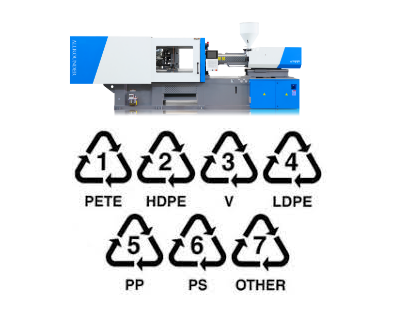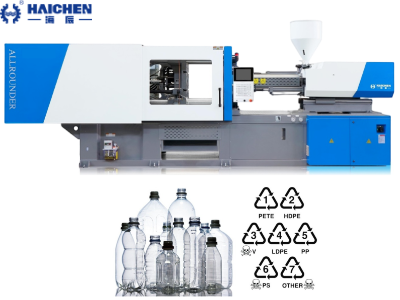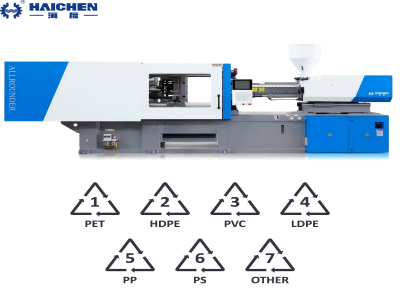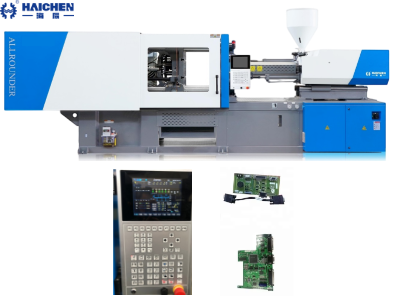
Common plastic raw materials list: PE, PP, PS, ABS, PVC, PA, PC, Haichen plastic injection molding machine
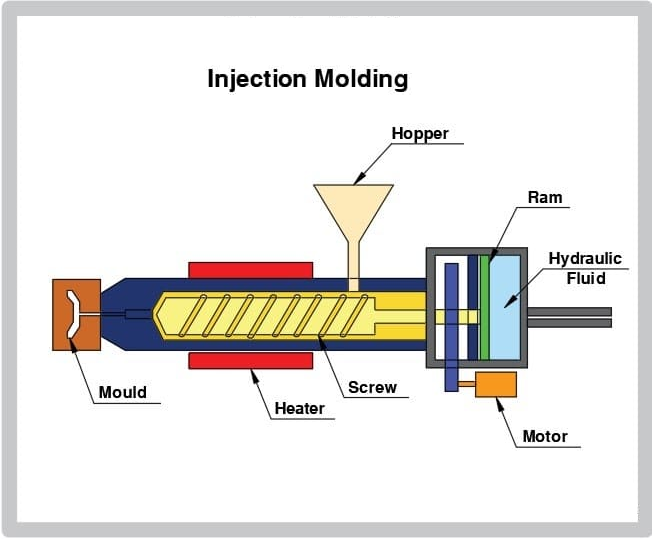
Injection molding is an efficient and precise plastics processing technology widely used in the manufacturing industry, which centers on the use of an injection molding machine to inject plastic materials in a molten state into a mold, which are cooled and solidified to form the desired plastic product. When selecting plastic materials for injection molding, a variety of factors need to be considered, including the material’s mechanical properties, aesthetics, durability, and functionality. The following is the common raw material for injection molding:
Most common plastic raw materials:
PE of common plastic raw materials
Polyethylene (PE) is a lightweight thermoplastic molding material that has high chemical resistance, elasticity, and electrical insulating properties. It’s not especially strong or hard, but it’s inexpensive. You’ll find it everywhere consumer plastic parts, milk bottles, medicine and detergent bottles, plastic bags, and trash cans. PE is also the most common injection molding resin for making toys because it’s non-toxic and can take a beating without complaint.
PP of plastic raw materials
Polypropylene (PP) is a lightweight, hard, crystalline thermoplastic polymerized from the monomer propylene. It has many excellent properties, such as chemical resistance, heat resistance, electrical insulation, etc. It is also one of the lightest polymers among all commercial plastics. Mainly used in small household appliances, daily necessities, toys, washing machines, cars, and turnover boxes.
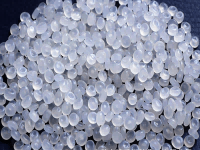
PS of most common plastic raw materials:
Polystyrene (PS) is a styrene resin polymerized from styrene. PS has high transparency, good processing fluidity, easy molding and processing, good chemical corrosion resistance, can resist the erosion of various chemical substances, has low water absorption, and can still maintain its mechanical properties and dimensional stability in humid environments. Mainly used in electronic appliances, packaging materials, daily necessities and toys, etc.
ABS:
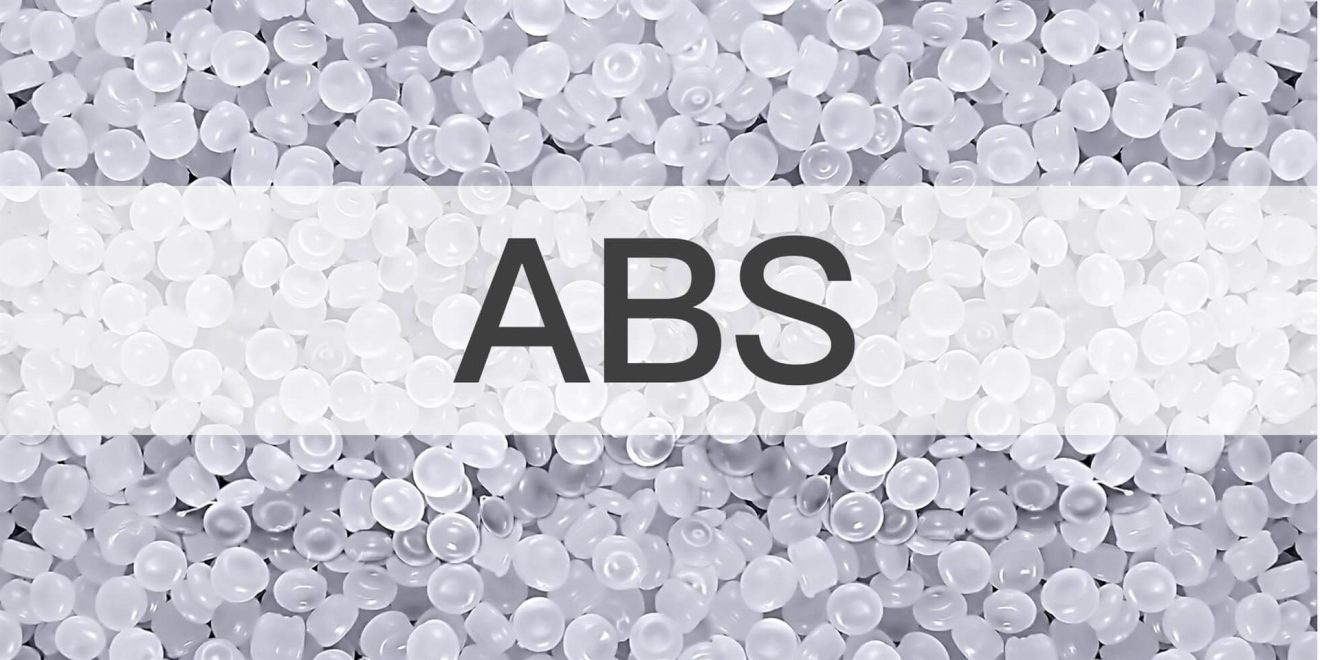
ABS is a thermoplastic known for its high-impact strength, durability, and dimensional stability. There are many advantages to using ABS. It’s tough, has good dimensional stability, it resists impacts and scratching and is hard to break. Also, the low melting temperature makes it easy to mold. It’s commonly used to produce electronic parts such as phone adaptors, keyboard keys, and wall socket plastic guards. Why is this? Because ABS is a good insulator and won’t conduct electricity or give off fumes if it’s exposed to fire. These are important considerations for product developers working on electrical devices.
PVC:
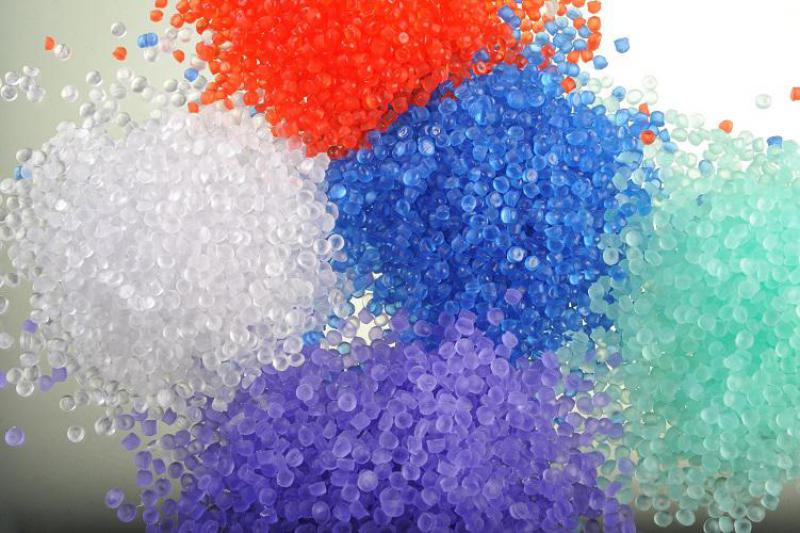
PVC, or polyvinyl chloride, is a widely used thermoplastic polymer. It is produced by polymerization of vinyl chloride monomers and has good physical and chemical properties.PVC has a wide range of applications in construction, plumbing, medical equipment, wire and cable insulation, and other fields.
PVC can be categorized into two types: rigid and soft. Rigid PVC is commonly used for plumbing and building frames, while soft PVC is used to make floor coverings and other flexible products. In addition, PVC can be modified by adding different additives such as plasticizers, stabilizers, and dyes.
Nylon (PA):
Nylon is a polyamide that is the material of choice for injection molding applications because of its strength, toughness and chemical resistance. It is commonly used in automotive parts, electrical connectors and consumer products.
PC of most common plastic raw materials:
PC plastic has a high degree of transparency, excellent impact strength, good toughness, hardness and electrical insulation. Its transparency is extremely high, with a visible light transmission rate of more than 90%. PC plastics are mainly used in the automotive industry, electrical and electronics, building materials, healthcare and packaging.
The above is the injection molding of several common plastic raw materials, different plastics used in different areas, the specific use of what plastic depends on the nature of the product.
Haichen plastic injection molding machine
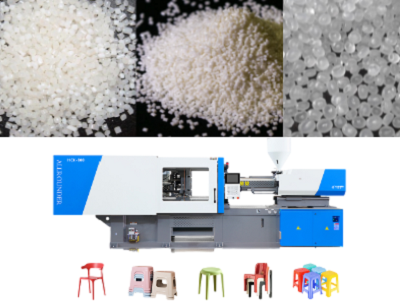
Haichen Machinery was founded in 2005, it’s located in Ningbo, Zhejiang, China. It mainly produces highly precise injection molding machines (E and K series )with clamping force range from 50t to 3000t.
If you have any questions about how to choose plastic raw materials, or how to select machines and molds, feel free to visit our website for more information or consult us, we will give professional advice: www.haichen-machine.com