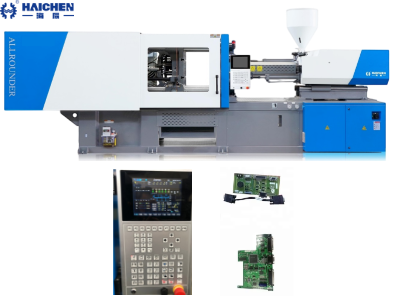
Purpose of injection molding is to produce plastic products with complex shapes, precise dimensions and excellent quality through efficient and precise production methods.
Using a variety of plastic materials to meet the needs of different industries and markets.
The purpose of injection molding can be specifically summarized as follows:
- Production efficiency and cost-effectiveness
- Shape complexity and dimensional accuracy
- Material adaptability
- Quality control
- Environmentally friendly
- Technological innovation and product development
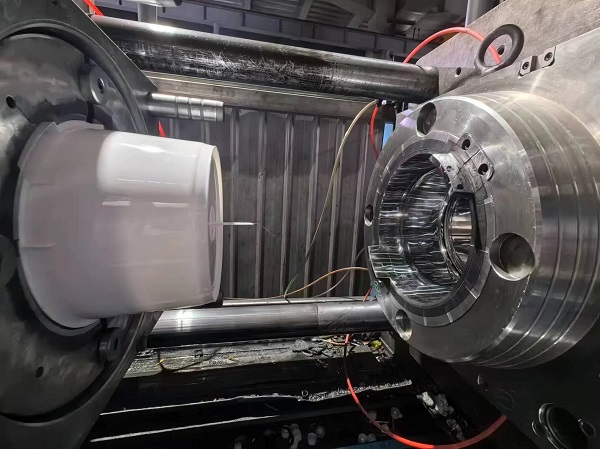
Production efficiency and cost-effectiveness
Injection molding is an efficient production method that can quickly produce a large number of identical or similar plastic products, suitable for large-scale production, thereby reducing the production cost per unit product.
High Automation and Fast Cycle Time
The injection molding process can be fully automated, enabling short-cycle continuous production through precise control of injection speed, pressure, and cooling time. For example, after optimizing parameters, a single machine can produce thousands of parts per hour.
Multi-cavity mold designs (such as a single mold with multiple cavities) significantly increase output per unit time and reduce the time it takes to produce a single part.
Efficient Materials and Processes
- High-pressure injection ensures sufficient material filling, reduces scrap rates (typically less than 5%), and significantly improves material utilization compared to traditional processes.
- Integrating advanced technologies (such as gas-assisted molding) shortens cooling time, further compressing production cycles.
Stability for Large-Scale Production
- Mold lifespans extend from hundreds of thousands to millions of cycles, supporting long-term, stable mass production and avoiding production downtimes caused by frequent mold changes.
- Automated production lines reduce manual intervention and ensure 24-hour continuous operation.
Shape complexity and dimensional accuracy
Injection molding can produce plastic products with complex shapes and precise dimensions. This is because the mold can design into a variety of complex shapes. In addtion, the plastic melt maintains these shapes during the cooling and solidification process.
Efficient Production of Complex Geometric Structures
- Injection molding can precisely replicate the geometric details of the mold cavity, enabling the creation of complex three-dimensional structures (such as thin walls, curved surfaces, and internal cavities) that are difficult to achieve with traditional machining. This is due to the high mold-filling capacity of the molten plastic under high pressure.
- This process enables “precise forming of complex geometries,” making it the preferred method for producing highly complex plastic parts. It further emphasizes its ability to efficiently produce parts with “extremely complex geometries.”
Meeting Strict Tolerance Requirements
The opening statement states that this process is “typically used to produce parts with stringent dimensional tolerances.” It explains that precision tooling combined with process management ensures parts remain within “strict tolerances.” Specifically, it states that current plastic part dimensional accuracy must reach IT6-7 (corresponding to tolerances of ±0.05–0.1mm).
Ensuring Product Functionality and Assembly Reliability
Dimensional deviations can lead to assembly failures (such as sealing issues) and optical performance degradation (such as lens barrel misalignment). The article emphasizes that the hallmarks of precision injection molding are “high workpiece dimensional accuracy and tight tolerances,” which directly impact product functionality.
Controlling Shrinkage and Deformation to Achieve Precision
Material shrinkage is a core challenge in precision control.
It points out that mold design must accurately compensate for plastic shrinkage (anisotropic shrinkage requires special considerations).
The article then systematically analyzes the mechanisms by which material selection (such as the influence of crystallinity) and process parameters (holding pressure/time) influence shrinkage.
Supporting Innovative Design and Functional Integration
The realization of complex shapes is particularly critical in fields such as aerospace and optical equipment (such as lens barrels), meeting design requirements for multifunctional integration and lightweighting.
It is mentioned that narrow-tolerance molds make the production of complex parts possible.
Material adaptability
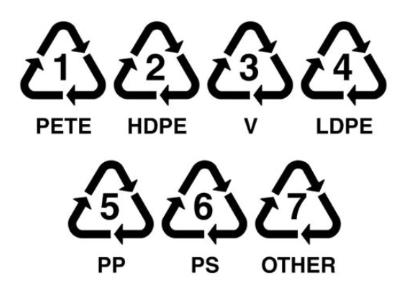
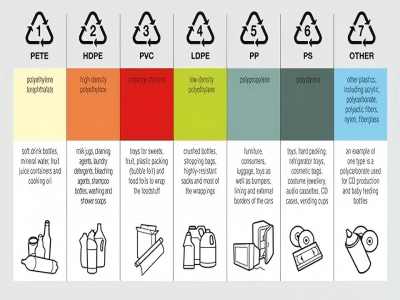
Injection molding is suitable for many types of plastic materials, including thermoplastics and thermosetting plastics.
Moreover, this makes injection molding a very flexible manufacturing technology that can meet the needs of different products and applications.
Meeting Diverse Functional Needs
Material adaptability allows for the selection of the most appropriate material based on the product’s specific application (such as medical, electronics, and automotive), thereby optimizing key performance.
Reduced conversion costs
The same mold and equipment can be adapted to different materials, reducing downtime and costs associated with mold changes.
Support for complex designs
High-flow materials can fill delicate mold structures, enabling precise molding of micro-components (such as optical lenses) or complex geometries.
Reduce defects
Adjusting process parameters (temperature, pressure) based on material properties (such as viscosity and shrinkage) can prevent defects such as warping and flash.
Reduce material waste
Adaptability allows the use of recycled materials or bio-based plastics (such as PLA), balancing environmental impact and cost.
Improve yield
Designing mold cooling systems based on material thermal stability ensures efficient molding and shortens cycle times.
Quality control
By optimizing the injection molding process parameters, such as injection speed, holding pressure, mold temperature, etc. The quality of the product can effectively controll. Both and warping, shrinkage, and other defects can reduce. Thereby improving the overall quality of the product.
Dimensional and functional conformance
Verify that components meet design tolerances and assembly requirements (e.g., to avoid deformation or assembly failure) through dimensional measurement, functional testing, and visual inspection.
Material and Appearance Standards
Raw materials must be tested for purity, moisture content, and consistency to prevent product defects (such as flow marks and burns) caused by material variation.
Reduce Waste and Cost
- Strict QC reduces scrap, avoids rework, and reduces material waste, thereby lowering production costs.
- Statistical Process Control (SPC) uses data analysis to predict potential problems and adjust production lines in real time.
Environmentally friendly
The materials used in the injection molding process can recycle and reuse. Reducing the demand for raw materials and the generation of waste, which meets the requirements of sustainable development.
Reduce material waste and promote recycling
The injection molding process is designed as a low-waste manufacturing method, generating less waste materials (such as gates and runners), and excess plastic can be recycled and reused, thereby reducing landfill waste and resource consumption.
Improved Energy Efficiency and Reduced Carbon Footprint
Modern injection molding machines are highly energy-efficient, consuming significantly less energy than traditional manufacturing processes. This directly reduces greenhouse gas emissions and carbon footprint.
Technological innovation and product development
With the development of injection molding technology, such as ultra-high-speed injection molding and CAE-based process parameter optimization, not only the production efficiency and product quality are improved, but also the development of new materials and new products is promoted.
Materials Science Breakthroughs
Reducing environmental impact and improving product performance through the development of sustainable materials (e.g., bioplastics, recycled plastics) and advanced polymers (e.g., PEEK, carbon fiber composites).
Mold Design Innovation
Advanced mold materials (such as aluminum alloys replacing steel) combined with conformal cooling channel design significantly improve cooling efficiency and product consistency.
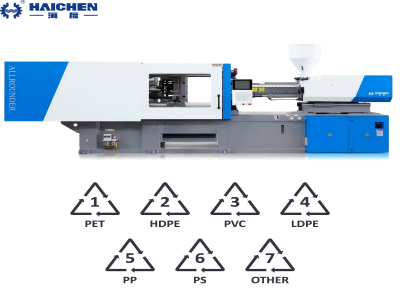
Haichen injection molding machine
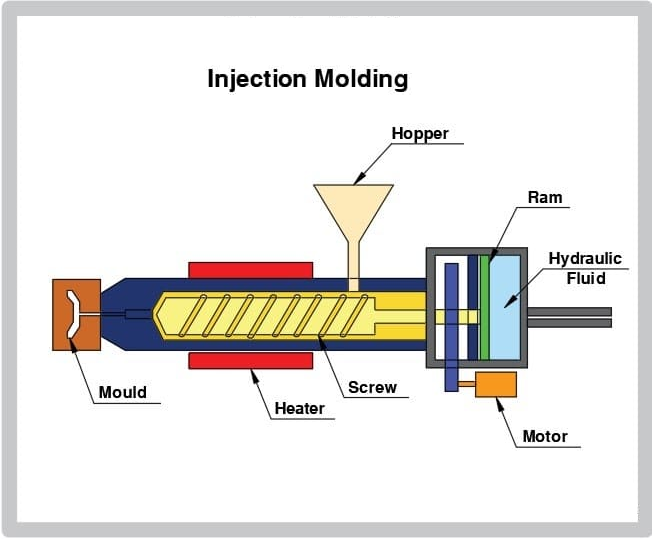
The purpose of injection molding is mainly to produce plastic products with complex shapes and precise dimensions, suitable for mass production. This process involves injecting plastic materials heated to a molten state into a mold cavity under high pressure, and then cooling and solidifying to form the final product. The application range of Haichen injection molding technology is wide, including but not limited to home appliances, automobiles, electronic products, medical equipment and other fields.
Haichen as one of the injection molding machine manufacturers with more than 10years injection molding experience. Haichen will supply the best plastic injection molding solution to our customers.