Injection molding machine screw and heaters including function of the screw, function of the heaters and synergy.
The screw and heater of the injection molding machine are its core components, which are responsible for the melting and temperature control of the plastic respectively.
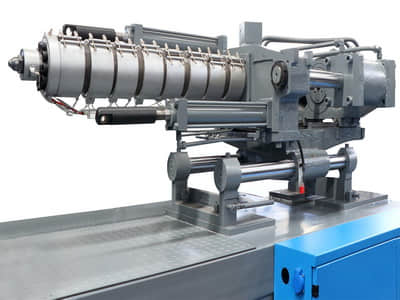
Main components of iniection molding machine
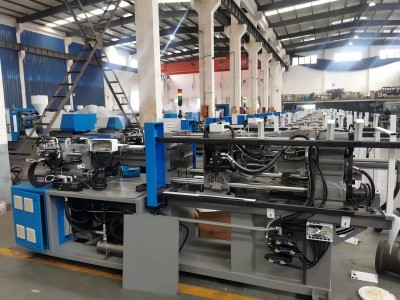
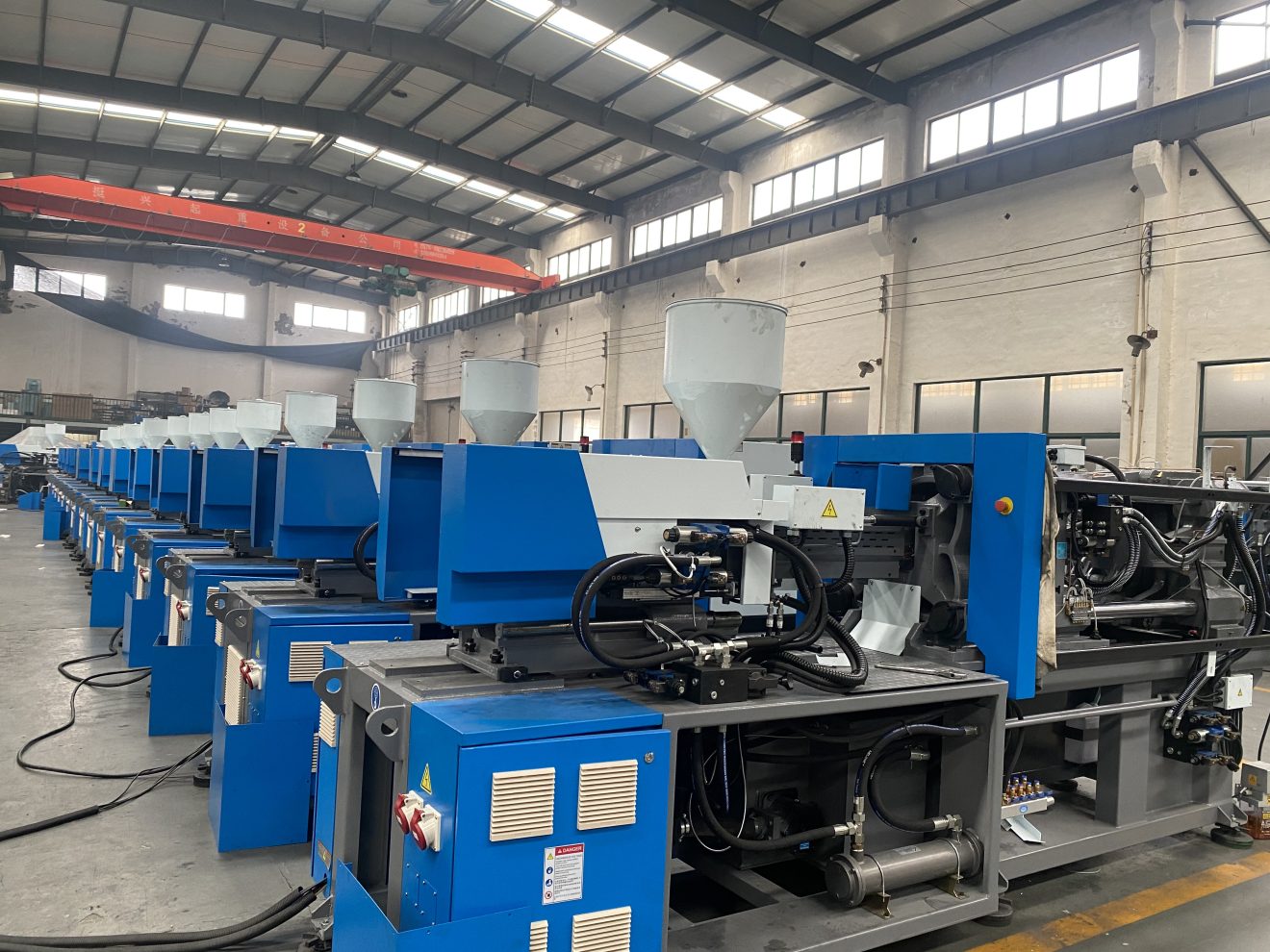
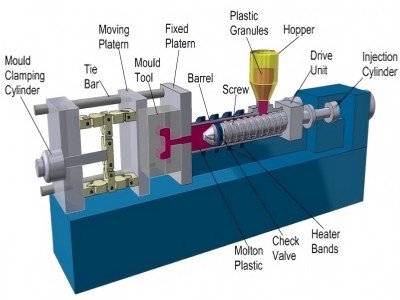
The main components of the injection molding machine include the injection system, the clamping system and the control system.
Injection system
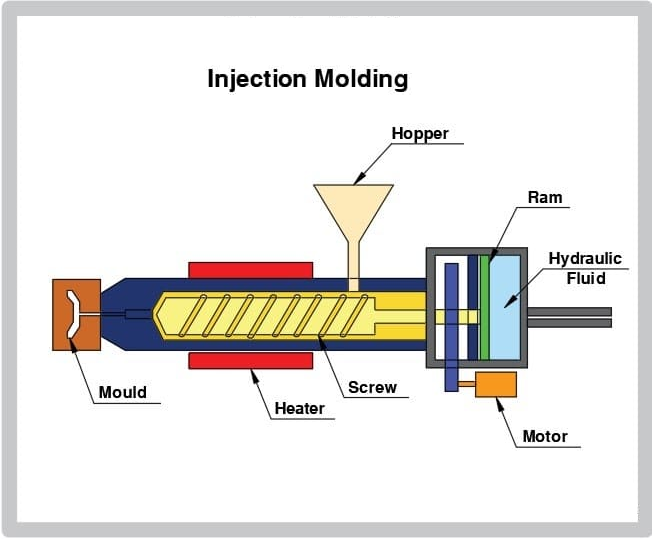
This is the core part of the plastic iniection machine parts, responsible for heating and melting the plastic and injecting it into the mold cavity.
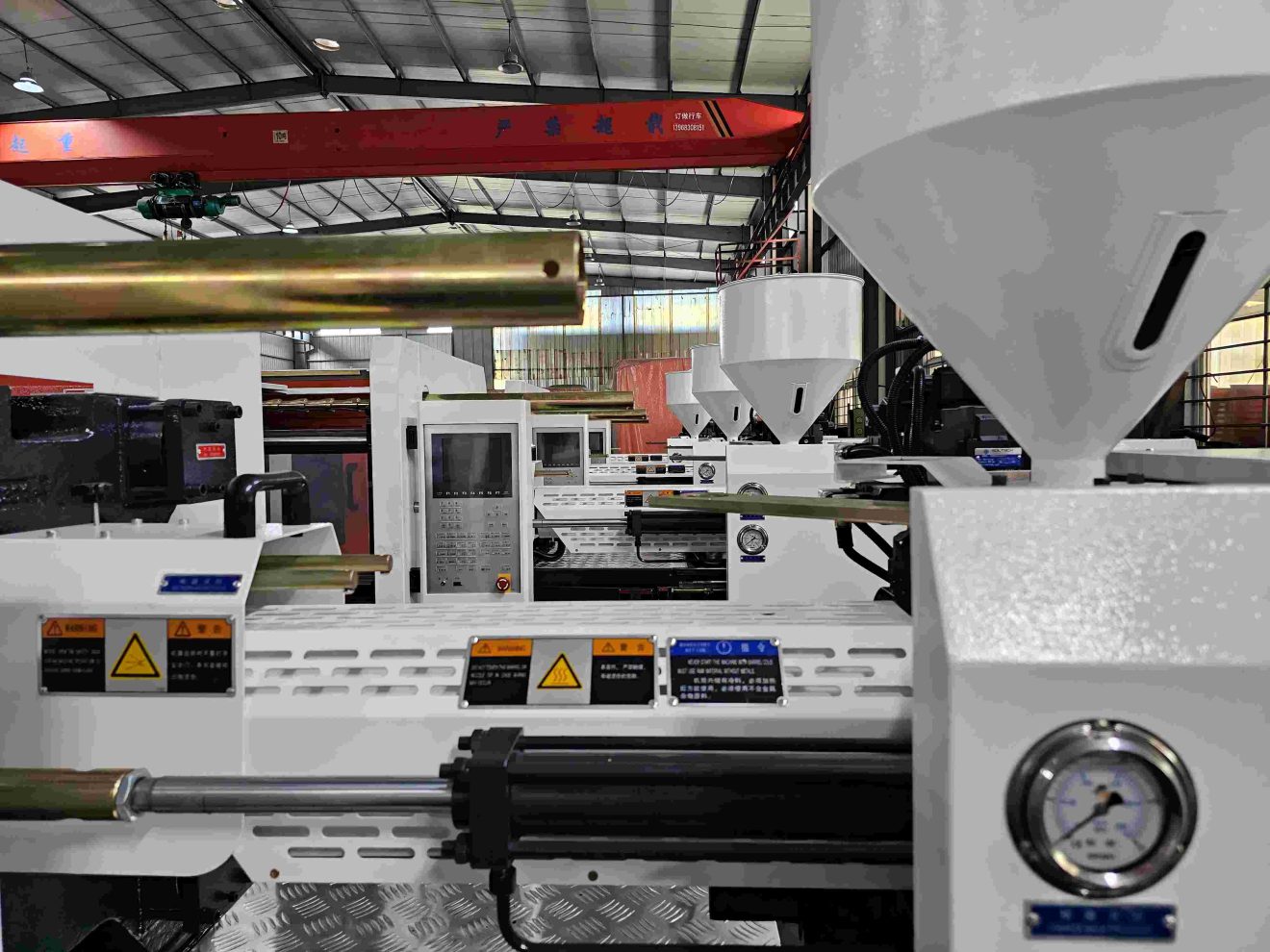
The injection system usually consists of a hopper, a barrel, a screw or a plunger, a heating element, a nozzle, a drive mechanism, and an injection seat.
Clamping system
It is used to ensure that the mold remains closed during the injection process and opens the mold to remove the finished product after cooling.
The clamping system includes a fixed template, a movable template, a guide mechanism, a support rod, etc.
Control system
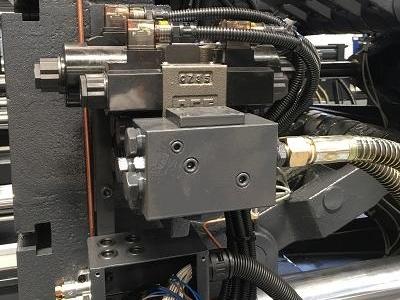
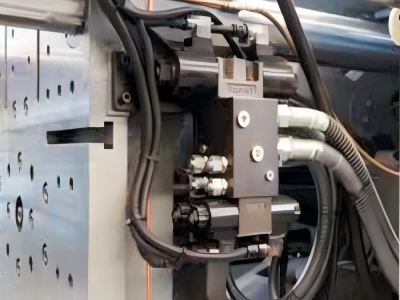
- It is responsible for managing various operations during the injection molding process, including injection speed, pressure, temperature, and cooling time.
- The control system can be hydraulic or electric, with precise control and reliability.
These main iniection molding machine components work together to ensure the efficiency of the injection molding process and product quality.
Function of the screw
The screw is located inside the heating barrel of the injection molding machine and transports plastic particles from the hopper to the mold by rotation.
Three sections
The design of the screw usually divides into three parts: the feeding section, the compression section and the metering section.
- In the feeding section, the screw pushes and compresses the plastic particles forward, gradually heating them up.
- In the compression section, the screw further compresses the plastic to make it molten.
- In the metering section, the screw keeps the plastic in a molten state and delivers the molten plastic to the nozzle through the screw’s backward movement.
Screw rotation
The screw’s rotation speed, thrust, and screw length/diameter ratio (L/D ratio) are key parameters that affect the melt quality and injection pressure.
The screw design also takes shear heat into account. To ensure that the plastic is evenly heated during the melting process. Therefore to avoid local overheating or unmelted plastic.
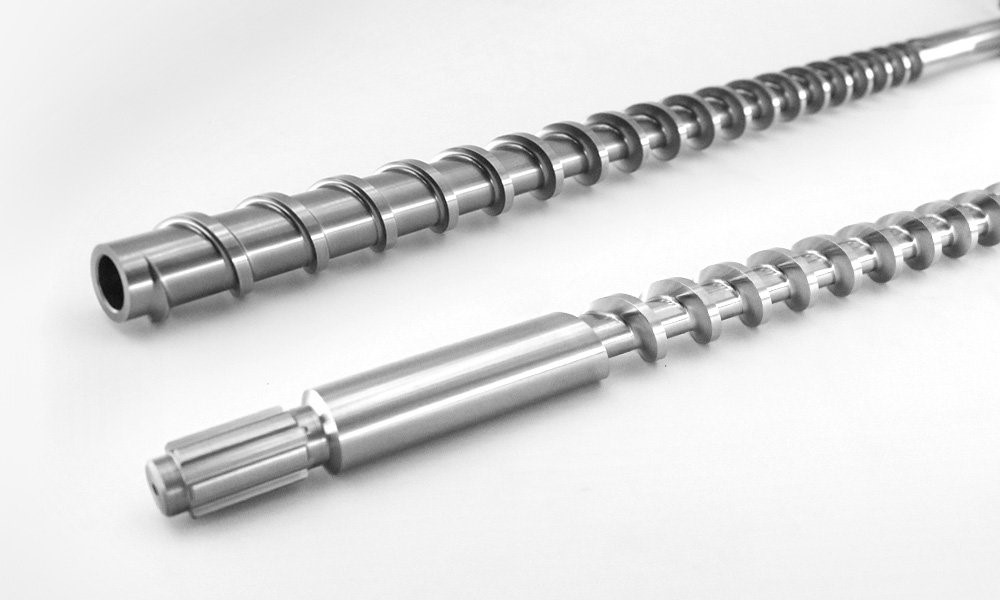
Advantage of iniection molding screw
Improve melt quality and uniformity
Injection molding screws can improve the melting process through shear force and optimized barrier flight, thereby improving the mixing consistency of materials and ultimately producing high-quality products.
Efficient control of injection volume
The screw pre-plasticization system can maintain constant melt quality at high pressure and speed and accurately control the injection volume, which is especially important for transparent, thin-walled products and high production rates.
Flexible use of multiple materials
Certain screw designs (such as HPS screws) can adapt to multiple material types while reducing scrap and extending service life.
Improve production efficiency
Shear improvements and barrier functions in screw design can optimize melt flow, mixing and homogenization processes, thereby improving production efficiency.
Reduce defects and improve yield
By optimizing screw design, inconsistencies and defects can be reduced, thereby improving yield.
Infrared heating
The infrared heater in the injection molding machine is an efficient and energy-saving heating method.
Main function
It mainly transfers heat through infrared radiation, and has the advantages of fast and uniform heating, reduced heat loss and improved temperature control accuracy.
For example, the infrared heater can directly heat the mold or barrel, thereby achieving fast and uniform temperature distribution, significantly improving production efficiency and product quality.
Application
The application of infrared heaters in injection molding machines includes mold heating, barrel heating, and auxiliary heating.
For example, nano-infrared heaters can quickly heat molds and barrels by efficiently concentrating infrared radiation, while reducing energy consumption and improving temperature uniformity.
In addition, infrared heaters are also used to improve surface texture and molecular orientation during injection molding. Thereby improving product quality.
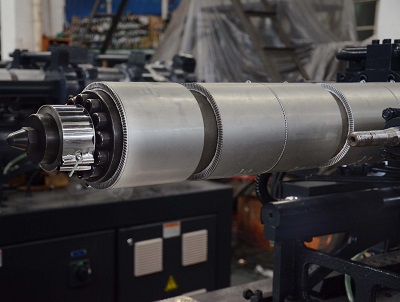
Function of the heaters
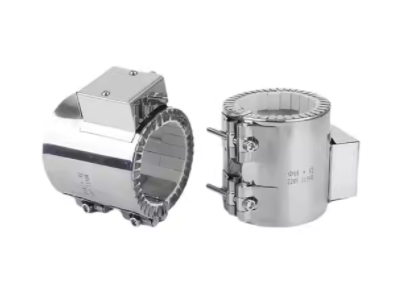
The main function of the heater is to provide the necessary heat for plastic melting. The heater is usually installed on the outer surface of the heating cylinder to heat the cylinder by conduction or radiation.
Divide types
Heaters can be divided into several types, including strip heaters, spiral heaters, strip heaters, and insulated heating jackets. Among them, strip heaters are the most common type and can evenly heat the barrel.
Affect on injection molding process
The power and number of heaters directly affect the energy consumption and efficiency of the injection molding process. Studies have shown that the number of heaters has a significant impact on power usage.
In some cases, heaters can also use for mold heating. Thus to ensure that the mold temperature is suitable, thereby improving molding quality and surface finish.
The synergy of screw and heaters
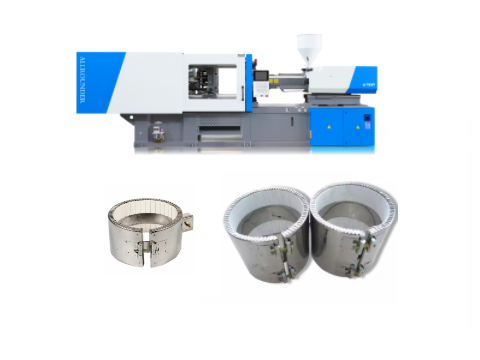
The synergy of screw and heater is the key to the injection molding process. The screw pushes and compresses the plastic particles forward by rotating, gradually heating them up; while the heater provides the necessary heat to ensure that the plastic reaches a proper melting state before entering the mold.
During the rotation of the screw, the plastic particles sheare and rub in the barrel, further promoting their melting. At the same time, the heater supplements heat by conduction or radiation to ensure that the plastic maintains a uniform temperature throughout the melting process.
Advantages of injection molding heater
Increase mold temperature and improve product quality
Injection molding heaters can significantly increase mold surface temperature, thereby reducing freezing caused by low temperatures during molding.
For example, by heating the mold, the flow path of the polymer in the cavity can be extended, improving feature replication accuracy and surface transfer effects, while reducing molecular orientation and residual stress, making the composite surface smoother and the weld stronger.
In addition, rapid heating and cooling technology (RTC) can further optimize mold temperature control, thereby improving the quality of molded parts.
Shorten molding cycle time
Traditional variable temperature molding methods require a long time to heat and cool the mold, while modern heating technologies such as induction heating can achieve rapid heating and cooling, thereby significantly shortening the molding cycle.
For example, induction heating can increase the mold surface temperature from 60°C to 100°C or even higher in a short period of time. This rapid heating capability not only improves production efficiency, but also reduces energy consumption.
Improve surface quality
High-temperature molds can improve the surface quality of molded parts and reduce surface defects such as silver streaks and vortices.
In addition, by locally heating specific areas, induction heating technology can avoid unnecessary heating of the entire mold, thereby saving energy and improving heating efficiency
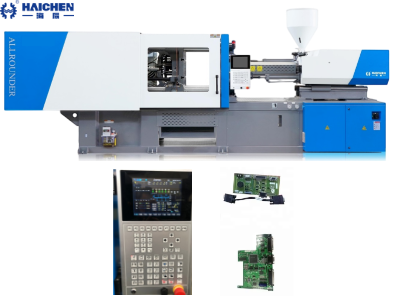
Haichen injection molding machine
Haichen is one Chinese injection molding machine manufacturer. Our servo energy saving injection molding machines quality under CE safety standards certificated.
Haichen have rich experience of producing plastic products, with successfully cases for your reference. We can supply complete plastic production line as per customer’s specific demand.
Consider the above you can choose a suitable plastic injection molding machine and mold to ensure product’s quality and production efficiency.